
In the sizzling world of culinary innovation, a quiet revolution is reshaping one of the most beloved comfort foods: the burger. Once dominated by juicy slabs of beef, the burger landscape is now witnessing a vibrant surge of vegetarian patties that promise to delight taste buds while redefining what it means to be satisfying and lasting. From the humble bean to cutting-edge plant proteins, these new creations are not just alternatives, they’re pioneers leading the charge in a flavorful transformation. Join us as we explore the rise of vegetarian patties, uncovering the stories, science, and sensations behind this mouthwatering movement that’s changing the burger game for good.
The Origins and Evolution of vegetarian Burger Patties
Burger Revolution is not just a trend but a culinary movement that traces its roots back decades. The idea of a vegetarian burger patty began gaining traction in the 1980s when health-conscious eaters and environmental advocates sought alternatives to customary meat. Early versions were basic, often simple bean patties or vegetable mashups, but innovation quickly accelerated with the advent of textured vegetable proteins and plant-based heme analogs. Today, vegetarian patties blend nutrition, flavour, and texture to rival even the most classic beef burger, making it easier than ever to join the revolution without compromising on taste or satisfaction.
Key Ingredients Powering Plant-Based Patties
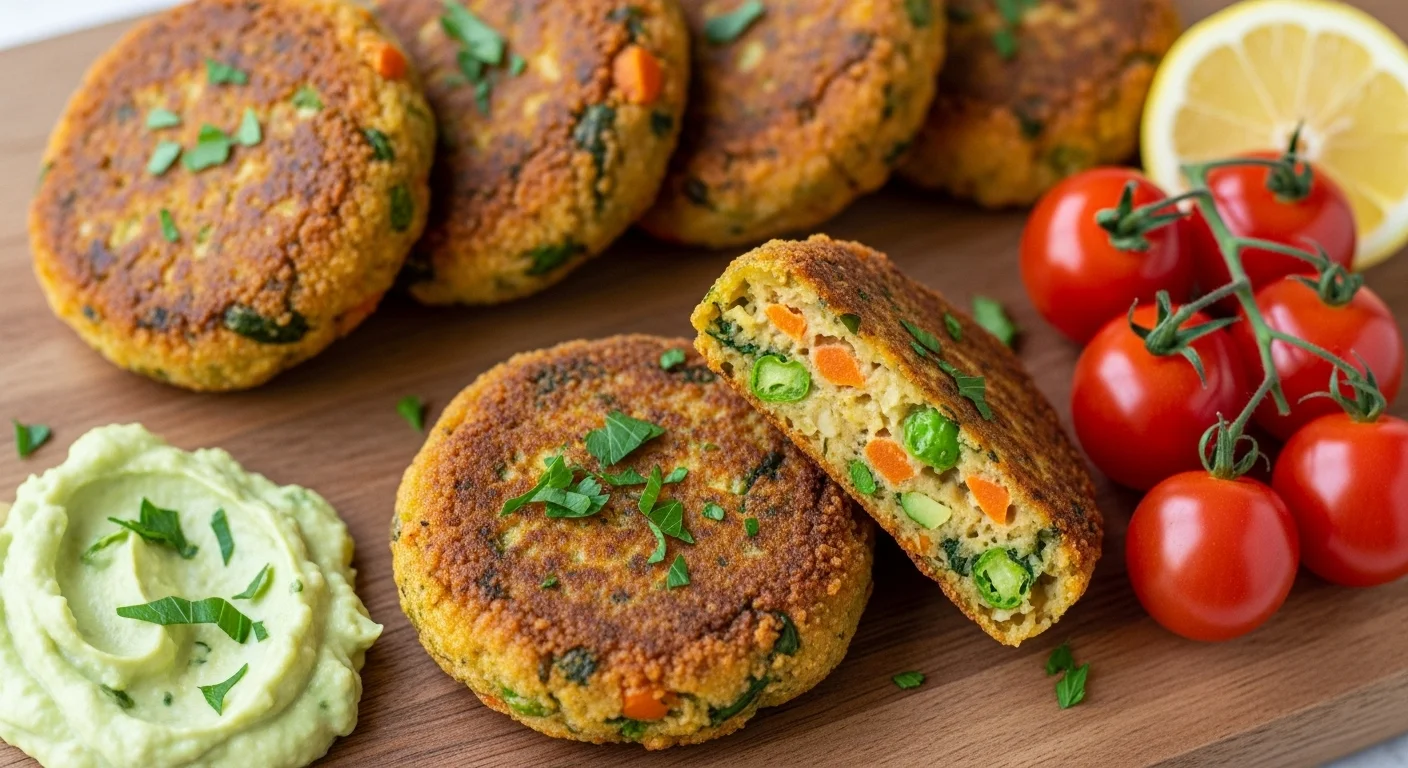
The foundation of every memorable vegetarian burger patty lies in carefully selected ingredients that deliver flavor, texture, and nutrition. Common staples are black beans, chickpeas, and lentils, which provide both bulk and protein. For a meaty texture, mushrooms and beets are brilliant for thier umami and moisture. Binding agents like oats, flaxseed meal, or breadcrumbs hold everything together, while potent seasonings such as smoked paprika, ground cumin, and garlic powder deliver bold, savory notes.
Innovations like pea protein isolates and coconut oil have pushed the boundaries further, creating patties that sizzle and caramelize with a satisfying crust. Incorporating fresh herbs like cilantro or parsley lifts brightness, adding complexity to each bite.
Comparing Taste and Texture to Traditional Burgers
When juxtaposed with traditional beef burgers, vegetarian patties require a balance between firmness and juiciness. While lacking the exact fat content of meat, plant-based patties can mimic the savory richness through clever ingredient combos. The earthiness of mushrooms or the sweetness of roasted beets, coupled with umami-rich spices, compensates for missing meatiness. Textural elements such as diced onions or walnuts add pleasantly unexpected crunch.
Unlike conventional burgers that rely on fat for moisture, vegetarian patties often need extra care, using ingredients like tahini or avocado, to maintain tender resilience without crumbling. This makes the eating experience uniquely satisfying, fresh, and lighter, yet richly layered in flavor.
Tips for Perfectly Cooking and Serving Vegetarian Patties
Mastering the art of cooking vegetarian patties is crucial for elevating your burger game. Before cooking, allow patties to chill in the refrigerator for at least 30 minutes; this helps firm up the mix and reduces the chance of them falling apart. Use a non-stick pan or a lightly oiled cast iron skillet over medium heat, pressing gently to form a nice crust without squashing the patties.
Cook each side for approximately 4-5 minutes or until golden brown. Avoid flipping too frequently to ensure a crisp exterior. For an even meatier flavor, consider brushing the patties lightly with soy sauce or vegan Worcestershire sauce before searing.
Serving is where creativity shines: stack your patty on a toasted brioche or whole-grain bun, layer with fresh lettuce, ripe tomato slices, and a dollop of tangy vegan aioli. Garnish with pickled jalapeños or caramelized onions for a flavor boost. A crisp side of sweet potato fries or a colorful slaw complements the burger perfectly.
Prep and Cook Time
- Prep Time: 20 minutes
- Cook Time: 10 minutes
- total Time: 30 minutes
yield
Makes 6 hearty patties, serving 4-6 peopel
Difficulty level
Medium – beginner cooks can master it with attention to binding and seasoning
Ingredients
- 1 cup cooked black beans, drained and rinsed
- 1 cup finely chopped cremini mushrooms
- ½ cup rolled oats
- ¼ cup finely diced onion
- 2 tbsp ground flaxseed mixed with 6 tbsp water (flax egg)
- 2 cloves garlic, minced
- 2 tbsp soy sauce or tamari
- 1 tsp smoked paprika
- 1 tsp ground cumin
- ½ tsp black pepper
- 1 tbsp olive oil for cooking
- Salt to taste
Instructions
- Prepare flax egg: Combine ground flaxseed and water; let rest for 5 minutes until gel-like.
- In a large bowl, mash black beans: Use a fork or potato masher until mostly smooth but with some texture remaining.
- sauté onions and mushrooms: Heat olive oil in a skillet over medium heat; add onions and mushrooms, cooking until softened and browned, about 6-8 minutes. Allow to cool slightly.
- Mix base ingredients: Add sautéed vegetables, oats, minced garlic, soy sauce, smoked paprika, cumin, salt, pepper, and flax egg to the mashed beans.
- Combine gently: Stir everything together until well mixed but not overworked; the mixture should hold together when pressed.
- Form patties: Divide mixture into 6 equal portions and shape into thick patties, about ¾ inch thick.
- Chill the patties: Place patties on a tray and refrigerate for at least 30 minutes to firm up.
- Cook: Heat a non-stick skillet or cast iron pan over medium heat. Lightly oil the surface, then add patties. Cook 4-5 minutes per side, flipping once, until golden brown and crispy.
- Serve promptly: Place patties on toasted buns with preferred toppings and sauces.
Chef’s Notes
- For gluten-free options, substitute rolled oats with gluten-free oats or almond meal.
- Boost umami by adding 1 tbsp nutritional yeast or a splash of vegan Worcestershire sauce.
- If mixture feels too wet, sprinkle extra oats or breadcrumbs to absorb moisture; if too dry, add a teaspoon of water or olive oil.
- Make patties ahead and freeze individually; cook from frozen, adding a couple of extra minutes per side.
- Experiment with finely chopped nuts or sun-dried tomatoes for added crunch and flavor complexity.
Serving Suggestions
Serve each vegetarian patty on a toasted sesame seed bun with creamy avocado slices, crisp lettuce, juicy tomato, and a spread of smoky chipotle mayo. Garnish with fresh arugula and pickled onions for a zingy contrast. Pair with a crunchy kale slaw or sweet potato fries dusted with smoked paprika for a complete and colorful meal that celebrates the vibrant rise of plant-based cuisine.
| Nutrient | Per Patty |
|---|---|
| Calories | 180 kcal |
| Protein | 8 g |
| Carbohydrates | 20 g |
| Fat | 5 g |
Discover more innovative plant-based recipes in our Plant-Based Burger Recipes collection. For a deeper dive into the science behind texture and taste in vegetarian patties, visit The American Society for Nutrition.
Q&A
Q&A: Burger revolution – Exploring the Rise of Vegetarian Patties
Q1: What’s fueling the surge in popularity of vegetarian patties?
A1: It’s a flavorful mix of health consciousness, environmental urgency, and culinary curiosity. More consumers are seeking alternatives to traditional meat for ethical reasons or dietary needs, while advances in food technology have crafted plant-based patties that tantalize even devoted meat lovers.
Q2: How have vegetarian patties evolved from grass to grill?
A2: Early veggie burgers were often dry and crumbly, but today’s patties boast juicy textures, smoky char, and complex flavors thanks to innovative ingredients like pea protein, mushrooms, and beetroot juice. Chefs and food scientists collaborate to mimic the mouthfeel and sizzle of real meat, transforming the humble patty into a gourmet delight.
Q3: Are vegetarian patties better for the planet?
A3: Absolutely. Producing plant-based patties generally requires less water, land, and energy, and generates fewer greenhouse gases compared to beef. Choosing a vegetarian burger can be a delicious statement for sustainability without sacrificing taste or satisfaction.
Q4: What’s the cultural impact of the vegetarian burger revolution?
A4: Vegetarian patties have sparked a cultural shift, blurring the lines between dietary labels and inclusive dining. From upscale restaurants to street food vendors, these patties have become catalysts for conversations about food ethics, innovation, and community, inviting everyone to join the revolution-one bite at a time.
Q5: Will vegetarian patties replace traditional burgers entirely?
A5: While vegetarian patties are carving out a meaningful slice of the market, they’re more likely to coexist with traditional burgers rather than replace them entirely. The revolution isn’t about erasing the past but expanding the menu to embrace diversity in taste, nutrition, and environmental impact.
Q6: How can someone new to vegetarian patties jump into this revolution?
A6: Start by exploring different brands and recipes, there’s a spectrum from classic bean burgers to gourmet blends infused with exotic spices. Experiment with toppings and buns to customize your perfect bite. Embrace the adventure, and remember: every burger you choose plants a seed for a more sustainable future.
In Conclusion
As the burger landscape continues to evolve, vegetarian patties are no longer just an alternative, they’re a revolution reshaping our plates and palates. From humble bean blends to innovative plant-based masterpieces, these patties are challenging conventions and inviting us all to rethink what a burger can be. Whether driven by health, sustainability, or culinary curiosity, the rise of vegetarian burgers marks a delicious shift toward more inclusive and imaginative dining. So next time you crave that iconic stack, don’t be surprised if a veggie patty steals the spotlight because the burger revolution is just getting started, and it’s tastier than ever.