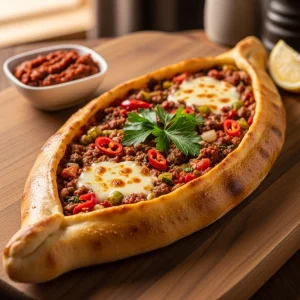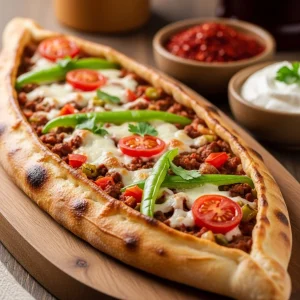

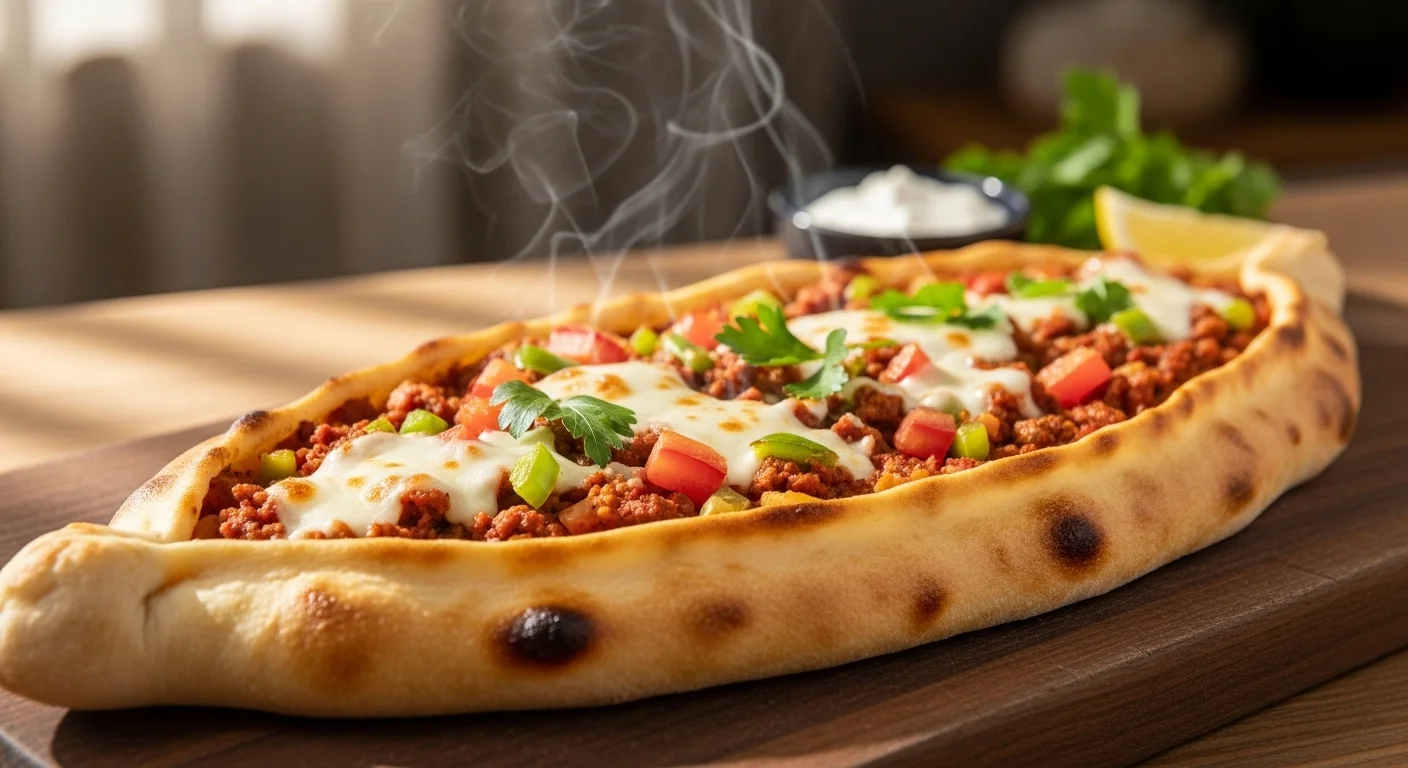
Imagine a culinary journey where a warm, golden crust meets a symphony of savory fillings-cheese melting into gooey perfection, spiced ground meat bursting with aromatic herbs, and a hint of tangy tomato that dances on your tongue. This is Turkish pide, the beloved flatbread that has been captivating taste buds for centuries across Turkey and beyond. Often dubbed “Turkish pizza” pide offers a unique blend of textures and flavors that goes far beyond your everyday pie. In this article, we’ll explore the rich history, regional variations, and mouthwatering ingredients that make Turkish pide an irresistible delicacy you simply need to taste. Get ready to discover why this humble flatbread deserves a starring role on your culinary map.
Turkish Pide is a culinary treasure that melds the rich heritage of Turkey’s diverse regions with an irresistible, savory flatbread experience. It’s golden baked crust, layered with vibrant toppings, captures centuries of tradition and meticulous craftsmanship. Inspired by countless meals shared with family in bustling markets and cozy kitchens, this dish invites both novice and seasoned cooks to explore the heart of Turkish flavors from their own home.
Prep and Cook Time
- Preparation Time: 20 minutes
- Rising Time: 1 hour
- Cooking Time: 15-20 minutes
Yield
Serves 4 generously
Difficulty Level
Medium – Perfect for cooks comfortable with dough handling and baking, but approachable with detailed steps.
Ingredients
- 3 cups all-purpose flour, sifted
- 1 cup warm water (about 110°F)
- 2 tsp active dry yeast
- 1 tsp sugar
- 1 tsp fine sea salt
- 2 tbsp olive oil, plus extra for brushing
- 150g ground lamb or beef (optional for meat variety)
- 1 small onion, finely chopped
- 1 medium ripe tomato, diced
- 1 green bell pepper, thinly sliced
- 100g shredded kasar cheese or mozzarella
- 2 eggs (for topping)
- 1 tsp paprika
- Fresh parsley for garnish
instructions
- Activate the yeast: In a small bowl, combine warm water, sugar, and yeast. Stir gently and let it sit for 10 minutes until frothy, indicating the yeast is alive.
- Prepare the dough: In a large bowl, mix the sifted flour and salt. Slowly pour in the yeast mixture and olive oil. Stir with a wooden spoon until the dough begins to form.
- Knead the dough: Transfer to a floured surface and knead for 8-10 minutes until it’s smooth and elastic. Add flour sparingly if sticky, but keep the dough soft.
- Frist rise: Place the dough in an oiled bowl, cover with a damp towel, and let it rise in a warm place for 1 hour, or until doubled in size.
- Prepare the toppings: While the dough rises, sauté the chopped onion in a tablespoon of olive oil over medium heat until translucent, about 5 minutes. Add ground meat (if using), paprika, a pinch of salt, and cook until browned and fragrant. Remove from heat and stir in diced tomato and sliced bell pepper.
- Shape the pide: Preheat the oven to 475°F (245°C) and lightly oil a baking sheet or line with parchment. Punch down the dough and divide it into 4 equal parts. Roll each piece into an oval approximately 10 inches long and 5 inches wide.
- Add toppings: Spoon the meat and vegetable mixture evenly onto each oval, leaving a small border. Sprinkle generously with shredded cheese. Crack an egg atop each one if preferred, carefully avoiding the edges.
- Bake to perfection: Brush the exposed dough edges with olive oil for a golden finish. Bake for 15-20 minutes, or until the crust is crisp and the cheese is bubbling and lightly browned.
- Garnish and serve: Remove from oven and scatter freshly chopped parsley over each pide. Serve immediately for the best texture and flavor.
Tips for Success
- For a lighter dough, replace 1/3 of the all-purpose flour with bread flour to develop more gluten strength.
- If you prefer vegetarian pide, substitute ground meat with sautéed mushrooms and/or spinach stirred with feta cheese.
- To make ahead, shape the dough and refrigerate overnight, then add toppings and bake fresh the next day.
- Ensure the oven is fully preheated to achieve the signature crispness of traditional pide crust.
- Use a pizza stone or steel if available to mimic a wood-fired oven’s direct heat for extra crust crunch.
Serving Suggestions
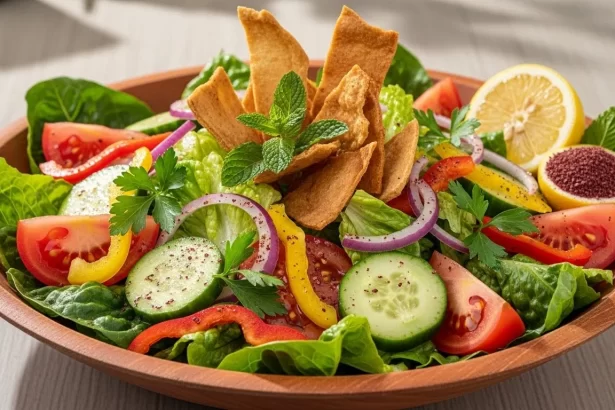
Slice pide into boat-shaped portions. Complement it with freshly made yogurt dip seasoned with garlic and mint or a tangy sumac-spiced salad. A drizzle of chili oil adds a subtle kick. Pair with a robust Turkish black tea or a light red wine for a perfect meal.
| Nutrient | Per Serving |
|---|---|
| Calories | 430 kcal |
| Protein | 18 g |
| Carbohydrates | 45 g |
| Fat | 16 g |
Explore more about Turkey’s rich culinary landscape and share your homemade masterpieces by visiting our guide to Turkish breads. For an authoritative dive into Middle Eastern yeast bread traditions, check out this insightful article from Encyclopaedia Britannica.
Q&A
Q&A: Turkish Pide – The Savory Flatbread You Need to Taste
Q: What exactly is Turkish pide?
A: Think of Turkish pide as the lovechild of a pizza and a flatbread, wrapped in centuries of tradition. It’s a boat-shaped, hand-stretched dough baked to golden perfection, topped or stuffed with a variety of savory fillings, from spiced ground meat and melted cheese to fresh vegetables and eggs. It’s comfort food and street food rolled into one flavorful package.
Q: Where did pide originate?
A: Pide’s roots stretch deep into Turkish culinary history, dating back hundreds of years. It hails from the Anatolian region, where flatbreads have long been a dietary staple. Over time, pide evolved into a beloved national treasure, with regional variations that showcase Turkey’s rich cultural tapestry.
Q: How is Turkish pide different from other flatbreads or pizzas?
A: Unlike pizza’s round shape, pide is traditionally shaped like a narrow boat, cradling its toppings in a soft yet crispy crust. The dough is unique, airy and chewy with just the right amount of crunch from baking in a wood-fired oven. The flavors are a bold dance between spices like paprika and cumin, tangy cheeses like beyaz peynir, and fresh herbs, setting it apart from its Mediterranean cousins.
Q: What are some popular pide fillings?
A: Classics include “Kıymalı” (minced, spiced lamb or beef), “Kaşarlı” (molten Kashar cheese), and “Sucuklu” (Turkish spicy sausage). For the adventurous, there’s “Pastırmalı” (air-dried cured beef) or “Ispanaklı” (spinach with feta), often crowned with a cracked egg to bake right into the topping, adding a luscious richness.
Q: When and where can you enjoy pide?
A: Pide is wildly versatile, enjoy it at breakfast with a cup of strong Turkish tea, as street food for a mid-afternoon snack, or as a hearty dinner with friends and family. It’s a national comfort food found in bustling bazaars, humble street kiosks, and fine restaurants alike, each offering their own spin on this savory delight.
Q: Can I try making turkish pide at home?
A: Absolutely! While authentic pide benefits from a wood-fired oven, you can recreate its magic in your kitchen oven. The key lies in making a supple, slightly chewy dough and using high-quality, flavorful toppings. Don’t forget the signature boat shape and the charming rustic imperfections that make each pide unique.
Q: Why should Turkish pide be on everyone’s culinary radar?
A: Turkish pide is more than food; it’s a flavorful journey into a culture rich with hospitality and heritage. It’s versatile, sharing-friendly, and packed with layers of taste and texture that surprise and satisfy. If you crave something both familiar and refreshingly different, a savory flatbread that warms the soul, you’re overdue for a bite of pide.
Q: Where can I find authentic pide outside of Turkey?
A: Thanks to Turkey’s global diaspora, authentic pide has sailed far beyond Anatolia. Look for Turkish bakeries or restaurants in cosmopolitan cities, especially those offering Middle Eastern or Mediterranean cuisine. If you see a “pide Salonu” or “Pideci” in the name, you’re in for a treat!
Ready to embark on your pide adventure? Grab a savory slice, and taste the tradition baked into every golden crust. Afiyet olsun!
Final Thoughts
Whether enjoyed fresh from the oven or savored slowly with a cup of strong Turkish tea, pide is more than just a flatbread, it’s a culinary story baked into every golden slice. Its rich history, versatile toppings, and comforting flavors make it a must-try for anyone eager to explore the vibrant tapestry of Turkish cuisine. So next time your taste buds crave something hearty yet nuanced, remember that Turkish pide isn’t just food; it’s an invitation to experience a savory tradition that has been delighting palates for centuries. Take a bite, and let the journey begin.