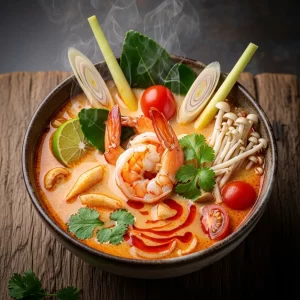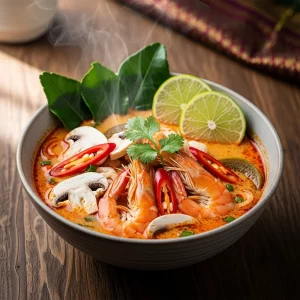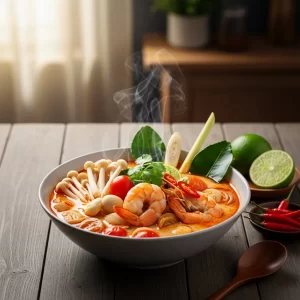

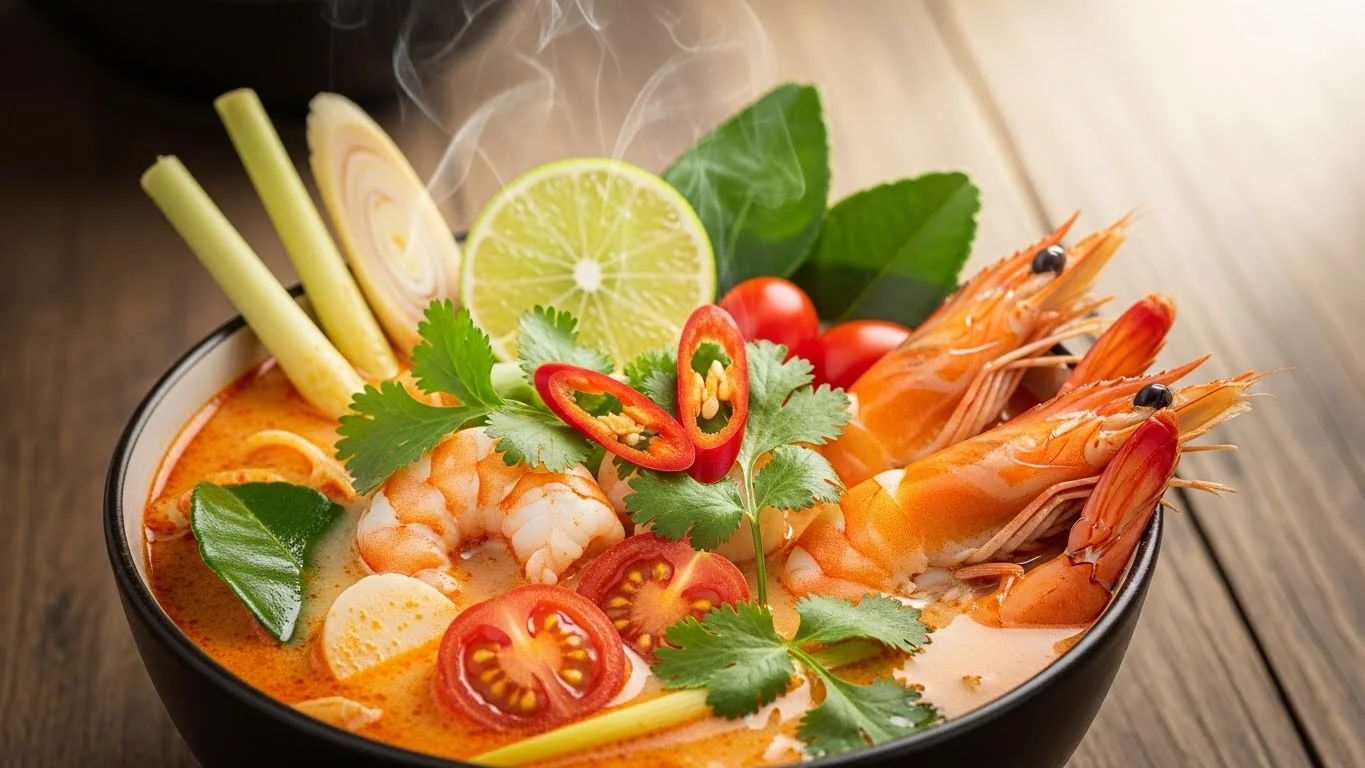
In the vibrant tapestry of Thai cuisine, few dishes capture the soul of the culture quite like Tom Yum soup. Bursting with bold flavors that dance on the palate, fiery chilies, fragrant lemongrass, tangy lime, and earthy galangal, this iconic soup is more than just a meal; it is indeed a sensory journey through Thailand’s rich culinary heritage. Revered for its perfect balance of spicy, sour, sweet, and savory notes, Tom Yum stands as a zesty, aromatic treasure that tantalizes taste buds and warms the spirit. Join us as we delve into the origins, ingredients, and cultural meaning of this beloved Thai masterpiece, uncovering the secrets behind its enduring global appeal.
Tom Yum Soup enchants the senses with its vibrant aroma and bold, zesty flavors that define the essence of authentic Thai cuisine. Rooted deeply in Thailand’s culinary heritage, this iconic soup balances spicy, sour, salty, and sweet notes in a harmonious dance that has captivated locals and food lovers worldwide. Growing up, the memory of a steaming bowl of tom yum shared around a bustling Thai family table remains one of warmth and party – a dish that not only nourishes but also connects generations.
Prep and Cook Time
- Planning: 15 minutes
- Cooking: 20 minutes
- Total Time: 35 minutes
Yield
Serves 4 generous bowls
Difficulty Level
Medium – perfect for home cooks ready to explore authentic Thai flavors with approachable steps
Key Ingredients That Bring the Authentic Zesty Flavor to Life
- 4 cups chicken or vegetable broth, the flavorful foundation
- 3 stalks lemongrass, sliced into 2-inch pieces and smashed
- 5 kaffir lime leaves, torn to release fragrance
- 3 thin slices galangal, essential for that unique citrusy-spicy kick
- 5 Thai bird’s eye chilies, crushed (adjust to taste)
- 200g shrimp, peeled and deveined
- 150g oyster mushrooms, cleaned and halved
- 3 cloves garlic, minced
- 2 shallots, thinly sliced
- 3 tablespoons fish sauce, for authentic salty depth
- 2 tablespoons lime juice, the zesty soul of tom yum
- 1 teaspoon palm sugar, to balance the tang
- fresh cilantro, for garnish
- Optional: thai chili paste (nam prik pao), 1 tablespoon for smoky sweetness
Step by Step Guide to Crafting the Perfect Tom Yum at Home
- Prepare the broth: In a large pot, bring the chicken or vegetable broth to a gentle boil over medium heat.
- Add aromatics: Toss in the lemongrass stalks, kaffir lime leaves, galangal, garlic, shallots, and bird’s eye chilies. Let it simmer gently for 10 minutes, allowing the broth to absorb their fragrant essence.
- add mushrooms and shrimp: Add oyster mushrooms and shrimp to the broth. Cook until shrimp turn pink and opaque, about 4 minutes. Avoid overcooking for tender shrimp.
- Season: Stir in fish sauce, palm sugar, and if using, Thai chili paste. Adjust the amount of fish sauce for saltiness and chili paste for smoky heat.
- Final zest: Remove from heat and stir in fresh lime juice. Taste and adjust seasoning, the flavor should be a lively balance between spicy, sour, and salty.
- Serve: Ladle the soup into bowls and garnish generously with fresh cilantro leaves. Serve instantly to enjoy the spirited fragrance and texture.
Tips for Success
- Fresh ingredients matter: Sourcing fresh lemongrass, kaffir lime leaves, and galangal dramatically lifts authenticity – frozen or dried alternatives may diminish flavor.
- Balance flavors: The harmony of tom yum lies in tasting as you go. Adjust lime, fish sauce, and sugar gradually to suit your palate.
- Protein variations: Replace shrimp with chicken or tofu for a satisfying twist.
- Mild heat option: Reduce the bird’s eye chilies or remove seeds to lower spiciness without losing aroma.
- Make ahead: prepare the flavored broth base and refrigerate; add shrimp, mushrooms, and finishing touches fresh when ready to serve.
serving Suggestions
For a truly immersive Thai meal, serve tom yum soup alongside dishes that complement its lively profile. Steamed jasmine rice is a must to balance the tang. Pair it with a crisp som tam (green papaya salad) for refreshing crunch and a side of pad thai for sweet, savory noodles. Garnish your tom yum with a wedge of lime or additional Thai basil leaves for heightened aroma. A cold Thai iced tea or jasmine tea rounds out the experience beautifully.
| Nutrient | Per Serving |
|---|---|
| Calories | 180 kcal |
| Protein | 16g |
| Carbohydrates | 8g |
| Fat | 5g |
Q&A
Q&A: Tom Yum Soup – Thailand’s Zesty, Aromatic Culinary Treasure
Q: What exactly is Tom Yum Soup?
A: Tom Yum is a vibrant, hot-and-sour Thai soup that bursts with bold flavors. It’s a fragrant concoction typically made with fresh lemongrass, kaffir lime leaves, galangal, fresh chilies, lime juice, and often shrimp or chicken. This soup is Thailand’s culinary love letter to sour and spicy flavor lovers, delivering a perfect balance of zesty, aromatic, and savory notes.
Q: where does Tom Yum Soup originate?
A: Tom Yum hails from central Thailand but has become a beloved dish across the entire contry-and worldwide. It reflects Thai cuisine’s signature harmony: the marriage of spicy, sour, sweet, and salty in every spoonful.
Q: What are the essential ingredients that give Tom Yum its distinctive taste?
A: The soul of Tom Yum lies in a few key aromatics: lemongrass (for citrusy brightness), galangal (similar to ginger but earthier), kaffir lime leaves (zesty and floral), and fresh Thai chilies (for heat). These, combined with lime juice, fish sauce, and fresh herbs like cilantro, create the soup’s unforgettable complexity.
Q: Is Tom Yum always made with shrimp?
A: While “Tom Yum Goong” specifically means shrimp Tom Yum, the soup can be adapted with chicken, fish, mixed seafood, or even vegetarian ingredients. The name frequently enough changes accordingly-for example, “Tom Yum Gai” uses chicken rather, but the flavor essence remains the same.
Q: How is Tom Yum soup typically served?
A: Traditionally, Tom Yum is served piping hot, often accompanied by steamed jasmine rice to balance its fiery flavors. The soup can be an appetizer or a main course and is enjoyed both in street stalls and upscale restaurants.
Q: What makes Tom Yum Soup so popular internationally?
A: Its unique combination of sour, spicy, herbal, and savory elements appeals universally, awakening taste buds with every sip. It’s comforting yet thrilling, simple yet complex, and perfectly represents the heart of Thai cooking-freshness, balance, and bold taste.
Q: Can Tom Yum Soup be made at home easily?
A: Absolutely! While authentic ingredients like kaffir lime leaves and galangal define its flavor, many supermarkets now carry them fresh or frozen. With a good recipe and these basics, home cooks can recreate this zesty treasure, capturing a taste of Thailand in their own kitchen.
Q: What health benefits does Tom Yum Soup offer?
A: Beyond its incredible flavor, Tom Yum is often lauded for its healthful properties. Ingredients like lemongrass, galangal, and chilies have anti-inflammatory and immune-boosting effects, while the broth is light and low-calorie, making it a nourishing choice that delights as much as it heals.
Q: Any tips for someone trying Tom Yum soup for the first time?
A: Dive in with an open palate and savor the layers of flavor. If you’re sensitive to spice, ask for a milder version first. Pair it with some cool Thai iced tea or coconut water to balance the heat. Most importantly, enjoy the vibrant culinary adventure that Tom Yum offers, a true zestful plunge into Thai culture!
Key Takeaways
Whether you’re a seasoned foodie or a curious traveler, Tom Yum soup offers a vibrant taste of Thailand’s rich culinary heritage. This zesty, aromatic treasure isn’t just a dish, it’s an experience that captures the soul of Thai cooking in every spoonful. From the tangy lemongrass to the fiery chili and fragrant kaffir lime leaves, Tom Yum invites you to savor the perfect balance of flavors that awaken your senses and tell a story centuries in the making. So next time you seek a bowl of comfort that’s both bold and invigorating, let Tom Yum transport you straight to the bustling streets of Thailand, where tradition and taste mingle in a harmonious dance of spice and zest.