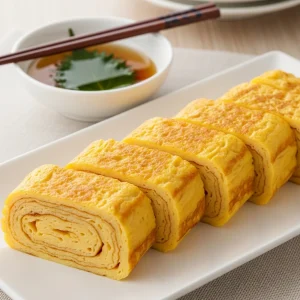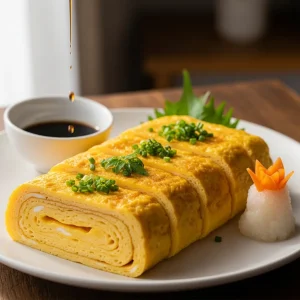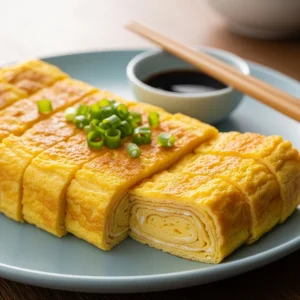

In teh delicate dance of Japanese cuisine, few dishes capture the harmony of flavor and artistry quite like tamagoyaki. Often mistaken for a simple rolled omelet, tamagoyaki is a culinary masterpiece where sweet and savory notes intertwine with precision, texture, and tradition. This golden-hued delight, crafted with meticulous technique and a touch of cultural reverence, offers far more than meets the eye. Join us as we peel back the layers of tamagoyaki, unveiling the secrets behind japan’s beloved egg art, a dish that’s as much a feast for the eyes as it is for the palate.
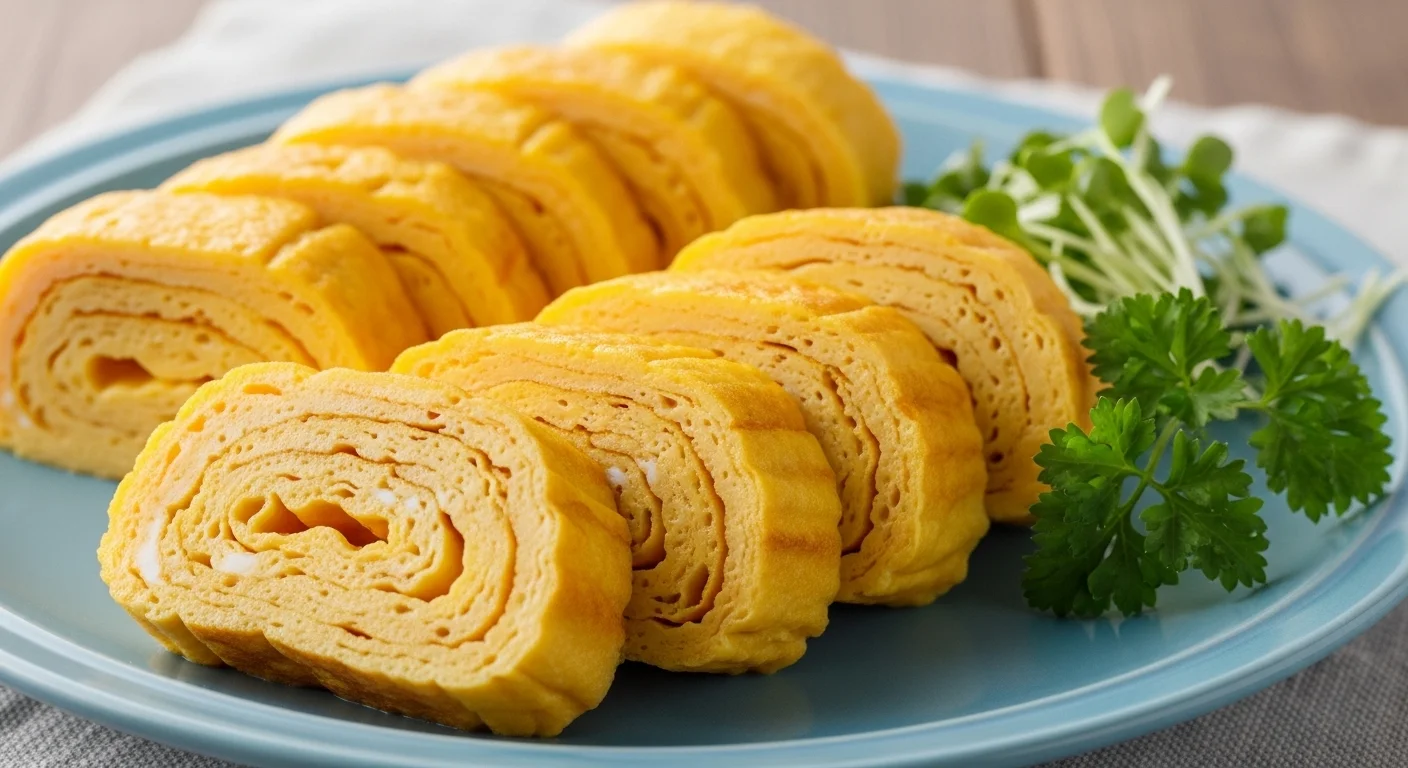
Tamagoyaki, Japan’s sweet and savory omelet art, is more than just a breakfast staple; it is indeed a culinary symbol of Japanese home cooking, precision, and balance. This beloved rolled omelet, with its delicate layers folded into a golden log, beautifully encapsulates the harmony of flavors and technique that defines much of Japanese cuisine. Its sweet undertones paired with subtle umami invite the senses into a comforting yet sophisticated experience, making tamagoyaki a treasured dish across generations.
Prep and Cook Time
- Preparation: 10 minutes
- Cooking: 15 minutes
- Total time: 25 minutes
Yield
Serves 4 as a side dish or bento component
Difficulty Level
Medium – requires practice to master the perfect roll and flavor balance
Ingredients
- 6 large eggs, beaten until smooth
- 3 tablespoons dashi stock (or substitute with low-sodium chicken broth)
- 2 tablespoons mirin (sweet rice wine)
- 1 tablespoon soy sauce
- 1 tablespoon sugar
- 1 teaspoon vegetable oil (for cooking)
- Optional garnish: finely sliced nori, grated daikon, or shiso leaves
Instructions
- Prepare the egg mixture: In a large bowl, whisk together the eggs, dashi stock, mirin, soy sauce, and sugar until fully combined and slightly frothy. This balance of sweet and umami-rich liquids is essential to achieving tamagoyaki’s signature flavor.
- Heat the pan: Set a non-stick rectangular tamagoyaki pan or a small non-stick skillet over medium heat. Lightly oil with vegetable oil using a paper towel for an even, thin coating.
- Cook the first layer: Pour a small amount (about 1/4 cup) of the egg mixture to cover the pan thinly. Tilt the pan to spread evenly. When the egg is almost set but still slightly moist on top, begin rolling it starting from the far edge toward you with a spatula or chopsticks.
- Add and roll layers: Push the rolled omelet to the far edge of the pan. Lightly oil the exposed pan surface again, and pour another thin layer of the egg mixture underneath the rolled omelet. When nearly set, roll the omelet back toward you, enveloping the new layer. Repeat this layering and rolling process until all egg mixture is used, forming a thicker, multi-layered roll.
- Shape and rest: Once fully cooked, gently press the tamagoyaki with a bamboo mat or spatula to form straight edges and a compact shape. Let it rest for a minute before slicing sharply into 1-inch pieces.
- Serve: Arrange slices on a plate and garnish with grated daikon or fresh herbs for contrast.
Tips for success
- Egg quality: Use fresh eggs for the best texture and flavor.
- Heat control: Medium heat is crucial; too hot, and the layers cook too quickly and brown, too low, and the eggs take too long and may dry out.
- Rolling technique: Practice using chopsticks or a spatula to roll firmly but gently, avoiding cracks.
- Sweetness adjustment: tailor the sugar level based on preference; some regions prefer a more savory profile.
- Make-ahead: Tamagoyaki tastes excellent at room temperature and holds well in bento boxes.
Serving Suggestions
Tamagoyaki is incredibly versatile. Serve it sliced as a refined breakfast alongside steamed rice, miso soup, and pickles. For a bento, pair it with crisp vegetables, grilled fish, and a smear of wasabi mayo for a modern twist. At a dinner party, showcase tamagoyaki as an appetizer garnished with nori strips and a daikon radish salad. Its sweet-savory balance also harmonizes wonderfully when served atop sushi rice for tamago nigiri, a classic sushi bar favorite.
| Nutrient | Per Serving |
|---|---|
| Calories | 140 kcal |
| Protein | 8 g |
| Carbohydrates | 4 g |
| Fat | 9 g |
Explore more Japanese cooking essentials or delve into Japan Guide’s cultural insight on Japanese cuisine for a deeper understanding of the culinary heritage behind tamagoyaki.
Q&A
Q&A: Tamagoyaki Unveiled – Japan’s sweet and Savory Omelet Art
Q1: what exactly is Tamagoyaki?
A1: Tamagoyaki is a Japanese rolled omelet known for its delicate layers and harmonious blend of sweet and savory flavors. Made by whisking eggs with a touch of sugar, soy sauce, and mirin, it’s cooked in a special rectangular pan called a makiyakinabe, then skillfully rolled into beautiful, fluffy layers.
Q2: how does Tamagoyaki differ from Western omelets?
A2: Unlike Western omelets, which are typically folded once and often filled with cheese, vegetables, or meats, Tamagoyaki is rolled repeatedly to create multiple thin layers. This technique results in a compact, tender texture with a uniquely balanced flavor profile that combines sweetness and umami, evoking both comfort and elegance.
Q3: What ingredients give Tamagoyaki its signature taste?
A3: The classic Tamagoyaki incorporates eggs, dashi (a light fish stock), soy sauce, sugar, and mirin (a sweet rice wine). The interplay of these ingredients crafts a subtle sweetness paired with savory depth-making it distinctively Japanese and irresistibly delightful.
Q4: Is Tamagoyaki eaten on its own or as part of other dishes?
A4: Tamagoyaki is wonderfully versatile! It can be savored on its own as a breakfast treat, sliced and served as a bento box staple, or used as a topping in sushi. Its gentle layers provide a tender nibble that complements sushi rice or pickled ginger perfectly.
Q5: What cultural importance does Tamagoyaki hold in Japan?
A5: beyond being a culinary delight, Tamagoyaki represents the artistry and precision ingrained in Japanese cooking. It’s often one of the first dishes young chefs master, symbolizing patience and technique.Plus, its presence in home kitchens, school lunches, and high-end sushi bars alike speaks to its enduring popularity and cultural resonance.
Q6: Can Tamagoyaki be customized or modernized?
A6: Absolutely! While traditionalists cherish the original flavor, creative cooks experiment by incorporating ingredients like green onions, cheese, or even finely chopped seafood. Some chefs play with colors and textures, turning Tamagoyaki into edible art that surprises the palate while honoring its classic roots.
Q7: How can a beginner try making Tamagoyaki at home?
A7: Start simple! Whisk eggs with a bit of sugar and soy sauce, heat a non-stick frying pan, and pour a thin layer of egg mixture. Once partially cooked, roll it gently to one side and add more egg mixture beneath to repeat the layering. With patience and practice, you’ll uncover the joy of crafting this sweet and savory rolled masterpiece.
dive into the world of Tamagoyaki, where technique meets taste, and each slice tells a story of Japan’s culinary elegance!
In Retrospect
As the golden layers of tamagoyaki reveal their delicate balance of sweet and savory, we glimpse not just a dish, but a storied tradition-one that folds history, technique, and artistry into every bite. Whether savored at a bustling tokyo breakfast table or crafted with care in a home kitchen miles away, tamagoyaki invites us to appreciate the subtle poetry simmering within Japan’s culinary heritage. So next time you encounter this humble omelet, remember: you’re not just tasting food, you’re experiencing a flavorful chapter of Japan’s cultural tapestry, lovingly unfolded one roll at a time.