
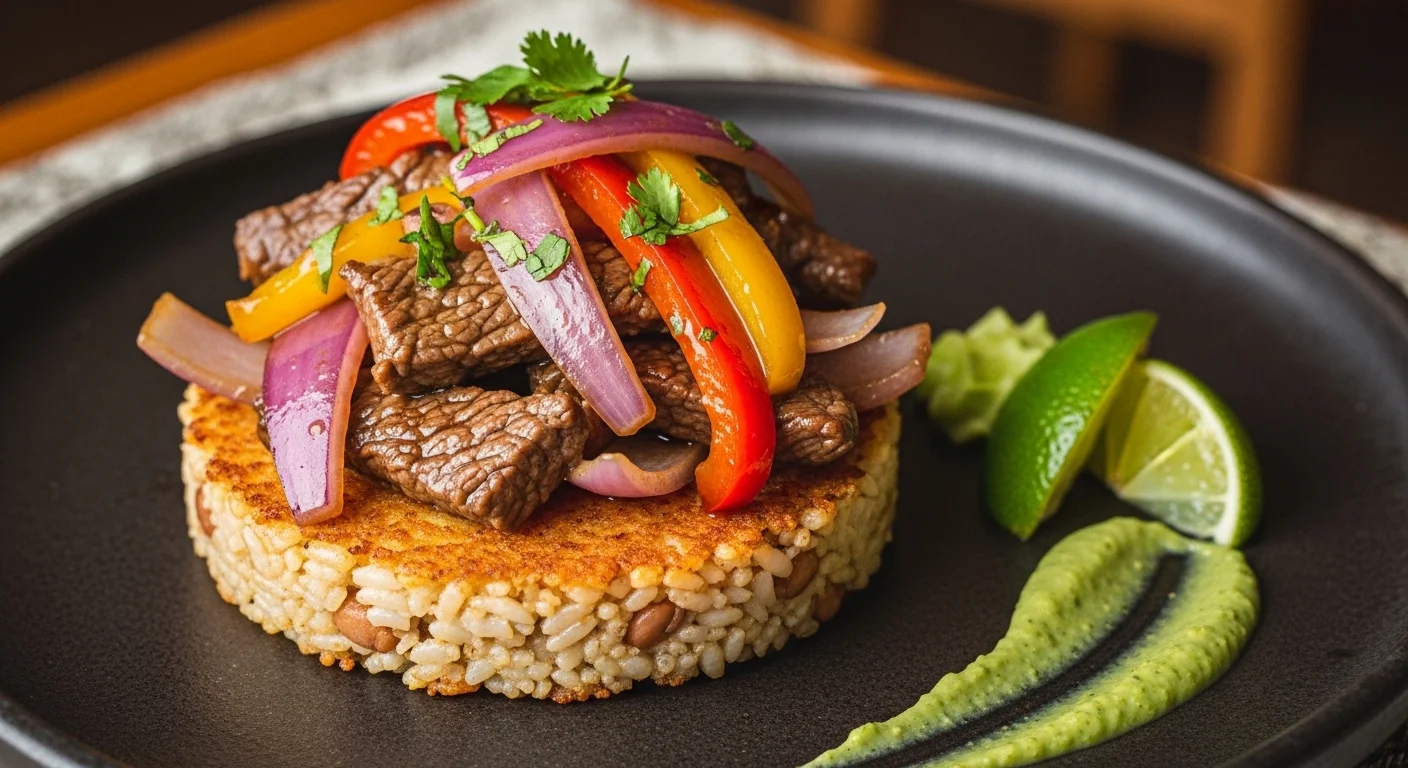
In the vibrant culinary tapestry of Peru, few dishes capture the spirit of resourcefulness and flavor quite like Tacu Tacu. This humble yet hearty fusion of beans and rice is more than just a meal, it’s a celebration of tradition, culture, and ingenuity. Born from the desire to transform leftovers into a savory masterpiece, Tacu Tacu marries simple ingredients with bold seasoning to create a dish that is both comforting and exciting. Join us as we explore the origins, preparation, and irresistible charm of Peru’s beloved bean and rice creation, a true testament to the country’s rich gastronomic heritage.
Tacu Tacu: Peru’s Flavorful Fusion of Beans and Rice brings together humble pantry staples into a mouthwatering dish that beautifully embodies the spirit and resilience of Peruvian cuisine. Originating as a practical way for Afro-Peruvian communities to utilize leftover rice and beans, this dish has evolved into a celebrated culinary treasure renowned for its crispy, golden crust and hearty, comforting interior. Every bite tells a story of culture, resourcefulness, and irresistible flavor.
Prep and Cook Time
- Preparation: 15 minutes
- Cooking: 25 minutes
- Total Time: 40 minutes
Yield
- Serves 4 hearty portions
Difficulty Level
- Medium – requires attention to texture and timing for perfect crispness
Ingredients
- 1 ½ cups cooked white rice (preferably day-old, chilled)
- 1 ½ cups cooked canary beans (cooked until soft; canned can be a good shortcut)
- 1 small red onion, finely diced
- 2 cloves garlic, minced
- 1 tablespoon Ají Amarillo paste (yellow chili pepper paste; substitute with mild chili paste if unavailable)
- 2 tablespoons vegetable oil (plus extra for frying)
- 1 teaspoon ground cumin
- Salt and freshly ground black pepper, to taste
- 1 tablespoon fresh cilantro, chopped (optional)
- 1 egg (optional, for binding)
Instructions
- Prepare the base: In a large skillet over medium heat, warm 2 tablespoons of vegetable oil. Add the finely diced red onion and sauté until translucent, about 3-4 minutes. Stir in minced garlic and Ají Amarillo paste, cooking briefly until aromatic, about 1 minute.
- season and combine: Add cumin, salt, and pepper to the skillet. Incorporate the cooked beans, mashing them gently with the back of a spoon to create a coarse paste. Mix in the rice, stirring thoroughly until beans and rice are evenly combined and heated through. Remove from heat and allow to cool slightly.
- Optional binder: If the mixture feels too lose, beat an egg and stir it in to help the tacu tacu hold its shape during frying.
- Form the patties: Using your hands or a mold, shape the mixture into small oval or round patties, about ¾ inch thick and 4 inches wide. This size allows for a satisfying crispy exterior without undercooking the interior.
- Fry to perfection: In a separate skillet, heat 3-4 tablespoons of vegetable oil over medium-high heat. When hot, gently add the patties. Fry without moving until the bottoms are deep golden and crisp, about 4-5 minutes. Carefully flip and repeat on the other side.
- Drain and rest: Transfer the cooked patties to a plate lined with paper towels to remove excess oil. Let them rest for 2 minutes before serving to help set their texture.
Tips for Success
- Use day-old rice: Freshly cooked rice tends to be too moist and mushy, so refrigerating it overnight ensures fluffier, separate grains.
- Adjust spice levels: The Ají Amarillo paste provides authentic Peruvian heat, but you can reduce or substitute it with a milder chili paste to suit your palate.
- Binding alternatives: For a vegan option, replace the egg with a tablespoon of ground flaxseed mixed with 3 tablespoons water (let sit 5 minutes).
- Prevent sticking: Use a non-stick or well-seasoned cast iron pan, and ensure the oil is sufficiently hot before frying.
- Make ahead: Prepare the bean and rice mixture a day in advance and refrigerate. Form and fry just before serving for best texture.
Serving Suggestions
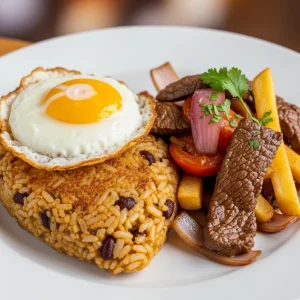
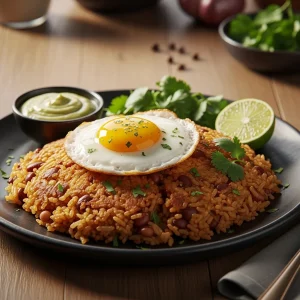
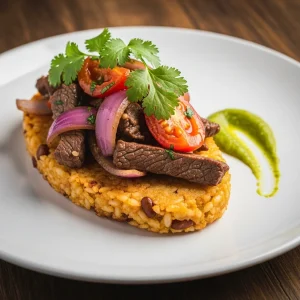
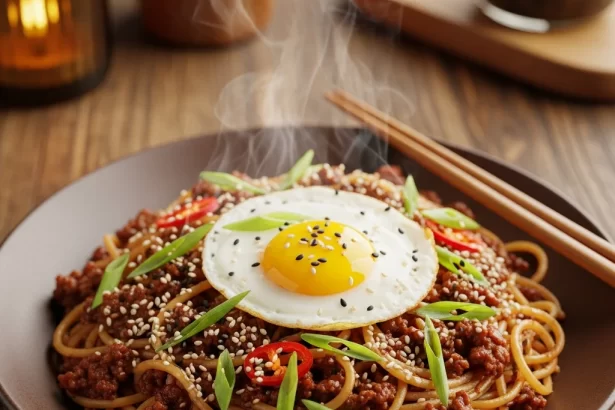
Tacu Tacu pairs beautifully with both customary and modern Peruvian flavors.Traditionally, topping it with a fried egg and a drizzle of salsa criolla, a zesty onion and lime relish, creates a perfect balance of richness and brightness. for a heartier meal, serve alongside Peruvian-style stews such as Seco de Carne or a succulent grilled chicken smothered in green ají sauce.
To modernize the plate, consider a side of avocado slices, pickled jalapeños, and a handful of fresh microgreens for contrast. Garnish with chopped cilantro and a wedge of lime to elevate the flavors further.
Nutritional Information (per serving)
| Nutrient | Amount |
|---|---|
| Calories | 320 kcal |
| Protein | 12 g |
| Carbohydrates | 50 g |
| Fat | 8 g |
To explore more about Peruvian cuisine’s rich heritage, you can also visit the official Peruvian Tourism website for inspiring stories and recipes.
Q&A
Q&A: Tacu Tacu – Peru’s Flavorful Fusion of Beans and Rice
Q1: What exactly is Tacu Tacu?
A1: Tacu Tacu is a beloved Peruvian dish that marries two humble pantry staples, rice and beans, into a crispy, golden patty that’s bursting with flavor. Think of it as a savory fusion cake, combining leftovers into a culinary masterpiece that’s greater than the sum of its parts.
Q2: Where did Tacu Tacu originate?
A2: Tacu Tacu has roots in the Afro-Peruvian communities along the coast of Peru. Traditionally, it was a way to transform leftover beans and rice into a satisfying meal for laborers and families, showcasing ingenuity and resourcefulness in the kitchen.
Q3: how is Tacu Tacu traditionally prepared?
A3: Leftover cooked rice and beans are mashed together with garlic, onions, salt, and spices, then shaped into patties. These patties are pan-fried until crispy and golden on the outside, while remaining tender inside. It’s frequently enough served with a variety of accompaniments, like a fried egg, steak, or vibrant salsa criolla.
Q4: What makes Tacu Tacu so special in Peruvian cuisine?
A4: Beyond its comforting flavor and crispy texture, Tacu Tacu symbolizes a blend of cultures and traditions, reflecting Peru’s rich Afro-Peruvian heritage. It’s a dish born of necessity but elevated to a national favorite, celebrated for its simplicity and satisfying nature.
Q5: Can you customize Tacu Tacu to fit different tastes?
A5: absolutely! While the classic recipe uses black beans or canary beans, you can experiment with any type of bean or even lentils. Spices and herbs can vary-cumin, ají amarillo, cilantro, each adding a unique twist. Plus, toppings can range from avocado and fresh salsa to seafood or grilled meats.
Q6: how is Tacu Tacu typically enjoyed in peru today?
A6: Tacu Tacu is enjoyed across Peru, from humble street vendors to upscale restaurants. It’s often part of hearty breakfast or lunch plates, embraced for its comforting flavors and versatility. The crispy patties act as a perfect canvas for a range of delicious toppings and sides.
Q7: Why should food lovers outside Peru try Tacu Tacu?
A7: Tacu Tacu offers a delicious insight into Peruvian culture, history, and the art of making magic from leftovers. Its crispy exterior and creamy interior provide a feast of textures and tastes that are both familiar and exotic, perfect for anyone eager to explore the soulful flavors of Peru.
To Conclude
Whether enjoyed as a humble street food or a celebrated dish in fine Peruvian restaurants, Tacu tacu stands as a vibrant testament to Peru’s rich culinary heritage. This unassuming fusion of beans and rice carries centuries of history on its plate, blending indigenous traditions with Afro-Peruvian influences to create a symphony of flavors and textures. Next time you encounter Tacu Tacu, take a moment to savor not just its satisfying taste but also the story it tells, a story of resilience, creativity, and the joyful harmony found in Peru’s kitchen. In every crispy bite, you’re experiencing more than a meal; you’re tasting a cultural legacy that continues to inspire and delight.