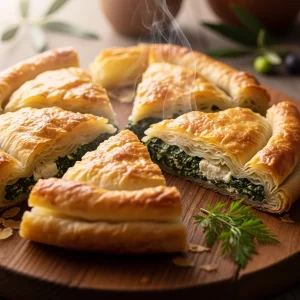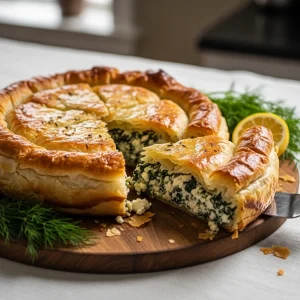

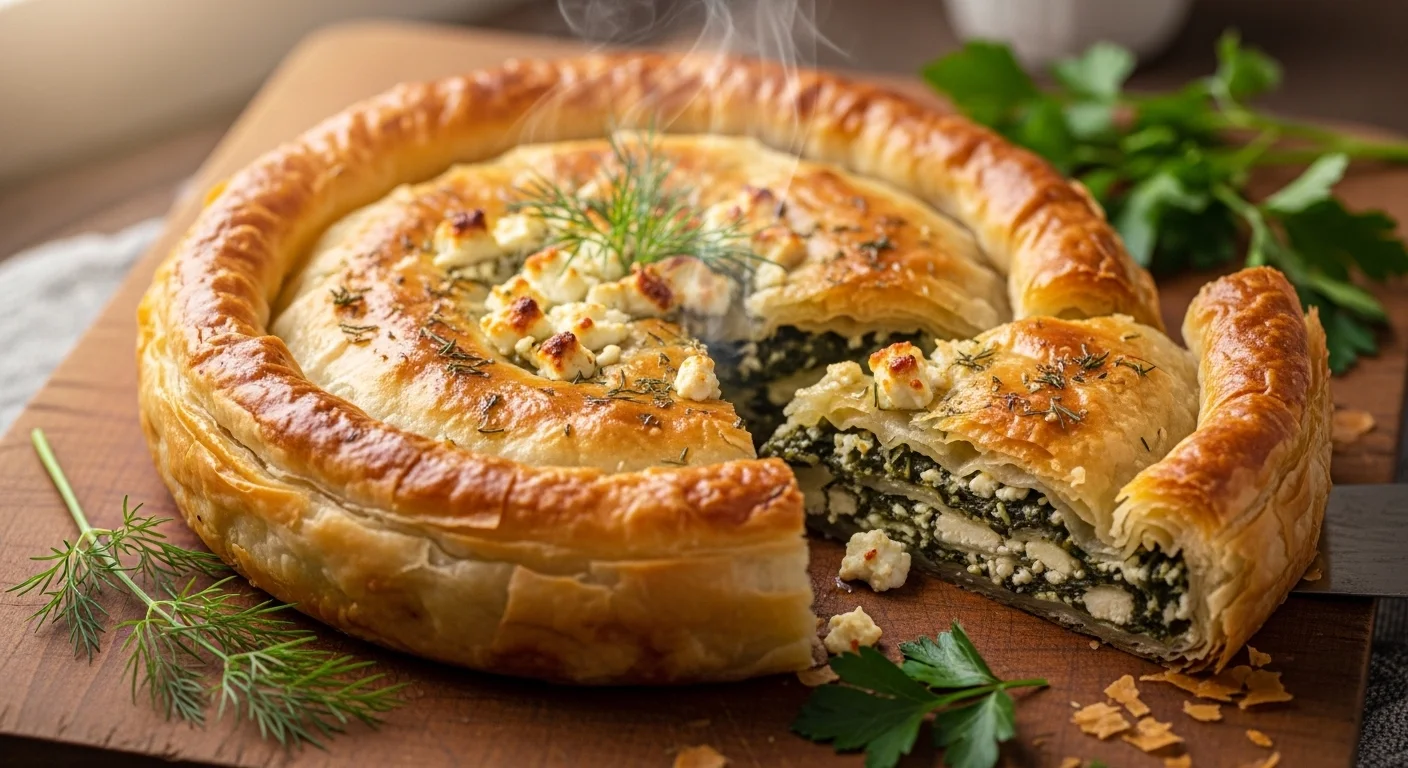
Nestled within the vibrant tapestry of Greek cuisine lies a culinary treasure that has delighted generations: spanakopita. This golden, flaky spinach pie is far more than a simple dish, it is indeed a story folded into layers of filo pastry, a harmonious blend of fresh spinach, tangy feta, and fragrant herbs that captures the heart of greek tradition. In ”Spanakopita Unveiled: The Greek Spinach Pie Tradition”, we embark on a flavorful journey to uncover the origins, cultural significance, and timeless appeal of this iconic pie. Whether enjoyed as a humble street snack or a centerpiece at festive family gatherings, spanakopita offers a tasty glimpse into Greece’s rich gastronomic heritage, inviting food lovers everywhere to savor a bite of history wrapped in crisp, buttery delight.
Spanakopita, the beloved Greek spinach pie, unfolds a rich tapestry of heritage and flavor that embodies the heart of Greek cuisine. This iconic dish, treasured for centuries, marries tender greens, creamy feta cheese, and flaky phyllo dough into a savory pastry that brings families and friends together. Originating from the pastoral regions of Greece, spanakopita is more than just a pie, its a party of tradition, resilience, and the Mediterranean lifestyle. Its delicate layers symbolize the artistry and patience required to craft this culinary masterpiece, passed down through generations.
Prep and Cook Time
- Planning: 30 minutes
- Cooking: 45 minutes
- Total Time: 1 hour 15 minutes
Yield
Serves 6 to 8 portions
difficulty Level
Medium – Requires patience and finesse with phyllo dough
Key Ingredients and Techniques for the Perfect Flaky Crust
The secret to an irresistibly crisp crust lies in both the quality of the phyllo dough and the careful layering technique. Using fresh or frozen phyllo sheets, thawed gently in the refrigerator, ensures pliability without tearing. Brush each sheet generously with clarified butter or a high-quality olive oil, which not only crisps the layers but infuses them with subtle richness. Balance is essential: too much fat will make the crust soggy; too little, and it will lack that signature crunch.
another technique involves folding the softened filling snugly within uniform phyllo layers, avoiding overfilling to maintain structure. Baking in a preheated oven at around 350°F (175°C) until golden evokes that perfect harmony of textures: crisp, flaky exterior with a moist, vibrant interior.
Ingredients
- 1 lb fresh spinach, washed, roughly chopped
- 1 medium onion, finely diced
- 2 cloves garlic, minced
- 8 oz feta cheese, crumbled
- 2 eggs, lightly beaten
- 1/4 cup fresh dill, chopped
- 1/4 cup fresh parsley, chopped
- 1/4 cup olive oil, plus extra for brushing
- 12 sheets phyllo dough, thawed
- Salt and freshly ground black pepper, to taste
Step-by-Step Guide to Crafting Authentic Spanakopita at Home
- Wilt the spinach: Heat 2 tablespoons of olive oil in a large skillet over medium heat. Add the diced onion and garlic, sautéing until translucent and fragrant, about 5 minutes.
- Add the spinach: Toss the chopped spinach into the skillet, cooking until wilted and any excess moisture evaporates, approximately 7-8 minutes.Season lightly with salt and pepper. Transfer to a bowl to cool.
- Prepare the filling: Once the spinach mixture is at room temperature, mix in the crumbled feta, beaten eggs, chopped dill, and parsley. Stir thoroughly to blend every flavorful bite evenly.
- Prep the phyllo: Lightly grease a 9×13 inch baking dish with olive oil. Unroll the phyllo sheets, covering them with a damp cloth to prevent drying. Place one sheet in the dish, brushing it lightly with olive oil. Repeat layering 6 sheets, each brushed with oil.
- Add the filling: Spread the spinach and feta mixture evenly over the layered phyllo base.
- Top layers: Continue layering the remaining 6 phyllo sheets on top of the filling, brushing each sheet with olive oil for that golden crisp texture.
- Score the pie: Before baking, use a sharp knife to score the top layers into squares or diamonds. this allows steam to escape and makes slicing easier after baking.
- Bake: Place the spanakopita in a preheated oven at 350°F (175°C). Bake for 40-45 minutes until the surface is deeply golden and crisp.
- Rest and serve: Let the pie cool for 10 minutes before serving to allow flavors to meld and the crust to firm up perfectly.
Tips for Success
- Prevent sogginess: After wilting spinach, squeeze out excess water using a clean kitchen towel or cheesecloth.
- phyllo handling: Keep phyllo sheets covered with a damp cloth during assembly to maintain elasticity.
- Butter choice: For a lighter or vegan option, substitute olive oil or a plant-based butter alternative.
- Make ahead: Spanakopita can be assembled up to a day in advance; wrap tightly and refrigerate, baking fresh just before serving.
- Flavor variations: Add nutmeg, grated lemon zest, or substitute part of the spinach with chard or leeks.
Serving Suggestions
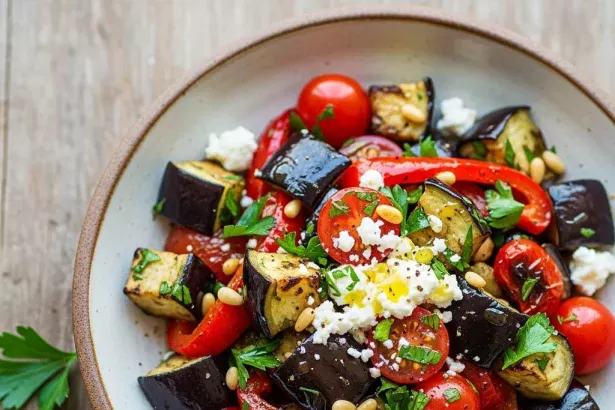
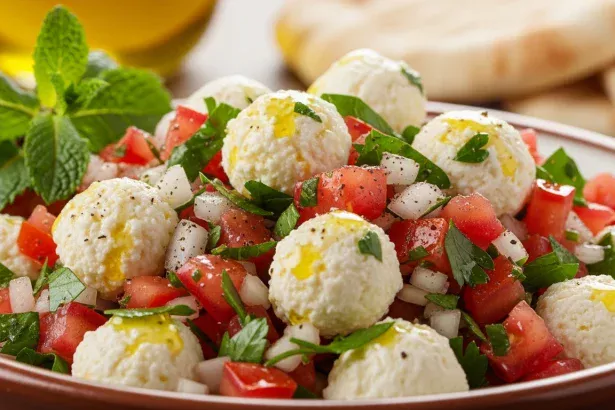
Spanakopita shines beautifully alongside customary Greek sides. Serve it with a fresh Greek salad bursting with ripe tomatoes, crisp cucumbers, kalamata olives, and tangy olives drenched in herbaceous olive oil. A side of creamy tzatziki adds cool contrast, while warm pita bread complements the textures and flavors. Garnish with a sprinkle of fresh dill or a wedge of lemon for brightness.
| nutrient | Per Serving (approx.) |
|---|---|
| Calories | 320 |
| Protein | 10g |
| Carbohydrates | 35g |
| Fat | 15g |
Discover even more about the rich world of Greek cuisine in our Greek recipes collection. For deeper historical context on Mediterranean culinary traditions, visit Britannica: Greek Cuisine.
Q&A
Q&A: Spanakopita Unveiled – The Greek Spinach Pie Tradition
Q: What exactly is spanakopita?
A: Spanakopita is a savory Greek pie, famously known as the “spinach pie”. It’s a harmonious layering of flaky phyllo dough, tender spinach, creamy feta cheese, fresh herbs, and a touch of olive oil, baked to golden perfection. This dish is a beloved staple in Greek households and a symbol of Mediterranean comfort food.
Q: Where does spanakopita come from?
A: The roots of spanakopita run deep in Greek culinary history, tracing back to ancient times. While its exact origin is a blend of myth and tradition, it flourished especially during the Byzantine era. Today, spanakopita is an emblem of greek cuisine, found in street markets, family kitchens, and festive tables across Greece.
Q: What makes spanakopita different from other spinach pies or quiches?
A: Unlike quiches, spanakopita features incredibly thin, crispy phyllo layers that create a delicate crunch. The filling strikes a unique balance-earthy spinach mingles with tangy feta, fragrant dill, and sometimes a kiss of green onion or parsley. This combination gives spanakopita its distinctive Greek flavor, setting it apart from spinach pies worldwide.
Q: Is spanakopita only made with spinach?
A: While spinach is the star, traditional recipes occasionally include other greens like leeks, chard, or sorrel, depending on seasonal availability and regional preferences. However, the classic spinach-and-feta duo remains the hallmark of authentic spanakopita.
Q: How is spanakopita traditionally prepared?
A: Preparation is an art form involving multiple layers of buttery phyllo sheets brushed with olive oil or melted butter. The spinach filling is first sautéed to remove excess moisture, mixed with crumbled feta and fresh herbs, than carefully layered between sheets of phyllo. The pie is then baked until the layers become crisp and golden, creating a lovely contrast with the soft, flavorful filling.
Q: Can spanakopita be served in different ways?
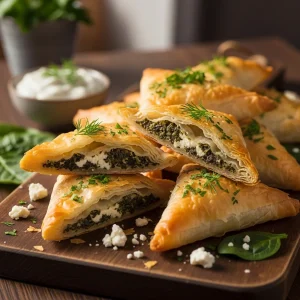
A: Absolutely! Spanakopita shines as a main dish, snack, picnic treat, or appetizer. it can be served warm or at room temperature, sliced into triangles or squares.In Greece, smaller hand-held versions called “spanakopitakia” are popular as street food, perfect for on-the-go indulgence.
Q: What cultural significance does spanakopita hold in Greece?
A: Beyond its deliciousness, spanakopita embodies Greek hospitality, family tradition, and resourcefulness. It’s frequently enough made during holidays, family gatherings, and village festivals, uniting generations through the shared experience of rolling phyllo and stirring fragrant greens. This pie tells a story of simple ingredients transformed into something extraordinary.
Q: Are there any modern twists on spanakopita?
A: Creativity is alive and well! Contemporary chefs experiment with ingredients like kale, ricotta, or even vegan cheeses, while some add nuts or pine nuts for texture. Gluten-free phyllo alternatives and mini tart versions cater to diverse dietary needs-all while honoring the essence of the classic pie.
Q: How can someone outside Greece best enjoy spanakopita?
A: To truly embrace spanakopita’s spirit, use quality olive oil, fresh spinach, and authentic Greek feta if possible. Pair it with a crisp Greek salad. And most importantly, share it with friends and family, the Greek way of savoring every flaky, cheesy bite.
Q: Any final tips for making the perfect spanakopita at home?
A: Patience is key! Handle phyllo with care, keep sheets covered to prevent drying out, and brush each layer with oil to ensure flakiness. Cook the spinach filling well to avoid sogginess and season generously. And don’t rush the bake; a golden crust is worth the wait. Then, sit back and relish a slice of Greek tradition, right from your kitchen.
to sum up
As the golden layers of spanakopita come to a close, we find ourselves not just savoring a dish, but embracing a slice of Greek heritage. This humble spinach pie, with its flaky phyllo crust and hearty filling, is more than a recipe, it’s a story folded into every crispy layer, a celebration of nature’s bounty and culinary artistry passed down through generations. Whether enjoyed in a bustling athenian taverna or recreated in your own kitchen, spanakopita invites us to partake in a timeless tradition, where flavor and culture intertwine in perfect harmony. So next time you bite into that delicate pastry, remember: you’re tasting history, love, and the enduring spirit of Greece itself.