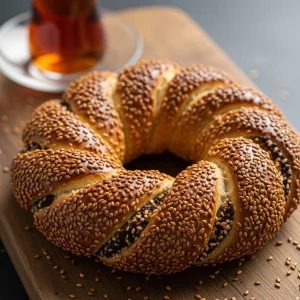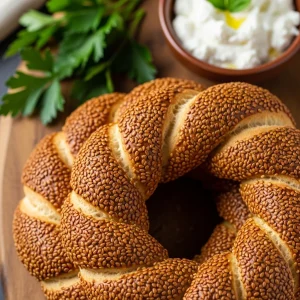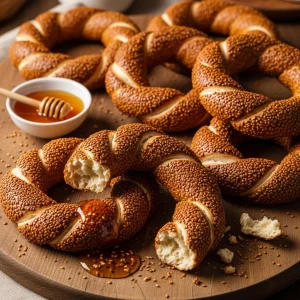

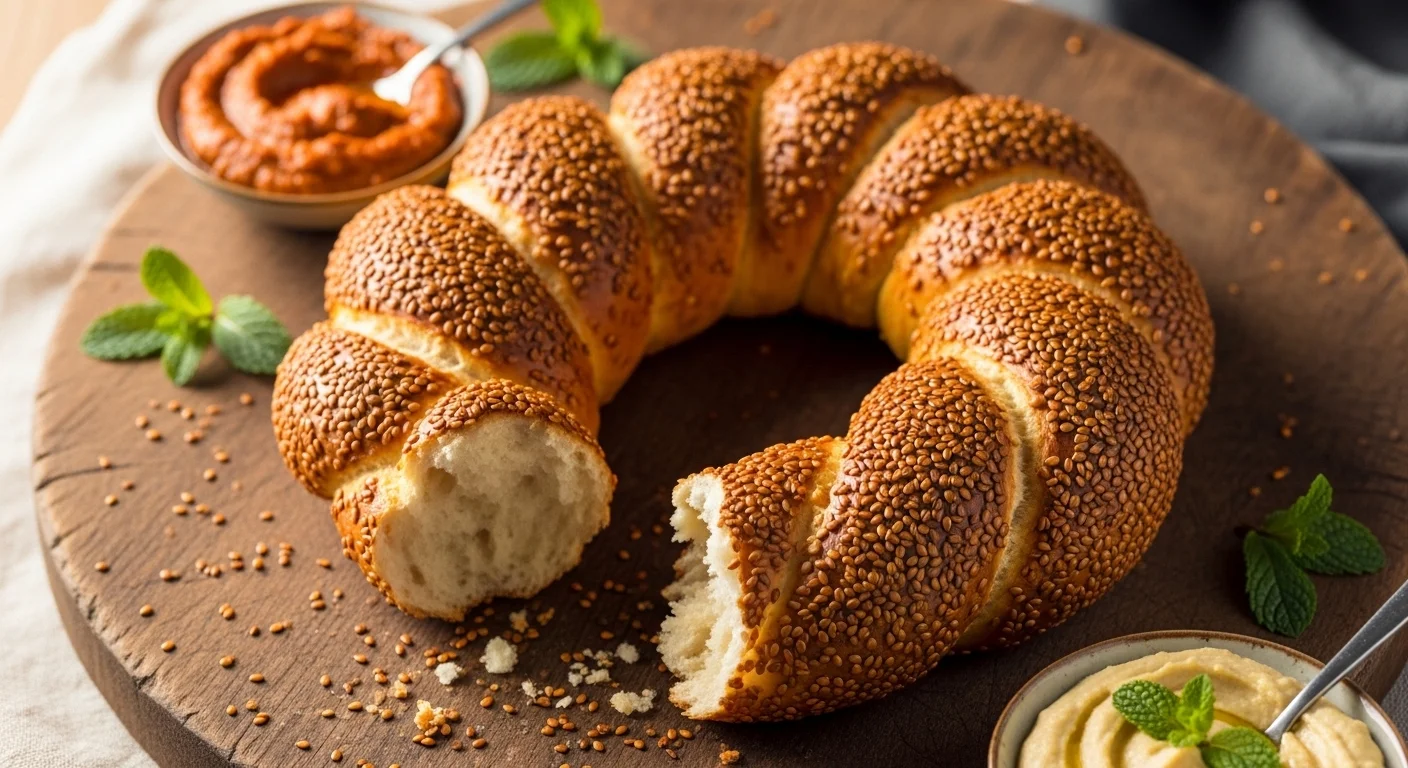
Golden, crunchy, and generously sprinkled with sesame seeds, simit is more than just a popular street snack in Turkey, it’s a cultural icon baked into the rhythm of daily life. This circular, doughy delight, often enjoyed fresh from bustling city corners or alongside a steaming cup of Turkish tea, tells a story of tradition, community, and centuries-old culinary artistry. In this article, we’ll journey through the origins, variations, and irresistible charm of simit, inviting you to savor the essence of Turkey’s beloved sesame-crusted treasure.
Savoring Simit invites you on a sensory journey into Turkey’s bustling streets, where the irresistible aroma of freshly baked sesame-crusted rings fills the air. This beloved snack, often nicknamed the “Turkish bagel”, has enchanted locals and travelers alike for centuries. Each bite reveals a perfect harmony of a crunchy, golden crust layered in toasted sesame seeds and a soft, chewy interior, an artisanal creation steeped in rich history and vibrant culture.
The Art of Perfecting Simit’s Crispy Sesame Crust
Mastering the signature crispiness of simit’s sesame crust requires patience, the right technique, and quality ingredients. Traditionally, the dough is dipped into a mixture of water and molasses before being rolled in toasted sesame seeds-a process that creates that glistening, caramelized exterior. Achieving this balance at home is a rewarding experience, and once you perfect it, each simit bakes into a tantalizingly crispy delight with a fragrant sesame crunch.
Pairing Simit with Traditional turkish Teas and Spreads
No simit experience is complete without a steaming glass of Turkish tea. The robust, slightly bitter notes of black tea perfectly complement simit’s nutty sweetness and texture. Accompany your simit with classic spreads such as creamy kaymak (clotted cream), tangy white cheese, ripe tomatoes, or a dollop of honey for an authentic breakfast or afternoon snack. The simplicity of these pairings elevates the humble simit into an unforgettable culinary moment.
Where to Find the Most Authentic Simit in Turkey
While simit is sold throughout Turkey, some regions and bakeries stand out for preserving age-old recipes and baking methods. Istanbul’s Eminönü district is legendary, where street vendors skillfully toss fresh simit from baskets on their heads to eager customers. In cities like Ankara and Izmir, simit variations exist, but the classic sesame crusted version remains king. For the adventurous, exploring local markets and watching bakers shape and bake simit fresh offers a genuine taste of Turkish culture.
Prep and Cook Time
- Prep Time: 20 minutes
- Rise Time: 1 hour 30 minutes
- Cook Time: 15 minutes
Yield
8 medium-sized simits (serves 4-6)
Difficulty Level
Medium – requires dough handling and baking skills
Ingredients
- 4 cups all-purpose flour, sifted
- 1 ½ tsp instant dry yeast
- 1 ¼ cups warm water (110°F/45°C)
- 2 tbsp granulated sugar
- 1 tsp salt
- ½ cup grape molasses (pekmez) or substitute pomegranate molasses
- ½ cup warm water (for molasses dip)
- 2 cups toasted sesame seeds
- 2 tbsp vegetable oil (for dough and baking sheet)
Instructions
- Activate the yeast: in a large bowl, combine the warm water, sugar, and yeast. Stir gently and let sit for 5-7 minutes until foamy.
- Make the dough: Add the flour, salt, and vegetable oil to the yeast mixture. Knead for 8-10 minutes by hand or with a mixer fitted with a dough hook until smooth and elastic.
- Let the dough rise: Cover the bowl with a damp cloth and place it in a warm spot for 1 hour or until doubled in size.
- Prepare the molasses dip: In a wide shallow bowl, mix the grape molasses and ½ cup warm water until well combined.
- Toast the sesame seeds: Heat a dry skillet over medium heat. Add sesame seeds and toast, stirring constantly, until golden and aromatic-about 3-5 minutes. Set aside to cool.
- Shape the simits: Punch down the risen dough and divide it into 8 equal portions. Roll each piece into a long rope, about 18 inches in length. Fold in half, twist the two ends together, then join the ends to form a ring.
- Dip and coat: Dip each dough ring first into the molasses mixture, then instantly roll it in toasted sesame seeds until fully coated. Use your hands gently to press seeds onto the dough for a thick crust.
- Second rise: Place coated simits on a greased baking sheet, cover loosely, and let them rise for 20-30 minutes until slightly puffed.
- Bake to perfection: Preheat your oven to 450°F (230°C). Bake the simits on the middle rack for 12-15 minutes until beautifully golden and crispy.
- Cool and serve: Transfer to a wire rack to cool slightly before serving warm or at room temperature.
Tips for Success
- For an even crisper crust, brush simits with a little extra molasses, water mixture just before baking.
- Grape molasses is traditional, but pomegranate or date molasses create lovely flavor variations.
- If you don’t have instant yeast, substitute with active dry yeast and allow an extra 10 minutes for proofing.
- Make simit dough a day ahead; refrigerate after the first rise for deeper flavor development and easier shaping.
- Use a kitchen scale for accuracy in flour and water measurements for consistent results.
Serving Suggestions
Serve warm simit alongside a steaming glass of very strong Turkish black tea in tulip-shaped glasses, garnished with thin slices of fresh cucumber and juicy tomato wedges. Complement with creamy white cheese (beyaz peynir), honey, or thick Turkish yogurt. For an afternoon treat, pair with homemade eggplant spread (şakşuka) or silky hummus, balancing the nutty crust with rich, tangy flavors.
| Nutrient | Per Simit (Approx.) |
|---|---|
| Calories | 290 kcal |
| Protein | 8 g |
| Carbohydrates | 52 g |
| Fat | 6 g |
Ready to explore more Turkish breads and street food culture? Check out our homemade pide recipe for another iconic Turkish delight that pairs wonderfully with simit.
Q&A
Q&A: Savoring Simit – Turkey’s iconic Sesame-Crusted Delight
Q1: What exactly is simit?
A1: Simit is a circular bread, often described as a sesame-crusted bagel’s rustic cousin from Turkey. It’s characterized by a golden-brown crust generously encrusted with toasted sesame seeds, and a chewy, slightly airy interior. This beloved street snack is both humble and iconic, a staple that graces breakfast tables and corner carts alike.
Q2: How did simit come to hold such a special place in Turkish culture?
A2: Simit’s roots trace back centuries, weaving through the bustling bazaars and narrow streets of Ottoman Istanbul. It became not just a food, but a social ritual, sold by vendors with distinctive cries, shared among friends sipping çay (Turkish tea). Its affordability made it a unifying snack across all classes, embedding simit deeply into Turkey’s culinary identity.
Q3: What makes simit different from other ring-shaped breads like bagels or pretzels?
A3: Unlike bagels, which are boiled before baking, simit is briefly dipped in a mixture of water and molasses (grape or carob syrup) that gives its crust a unique shine and subtle sweetness before being rolled in sesame seeds and baked. Compared to pretzels, simit is less dense and lacks the distinctive salty crust; it strikes a perfect balance between crisp exterior and tender crumb.
Q4: How is simit traditionally enjoyed?
A4: The classic simit experience pairs the sesame-crusted bread with a slab of white cheese (beyaz peynir), fresh tomatoes, cucumbers, and a glass of hot, strong Turkish tea.It’s a breakfast ritual that nourishes both body and soul. Some enjoy it plain on the go, while others embrace it dipped into thick yogurt or alongside olives and honey for a melodic harmony of flavors.
Q5: Can simit be found outside Turkey?
A5: Absolutely! Simit’s popularity has blossomed worldwide, notably in countries with Turkish communities.Artisan bakeries and street vendors in major cities from Berlin to new York now offer their own takes on simit, sometimes infusing it with new flavors or serving it as a gourmet sandwich base. Yet, authentic simit remains best savored in its native streets, fresh from the oven, where tradition and aroma mingle.
Q6: Are there variations of simit within Turkey?
A6: Yes, regional nuances add flavorful twists. As an example, in Antalya, simit is often larger and sometimes sprinkled with nigella seeds instead of just sesame. In some regions, it’s made with whole wheat flour, which gives a nuttier taste and a denser bite. While the core essence stays consistent, these subtle differences reflect Turkey’s diverse culinary landscape.
Q7: How can someone try making simit at home?
A7: Making authentic simit at home is a rewarding challenge. The key lies in the molasses dip for that signature glaze and in mastering the gentle yet firm chewiness of the dough. Many recipes guide bakers through shaping the dough into perfect rings, dipping in the syrup bath, then rolling in sesame seeds before baking until golden. Pair your fresh simit with warm tea and experience a slice of Turkey right in your kitchen.
Q8: Why does simit continue to captivate new generations?
A8: Simit’s enduring charm is its simplicity and versatility, comforting yet vibrant, it bridges past and present. In a fast-paced world, this humble sesame ring offers a moment of pause and connection, a taste of tradition that invites sharing and storytelling. It’s a timeless embrace in the form of bread, inviting everyone to savor a little piece of Turkish culture.
To Conclude
As the final crumb of a warm, sesame-studded simit melts away, what remains is more than just the memory of a beloved Turkish treat-it’s a taste of history, culture, and communal joy. Whether enjoyed fresh from a bustling street cart in Istanbul or baked at home with a touch of personal flair, simit continues to bridge generations and continents alike. So next time you crave a snack that’s both simple and steeped in tradition, reach for a simit, Turkey’s iconic sesame-crusted delight that invites you to savor not just its flavor, but the stories baked within every bite.