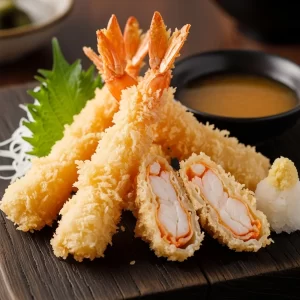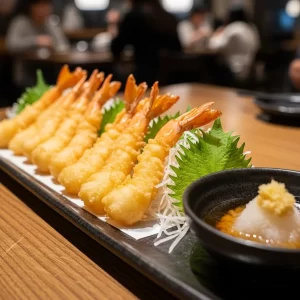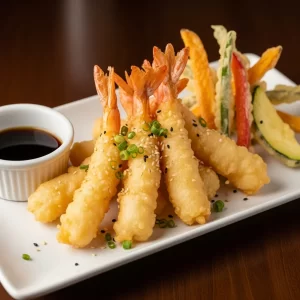

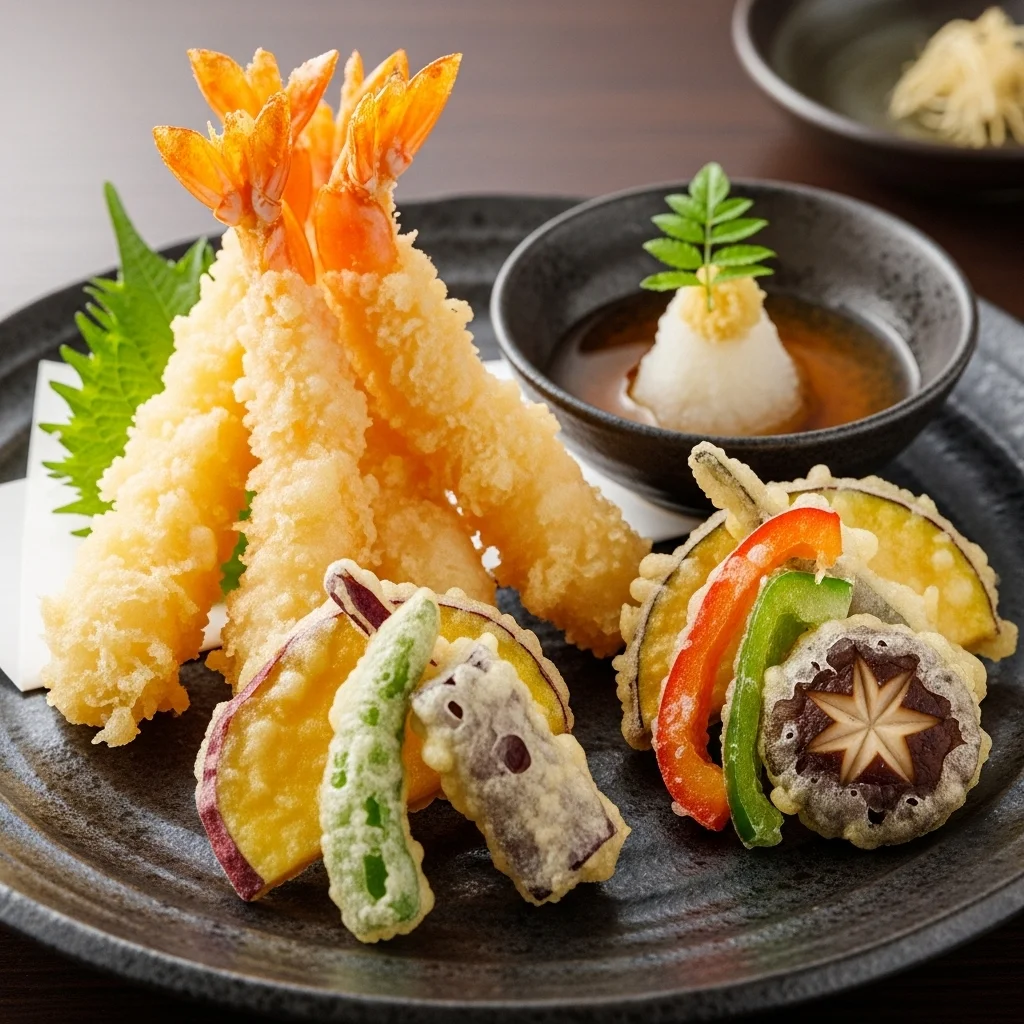
In the symphony of Japanese cuisine, few dishes capture the perfect harmony of texture and flavour quite like shrimp tempura. With its whispered crunch and delicate golden hue, shrimp tempura enchants the palate and invites a deeper appreciation of culinary artistry. But beyond its irresistible crispness lies a rich history-one that weaves together cultural exchange, time-honored techniques, and the evolution of a beloved classic. Join us as we peel back the layers of this crispy delight, exploring the art and origins of shrimp tempura, and uncovering the secrets that transform humble ingredients into a timeless masterpiece.
Exploring the Historical Journey of Shrimp Tempura From Japan to global Kitchens
Crispy Delight begins with an exploration of shrimp tempura’s interesting origins. Introduced to Japan by Portuguese missionaries in the 16th century, this delicate, deep-fried seafood treat quickly captured Japanese palates and was refined into the artful tempura we cherish today. The key to its worldwide popularity lies in that harmonious marriage of a light, airy batter enveloping succulent shrimp, creating a sublime textural contrast that has transcended cultures.
Growing up near the coast, I remember the aromatic wafts from street vendors expertly frying tempura-each bite an exquisite balance of crispness and tenderness. This dish isn’t just food; it’s a party of precise technique and simple ingredients coming together to delight the senses. As shrimp tempura journeyed beyond Japan’s shores, chefs worldwide embraced and adapted its charming essence, ensuring it remains a highlight in global kitchens.
Prep and Cook Time
- Planning: 15 minutes
- Cooking: 10 minutes
- Total time: 25 minutes
Yield
Serves 4 as an appetizer or part of a full meal
Difficulty Level
Medium – requires attention to batter consistency and frying temperature
Ingredients
- 16 large shrimp, peeled and deveined, tails on
- 1 cup cake flour (or sifted all-purpose flour)
- 1 large egg
- 1 cup ice-cold sparkling water (to keep batter light)
- 1/2 teaspoon baking powder
- Vegetable oil or canola oil for deep frying
- Salt for seasoning
- Optional: finely grated ginger or a pinch of matcha powder for subtle flavor twists
Instructions
- Prepare the shrimp: Gently pat shrimp dry with paper towels. To prevent curling, make 3 small shallow cuts along the underside of each shrimp and lightly stretch them straight.
- Make the batter: In a bowl, lightly beat the egg, then add ice-cold sparkling water. Slowly sift in the cake flour and baking powder. Stir gently with chopsticks or a fork-do not overmix. A few lumps are perfect; over-beating activates gluten, making the batter heavy.
- Heat the oil: Fill a deep pot with at least 2 inches of oil and heat to 350°F (175°C). Use a thermometer to maintain the temperature for even frying.
- Coat and fry: Quickly dip each shrimp into the batter, letting the excess drip off. Carefully lower into hot oil, frying 3-4 pieces at a time to avoid overcrowding. Fry until golden and crisp, about 2-3 minutes.
- Drain and season: Remove tempura with a slotted spoon and place on paper towels to drain excess oil. Lightly sprinkle with salt while still hot for enhanced flavor.
Tips for Success
- Keep ingredients cold: Use chilled water and batter to ensure maximum crispiness.
- Avoid overmixing batter: Lumps create that iconic delicate texture.
- Maintain proper oil temperature: Too hot burns batter; too cool yields greasiness.
- Work swiftly: Batter loses its lightness if left sitting too long.
- For gluten-free option: Substitute cake flour with rice flour or a gluten-free blend for a similar crispy bite.
Serving Suggestions
Serve your shrimp tempura piping hot alongside a small bowl of tentsuyu dipping sauce, made from dashi, soy sauce, and mirin. Garnish with freshly grated daikon radish and a sprig of shiso or chopped green onions. Adding a wedge of lemon or a side of pickled ginger brings brightness that contrasts beautifully with the crisp fried texture.
For a fuller meal, arrange tempura over steamed rice or within a ramen bowl, and don’t forget a drizzle of Japanese mayo for a creamy counterpoint.
| Nutrient | Per Serving |
|---|---|
| Calories | 280 kcal |
| Protein | 22 g |
| Carbohydrates | 18 g |
| Fat | 12 g |
For more delightful Japanese recipes, check out our Japanese Cuisine Classics collection and deepen your culinary journey.
Q&A
Q&A: Crispy Delight – The Art and Origins of Shrimp Tempura
Q1: what exactly is shrimp tempura?
A: Shrimp tempura is a beloved Japanese dish featuring succulent shrimp lightly battered and deep-fried to golden, crispy perfection. The result is a delicate, airy crust encasing juicy shrimp that delivers a satisfying crunch with every bite.
Q2: Where did shrimp tempura originate?
A: While tempura is now synonymous with Japanese cuisine, its origins trace back to the mid-16th century when Portuguese missionaries introduced the technique of batter-frying to Japan. Over time, the Japanese perfected it into the light, crisp version we certainly know today, with shrimp tempura emerging as a standout favorite.
Q3: What makes the tempura batter so unique?
A: Tempura batter is a beautifully simple mixture-usually just cold water, flour, and sometimes egg-prepared with minimal stirring to keep it lumpy and light. This approach prevents gluten progress, resulting in an ultra-crispy coating that’s both tender and crunchy, capturing the essence of tempura’s artful texture.
Q4: How is shrimp prepared before frying?
A: Before frying, shrimp are cleaned, deveined, and often “butterflied” or gently stretched. This helps them cook evenly and maintain their straight shape, which ensures an elegant presentation. Some chefs even score the underside to prevent curling,turning each piece into a perfect crisp baton of deliciousness.
Q5: are there specific oils used in frying shrimp tempura?
A: Yes! Traditionally, tempura is fried in neutral, high-smoke-point oils such as sesame oil blended with vegetable oil. This combination imparts a subtle fragrance without overpowering the delicate flavors, while ensuring the batter crisps beautifully without absorbing excess oil.
Q6: How is shrimp tempura typically served?
A: Shrimp tempura can be enjoyed on its own with a dipping sauce-usually tentsuyu, a light blend of dashi, soy sauce, and mirin-or as part of tempura assortments alongside vegetables. It’s also a popular topping for soba or udon noodles, and a star ingredient in tempura donburi (tempura rice bowls).
Q7: What cultural meaning dose shrimp tempura hold?
A: More than just a dish, shrimp tempura embodies the harmony of simplicity and sophistication central to Japanese cuisine-respect for ingredients, mastery of technique, and an eye for aesthetic balance. It’s a culinary bridge blending foreign influence with native artistry, cherished across Japan and beyond.
Q8: Can shrimp tempura be made at home?
A: Absolutely! With fresh shrimp, cold batter, hot oil, and a little practice, home cooks can recreate this crispy delight. The key lies in maintaining cold batter and hot oil, frying in small batches, and serving the tempura immediately to savor its signature crispiness.
Q9: What tips can elevate homemade shrimp tempura?
A: Use ice-cold water for the batter, don’t overmix, keep the oil temperature steady around 170-180°C (340-360°F), and drain fried shrimp on a wire rack rather than paper towels to preserve crispness. Fresh, high-quality shrimp also make all the difference for juicy interior textures.
Q10: Why has shrimp tempura remained popular worldwide?
A: Shrimp tempura satisfies multiple desires at once-crisp texture, delicate flavor, visual appeal, and versatility. It’s a dish that’s approachable yet refined, adaptable for casual meals and fine dining alike. This timeless combination ensures its place on tables-and hearts-around the globe.
to Wrap It Up
As we peel back the layers of shrimp tempura’s crispy exterior, we uncover a story rich with history, culture, and culinary mastery. From its humble beginnings influenced by Portuguese techniques to its revered place on modern Japanese tables, tempura is more than just a dish-it’s a delicate balance of art and tradition. The perfect bite, golden and light, invites us to appreciate not only the skill involved but also the journey that brought this crispy delight to life. So next time you savor those airy, crunchy tempura crumbs, remember you’re tasting centuries of innovation and passion, woven together in every delectable morsel.