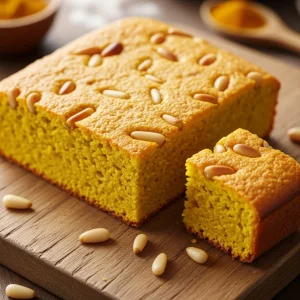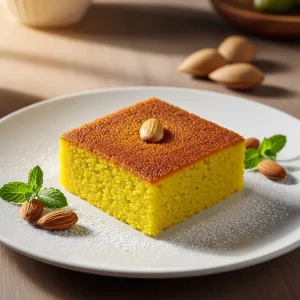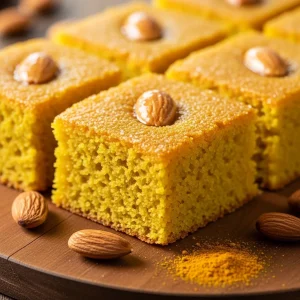

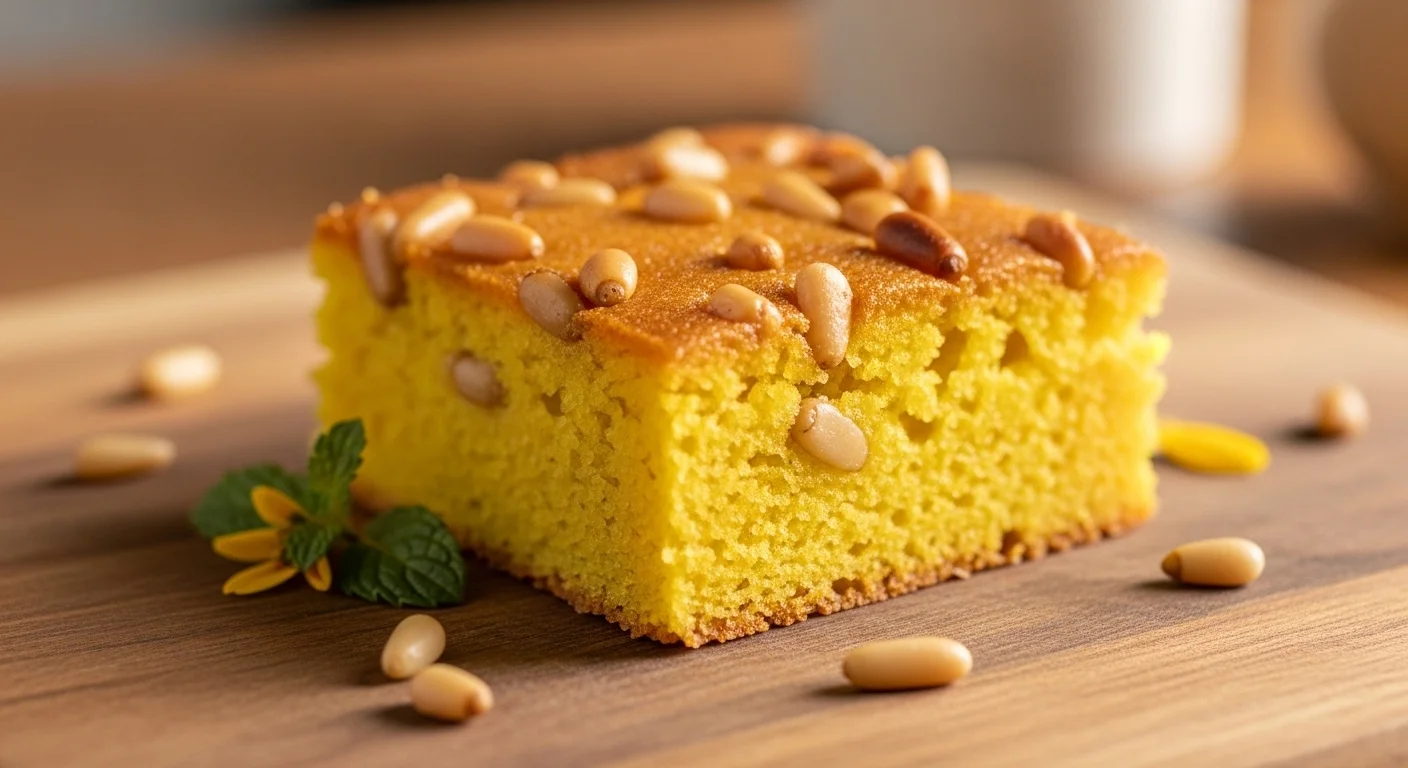
Golden, fragrant, and steeped in history, Sfouf is more than just a semolina cake; it is a beloved emblem of Lebanese heritage and hospitality. Often served during celebrations, family gatherings, or simple afternoon teas, this humble yet enchanting dessert carries stories whispered through generations. In this article, we journey into the heart of Lebanon’s culinary tapestry to unveil the secrets behind Sfouf, exploring its rich ingredients, cultural importance, and the timeless techniques that transform ordinary semolina into a golden slice of tradition.
Sfouf, Lebanon’s iconic golden semolina cake, carries centuries of aromatic history and cultural warmth in every bite. This beloved treat, frequently enough found on family tables during festive occasions and religious celebrations, embodies the essence of Lebanese hospitality. Its radiant yellow tone and distinctive flavor come from carefully selected ingredients that honor ancient traditions, making it a timeless staple that connects generations.
prep and Cook Time
- Preparation: 15 minutes
- Cooking: 35-40 minutes
- Total time: 50-55 minutes
Yield
Serves 8-10 generous square portions
Difficulty Level
Easy to Medium – perfect for adventurous beginners and experienced bakers alike
ingredients
- 2 cups fine semolina flour
- 1 cup all-purpose flour, sifted
- 1 ¾ cups granulated sugar
- 1 ¾ cups whole milk, warmed
- ½ cup vegetable oil (or melted unsalted butter for a richer flavor)
- 1 tablespoon turmeric powder – the golden secret coloring the cake
- 1 tablespoon baking powder
- 1 teaspoon anise seeds, lightly crushed
- 1 teaspoon ground turmeric (optional, for extra color and subtle earthiness)
- 1 teaspoon vanilla extract
- Almonds or pine nuts for garnishing
Step-by-Step Instructions to Master the Perfect Sfouf Texture
- Preheat your oven to 350°F (175°C). lightly grease a 9×13-inch baking pan with oil and dust lightly with semolina flour to prevent sticking and add texture to the base.
- In a large bowl, combine the semolina flour, all-purpose flour, granulated sugar, turmeric powder, baking powder, and anise seeds. Whisk thoroughly to ensure the golden turmeric is evenly distributed for a uniform color.
- Warm the milk gently until just shy of boiling; this encourages the sugar to dissolve perfectly and blends better with semolina’s coarse texture.
- Slowly add the warm milk and vegetable oil to the dry mix, stirring continuously with a wooden spoon or spatula until you achieve a smooth, thick batter. It should be thicker than cake batter but fluid enough to spread.
- Stir in the vanilla extract to infuse a sweet floral aroma that balances turmeric’s earthiness.
- Pour the batter evenly into the prepared pan, smoothing the top with a spatula. Tap the pan lightly on the counter to release air bubbles and settle the batter.
- Decorate the top with whole almonds or pine nuts in neat rows for that classic Levantine visual charm and a delightful crunch.
- Bake in the center rack for 35-40 minutes or until a toothpick inserted in the center comes out clean and the edges pull slightly from the pan.
- Allow to cool wholly before cutting to maintain the cake’s delicate crumb and avoid crumbling.
Expert Tips for Serving and Storing Sfouf to maximize Freshness and Taste
- Serve Sfouf warm or at room temperature, perfect alongside a cup of freshly brewed Lebanese coffee or mint tea.
- For an elevated presentation, dust with powdered sugar or drizzle lightly with orange blossom honey.
- Store tightly covered at room temperature for up to 3 days to retain moisture. For longer storage, refrigerate in an airtight container for up to one week; bring to room temperature before serving to revive softness.
- Freeze individual slices wrapped in parchment and foil for up to 2 months. Thaw overnight in the fridge or gently warm to enjoy fresh-baked texture.
- Swap vegetable oil with clarified butter (samneh) for a more authentic, rich depth reminiscent of traditional Lebanese kitchens.
- To enhance the texture, lightly toast the semolina before mixing for a nuanced nutty undertone that elevates your Sfouf.
Serving Suggestions
Garnish your Sfouf platter with a scattering of crushed pistachios for color contrast and crunch. A small dish of labneh drizzled with olive oil offers a creamy tang that pairs beautifully with the cake’s subtle sweetness. For special occasions, accompany with a side of fresh seasonal fruit like figs or pomegranate seeds to brighten the plate visually and palate-wise.
| Nutritional Info (per slice) | Calories | Protein | Carbs | Fat |
|---|---|---|---|---|
| Sfouf (approx. 100g) | 280 kcal | 5g | 40g | 10g |
Delve deeper into Middle Eastern sweets like Basalieh Baklava for a rich exploration of desserts. Learn more about turmeric’s culinary and cultural importance on this scientific overview from NIH.
Q&A
Q&A: Sfouf – Unveiling the Secrets of Lebanon’s Golden Semolina Cake
Q1: What exactly is Sfouf?
Sfouf is a beloved Lebanese dessert, a golden-hued semolina cake that carries the warmth of turmeric and the subtle sweetness of natural flavors. Often enjoyed during celebrations or as a comforting everyday treat, this cake is as much a symbol of Lebanese heritage as it is a culinary delight.
Q2: Why is Sfouf called the “Golden” semolina cake?
The cake earns its golden nickname primarily from turmeric, a key ingredient that imparts a vibrant yellow color reminiscent of sunshine. This cheerful hue sets Sfouf apart visually and hints at the earthy, slightly spicy undertones that turmeric brings to the flavor profile.
Q3: What are the main ingredients in Sfouf?
At its heart, Sfouf is made from semolina, turmeric, sugar, clarified butter (samneh), and pine nuts. Some traditional recipes add a touch of anise or orange blossom water, enriching the cake with aromatic layers, each ingredient harmonizing to create a moist, tender bite with a hint of nuttiness.
Q4: How does Sfouf differ from other Middle Eastern semolina cakes?
While many Middle Eastern semolina cakes rely heavily on floral waters or syrups, Sfouf distinctively celebrates turmeric’s vibrant essence, lending a warm, earthy character. Additionally, its texture strikes a balanced harmony, more crumbly than a classic basbousa but denser than a sponge cake.
Q5: Is Sfouf served plain or with accompaniments?
Traditionally, Sfouf is served plain, allowing the natural flavors and textures to shine. Tho, it pairs beautifully with strong black coffee or mint tea, offering a perfect balance between the cake’s mild sweetness and the bitter or refreshing notes of your drink.
Q6: What is the cultural significance of Sfouf in lebanon?
Sfouf often graces gatherings and special occasions, including birthdays and religious holidays. It symbolizes hospitality and familial warmth, passed down through generations with slight regional twists in recipes. Offering Sfouf is a gesture of welcoming and generosity in Lebanese homes.
Q7: Can Sfouf be made gluten-free?
Traditional Sfouf contains semolina, which is a wheat product, but modern adaptations can substitute fine ground almond flour or chickpea flour to achieve a gluten-free version. While the texture and taste shift slightly, the vibrant essence of turmeric and the cake’s comforting nature remains intact.
Q8: What tips can you share for making the perfect Sfouf at home?
Use good quality semolina for a tender crumb, and don’t skip the clarified butter, which gives the cake its rich, buttery depth. Toast pine nuts lightly before adding for an aromatic crunch. Bake until just set to keep it moist, and let it cool completely before cutting to maintain its structure.
Q9: Why is sfouf considered a ”secret treasure” of Lebanese cuisine?
Though simple and unpretentious, Sfouf carries an unexpected depth of flavor and history. Its radiant appearance belies humble ingredients, revealing a profound connection to lebanese culture and the art of elevating everyday meals into moments of joy-a secret to those who cherish authentic culinary heritage.
Q10: Where can one experience authentic Sfouf outside Lebanon?
Authentic Sfouf can often be found in Lebanese bakeries and specialty Middle Eastern cafes worldwide, especially in cities with vibrant Lebanese communities. For the truly adventurous, baking it at home can be a heartfelt voyage into the golden heart of Lebanon’s culinary soul.
To Wrap It Up
As the final crumb of Sfouf melts away, we’re left not just with the lingering sweetness of turmeric-spiced semolina, but with a deeper thankfulness for a dessert that carries Lebanon’s heritage with every bite. More than just a cake, Sfouf is a golden thread weaving together generations, celebrations, and the unspoken stories of a land rich in flavor and tradition. Whether enjoyed in a bustling Beirut café or recreated in your own kitchen, Sfouf invites you to savor a piece of Lebanon’s soul, simple, vibrant, and timeless. So next time you seek a taste of history wrapped in saffron hues, remember that in every slice of Sfouf lies a story waiting to be uncovered.