
In a world buzzing with endless to-do lists and digital distractions, finding a moment of calm can feel like chasing a delicate whisper in a storm.Enter rose tea-a timeless floral brew that not only enchants teh senses with its delicate aroma and subtle sweetness but also offers a wealth of health benefits waiting to be discovered. More than just a soothing sip, rose tea is nature’s gentle invitation to slow down, rejuvenate, and embrace wellness from the inside out. In this article, we unveil the secrets behind rose tea’s enduring allure and explore how this fragrant infusion has been cherished across cultures for its remarkable ability to nurture both body and mind. Whether your a tea aficionado or a curious newcomer, prepare to embark on a fragrant journey where petals meet purpose, and every cup holds a story of health and calm.
Rose tea unveiled is a timeless floral brew that has enchanted tea lovers across cultures for centuries. This delicate infusion, crafted from fragrant rosebuds and petals, invites you into a harmonious experience of taste and well-being. Originating from ancient Persia and gaining popularity through Chinese and Indian traditions, rose tea offers a sublime balance of floral sweetness and subtle tartness, evoking the freshness of a blooming garden. My personal journey discovering this tea began on a serene afternoon, where the soft aroma and calming qualities instantly transformed my ritual into a mindful moment of calm.
Prep and Cook Time
Preparation: 5 minutes Brewing: 5-7 minutes
Yield
1 serving (8 oz cup)
difficulty Level
Easy
ingredients
- 2 teaspoons dried rose petals (organic, pesticide-free preferred)
- 1 teaspoon loose green or black tea leaves (optional for strength)
- 1 cup filtered hot water (195°F to 205°F, just below boiling)
- 1 teaspoon raw honey or natural sweetener (optional)
- Fresh rosebuds or lemon slices for garnish (optional)
Instructions
- Heat filtered water to just under boiling (195°F to 205°F) to preserve the delicate floral notes.
- Place dried rose petals and tea leaves (if using) into a teapot or infuser.
- Pour hot water gently over the petals and leaves, allowing them to awaken fully.
- Steep the brew for 5-7 minutes; avoid over-steeping to prevent bitterness.
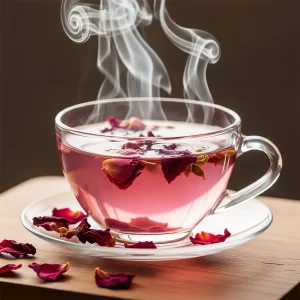
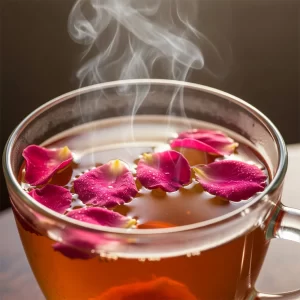
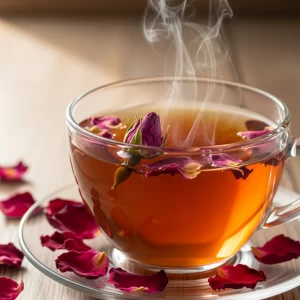
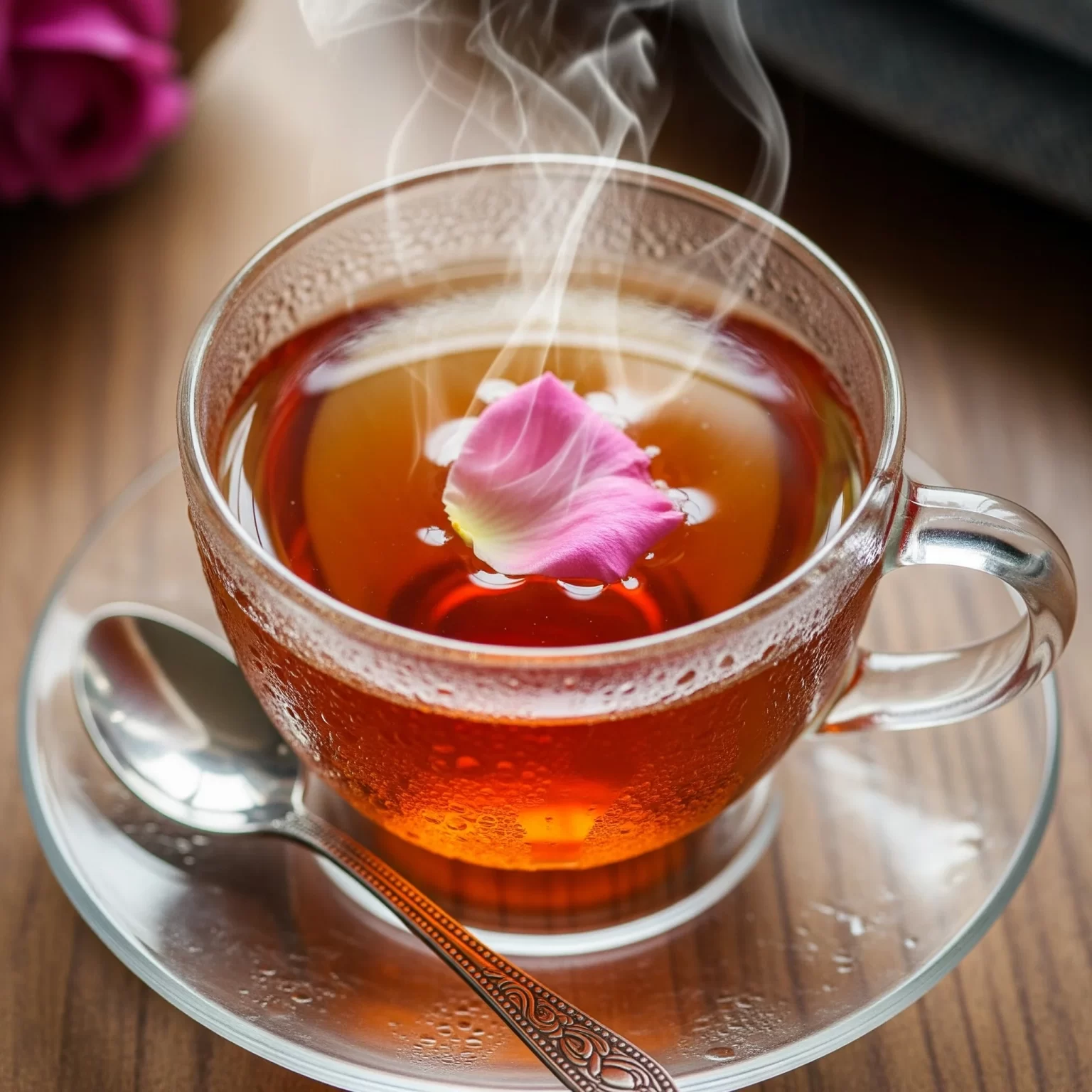
- Strain the tea into your favorite cup, watching the hue deepen into a gentle pinkish-gold.
- Add honey or your preferred sweetener sparingly to enhance the natural floral essence.
- garnish with fresh rosebuds or a thin lemon slice to elevate the scent and visual appeal.
Tips for Success
- For a more robust infusion, blend rose tea unveiled with light green tea leaves, balancing floral and grassy flavors.
- Use only high-quality organic dried petals to avoid bitterness and ensure purity.
- If you prefer caffeine-free, brew rose petals alone without tea leaves for a gentle, soothing sip before bedtime.
- To amplify aroma, gently crush dried petals before steeping to release oils.
- make ahead: brew a pitcher of rose tea unveiled, refrigerate, and enjoy iced garnished with fresh mint or citrus slices.
serving Suggestions
Present your rose tea unveiled in a clear glass teacup or pot to showcase its delicate coloration. Pair it with lightly baked floral desserts like lavender shortbread or almond biscotti. Pour over ice on warm days for a refreshing floral cooler, garnished with edible rose petals and a sprig of fresh mint.For an elegant afternoon ritual, serve alongside cucumber sandwiches and fresh berries to complement the tea’s graceful fragrance and flavor.
| Nutrient | Amount per Cup |
|---|---|
| Calories | 5 kcal |
| Protein | 0.1 g |
| Carbohydrates | 1.2 g (mainly from honey if added) |
| Fat | 0 g |
Explore more about harnessing the power of floral teas and their health-promoting qualities in our herbal teas and their benefits guide. For a scientific dive into rose tea’s antioxidant properties, visit this authoritative research.
Q&A
Q&A: Rose Tea Unveiled – Nature’s Floral Brew for Health & Calm
Q1: What exactly is rose tea?
A: Rose tea is a fragrant infusion made from the petals or buds of the rose flower, typically dried and steeped in hot water. Unlike the sweet syrups or rose-flavored drinks, this herbal tea captures the delicate, floral essence of roses, creating a soothing beverage that’s both aromatic and gentle on the palate.
Q2: Why has rose tea been treasured through the ages?
A: Roses have symbolized love and beauty for centuries, but beyond their allure, rose tea has been cherished in various cultures for its medicinal and calming properties. Ancient healers recognized the rose’s potential to uplift the spirit, soothe digestive woes, and refresh the skin, making rose tea a timeless elixir bridging beauty, health, and tranquility.Q3: What health benefits does rose tea offer?
A: Rose tea brims with antioxidants, notably vitamin C, which supports immune health and combats oxidative stress. It’s known to ease menstrual discomfort, improve digestion, reduce inflammation, and even promote hydration and skin health. Plus, it acts as a gentle relaxant, easing anxiety and promoting restful sleep.
Q4: How does rose tea contribute to calmness and relaxation?
A: the calming effect of rose tea lies in its soothing aroma and natural compounds that help lower cortisol levels-the body’s stress hormone. Sipping rose tea can be a mindful ritual, inviting a moment of peace as floral notes soften tension and foster mental clarity.Q5: Are all rose varieties suitable for making tea?
A: While many roses are edible, the best varieties for tea are organic, pesticide-free, and known for their fragrance and flavor, like Rosa damascena (Damask rose) or Rosa centifolia. Always ensure the petals are safe for consumption and harvested from trusted sources.
Q6: How do you prepare the perfect cup of rose tea?
A: To brew a delicate cup, steep about a tablespoon of dried rose petals or buds in hot (not boiling) water for 5-7 minutes. Strain and savor as is-or add a touch of honey, lemon, or complementary herbs like chamomile or mint to enhance the experience.
Q7: Can rose tea be combined with other herbs?
A: Absolutely! Rose tea pairs beautifully with a myriad of herbs, enriching both flavor and benefits. Try blending with lavender to deepen relaxation, hibiscus for a tart tang, or ginger for digestive support-a floral symphony tailored to your wellness needs.
Q8: Are there any precautions when drinking rose tea?
A: Though generally safe,those with allergies to roses or related plants should exercise caution. Pregnant or breastfeeding women should consult a healthcare provider before regular consumption. Also, moderation is key, as overindulgence could lead to mild digestive upset.
Q9: How can rose tea fit into a daily wellness routine?
A: Integrating rose tea into your day can be a gentle act of self-care-starting the morning with a warm cup to awaken the senses, or winding down in the evening to promote calm and restful sleep. Its versatility means you can enjoy it hot or chilled, making it a refreshing companion year-round.Q10: What makes rose tea a unique choice among herbal teas?
A: Rose tea offers a sensory journey unlike any other-its subtle fragrance evokes beauty and romance, while its tender flavor provides comforting hydration. Beyond taste, it embodies a holistic blend of ancient tradition and modern wellness, making each sip a festivity of nature’s artistry and healing power.
Wrapping Up
As the delicate petals of rose tea steep into a warm,fragrant brew,we uncover more than just a soothing beverage – we discover nature’s gentle remedy for the mind and body. From its centuries-old roots in customary medicine to its modern-day embrace as a symbol of calm and wellness, rose tea invites us to pause, breathe, and savor a moment of tranquility. Whether you seek relief, relaxation, or simply a floral escape, this enchanting infusion offers a timeless connection to the natural world’s healing artistry. so, next time you cradle a cup of rose tea, remember you’re partaking in a vibrant tradition where beauty, health, and calm blossom with every sip.