
Nestled in the vibrant tapestry of Indian cuisine lies a humble yet heroic ingredient, rajma, the beloved red kidney bean that has warmed countless hearts and homes across the subcontinent. More than just a staple in kitchens, rajma carries with it centuries of stories, traditions, and cultural meaning that extend far beyond its rich, comforting flavors. In “Rajma Revealed: The Heartwarming Legend of India’s Beloved Bean”, we embark on a flavorful journey through history, folklore, and the soul of Indian cooking, uncovering how this modest legume became an enduring symbol of nourishment, community, and love. Join us as we peel back the layers of this culinary legend and celebrate the bean that’s much more than just a dish.
Rajma Revealed: The Heartwarming legend of India’s Beloved Bean
Rajma, with its rich aroma and velvety texture, conjures memories of cozy family dinners and vibrant Indian street food stalls. Revered as a symbol of comfort and tradition, this kidney bean stew has journeyed across centuries, bringing warmth to millions of hearts and homes. Each spoonful tells a story of cultural pride and culinary mastery, inviting you to explore the deep heritage and soulful flavors of Rajma.
Prep and Cook time
- Planning: 15 minutes (plus overnight soaking)
- Cooking: 60 minutes
- Total Time: 1 hour 15 minutes (excluding soaking)
Yield
4 hearty servings
Difficulty Level
Medium – perfect for home cooks ready to embrace authentic Indian flavors with ease
Ingredients
- 1 cup rajma (red kidney beans), soaked overnight and drained
- 3 cups water for pressure cooking
- 2 tbsp ghee or vegetable oil
- 1 large onion, finely chopped
- 2 medium tomatoes, pureed
- 1 tbsp ginger-garlic paste
- 2 green chilies, slit (adjust to taste)
- 1 tsp cumin seeds
- 1 tsp coriander powder
- 1 tsp garam masala
- 1/2 tsp turmeric powder
- 1 tsp red chili powder
- 1 bay leaf
- Salt to taste
- Fresh coriander leaves, chopped for garnish
- A pinch of asafoetida (hing) (optional, aids digestion)
- Water as needed for consistency
Instructions
- Soak the rajma: Rinse the kidney beans thoroughly and soak them in enough cold water overnight (8-10 hours) for optimal softness and faster cooking.
- Pressure cook the beans: Drain the soaked rajma and transfer to a pressure cooker. Add 3 cups fresh water and the bay leaf. Cook on medium heat for about 25-30 minutes or 4-5 whistles until soft but intact. Keep aside the cooked beans along with their water.
- Prepare the tadka (tempering): Heat ghee or oil in a heavy-bottomed pan over medium flame. Add cumin seeds and let them sizzle. Introduce asafoetida if using, followed by chopped onions. Sauté until golden brown, about 7-8 minutes, stirring occasionally to build a rich base.
- Add ginger-garlic paste and green chilies: Cook until the raw smell disappears, about 2 minutes. Then pour in pureed tomatoes and cook until the oil starts separating, 6-7 minutes. This step ensures a deeply flavorful gravy.
- Incorporate spices: Stir in turmeric, red chili powder, coriander powder, and salt.Mix well and allow the spices to roast slightly, about 2 minutes, enhancing the dish’s aromatic depth.
- Combine rajma and gravy: Pour the cooked beans along with the cooking liquid into the masala base.Mix gently to preserve bean shape.
- Simmer the rajma: Add water if necessary to reach desired consistency. Cover and cook on low heat for 20-25 minutes, stirring occasionally.This slow simmer helps the flavors meld beautifully.
- Final seasoning: Sprinkle garam masala and stir gently. Cook for another 5 minutes.
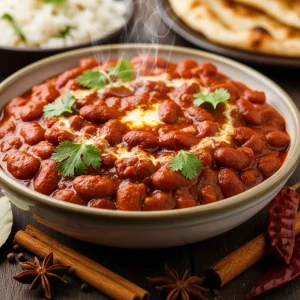
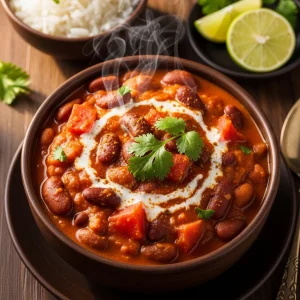
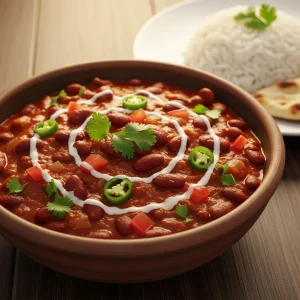
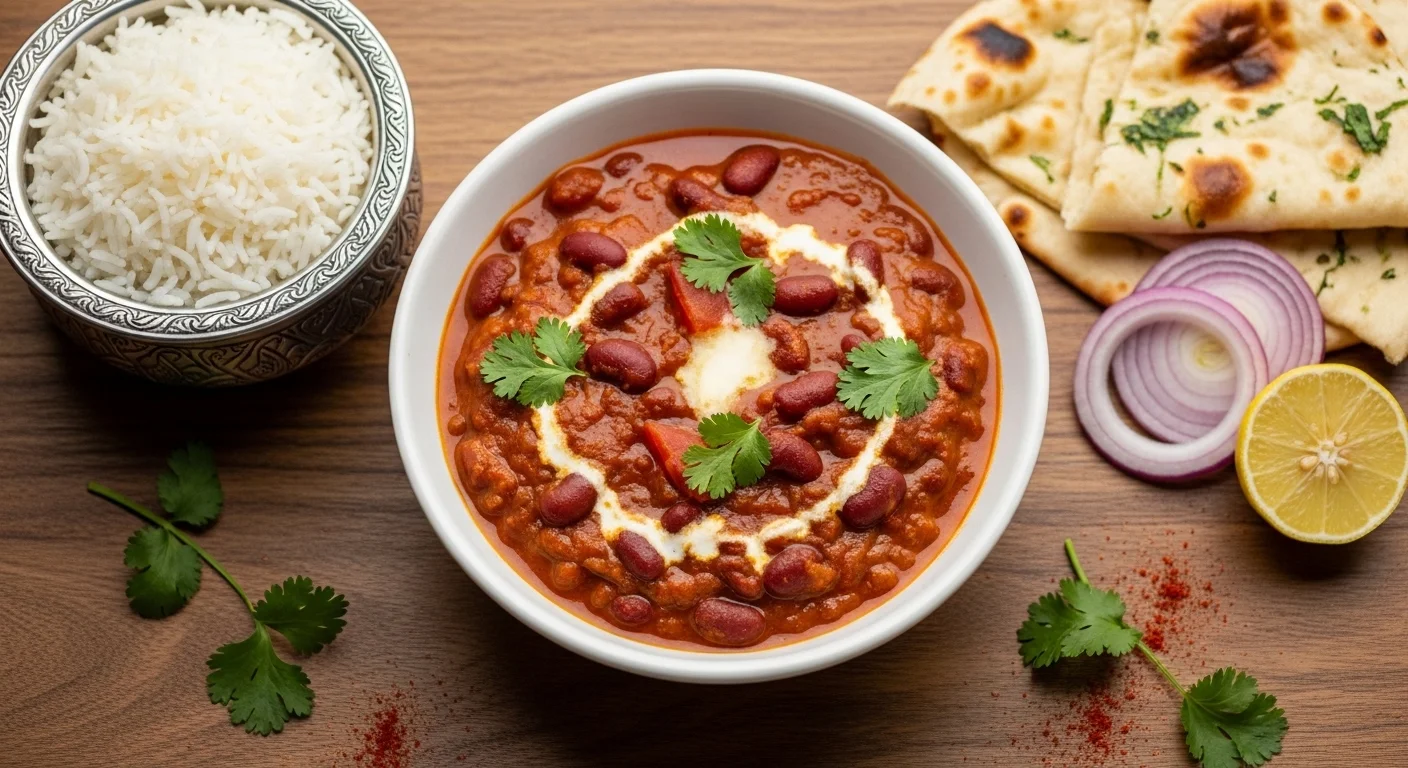
- Garnish and serve: Turn off heat and garnish with fresh coriander.serve hot with steamed basmati rice or naan for a heartwarming feast.
Tips for Success
- Quality rajma: Always choose plump, fresh kidney beans for a creamy texture and natural sweetness.
- Soaking is essential: It reduces cooking time and improves digestibility, unlocking the bean’s full nutritional potential.
- Patience pays: Slow simmering lets the beans absorb spices deeply; rushing this step compromises flavor.
- Adjust consistency: For thicker gravy, reduce water gradually in the last simmer; for a soupier version, add broth or water per preference.
- Make ahead: Rajma tastes even better the next day after flavors have melded-store refrigerated for up to 3 days or freeze for longer.
Serving Suggestions
Serve your Rajma in rustic clay pots or simple white bowls to highlight its vibrant colors. Pair with fragrant basmati rice for the classic comfort pairing. Garnish with a dollop of fresh yogurt or a squeeze of lemon juice to brighten flavors. Add a side of crunchy salad or papad for delightful texture contrast. For a festive touch, sprinkle finely chopped ginger or drizzle melted ghee atop before serving.
| Nutrient | Amount per Serving |
|---|---|
| Calories | 280 kcal |
| Protein | 15 g |
| Carbohydrates | 45 g |
| Fat | 6 g |
| Fiber | 13 g |
Innovative Twists to Elevate Your Rajma Experience
- smoky Rajma: Add a touch of smoked paprika or char roasted tomatoes to infuse a campfire aroma.
- Rajma Tacos: Swap traditional Indian sides for homemade corn tortillas, topped with rajma, fresh salsa, and zesty yogurt.
- Rajma & Quinoa Bowl: Combine cooked quinoa and rajma with fresh herbs, pomegranate arils, and a tangy mint chutney drizzle for a superfood meal.
- Rajma Patties: Mash cooked rajma with spices and binders to shape easy-to-fry patties, perfect for sandwiches or snacks.
- rajma Soup: Blend rajma stew until smooth, add cream and a hint of cumin for a silken, warming soup twist.
celebrating the essence of Rajma not only nourishes the body but also kindles a connection to India’s rich culinary tapestry-bringing generations together in every luscious spoonful.
For further insights into nourishing Indian staples, explore our Khichdi recipe and cultural guide. For nutritional science on legumes, visit the Healthline Beans Health Benefits.
Q&A
Q&A: Rajma Revealed – The Heartwarming Legend of India’s Beloved Bean
Q1: What exactly is Rajma, and why is it so beloved in India?
A1: Rajma is a dish made from red kidney beans simmered in a rich, spiced tomato gravy. Beyond being a comforting vegetarian staple, it holds a special place in Indian hearts-especially in north India-where its hearty, soulful flavors evoke memories of home, family, and festive gatherings. It’s the culinary equivalent of a warm hug on a rainy day, making it beloved across generations.
Q2: Where does the legend of Rajma come from?
A2: Legend has it that rajma’s roots trace back centuries, intertwined with the stories of rural communities who cherished its nourishing qualities. it is said that Rajma was once considered a humble bean, overlooked and underestimated. But through the loving care of home cooks and village chefs, it transformed into a dish symbolic of resilience, warmth, and togetherness, qualities that resonate deeply in Indian culture.
Q3: how did Rajma become a cultural icon in India?
A3: Rajma’s rise from humble origins to cultural icon is a tale of tradition and adaptation. As Indian families migrated within and beyond the subcontinent, they carried their Rajma recipes as culinary heirlooms.Its affordable ingredients and versatile nature made it a unifier across socioeconomic divides. Festive tables, everyday lunches, and even modern-day cafés celebrate Rajma as a taste of nostalgia and comfort.
Q4: Are there regional variations of Rajma across India?
A4: Absolutely! While the classic North Indian Rajma chawal (Rajma served with rice) is the most famous, regional tweaks abound. Some regions add a dollop of ghee for richness, others incorporate local spices or garnishes like fresh coriander and ginger. These subtle variations tell stories of local landscapes, spice traditions, and individual family secrets-each adding to the legend’s rich tapestry.
Q5: What makes Rajma an enduring symbol beyond its flavor?
A5: Rajma transcends taste; it symbolizes home, heritage, and hospitality. Serving Rajma is an expression of love and care, often reserved for guests and family reunions. Its warm, hearty nature reflects the generous spirit and resilience woven into Indian society. In a fast-changing world, Rajma remains a appetizing anchor to tradition and communal unity.
Q6: Can Rajma be enjoyed in modern, innovative ways?
A6: Indeed, Rajma’s versatility invites culinary creativity! Chefs are reinventing it in fusion tacos, hearty burgers, and even Rajma hummus, marrying tradition with contemporary flair. These innovations keep the legend alive and evolving, inviting new generations to savor the soulful bean’s magic in unexpected yet delightful ways.
Dive into Rajma’s story and savor not just a dish, but a heartfelt legacy simmered through centuries-where every bite tells a tale of India’s beloved bean.
Key Takeaways
As the aroma of simmering rajma fills kitchens across India, it carries more than just the promise of comfort and flavor-it carries a story, steeped in history and heart. From ancient fields where crimson beans once thrived to bustling modern tables bringing families together, rajma remains a steadfast symbol of tradition, nourishment, and warmth. By unraveling the legend behind this beloved bean, we not only savor its taste but also honor the rich tapestry of culture it represents. So, the next time you relish a steaming bowl of rajma chawal, remember, you’re partaking in a timeless tale that continues to unite generations, one spoonful at a time.