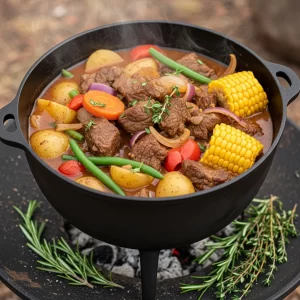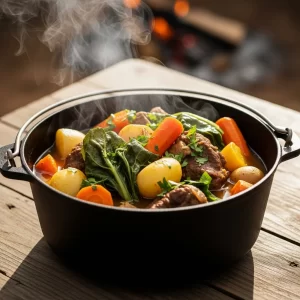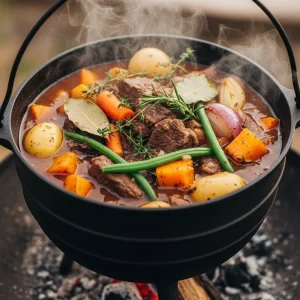

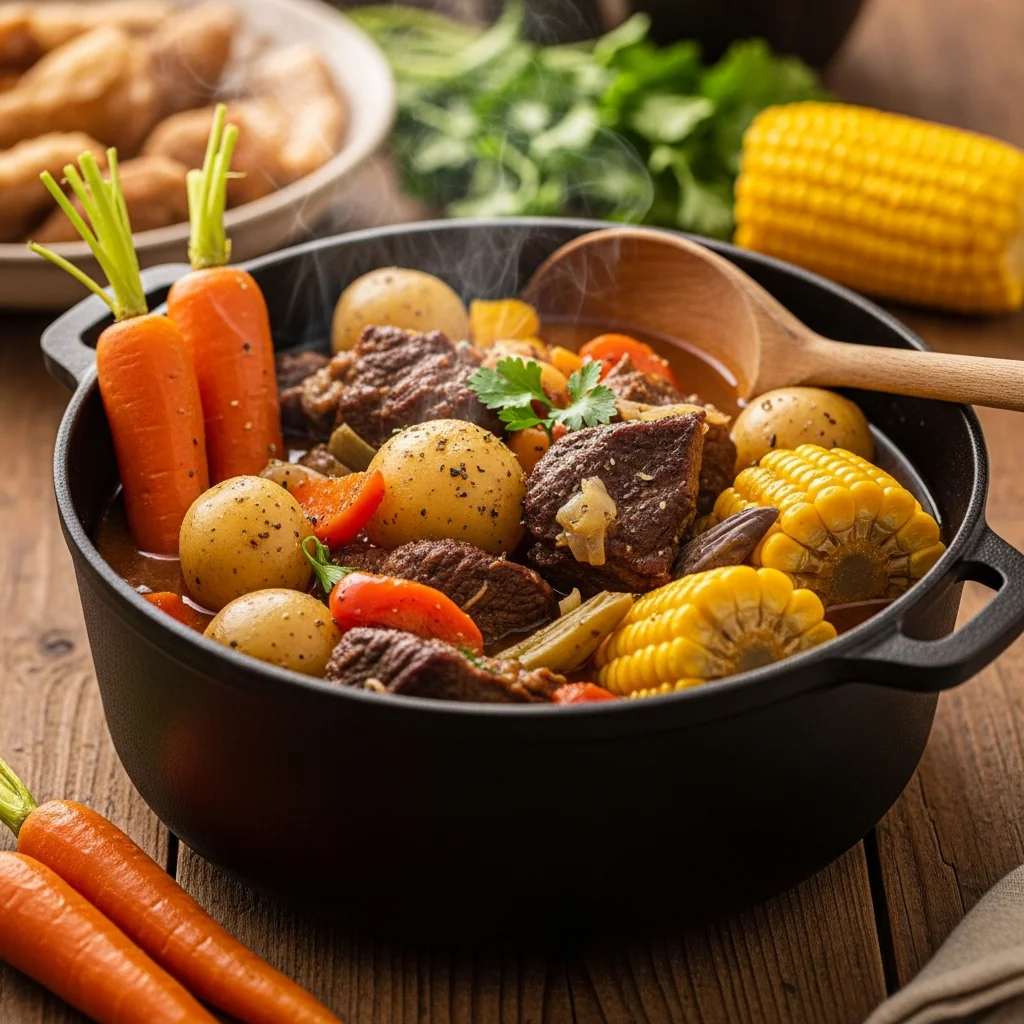
In the heart of South Africa’s vibrant culinary tapestry lies a dish that is much more than just a meal-it’s a living tradition steeped in history, community, and flavor. Potjiekos, pronounced “poy-key-kos,” translates to “small pot food,” and perfectly captures the essence of this slow-cooked stew prepared in a distinctive cast-iron pot over an open flame. More than a recipe, potjiekos is a ritual that brings people together, weaving stories and cultures as ingredients meld gently over hours. Join us as we explore the rich heritage, techniques, and enduring appeal of South Africa’s timeless stew tradition, uncovering how potjiekos continues to simmer at the crossroads of past and present.
Potjiekos is more than just a hearty stew; it’s a vibrant emblem of South African heritage that brings families and friends together around an open flame. Rooted deeply in Afrikaans culture and shaped by indigenous and settler traditions, this slow-cooked dish translates to “small pot food.” Originating from the practical use of cast-iron pots over outdoor fires, potjiekos melds diverse ingredients into a symphony of flavor, evoking nostalgia and communal warmth with every spoonful.
Prep and Cook Time
- Preparation: 30 minutes
- Cooking: 2 to 3 hours (slow and steady is key)
Yield
Serves 6-8 comfortably
Difficulty level
Medium - Requires attention throughout but yields notable results
Essential Ingredients
- 2 tbsp vegetable oil (sunflower or canola oil preferred)
- 1.5 kg beef chuck or lamb shoulder, cut into 3 cm cubes
- 3 large onions, sliced
- 4 cloves garlic, minced
- 3 medium carrots, peeled and cut into chunks
- 2 large potatoes, cubed
- 1 can (400g) chopped tomatoes
- 2 cups beef stock or water
- 2 tsp smoked paprika
- 1 tsp ground coriander
- 1 tsp freshly ground black pepper
- 1 tsp salt, to taste
- Fresh rosemary and thyme sprigs
- Optional: dried chili flakes or peri-peri for heat
Traditional Cooking Techniques for Authentic Flavor
The secret to an unforgettable potjiekos lies in layering flavors slowly and respecting the cast-iron pot’s unique properties. Begin by heating oil in a seasoned cast-iron pot over medium heat. Brown the meat in batches to seal in juices-don’t crowd the pot, allowing caramelization to develop a rich base flavor. After removing the meat, sautée onions and garlic until translucent and fragrant.
Layer the browned meat back in, adding carrots, potatoes, and canned tomatoes: this order ensures each component gently steams during the slow cooking.
Pour in beef stock just enough to almost cover the ingredients, but never stir-traditionally, potjiekos is cooked “slow and low” without stirring to preserve texture and layers. Cover the pot, reduce the heat to low, and let it gently simmer for 2 to 3 hours. Patience is key; slow cooking allows connective tissues in meat to break down, resulting in tender, melting bites bursting with robust flavor.
Step-by-Step Instructions
- Heat 2 tbsp oil in a cast-iron pot over medium heat until shimmering.
- Brown meat cubes in batches for 5-7 minutes each, ensuring a rich crust forms. Remove and set aside.
- Sauté onions and garlic in the same pot for about 5 minutes until soft and aromatic, stirring occasionally.
- Add carrots and potatoes to the pot in an even layer,then return the meat on top-this layering keeps flavors distinct.
- pour in canned tomatoes and beef stock, followed by smoked paprika, coriander, salt, and pepper. place rosemary and thyme sprigs on top.
- Cover pot and reduce heat to low. Simmer gently for 2-3 hours without stirring to allow flavors to harmonize and meat to tenderize.
- Check occasionally to ensure pot doesn’t dry out; add a splash of water or stock if needed but keep the liquid level low.
- Remove herbs before serving and adjust seasoning to taste.
Chef’s Notes & Tips for Success
- Meats: Experiment with lamb, venison, or chicken to tailor potjiekos to your preference.
- Vegetables: Add seasonal produce like pumpkin or green beans for added texture and color.
- Spices: Infuse additional warmth or smokiness using star anise or allspice-just a pinch keeps the traditional essence.
- Pot maintenance: Use a well-seasoned cast-iron pot to prevent sticking and develop deeper flavors with each use.
- Make-ahead: Potjiekos tastes even better the next day as flavors deepen; reheat gently over low heat.
Serving Suggestions: Pairing Potjiekos with Side Dishes and Beverages
to complete your potjiekos experience, complement the stew with traditional South African sides such as pap (a creamy maize porridge), crusty bread, or a fresh, tangy coleslaw. These mild sides help balance the stew’s rich, smoky profile.
For beverages, a robust red wine like Pinotage or Shiraz echoes the hearty depth of potjiekos, while freshly brewed rooibos tea offers a caffeine-free, earthy option that honors South African roots.
Tips for Hosting a Memorable potjiekos Gathering in Your Backyard
- Set the scene: Arrange seating around the cooking pot to recreate the intimate communal spirit of traditional potjiekos gatherings.
- Fire management: Use charcoal or hardwood coals to maintain consistent low heat, making sure to replenish coals gradually for steady cooking.
- Interactive cooking: Involve guests in layering ingredients and sharing stories to enhance the experience and build anticipation.
- Ambiance: Light string lights and serve South african music to evoke cultural warmth and festivity vibes.
- Serve family-style: Dish out potjiekos into shared bowls, encouraging conversation and connection over the meal.
| Nutritional facts (per serving) | Amount |
|---|---|
| Calories | 450 kcal |
| Protein | 38 g |
| Carbohydrates | 22 g |
| Fat | 18 g |
Discover more about South African cooking by visiting our guide on traditional braai methods. For a broader culinary context, explore the history of the cultural significance of South African food.
Q&A
Q&A: potjiekos – Exploring South Africa’s Timeless Stew tradition
Q: What exactly is Potjiekos?
A: Potjiekos (pronounced “poy-kee-kos”) is a traditional South African slow-cooked stew, named after the three-legged cast iron pot (“potjie”) in which it’s made. It’s a culinary treasure that simmers history, culture, and community into every bubbling pot, creating a soulful one-pot meal layered with flavors.
Q: Where did Potjiekos originate?
A: Potjiekos traces its roots back to the early Afrikaner settlers and indigenous communities of Southern Africa. These pioneers adapted to the rugged landscape and sparse resources by combining local ingredients with European cooking methods, crafting a hearty stew designed for open fires during long journeys and outdoor gatherings.
Q: What ingredients define a classic Potjiekos?
A: The beauty of Potjiekos lies in its versatility. Typically, it begins with a base of meat-game, beef, lamb, or chicken-paired with a medley of vegetables like potatoes, carrots, onions, and sometimes pumpkin or beans. Aromatics and spices, such as bay leaves, coriander, and a touch of chili, infuse the stew with rich, deep flavors, all gently melding during slow cooking.
Q: How does the cooking method set Potjiekos apart?
A: Unlike a typical stew where ingredients are stirred constantly, Potjiekos is a layered symphony. Meat is placed at the bottom of the pot, then vegetables added on top, allowing each element to steam and stew in its own juices. Over low open flames or coals, the pot’s lid is closed tightly, and the magic happens slowly-ofen over two to three hours-without stirring, which preserves the layers and texture.
Q: Why is Potjiekos considered more than just food in South African culture?
A: Potjiekos is a social ritual. It’s about connection-family, friends, and neighbors gathering around the fire, sharing stories, laughter, and the slow anticipation of a communal meal. It’s an experience that brings people together, celebrating heritage while indulging in the senses.
Q: Are there regional variations of Potjiekos?
A: Absolutely! Coastal regions might infuse seafood and fresh herbs, while inland areas favor game meat and root vegetables. Some potjies are spicy and robust, others mild and aromatic. Each pot tells a local story, shaped by available produce, traditions, and personal preferences.
Q: Can Potjiekos be made without a traditional potjie pot?
A: While the iconic cast iron potjie pot is ideal for authenticity-distributing heat evenly and holding moisture-home cooks can adapt by using heavy-bottomed Dutch ovens or slow cookers. The essence lies in layering and slow cooking to build complex, comforting flavors.
Q: What makes Potjiekos timeless in a modern culinary world?
A: Potjiekos embodies patience, community, and respect for ingredients, values that transcend fleeting food trends. In a fast-paced world, it invites us to slow down, savor the process, and connect-with each other and the earth. Its timeless appeal is a reminder that some traditions, like a well-stewed potjie, only get better with time.
Key Takeaways
As the last spoonful of potjiekos is savored and the embers of the fire glow softly into the night,one is reminded that this humble stew is far more than just a meal. It is a living thread in the vibrant tapestry of south African culture-an enduring ritual that brings people together, celebrates the art of slow cooking, and honors a heritage steeped in storytelling and community. Whether enjoyed around a crackling outdoor fire or recreated in a modern kitchen across the globe, potjiekos continues to invite us to slow down, share stories, and savor the rich flavors of tradition. In every bubbling pot lies a timeless invitation: to gather, to taste, and to connect with the heart of South africa’s culinary soul.