
In the bustling streets of Vietnam, where vibrant colors and tantalizing aromas dance through the air, one dish reigns supreme as a heartfelt emblem of tradition and comfort: pho. More than just a bowl of noodle soup, pho is a harmonious symphony of fragrant broth, tender slices of meat, fresh herbs, and delicate rice noodles-each element telling a story steeped in history and culture. “Pho: The soulful Essence of Vietnamese Cuisine” invites you on a flavorful journey beyond the steam rising from your bowl, exploring how this iconic dish embodies the spirit of Vietnam, nurtures the soul, and connects generations through every savory sip.
History and Cultural Roots of Pho: A Culinary Journey Through Time
Pho Unveiled: The Soulful Essence of Vietnamese Cuisine invites us too explore the rich heritage behind this iconic dish. Originating from the vibrant streets of northern Vietnam in the early 20th century, Pho quickly became a culinary symbol bridging rural traditions with urban life. Rooted in French colonial influence and indigenous Vietnamese flavors, Pho embodies a fascinating blend: the slow-simmered beef broth reminiscent of French consommé meets the fresh herbs and rice noodles of Southeast Asia. For many Vietnamese families, Pho is more than a meal – it’s a ritual that binds generations, often enjoyed during early mornings or celebratory occasions. This dish’s humble beginnings from street vendors have blossomed into a global phenomenon celebrated in cities worldwide.
Decoding the Perfect Pho broth: Ingredients and Techniques
Mastering the soul-stirring aroma and clarity of authentic pho broth is an art in itself. Achieving the perfect balance requires patience and precision. The backbone is beef bones simmered gently for hours, releasing natural gelatin and flavor, while charred spices like star anise, cinnamon, and cloves infuse warmth and complexity. The broth emerges as a clear, amber elixir – no cloudiness or overpowering saltiness. In our approach, the key steps include blanching bones to remove impurities, carefully roasting aromatic spices to elevate their fragrance, and slow boiling with gentle skimming to preserve purity. Incorporating fresh ginger and onions, blistered over an open flame, adds a smoky base note that defines classic Pho broth.
Prep and Cook Time
- Readiness: 30 minutes
- Cooking: 6 hours (primarily simmering)
- Total Time: 6 hours 30 minutes
Yield
- Serves 6 hearty bowls
Difficulty Level
- Medium – requires attention to simmering and seasoning, but accessible for most home cooks
Ingredients for the Broth
- 4 lbs beef marrow and knuckle bones, blanched
- 2 lbs beef brisket
- 1 large yellow onion, halved and charred
- 1 whole ginger root (about 4 inches), charred
- 5 star anise pods, toasted
- 3 cinnamon sticks, roasted
- 4 cloves, toasted
- 1 tablespoon coriander seeds, toasted
- 1/4 cup fish sauce
- 1 tablespoon rock sugar
- Salt, to taste
- 14 cups filtered water
Instructions
- Blanch the Bones: Place marrow and knuckle bones in a large stockpot, cover with cold water and bring to a boil. Boil vigorously for 10 minutes.
- Drain and Rinse: discard the water and rinse bones under running water to remove impurities and blood.
- Char Aromatics: On an open flame or under a broiler, char the onion halves and ginger root until blackened and fragrant.
- Toast Spices: In a dry pan, toast star anise, cinnamon, cloves, and coriander seeds just until aromatic (about 2 minutes), shaking frequently enough to avoid burning.
- Simmer Broth: Place cleaned bones, brisket, charred onion, ginger, and toasted spices into a large pot. Add 14 cups of filtered water and bring to a gentle simmer over medium-low heat.
- Skim Impurities: As the broth simmers, skim foam and fat from the surface every 30 minutes to keep broth clear and clean.
- Season and Simmer: After 4 hours, remove brisket and set aside. Add fish sauce and rock sugar, adjust salt to taste. Continue simmering bones for two more hours for depth.
- Strain broth: Carefully strain broth through a fine-mesh sieve or cheesecloth into a clean pot, discarding solids.
- slice Brisket Thin: When cooled slightly, slice brisket paper-thin to top your pho bowls.
Tips for Success
- Patience is key: Resist the temptation to rush – lingering low simmering develops complex flavors and natural clarity.
- Clear broth secrets: Regularly skim scum and avoid boiling which clouds the broth.
- Custom spice blend: Adjust spices like star anise and cinnamon based on personal preference for warmth or subtlety.
- Make-ahead magic: Prepare broth a day in advance, refrigerate overnight to allow fat to solidify on top for easy removal.
Essential pho Toppings and How to Customize Your Bowl
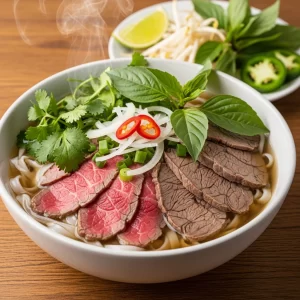
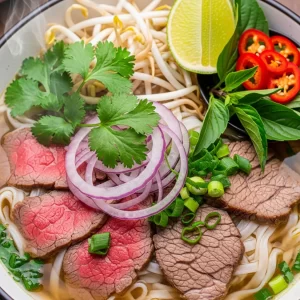
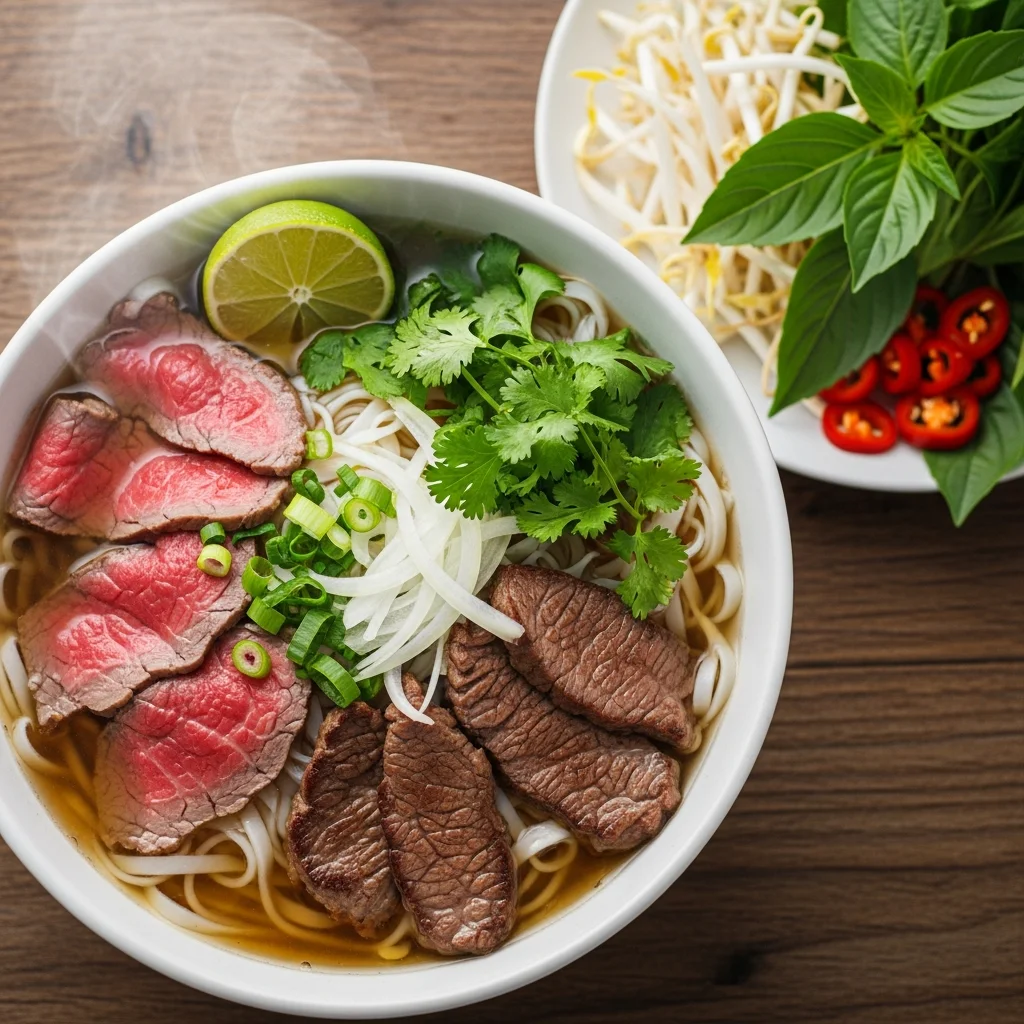
The sensory joy of pho lies not only in its broth but in its vibrant, fresh toppings layered with texture and flavor contrasts. Classic accompaniments include thinly sliced raw beef (tai) that cooks gently in the hot broth, tender brisket, and rice noodles with their subtly chewy bite. Shining herbs such as Thai basil, cilantro, and sawtooth coriander infuse fresh aroma, while crisp bean sprouts add refreshing crunch. Lime wedges inject citrus brightness, and sliced fresh or pickled jalapeños ignite a gentle heat. For adventurous palates, hoisin sauce and sriracha offer sweet and spicy customizations. Vegetarian and vegan versions often substitute beef broth with rich vegetable bases and tofu or seitan toppings, showcasing Pho’s versatile spirit.
Where to Find Authentic Pho Experiences Around the world
From Ho Chi Minh City’s buzzing market stalls to chinatown eateries in Los Angeles and Paris’s Vietnamese enclaves, Pho transcends borders as a beloved culinary ambassador. Authentic experiences shine brightest where passion meets heritage – small family-run restaurants frequently enough capture the true depth of pho’s soul, where recipes have been perfected over generations. Cities like Hanoi, Saigon, Houston, and Melbourne offer diverse interpretations that honor tradition while embracing innovation. For those unable to travel, many excellent online vendors supply quality bones and spices, inviting you to recreate this iconic dish at home. For deeper cultural context and variations, visit Vietnam Guide’s pho history, a trusted resource dedicated to Vietnamese cuisine.
Serving Suggestions
- Prepare individual bowls with hot rice noodles, layered brisket, and thin raw beef slices.
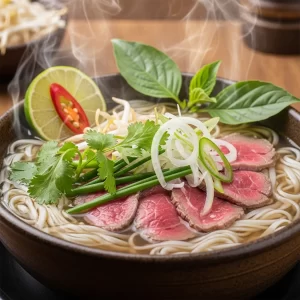
- Ladle steaming broth over the toppings, allowing the beef to cook gently in the heat.
- Garnish generously with fresh Thai basil, cilantro, bean sprouts, sliced green onions, and jalapeño.
- Serve with hearty lime wedges and hoisin-sriracha dipping sauces on the side for customizable zest.
| Nutrient | Per Serving (1 bowl) | Notes |
|---|---|---|
| Calories | 350 | Broth with beef and noodles |
| Protein | 30g | From beef and broth gelatin |
| Carbohydrates | 45g | Mainly rice noodles |
| Fat | 8g | From beef fat and marrow |
Ready to immerse in the soulful layers of pho? This deeply flavorful and fresh bowl promises comfort and excitement in every spoonful. For more insights and recipes on Vietnamese cooking, see our Vietnamese Cuisine Basics guide.
Q&A
Q&A: Pho Unveiled – The Soulful Essence of Vietnamese Cuisine
Q1: What exactly is Pho, and why is it considered the soul of Vietnamese cuisine?
A1: Pho is a fragrant, hearty Vietnamese noodle soup that combines clear beef or chicken broth, tender meat, rice noodles, and fresh herbs. It’s more than just a dish-it’s a culinary ritual that tells the story of vietnam’s history, culture, and communal spirit. Pho embodies simplicity and depth, capturing the soul’s warmth in every steaming bowl.
Q2: How did pho originate, and how has it evolved over time?
A2: Pho’s roots trace back to early 20th-century northern Vietnam, influenced by French colonial culinary traditions and regional Chinese flavors. Originally a street food staple, Pho has traveled across regions and continents, adapting in ingredients and presentation while retaining its iconic essence. Today, variations reflect the rich tapestry of Vietnamese regional identities and diaspora creativity.
Q3: What makes the Pho broth so special, and how is it made?
A3: The broth is the heart and soul of Pho-clear yet deeply flavorful, infused with star anise, cinnamon, cloves, charred onion, and beef or chicken bones simmered for hours. This meticulous slow-cooking process extracts a perfect harmony of sweetness, spice, and umami, giving Pho its signature warmth and complexity.
Q4: What are the essential components that complete a conventional bowl of Pho?
A4: Beyond the broth, a bowl of Pho features silky flat rice noodles (bánh phở),thinly sliced meat (often raw beef that cooks in the hot broth), and a vibrant garnish of fresh herbs like Thai basil, cilantro, and scallions. Lime, chili, and bean sprouts are served on the side, allowing each diner to tailor their own soulful experience.
Q5: Why is Pho more than just a meal to Vietnamese people?
A5: Pho is a symbol of home and togetherness. It’s often enjoyed during breakfast or family gatherings, serving as a comforting start to the day or a shared moment of connection. The ritual of preparing and savoring Pho reflects Vietnamese values of patience, harmony, and respect for tradition.
Q6: Can Pho be adapted for modern palates and dietary preferences?
A6: Absolutely! While traditional Pho honors its classic roots, chefs worldwide are experimenting with plant-based broths, choice proteins, and fusion flavors. Vegan Pho, for instance, uses rich mushroom and vegetable broth, preserving the dish’s soul while embracing contemporary dietary choices.
Q7: How can someone new to Pho fully appreciate its flavors?
A7: Approach Pho mindfully-first savor the broth on its own to appreciate its depth, then mix in fresh herbs, lime, chili, and sprouts to layer brightness and heat. Eating Pho is a sensory journey: the contrast of textures, the aroma of spices, and the warmth that fills both body and soul.
Q8: Where can one experience the most authentic Pho outside Vietnam?
A8: Authentic Pho flourishes in vietnamese communities worldwide-in bustling Chinatowns, specialized Vietnamese eateries, and even food markets. The key is seeking places where broth is lovingly simmered over hours, herbs are fresh, and the culture of care behind the bowl is palpable.
Pho is more than a dish-it’s a soulful embrace of Vietnamese heritage, a steaming vessel carrying centuries of stories, flavors, and heart. unlocking its essence is a delicious step into the vibrant world of Vietnam’s culinary soul.
Future Outlook
As the fragrant steam of a well-crafted bowl of Pho rises, it carries with it more than just the melding of herbs, spices, and broth-it carries the heartbeat of Vietnam itself. From bustling street stalls to cherished family kitchens, Pho tells a story of resilience, tradition, and communal warmth. To savor pho is to embrace a culinary journey that transcends mere nourishment, inviting us into the soulful essence of Vietnamese culture. Whether you’re a seasoned foodie or a curious newcomer, may each spoonful inspire a deeper recognition for this iconic dish and the rich heritage it proudly represents.