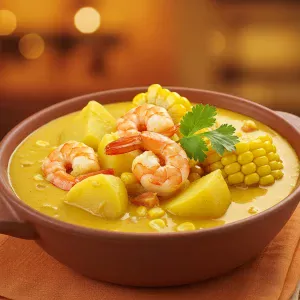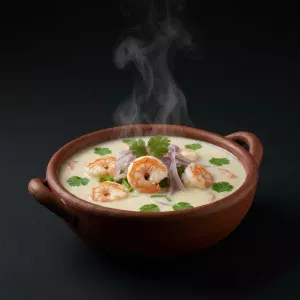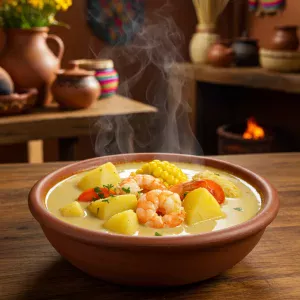

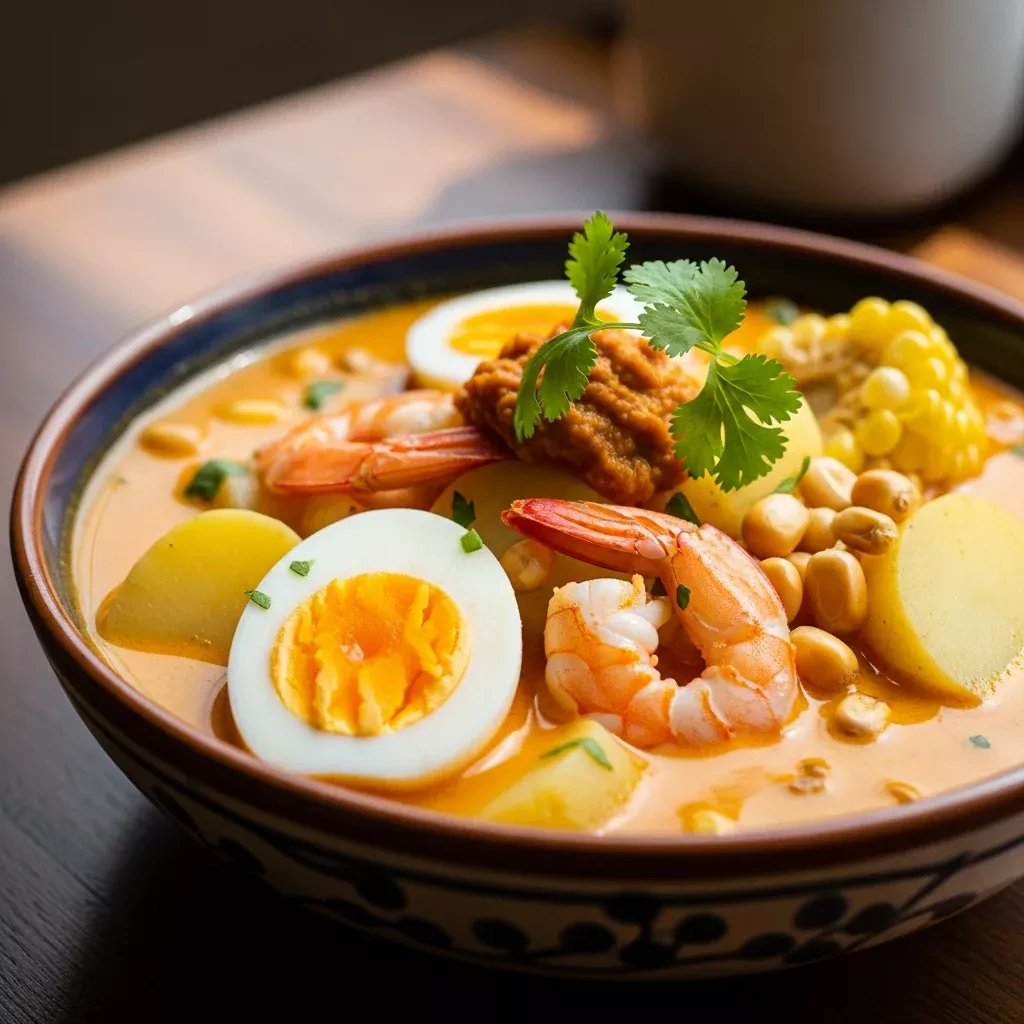
Nestled within the vibrant culinary tapestry of Peru lies a dish that warms both heart and soul: Chupe de Camarones. This hearty shrimp stew isn’t just a meal-it’s a celebration of the country’s rich coastal bounty, blending tender river shrimp with creamy potatoes, fragrant herbs, and a touch of spicy heat. More than just comfort food, Chupe de Camarones reflects centuries of tradition, coastal culture, and the ingenuity of Peruvian home cooks who transform simple ingredients into a deeply satisfying feast. Join us as we dive into the origins, ingredients, and flavors that make this stew a beloved emblem of Peru’s gastronomic heritage.
Chupe de Camarones, Peru’s hearty shrimp stew, is a comforting ode to the rich coastal and Andean culinary traditions. This velvety, saffron-tinged dish captures the essence of Peruvian culture – a harmonious blend of indigenous ingredients and Spanish influence. Originating from the Arequipa region, chupe is more than a stew; it represents community and celebration, frequently enough enjoyed during family gatherings and local festivals. Its creamy texture, briny shrimp, and subtle spice evoke memories of sun-drenched markets and the ocean’s bounty.
Prep and Cook Time
- Planning Time: 20 minutes
- Cooking Time: 45 minutes
- Total Time: 1 hour 5 minutes
Yield
Serves 4 hearty portions.
Difficulty Level
Medium – perfect for home cooks looking to elevate their stew repertoire.
Key Ingredients That Bring This Hearty Shrimp Stew to Life
- Fresh shrimp: 1 lb, peeled and deveined – the star ingredient delivering tender seafood sweetness.
- potatoes: 2 medium, diced – for earthy body and creamy texture.
- Corn kernels: 1 cup – adding sweetness and vibrant bursts of color.
- Evaporated milk: 1 cup – a creamy, slightly caramelized richness essential to authentic chupe.
- White onion: 1 large, finely chopped – the flavor base of the stew.
- Garlic: 3 cloves, minced – for aromatic depth.
- Tomatoes: 2 medium, peeled and diced – bright acidity balancing the creaminess.
- Yellow chili pepper (ají amarillo): 2 tablespoons, blended – giving chupe its signature gentle heat and golden hue.
- Saffron threads: a pinch – elevates color and lends subtle floral notes.
- vegetable broth: 4 cups – for a savory, cohesive flavor.
- Fresh parsley and oregano: 2 tablespoons, chopped – herbs add freshness and complexity.
- Evaporated milk or cream: 1 cup, for finishing the stew with luscious silkiness.
- Hard-boiled eggs: 2, quartered – a traditional garnish adding texture contrasts.
- rice: cooked, to serve alongside or stirred in.
Step-by-Step Guide to Crafting an Authentic Chupe de Camarones
- sauté aromatics: In a large heavy-bottomed pot, heat 3 tablespoons of vegetable oil over medium heat.Add the chopped onion and garlic. Sauté until translucent and fragrant, about 5 minutes.
- Add tomatoes and ají amarillo: Stir in the diced tomatoes and blended ají amarillo. Cook for 8-10 minutes,letting the flavors meld and the mixture thicken slightly.
- Incorporate potatoes and broth: Add the diced potatoes and pour in the vegetable broth. Bring to a boil,then reduce heat and simmer until potatoes are fork-tender,about 15 minutes.
- Add shrimp and corn: Gently stir in the peeled shrimp and corn kernels.Cook for 5 minutes, or until shrimp turn opaque and curl, ensuring they stay tender.
- Finish with saffron and evaporated milk: Dissolve the saffron threads in 1/4 cup warm broth and add it to the stew. Pour in the evaporated milk and gently stir,warming through but not boiling to prevent curdling.
- season and add herbs: Salt to taste and stir in the chopped parsley and oregano. Simmer for another 3 minutes, allowing the herbal fragrance to infuse.
- Final touches: Ladle the stew into bowls, garnish each with quarters of hard-boiled eggs and an additional sprinkle of fresh herbs. Serve immediately with steamed white rice or crusty bread for soaking up every delicious spoonful.
Tips and Tricks for Perfecting Flavor and Presentation
- Freshness matters: Use the freshest shrimp possible for sweetness and texture. If fresh is unavailable, high-quality frozen shrimp thawed gently overnight works well.
- Balancing richness: If you prefer a lighter stew, substitute half the evaporated milk with low-fat milk, but avoid water to maintain creamy consistency.
- chili alternatives: No ají amarillo? Use a mild yellow bell pepper and add a tiny pinch of smoked paprika for smokiness.
- Make ahead: Chupe de camarones tastes even better the next day as the flavors deepen. Reheat gently on low to preserve the shrimp’s tenderness.
- presentation pro tip: Serve in rustic ceramic bowls and top with a sprig of fresh parsley and a drizzle of extra virgin olive oil for that glossy finish. Small toasted crostinis on the side add a delightful crunch contrast.
Serving Suggestions
Traditionally enjoyed hot, this Peruvian shrimp stew is best paired with fluffy steamed white rice to absorb its rich broth. For a festive occasion, pair with a crisp white wine like Sauvignon Blanc or a fruity Pisco-based cocktail to enhance the coastal flavors. Garnishing with wedges of lime adds a zesty lift that complements the creamy notes beautifully.
| Nutrient | Per Serving |
|---|---|
| calories | 320 kcal |
| protein | 28 g |
| Carbohydrates | 30 g |
| Fat | 12 g |
For more on authentic Peruvian cooking techniques, don’t miss our Peruvian Seafood Recipes Collection. To explore the vibrant history of Peru’s culinary influences, visit Britannica’s Peru Overview.
Q&A
Q&A: Discovering Chupe de Camarones – Peru’s Hearty Shrimp Stew Delight
Q1: What exactly is Chupe de Camarones?
A1: Chupe de Camarones is a traditional Peruvian shrimp stew that marries the coastal bounty of fresh shrimp with rich, comforting ingredients like potatoes, corn, milk, and sometimes rice or noodles. It’s a soulful dish that embodies the warmth and vibrancy of Peruvian coastal cuisine.
Q2: Where in Peru did chupe de Camarones originate?
A2: This hearty stew hails primarily from the southern coastal regions of Peru, especially the city of Arequipa, known for its bold and spicy flavors. The dish reflects the region’s access to fresh shrimp from the Pacific Ocean, combined with Andean staples like potatoes and corn.
Q3: What makes Chupe de Camarones unique compared to other seafood stews?
A3: Unlike many seafood stews that are broth-heavy, Chupe de Camarones is creamy and thick, enriched with evaporated milk or cream and occasionally eggs. The inclusion of starchy elements such as yellow potatoes, corn kernels, and sometimes rice creates a stew that’s as filling as it is indeed flavorful. Its blend of spices-like aji amarillo peppers-adds a subtle heat and vibrant color that’s unmistakably Peruvian.
Q4: What are the key ingredients in Chupe de Camarones?
A4: The star is, of course, fresh shrimp (often shrimp heads are simmered for deep flavor). Other essentials include potatoes, corn on the cob or kernels, onions, garlic, aji amarillo (yellow chili pepper), evaporated milk, butter, eggs, cilantro, and sometimes rice or noodles. The amalgamation creates a rich, layered stew that’s both hearty and aromatic.Q5: How is Chupe de Camarones traditionally prepared?
A5: The process begins by simmering shrimp heads and shells to create a flavorful stock. Meanwhile, potatoes and corn are cooked until tender. The shrimp meat is added toward the end to avoid overcooking. The stew is thickened with evaporated milk and sometimes beaten eggs, stirred in gently to achieve a velvety texture. The final touch is fresh cilantro and lime juice to brighten the flavors.
Q6: When do Peruvians typically enjoy Chupe de Camarones?
A6: This stew is a comfort food best savored during colder months or as a main course for special occasions and family gatherings. It’s particularly popular in regions where fresh shrimp are readily available and is often enjoyed with crusty bread to soak up the luscious broth.
Q7: Can Chupe de Camarones be adapted for modern or international kitchens?
A7: Absolutely! While fresh shrimp and traditional Peruvian ingredients are ideal, substitutes like frozen shrimp can work in a pinch. For those who might not have access to aji amarillo peppers, other mild yellow chili powders or even a pinch of paprika can provide color and subtle heat. The stew’s creamy texture and harmonious blend of ingredients make it a versatile and approachable dish for cooks worldwide.
Q8: Why should someone try Chupe de Camarones?
A8: Beyond its delicious taste, Chupe de Camarones offers a unique glimpse into Peru’s rich culinary heritage, harmonizing coastal flavors with Andean staples. It’s a dish that comforts and excites, telling a story of tradition, geography, and culture in every spoonful. For anyone seeking a warming, flavorful stew with a twist, Chupe de Camarones is a must-try culinary adventure.
Concluding Remarks
In the vibrant tapestry of Peruvian cuisine,Chupe de Camarones stands out as a soulful celebration of coastal flavors and rich tradition. This hearty shrimp stew, with its creamy textures and fragrant spices, invites both locals and travelers to savor a taste of Peru’s culinary heritage in every spoonful. Whether enjoyed by a crackling fire in the Andes or under the warm sun beside the Pacific, Chupe de Camarones is more than just a dish-it’s a comforting embrace, a story told through food, and a delicious reminder of the country’s diverse bounty.So next time you seek a meal that warms the heart and excites the palate, let this peruvian classic transport you to the shores where shrimp meet spice in perfect harmony.