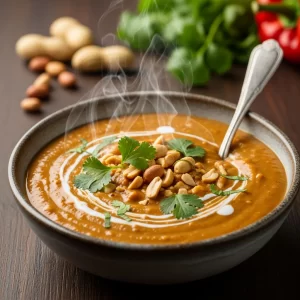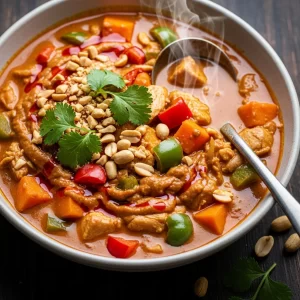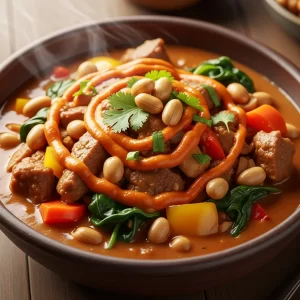

In kitchens around the world, few dishes bring together comfort and complexity quite like peanut stew. This creamy, nutty delight transcends borders, weaving together rich traditions and vibrant flavors into a single, hearty bowl. From the bustling markets of West Africa to the spice-laden hearths of Southeast Asia, peanut stew tells a story of cultural fusion and culinary creativity. Join us as we explore the origins, variations, and irresistible charm of this beloved dish, uncovering why it remains a cherished staple in global kitchens and a testament to the humble peanut’s surprising versatility.
peanut Stew: A Creamy, Nutty Delight from Global Kitchens
Peanut stew is a heartwarming dish that brilliantly marries rich, creamy textures with a deep, nutty flavor profile. Originating in west African culinary traditions, this stew has transcended continents, embraced in countless variations across global kitchens. Whether as a comforting vegan entrée or a robust accompaniment to rice or bread, peanut stew stands out for its soulful fusion of spices and earthy peanuts. The frist time I savored this dish, its velvety texture and balanced sweetness melded with savory notes instantly captured my culinary inventiveness, inspiring me to recreate and share it with so many eager palates worldwide. Let’s dive into what makes this dish a cherished classic and how you can master it at home.
Prep and Cook Time
- Prep Time: 15 minutes
- Cook Time: 40 minutes
- Total time: 55 minutes
Yield
- Serves 4 generously
Difficulty Level
- Easy to Medium – perfect for novice cooks wanting to explore international flavors
Key Ingredients That Create the Creamy, Nutty Flavor Profile
- 1/2 cup smooth peanut butter – The star ingredient, offering the signature creamy and nutty base
- 1 tablespoon vegetable oil – For sautéing aromatics and developing flavor
- 1 large onion, finely chopped – Adds sweetness and depth
- 3 cloves garlic, minced – Enhances aroma and savory notes
- 1-inch piece of ginger, grated – Provides a subtle warmth and zing
- 2 medium tomatoes, chopped – Introduce acidity to balance richness
- 1-2 fresh chili peppers, sliced (optional) – For a gentle heat kick
- 4 cups vegetable broth – Creates a lush, stewy consistency
- 2 medium sweet potatoes, peeled and diced – Adds sweetness and texture
- 1 cup chopped kale or spinach – For color and nutritional boost
- 1 teaspoon smoked paprika – Deepens smokiness in the stew
- 1 teaspoon ground cumin – Adds earthiness
- Salt and pepper, to taste
- Fresh cilantro or parsley, chopped (for garnish)
Step-by-Step Guide to Crafting the Perfect Peanut Stew at home
- Heat the vegetable oil in a large pot over medium heat. Add the chopped onion and sauté until translucent and fragrant, about 5 minutes.
- Add the minced garlic and grated ginger, stirring constantly for 1 minute to release their aromatic oils without burning.
- Incorporate the chopped tomatoes and fresh chili peppers (if using). Cook until the tomatoes soften and begin to break down, approximately 7 minutes, stirring occasionally.
- Stir in the smoked paprika and ground cumin, coating the vegetable mixture evenly for 1 minute to toast the spices lightly.
- Pour in the vegetable broth and add the diced sweet potatoes. Bring the stew to a gentle boil, then reduce heat to simmer for 20 minutes or until sweet potatoes are fork-tender.
- Lower the heat and whisk in the smooth peanut butter until fully incorporated. This step is crucial for achieving that luscious, creamy texture.
- Fold in the chopped kale or spinach and cook for another 3-5 minutes until wilted and tender.
- Season with salt and pepper to taste. Adjust thickness by adding more broth if desired, and simmer briefly to marry all flavors.
- Remove from heat and let the stew rest for 5 minutes before serving to deepen its rich flavors.
Tips for Success: Expert tips and Variations to Customize Your Peanut Stew Experience
- consistency Matters: For an ultra-smooth peanut stew, blend half the cooked sweet potatoes with broth before stirring back in.
- Peanut Butter Quality: Use natural, unsweetened peanut butter to avoid overpowering sweetness or artificial additives.
- Protein Boost: Add cooked chickpeas, shredded chicken, or tofu cubes for added texture and nourishment.
- Spice It Up: Experiment with cayenne pepper or smoked chili powder for a smoky heat variation.
- Make Ahead: this stew improves after resting overnight and can be refrigerated for up to 3 days or frozen for up to 3 months.
- Vegan Adaptation: Confirm your broth is vegetable-based and omit any animal-derived additions.
Serving Suggestions
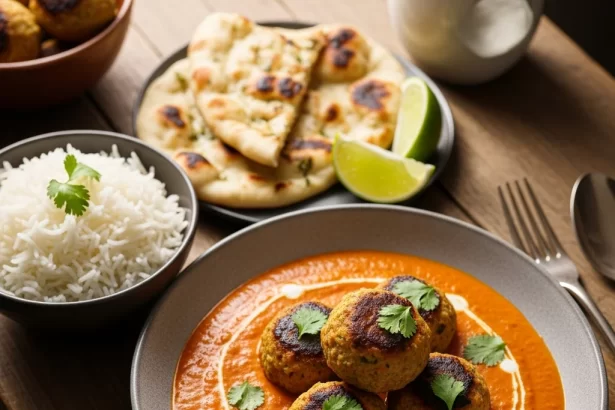
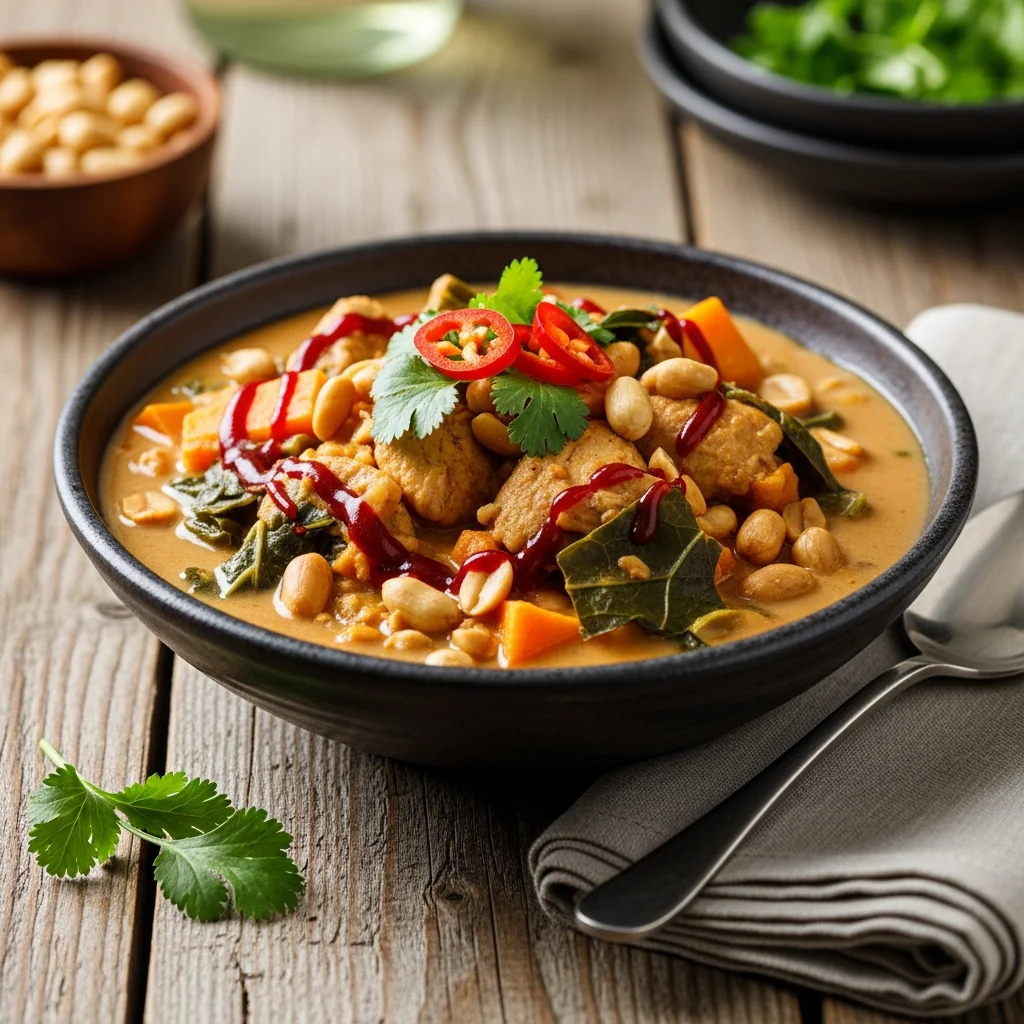
serve your peanut stew piping hot over fluffy white rice, creamy mashed potatoes, or with warm, crusty bread to soak up every flavorful drop. Garnish generously with fresh cilantro or parsley, and a sprinkle of toasted peanuts for an added crunch that beautifully contrasts the creamy base. A side of steamed greens or a crisp salad brightens the meal, making every bite inviting and well-rounded.
| Nutrient | Per Serving |
|---|---|
| Calories | 350 kcal |
| Protein | 10 g |
| Carbohydrates | 40 g |
| Fat | 15 g |
Discover more tasty dishes to complement your peanut stew by checking our Global Vegetarian Recipes collection. For a deep dive into West African cuisine’s roots, explore this informative Britannica article.
Q&A
Q&A: Peanut Stew – A Creamy, Nutty Delight from Global Kitchens
Q1: What exactly is peanut stew?
A1: At its heart, peanut stew is a luscious, creamy dish that masterfully marries the rich nuttiness of peanuts with savory spices and hearty vegetables or meats. Its velvety texture and robust flavor make it comfort food in many parts of the world, especially across African and some asian cuisines.
Q2: Where did peanut stew originate?
A2: While many regions boast their own versions, peanut stew is most famously rooted in West African culinary traditions. Countries like Ghana, Nigeria, and Senegal have long celebrated this dish, where peanuts-both a staple crop and a flavor powerhouse-transform humble ingredients into a soul-warming meal.
Q3: What are the core ingredients that define peanut stew?
A3: A signature peanut stew typically includes ground peanuts or peanut butter, tomatoes or tomato paste, onions, garlic, and a blend of warming spices such as ginger, chili, and sometimes cinnamon or turmeric. It may also feature vegetables like sweet potatoes, okra, or spinach, and proteins such as chicken, beef, or fish.
Q4: How does peanut stew vary across global kitchens?
A4: Globally, peanut stew adapts beautifully to local tastes and ingredients. In West Africa, it often involves a spicy tomato base with peanuts grounding the sauce, while in parts of Asia, subtle sweet and sour notes may be added. Some variations are thick and stew-like, others more like soups-each a unique interpretation of that creamy, nutty essence.
Q5: Is peanut stew suitable for vegetarians or vegans?
A5: Absolutely! Peanut stew is incredibly versatile. By swapping meat for chickpeas, lentils, or hearty vegetables, the dish becomes a vibrant vegan or vegetarian feast without losing its rich texture or depth of flavor.
Q6: What makes peanut stew so comforting and special?
A6: The magic lies in the peanut butter’s creamy consistency and natural sweetness, which balance the acidity of tomatoes and the warmth of spices. Together, they create a comforting hug in a bowl – earthy, nutty, and complex. It’s a perfect meal for sharing and celebrating global flavors with every spoonful.
Q7: How can beginners try making peanut stew at home?
A7: Start simple! gather basic ingredients like peanut butter, tomatoes, onions, garlic, and a few spices. Saute your aromatics, add your tomatoes and spices, stir in peanut butter, and let the stew simmer with your choice of veggies or protein. Serve it over rice or with warm bread to soak up the delightful sauce. With a bit of patience and love, you’ll have a creamy, nutty masterpiece in no time.
Q8: Are there any common misconceptions about peanut stew?
A8: Some might assume peanut stew is overly heavy or too exotic to make at home, but it’s surprisingly straightforward and adaptable. Others worry about allergies, but substituting with almond or sunflower seed butter can offer a similar creaminess for those avoiding peanuts.
Q9: What drinks or sides pair well with peanut stew?
A9: The rich, bold flavors of peanut stew pair beautifully with a fragrant side of jasmine or basmati rice, crusty bread, or even millet. As for drinks, chilled hibiscus tea, light lager, or a citrusy white wine can refresh the palate and complement the dish’s depth.
Q10: Why should peanut stew be a staple in our kitchens?
A10: More than just a recipe, peanut stew is a celebration of cultural fusion, nutrition, and comfort. It’s a dish that invites experimentation, honors the humble peanut, and fills bowls – and hearts – around the globe. Inviting peanut stew into your kitchen means welcoming warmth, creativity, and a delicious story in every bite.
To Conclude
From the bustling markets of West Africa to the cozy kitchens of home cooks worldwide, peanut stew stands as a testament to the magic that happens when simple ingredients come together in harmony. Its creamy texture and rich, nutty flavor tell stories of culture, tradition, and comfort with every spoonful. Whether you’re a seasoned chef or an adventurous foodie, embracing this hearty dish offers more than just a meal-it’s an invitation to savor the warmth and diversity of global culinary heritage. So next time you’re craving something nourishing and uniquely satisfying, let peanut stew remind you how food can connect us all, one delicious bite at a time.