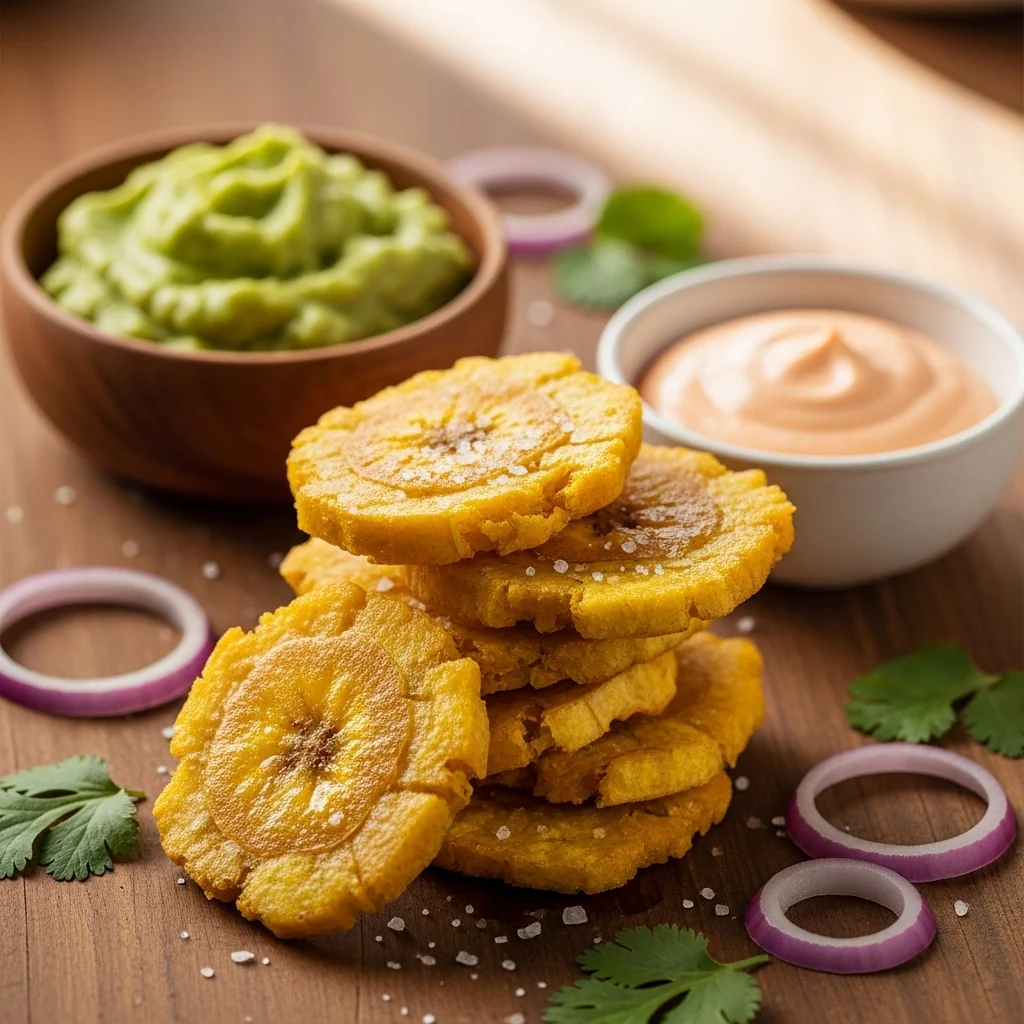
Golden, crispy, and irresistibly savoury patacones have long been a beloved staple across Latin America, capturing taste buds and hearts alike. But what exactly are these crunchy plantain discs, and how did they become a culinary icon? In this exploration, we’ll peel back the layers of tradition, technique, and flavor that make patacones more than just a snack. Whether you’re a curious foodie or a seasoned chef, get ready to uncover the secrets behind these crispy plantain delights, from their humble origins to the perfect frying method that elevates simple green plantains into a sensational treat.
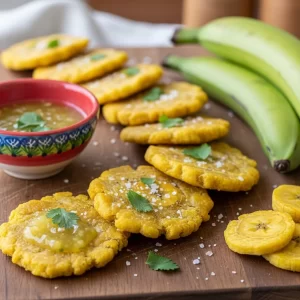
Patacones uncovered reveal a vibrant story woven through Latin America’s kitchens and street corners, where this crispy plantain delight is more than a snack-it’s a beloved cultural symbol. Originating from the Caribbean and Central and South America, patacones are the crispy twice-fried green plantain slices that unite families and communities with their irresistible crunch and comforting flavor. Raised in a household where the sweet aroma of fried plantains filled the air, I’ve seen how mastering patacones at home transforms simple ingredients into moments of joy and togetherness.
Prep and Cook Time
- Planning: 10 minutes
- Cooking: 20 minutes
- Total Time: 30 minutes
Yield
Serves 4 as a snack or side dish (approximately 16 patacones)
Difficulty Level
Easy – Perfect for beginners wanting that authentic crispy texture.
Ingredients
- 4 large green plantains, peeled and sliced into 1-inch thick rounds
- Vegetable oil for frying (about 3 cups)
- Salt, to taste
- Optional: garlic powder, smoked paprika, or chili flakes for seasoning
Instructions
- Prepare the plantains: Carefully peel the green plantains by cutting off the ends and making slits along the skin to remove it with ease.
- Cut into rounds: Slice each plantain into 1-inch thick pieces for perfect frying.
- Heat oil: In a deep skillet or heavy-bottomed pan, heat the vegetable oil over medium heat to about 350°F (175°C).
- First fry: Fry plantain slices in batches until they turn a light golden color and are just tender, about 3-4 minutes. Avoid overcrowding.
- Drain and flatten: Using a flat spatula or a tostonera press,carefully press each fried piece to about half its original thickness. Place on paper towels to remove excess oil.
- Second fry: Return flattened plantains to the hot oil and fry again until golden brown and irresistibly crisp, about 2-3 minutes per side.
- Season: Remove and drain on paper towels, then immediately sprinkle with salt and optional seasonings while hot.
- Serve warm: Patacones are best enjoyed fresh and crispy!
Chef’s Notes
- Choosing Plantains: Always use green, unripe plantains for that classic starchy bite-ripe plantains turn sweeter and softer.
- Oil Temperature: Use a thermometer if possible; too cool oil makes greasy patacones, while too hot can burn them.
- Flattening Tips: If you don’t have a tostonera, cover each slice with parchment paper and gently press with a heavy pan or plate for even thickness.
- Make Ahead: Fry once and refrigerate. Finish the double frying right before serving for freshly crisp patacones.
- Variations: Mix garlic and lime juice into your salt seasoning for a bright twist, or dust with tajín for a spicy kick.
Serving Suggestions
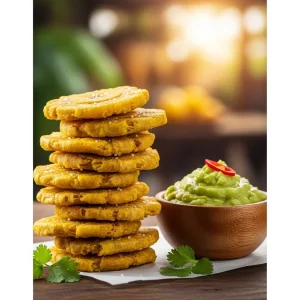
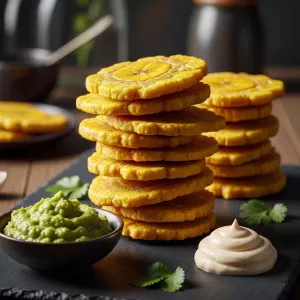
Turn your patacones into a star appetizer or a side meal by pairing them with vibrant toppings and dips. Layer creamy guacamole or refried black beans on top,finishing with crumbled queso fresco for a Mexican flair. For Caribbean-inspired plates, drizzle with tangy mojo sauce or a garlic aioli. Fresh cilantro, diced tomatoes, and thinly sliced red onions add a pop of freshness and color. Serve alongside grilled shrimp, carnitas, or a crisp green salad to round out a flavorful and textural feast.
| Nutritional Information (per 4 patacones) | Amount |
|---|---|
| Calories | 220 |
| Protein | 1.5g |
| Carbohydrates | 30g |
| Fat | 10g |
For a deeper dive into Latin American plantain dishes, check out our Latin American plantain Recipes Collection.To explore the nutritional benefits and origins of plantains worldwide, the Encyclopedia Britannica offers an authoritative insight.
Q&A
Q&A: Patacones Uncovered – crispy Plantain Delights Explained
Q: What exactly are patacones?
A: Patacones, also known as tostones in some regions, are twice-fried green plantain slices that transform into irresistibly crispy, golden discs. Think of them as savory, crunchy little pancakes-perfect as snacks, sides, or even a base for creative toppings.
Q: where do patacones come from?
A: Patacones hail from the vibrant kitchens of Latin America and the Caribbean. Countries like Colombia, panama, Costa Rica, and even parts of the southern United States have embraced them, each adding their own flavorful twist to this humble dish.
Q: What makes green plantains special for patacones?
A: Unlike their sweet yellow or ripe counterparts,green plantains are starchy and firm,similar to a potato. This firmness is essential-it holds up to frying, yielding that perfect crispy outside and soft inside texture when doubled-fried.
Q: How are patacones made? Is it complex?
A: Surprisingly simple! First, green plantains are peeled and sliced into thick rounds. They’re fried once until soft, then smashed flat-this step creates more surface area for crispiness. they’re fried a second time until golden and crunchy. Sprinkle some salt, and voilà, snack perfection!
Q: Are patacones healthy?
A: Moderation is key! Plantains are rich in fiber, potassium, and vitamins A and C. However, because patacones are fried, they pack a bit more indulgence. Using healthy oils and draining excess oil can make them a slightly better-for-you treat.
Q: What are common ways to enjoy patacones?
A: Endless possibilities! Patacones can be served simply with garlic sauce or guacamole, topped with shredded meat or cheese, or even partnered with ceviche or beans. their crisp texture and neutral flavor make them a versatile canvas for creativity.
Q: Can patacones be made without frying?
A: Traditionalists insist on frying for that signature crunch, but some recipes bake or air-fry patacones for a lighter version. While these methods won’t replicate the exact texture, they still offer a tasty and healthier alternative.
Q: How do patacones differ from fried plantain chips?
A: Great question! Fried plantain chips are thinly sliced, crunchy, and usually salty snacks similar to potato chips.Patacones are thicker, smashed slices with a fluffy interior and a crispy crust.They’re more significant and often served hot as part of a meal rather than just a snack.
Q: Can I make patacones at home easily?
A: Absolutely! With green plantains,oil,salt,and a bit of patience,homemade patacones are totally doable. Bonus: mastering the smashing technique makes for a fun kitchen experience and guarantees that perfect crunch.
Q: Why are patacones so beloved?
A: As they combine simple ingredients with a magical texture contrast-crispy outside, tender inside-that’s deeply satisfying. They’re comfort food with a cultural soul, inviting everyone to enjoy a flavorful little piece of Latin American heritage.
to Wrap It Up
As we peel back the layers of patacones, these crispy plantain delights reveal more than just their golden, crunchy exterior-they tell a story of culture, tradition, and culinary artistry. Whether enjoyed as a savory snack, a crunchy side, or a canvas for bold toppings, patacones invite us to savor the simple yet remarkable flavors that transform humble plantains into a beloved treat. So next time you bite into that perfectly fried disc, remember: you’re tasting centuries of flavor, craftsmanship, and the joy of sharing food that brings people together. Crispy,versatile,and endlessly satisfying-patacones truly are a culinary treasure worth uncovering.