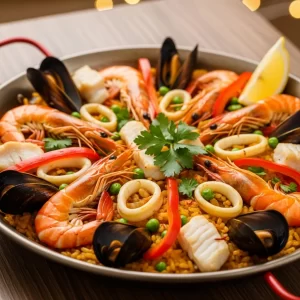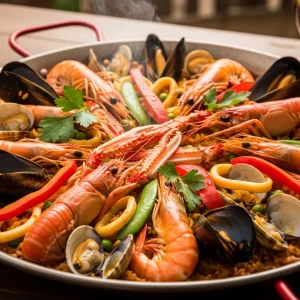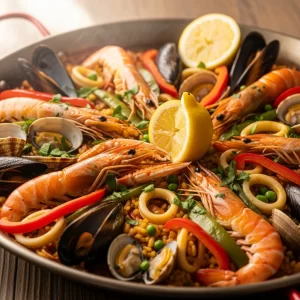

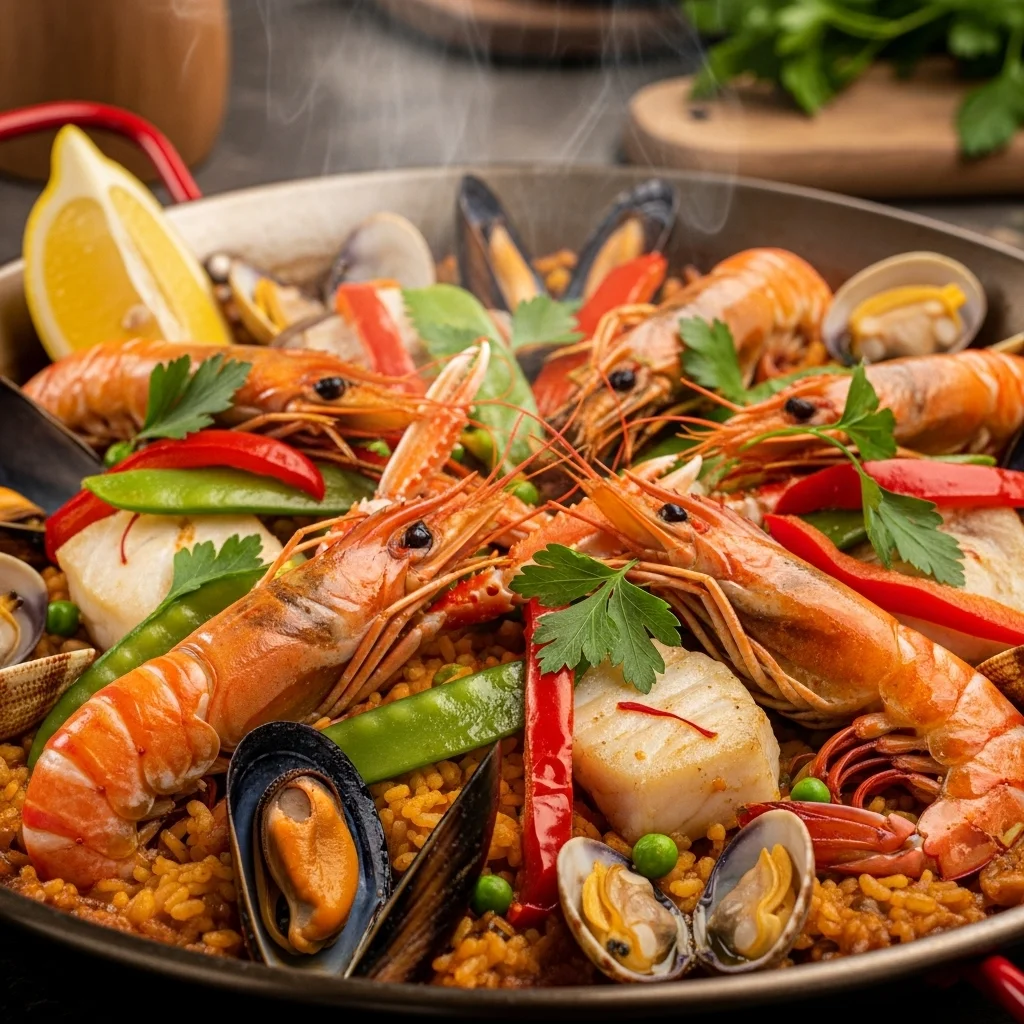
Beneath teh golden embrace of the Mediterranean sun, nestled along Spain’s vibrant coastlines, lies a culinary masterpiece that captures the very soul of the sea: Paella de Marisco. More than just a dish, this iconic seafood paella is a symphony of flavors and textures, a vibrant mosaic of freshly caught treasures simmered to perfection with saffron-kissed rice. Savoring the sea through each luscious bite, paella de Marisco invites food lovers on a sensory journey-where tradition meets artistry, and every grain tells a story of heritage, passion, and the timeless dance between land and ocean. Join us as we dive into the art of crafting an authentic Paella de marisco, exploring the secrets behind its rich history, celebrated ingredients, and the techniques that have preserved its essence for generations.
Savoring the Sea: The Art of Authentic Paella de Marisco
Savoring the sea begins with selecting the freshest seafood, a cornerstone of crafting an unforgettable paella de Marisco. This vibrant Spanish dish, steeped in coastal tradition, brings the ocean’s bounty onto your plate with bold flavors and a captivating golden crust.Whether you’re a seasoned cook or a passionate beginner, mastering these key elements will elevate your paella and turn dinner into a joyous festivity.
Prep and Cook Time
- Preparation: 30 minutes
- Cooking: 45 minutes
- Total Time: 1 hour 15 minutes
Yield
- Serves 4 to 6 peopel
Difficulty Level
- Medium
Ingredients
- Seafood: 300g fresh mussels,scrubbed and debearded
- 300g fresh clams,cleaned
- 200g peeled medium shrimp
- 200g squid rings
- Rice & Broth: 2 cups bomba or short-grain paella rice
- 4 cups seafood stock,warm
- sofrito Base: 3 tbsp extra virgin olive oil
- 1 medium onion,finely chopped
- 1 red bell pepper,diced
- 4 ripe tomatoes,grated (or 1 cup canned crushed tomatoes)
- 3 garlic cloves,minced
- Spices & Herbs: 1 tsp smoked paprika
- Pinch of saffron threads,steeped in 2 tbsp warm broth
- Fresh flat-leaf parsley,chopped (for garnish)
- Salt and freshly ground black pepper to taste
- 1 lemon cut into wedges,for serving
Instructions
- Choosing the Seafood: Begin by inspecting your seafood-look for shells firmly closed or that close when tapped,bright clear shrimp with no odor,and plump squid rings.Freshness is vital; the fresher the seafood, the sweeter and more tender your paella will be.
- Prepare the Sofrito: Heat olive oil in a wide, heavy-bottomed paella pan over medium heat. Add finely chopped onion and sauté until translucent, about 4 minutes.Stir in diced red bell pepper and garlic; cook for 2-3 minutes until fragrant.Add grated tomatoes and smoked paprika, cooking gently for 8-10 minutes, stirring occasionally, until the mixture thickens into a rich, aromatic sofrito.
- Start Cooking the Rice: Pour the paella rice evenly across the sofrito in the pan. Stir to coat rice grains thoroughly, cooking for 1-2 minutes so they become glossy and infused with flavor.
- Add Broth and Saffron: Pour in warm seafood stock and the saffron-infused broth. Season with salt and pepper. Bring the liquid to a gentle simmer. Do not stir from this point onward to encourage the formation of socarrat, the prized golden crust.
- Arrange the Seafood: Nestle mussels and clams into the rice with the shells facing upwards and distribute shrimp and squid rings evenly. Cover the pan with a lid or foil and cook over medium-low heat for 15 minutes until the rice is almost tender and the seafood is cooked through.
- Achieving the Socarrat: Remove the cover and increase heat to medium-high for 3-5 minutes to create the socarrat. Listen for a subtle crackling sound-this signals the crust is forming. Be careful not to burn.
- Rest and Serve: Remove the paella from heat and cover again for 5 minutes. Garnish with chopped parsley and fresh lemon wedges. Serve directly from the pan for that authentic, communal ambiance.
Tips for Success
- Seafood Swaps: Seasonal availability may require substitutions-try scallops or firm white fish chunks.Remember to adjust cooking time accordingly.
- Sofrito Variations: For a deeper flavor, roast your tomatoes before grating or use a spoonful of spanish ñora pepper paste.
- Broth Boost: Homemade stock delivers the richest flavor,but a quality store-bought seafood broth or fish fumet works well in a pinch.
- Socarrat Safety: prevent burning by patience and watching closely during the final step; if unsure, test for crust gently with a wooden spatula.
- Make-Ahead: Prepare the sofrito and stock a day ahead to save time, storing both refrigerated in airtight containers.
Serving Suggestions
Present your vibrant paella pan in the heart of the table, inviting guests to enjoy a shared feast. Squeeze fresh lemon over the dish to brighten the rich seafood flavors. Pair with a crisp, chilled albariño or a zesty Verdejo – these Spanish whites beautifully elevate the dish’s complexity.
Complement your paella de marisco with a light mixed green salad, crusty rustic bread, and perhaps some chilled olives for an authentic Spanish experience.
| Nutrition per Serving | Amount |
|---|---|
| Calories | 480 kcal |
| Protein | 38 g |
| Carbohydrates | 55 g |
| Fat | 12 g |
Explore more appetizing Spanish recipes like Classic Spanish Gazpacho for refreshing complements to your seafood feast. For extensive guidance on select seafood quality, visit FDA Seafood Consumer Guidance.
Q&A
Q&A: Savoring the Sea – The Art of Authentic Paella de Marisco
Q1: What makes Paella de Marisco different from other types of paella?
A1: Paella de Marisco is a vibrant seafood celebration on a plate, distinct from its meatier cousins by focusing solely on the treasures of the sea.Unlike the traditional Valencian paella, which often features rabbit and chicken, the Marisco version is a briny symphony-squid, shrimp, mussels, clams, and sometimes lobster-melded into saffron-hued rice that embodies coastal Spain’s oceanic allure.
Q2: Why is saffron so crucial in authentic Paella de Marisco?
A2: Saffron is the golden heart of paella. Beyond its exquisite color, it bestows a subtle floral and honeyed aroma that whispers the story of Mediterranean sun and soil. Without saffron, the dish loses its soul, leaving the seafood and rice feeling one-dimensional rather than a harmonious tapestry of taste.
Q3: Can the rice choice really change the outcome?
A3: Absolutely.The rice grain is the canvas on which the paella’s flavors paint their story.Traditional recipes call for short-grain varieties like Bomba or Calasparra, known for absorbing liquid without losing their texture. These rice types soak up the savory broth and saffron-infused olive oil, swelling with flavor rather than turning mushy.
Q4: What’s the secret behind that crispy bottom layer-socarrat?
A4: The socarrat is paella’s coveted treasure- a thin, almost caramelized crust that forms when the rice gently kisses the pan’s hot surface. Achieving it requires patience and precise heat control; it’s the crunchy umami jewel that elevates the dish from simple rice and seafood to an unforgettable sensory experience.
Q5: How does one achieve authentic flavor without drowning the seafood in sauce?
A5: Balance is key. The seafood should shine, not swim in overpowering liquids. A well-made fumet (seafood stock) gently bathes the rice, infusing it with ocean essence. The vegetables and aromatics-like garlic, tomatoes, and sometimes smoked paprika-build a subtle backbone rather than overpower the marine protagonists.
Q6: Is it necessary to use a traditional paella pan?
A6: while you can approximate the dish with other pans,the wide,shallow paella pan is designed to maximize surface area,promoting even cooking and helping to create the crucial socarrat. Its sloped sides and thin steel base transmit heat quickly and evenly, enabling that perfect marriage of crusty and tender textures.
Q7: What cultural significance does Paella de Marisco hold in Spain?
A7: More than a dish, paella is a social ritual-a symbol of community and celebration frequently enough enjoyed outdoor with friends and family. The Marisco variant, with its bounty of ocean flavors, pays homage to Spain’s maritime heritage, particularly in coastal regions where fresh catch is a daily blessing and culinary inspiration.
Q8: Can Paella de Marisco be adapted for modern dietary preferences?
A8: Certainly.While tradition is revered, contemporary cooks may incorporate sustainability by choosing locally sourced seafood, or tweak ingredients to be gluten-free or lower in sodium. However, the essence remains: honoring the interplay between the rice, saffron, and the sea’s generosity.
Q9: What wine pairs best with Paella de Marisco?
A9: Think crisp,bright,and full of zest. A chilled Albariño or Verdejo complements the dish beautifully, their acidity cutting through the richness of the seafood while echoing the freshness of the sea. For those who prefer reds, a light-bodied Garnacha serves well without overwhelming the complex flavors.
Q10: How can a home cook best approach making an authentic Paella de Marisco?
A10: Start with respect for ingredients-freshness above all. Embrace patience: build layers of flavor gently,don’t rush the rice absorption,and be mindful of heat.Use the right rice, source quality saffron, and most importantly, savor the process as much as the result. Paella is as much an art as it is a recipe-a celebration of sea, earth, and fire.
Key Takeaways
As the last fragrant spoonful of paella de marisco lingers on the palate, it becomes clear that this dish is more than a meal-it is a celebration of the sea, tradition, and craftsmanship. Each grain of saffron-infused rice and every tender morsel of seafood tells a story steeped in coastal heritage and culinary passion. To savor authentic paella de marisco is to embark on a journey through the sunlit shores of Spain, where flavors dance in harmony and the art of cooking is an enduring tribute to nature’s bounty. So next time you find yourself craving a taste of the ocean, remember: true paella is not just prepared-it is indeed lovingly created, shared, and savored.