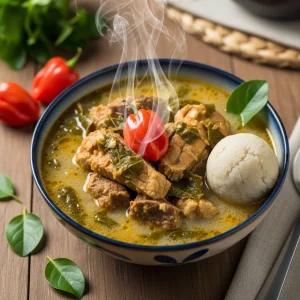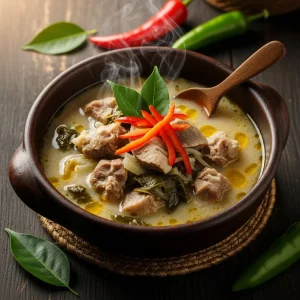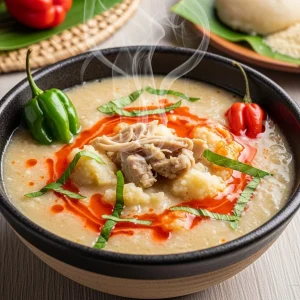

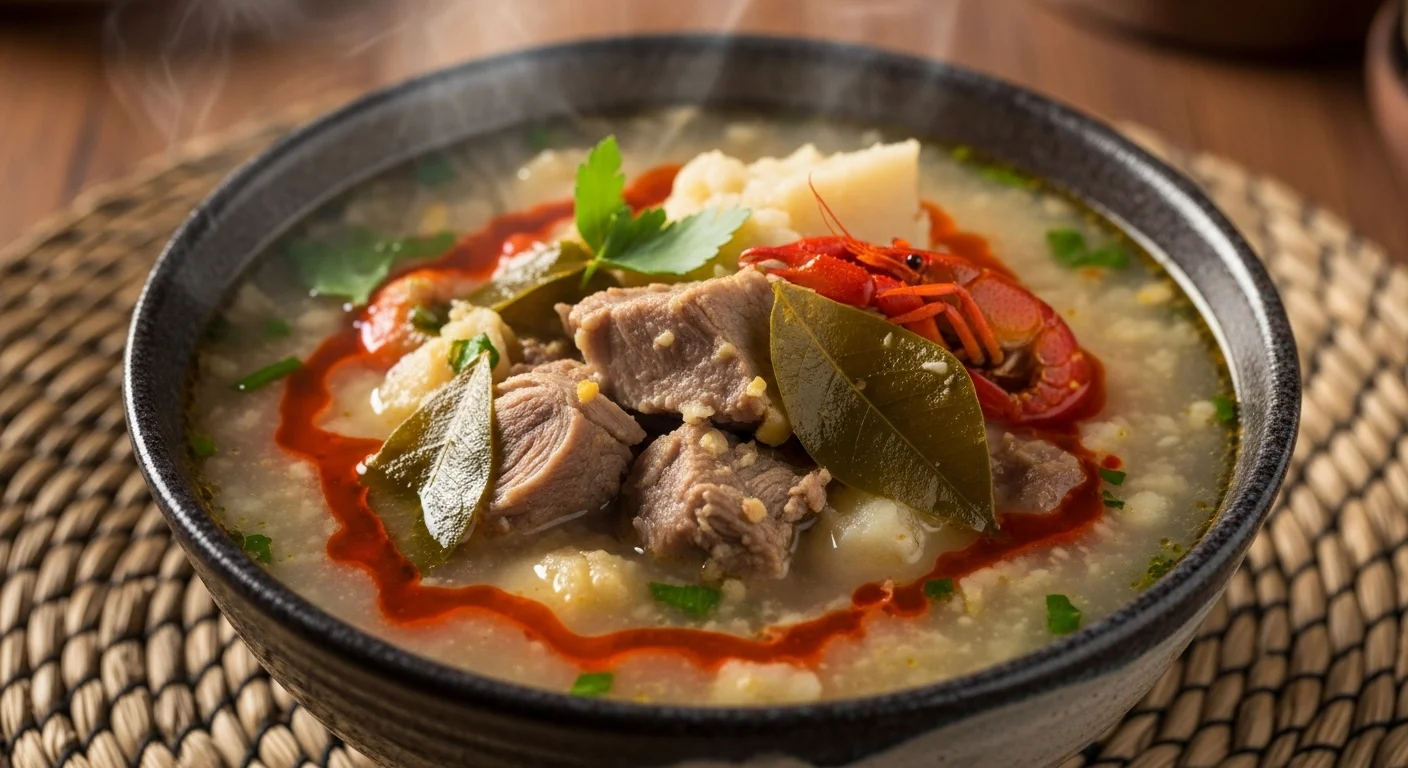
Nestled within the rich tapestry of Nigerian cuisine is a dish that tells a story as comforting as the warmth of a homemade embrace, Ofe Nsala, often celebrated as the beloved White Yam Soup of the Eastern region. This soulful stew, shimmering with a delicate blend of spices and tender meat, is more than just a meal; it is indeed a culinary tradition steeped in history, culture, and the rhythms of community life. As we delve into the world of ofe Nsala, we uncover its origins, the careful artistry behind its preparation, and the reasons why this white yam soup continues too hold a cherished place at Nigerian tables, uniting generations through every fragrant, hearty spoonful.
Ofe Nsala, widely cherished across Eastern Nigeria, is a soulful white yam soup that speaks volumes of Igbo culinary heritage and tradition. Known affectionately as “native catfish soup,” this dish is more than just a warming meal-it holds a cultural resonance that brings families together during special occasions and everyday moments alike. Its luscious, velvety broth, enriched by fresh catfish and pounded yam, invites you into a world of bold flavors and authentic cooking methods passed down through generations.
Prep and Cook Time
- Preparation: 20 minutes
- Cooking: 1 hour
- Total Time: 1 hour 20 minutes
Yield
Serves 6 people generously
Difficulty Level
Medium – requires some familiarity with handling fresh fish and yam preparation but accessible for adventurous cooks
Ingredients
- 2 medium-sized white yams (peeled and cut into chunks)
- 1.5 lbs fresh catfish (cleaned and cut into portions)
- 1 medium onion (chopped)
- 3 cups water
- 2 tablespoons utazi leaves (washed and finely sliced)
- 2 tablespoons crayfish (ground)
- 1 scotch bonnet pepper (whole or chopped, depending on heat preference)
- 1 teaspoon fresh grated ginger
- 2 seasoning cubes (optional or to taste)
- Salt (to taste)
- 2 tablespoons palm oil (optional for extra richness)
Instructions
- Prepare the yam: Boil the peeled yam chunks in water until very soft (about 20-25 minutes). Drain and immediately pound or mash the yam until smooth and stretchy, resembling a thick sticky paste. Set aside.
- Cook the fish base: In a large pot, place the cleaned catfish, chopped onions, grated ginger, and whole scotch bonnet. add 3 cups of water and seasoning cubes, then bring to a gentle simmer. Cover and cook on medium heat for about 15-20 minutes until the fish is tender and infused with flavors.
- Incorporate yam paste: Gradually scoop spoonfuls of the pounded yam into the simmering fish broth, stirring gently to dissolve it into the soup. This thickens the broth, creating the characteristic creamy and smooth texture of ofe Nsala.
- add crayfish and palm oil: Stir in the ground crayfish and palm oil (if using) to enrich the flavor. Simmer for another 10 minutes while stirring occasionally to prevent sticking.
- Final seasoning and herbs: Adjust salt to taste, then add the finely sliced utazi leaves for a slightly bitter contrast that balances the soup beautifully. Allow to simmer uncovered for 5 more minutes.
- serve hot: Transfer to serving bowls, garnishing with extra utazi or fresh herbs if desired.
Chef’s Notes & Tips for Success
- Fresh catfish is key: Use fresh, firm catfish for the authentic flavor and texture. If unavailable, tilapia can be substituted, but the taste will be different.
- Yam texture matters: Pounding yam well is the secret to the soup’s velvety consistency; avoid lumps by mashing thoroughly.
- Manage heat levels: Keep the scotch bonnet whole to infuse flavor without overwhelming spice, or chop it for more heat.
- Make-ahead option: You can prepare the yam and fish broth separately, then combine just before serving to save time on the day of your meal.
- Utazi alternatives: If utazi leaves are unavailable, spinach or kale can be used but note the flavor profile changes.
Serving Suggestions
Ofe Nsala shines when enjoyed fresh and hot, traditionally served with a side of boiled white rice, fufu, or more pounded yam for extra indulgence. Garnish with vibrant utazi leaves or sprigs of fresh basil to elevate the aroma. For a beautiful presentation, ladle the soup into deep bowls, allowing the rich broth to glisten alongside tender fish pieces, and serve with a side of sliced red onions and fresh pepper to awaken the palate.
| Nutrient | Per Serving |
| Calories | 310 kcal |
| Protein | 25 g |
| Carbohydrates | 30 g |
| Fat | 8 g |
Rediscover the comforting spirit of Eastern Nigerian cuisine with this white yam soup that celebrates tradition, flavor, and wellness. For further culinary inspiration, explore our collection of authentic Nigerian soups and dive deeper into the heart of West African gastronomy. Curious about the health benefits of catfish in your diet? Visit Healthline’s detailed guide for expert insights.
Q&A: Ofe Nsala – Exploring Nigeria’s Beloved White Yam Soup Tradition
Q1: What is Ofe Nsala, and why is it called the “white soup”?
A1: Ofe Nsala is a traditional Nigerian soup that hails predominantly from the Igbo people of eastern Nigeria.It is affectionately known as “white soup” because it is prepared without palm oil, which usually lends a red hue to many Nigerian soups. the absence of palm oil results in a light, creamy broth made from the natural starchiness of pounded white yam, giving it its distinctive pale appearance.
Q2: What are the key ingredients used in making Ofe Nsala?
A2: The soul of Ofe Nsala lies in a tender balance of fresh ingredients: pounded white yam acts as both a thickener and a subtle flavor base; fresh catfish or other white fish varieties deliver a delicate, savory taste; utazi leaves add a slight bitterness; and a medley of local spices such as uda seeds, crayfish, and pepper imbue the soup with depth and warmth.No palm oil, no tomatoes-just pure, earthy goodness.
Q3: How is Ofe Nsala traditionally prepared?
A3: Traditionally, the white yam is boiled until soft, then either pounded or blended to create a smooth, starchy paste that thickens the broth naturally.The fish is washed and cooked gently to retain its tenderness. Spices like uda and crayfish are added early to infuse the broth, followed by the yam paste and finally the utazi leaves, which lend a unique herbal bitterness that balances the rich flavors. It’s a slow, deliberate process-cooking with love and respect for the ingredients.
Q4: What cultural significance does Ofe Nsala hold in Nigerian communities?
A4: Ofe Nsala is far more than a flavorful meal, it’s a culinary emblem deeply embedded in Igbo culture and festive occasions.it is often the soup of choice for naming ceremonies, weddings, and other rites of passage. Beyond celebrations, it is regarded as comfort food that evokes warmth, family, and tradition. In many homes, serving Ofe Nsala counts as an expression of hospitality and love.
Q5: How does Ofe Nsala differ from other Nigerian soups?
A5: Unlike the fiery egusi or the deeply red ogbono soups, Ofe Nsala’s hallmark is its purity and subtlety. It forgoes the rich palm oil base common in other soups, highlighting the natural flavors of fresh fish and yam. Its texture is uniquely smooth and velvety, owing to the yam’s starchiness, while the light bitterness from utazi leaves sets it apart. This makes Ofe Nsala both refreshing and hearty-a gentle giant among Nigerian soups.
Q6: Can Ofe Nsala be adapted for modern or international palates?
A6: Absolutely! While traditional recipes anchor Ofe Nsala in heritage, creative cooks experiment by using choice fish, such as tilapia or even seafood blends, to suit availability. Some add subtle twists with herbs like basil or parsley to introduce familiar flavors to international diners. Nonetheless, the essence lies in respecting the simplicity and the core ingredients-the yam and the delicate broth-so adaptations should maintain that soulful balance.
Q7: What should one pair Ofe Nsala with when serving?
A7: Ofe Nsala is best enjoyed with fufu – especially amala (yam flour dumplings), pounded yam, or cassava fufu. These soft, dough-like accompaniments make for perfect scoops, soaking up the soup’s creamy broth and delivering a comforting, hearty meal. For a more adventurous pairing, some enjoy it with rice or even plantain, but traditionalists swear by the classic fufu combo.
Q8: Why has Ofe nsala remained a beloved dish through generations?
A8: Its enduring appeal stems from its soul-satisfying comfort and cultural resonance. Ofe Nsala tells a story of home, warmth, and shared moments around the fire. Its gentle flavors invite inclusivity, appealing to all ages and palates. Moreover, its association with significant life events cements its place not just as food, but as a nourishing ritual passed lovingly from one generation to the next.
Whether you’re craving a taste of Nigerian tradition or simply want to explore a unique, elegant soup, Ofe Nsala stands as a delicious testament to Nigeria’s rich culinary heritage, a creamy, fragrant bowl of history and heart.
To Wrap It up
As the rich aroma of Ofe Nsala lingers in the air, so does the profound connection it weaves between Nigeria’s past and present. This beloved white yam soup is more than just a dish, it is a flavorful tapestry of culture, heritage, and community. From the simmering pots of southeastern kitchens to the bustling markets echoing with tales of tradition, Ofe Nsala stands as a delicious testament to Nigeria’s culinary artistry. Whether savored as a comforting meal or shared during festive gatherings, this soup continues to nourish both body and soul, inviting all who taste it to experience the heartwarming spirit of Nigeria’s heritage in every spoonful.