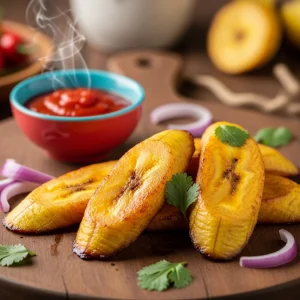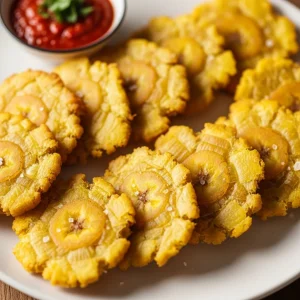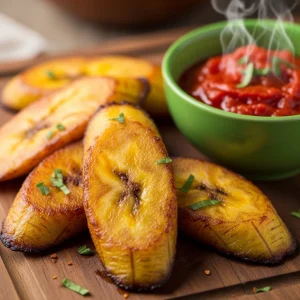

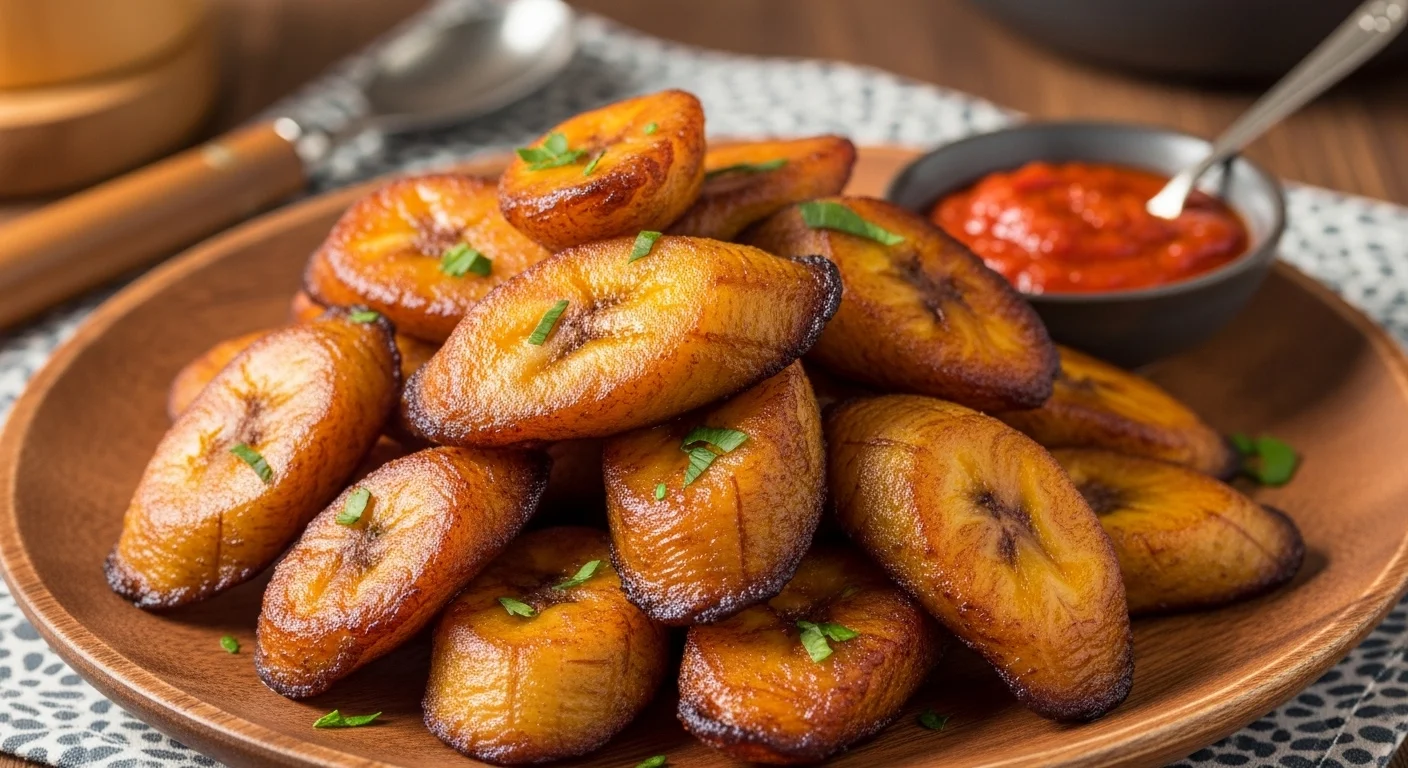
Beneath the vibrant culinary tapestry of Nigeria lies a simple yet mesmerizing gem: the golden-hued fried plantain. Often hailed as a beloved comfort food and a staple on tables from street stalls to festive gatherings, Nigerian fried plantains, locally known as “dodo”, are more than just a side dish; they are a party of flavour, culture, and tradition. This article delves into the art of achieving that perfect crispy edge and tender, caramelized heart, exploring the techniques, varieties, and cultural significance behind this iconic treat. Join us on a flavorful journey as we uncover how humble plantains transform into golden delights that have captured the hearts and palates of millions.
Discovering the Essence of Nigerian Fried Plantains
Golden Delight: The Art of Nigerian Fried plantains invites you on a flavorful journey steeped in rich tradition and vibrant culture. This beloved dish, known locally as “dodo”, has roots deeply embedded in Nigerian kitchens and celebrations. Fried plantains have long been a staple in West African cuisine, symbolizing comfort, hospitality, and festivity. Their natural sweetness paired with a perfectly crispy exterior makes them a timeless favorite across generations.
Nigerians cherish fried plantains not only for their delightful taste but also for their cultural significance. Often served at family gatherings, street parties, and festivals, they add color and warmth to the communal table. This dish evokes nostalgia for many, connecting the past and present with each golden bite. Whether enjoyed as a snack or an accompaniment, fried plantains embody culinary simplicity and brilliance.
Prep and Cook Time
- Preparation: 10 minutes
- Cooking: 10-15 minutes
- Total Time: 20-25 minutes
Yield
Serves 4 as a side or snack
Difficulty Level
Easy – Perfect for both beginners and seasoned cooks seeking that signature crunch and sweetness.
Selecting the Perfect Plantains for Crispy Golden Results
The secret behind impeccable Nigerian fried plantains begins at the market.Choose plantains with a vibrant yellow peel, flecked with small black spots, these indicate just the right stage of ripeness. Fully green plantains tend to be starchy and less sweet, while overly ripe ones may become too soft and caramelized during frying.
Look for plantains that feel firm yet yield slightly to gentle pressure. Their skins should be intact and glossy. This careful selection ensures a balance between the tantalizing sweetness and a firm texture that crisps beautifully. For that coveted golden hue, let your instinct guide you toward those perfectly ripe beauties laden with flavor.
Mastering the technique: Frying Tips for Texture and Flavor
Achieving the iconic crispy-on-the-outside, tender-on-the-inside texture requires attention to detail. First, slice the plantains diagonally into even pieces about ½-inch thick, this larger surface area encourages a crispier, caramelized edge. Heat your oil over medium heat until shimmering but not smoking; typically around 350°F (175°C).
Fry the slices in batches to avoid overcrowding, enabling even cooking and a consistent golden color. Turn them gently midway, letting each side achieve a gorgeous mahogany caramelization. Remove promptly and drain on paper towels to maintain crunch. Lightly seasoning with a pinch of salt right out of the oil elevates their natural sweetness.
TIP: For a special twist, try dusting with a blend of smoked paprika and chili powder immediately after frying to give this classic snack a savory, exciting kick.
Ingredients
- 4 ripe plantains (yellow with black spots)
- 2 cups vegetable oil (for frying)
- ½ teaspoon salt (or to taste)
- Optional: smoked paprika, chili powder, or fresh lime wedges for garnish
Instructions
- Prepare Plantains: Peel the plantains by slicing off the ends and scoring the skin lengthwise.Remove the peel carefully and slice diagonally into ½-inch thick pieces.
- Heat Oil: In a deep frying pan or pot, heat the vegetable oil over medium heat to 350°F (175°C) or until shimmering but not smoking.
- Fry Plantains: Carefully add the plantain slices in small batches to avoid overcrowding. Fry for 3-4 minutes per side, or until golden brown and caramelized.
- drain and Season: Using a slotted spoon, transfer fried plantains to paper towels to drain excess oil. Immediately sprinkle with salt and any optional spices.
- Serve Warm: Serve the golden delights while warm for the best crunchy-tender texture and rich flavor.
Tips for Success
- Use fresh, cold oil for frying and maintain consistent medium temperature to avoid burnt edges or soggy interiors.
- If plantains feel too firm or underripe, allow them to ripen at room temperature for a day or two until spotting appears.
- For a healthier option, try baking plantain slices brushed with a little oil at 400°F (200°C) until crispy, about 20 minutes, flipping halfway.
- make-ahead tip: Prepare and slice plantains in advance; store sliced plantains in an airtight container in the fridge for up to 24 hours.
Serving Suggestions and Complementary Nigerian Dishes
Fried plantains are wonderfully versatile and pair beautifully with many Nigerian dishes. Serve alongside Jollof Rice for a festive cotillion of flavors, or accompany hearty stews like Egusi Soup, adding a contrasting sweetness to savory richness.
For an elevated presentation, garnish with freshly chopped parsley or a squeeze of lime to brighten each bite. Serve with cold, refreshing beverages such as zobo (hibiscus tea) or kunu (millet drink) to complete your authentic Nigerian experience.
| Nutrient | Per serving (approx.) |
|---|---|
| Calories | 220 kcal |
| Protein | 1.5 g |
| Carbohydrates | 35 g |
| Fat | 8 g |
Q&A
Q&A: Golden Delight – The Art of Nigerian Fried Plantains
Q1: What makes Nigerian fried plantains so special?
A1: Nigerian fried plantains, often called “dodo”, are more than just a side dish, they’re a golden celebration of texture and flavor. The magic lies in the skillful balance between sweet ripeness and crispy edges, creating a delightful contrast that’s both comforting and indulgent. It’s a simple ingredient transformed into a culinary icon through technique and tradition.
Q2: Which type of plantain is ideal for frying?
A2: The best plantains for frying in Nigeria are those perfectly ripe-yellow with black spots. This stage offers the sweetest flavor and a tender texture that caramelizes beautifully when fried. Green plantains are starchier and better suited for savory or savory-sweet preparations but usually aren’t used for the classic “dodo”.
Q3: How important is the slicing technique?
A3: Slicing is an art in itself. Thin, even slices ensure that each piece fries uniformly, developing a crisp exterior while remaining soft inside. Some prefer diagonal cuts to maximize surface area and golden crunch, whereas others stick to classic round slices. Either way, consistent thickness is key.
Q4: What type of oil is preferred in Nigeria for frying plantains?
A4: Traditionally, palm oil adds a distinct aroma and rich color to the plantains. However, many Nigerians also use vegetable oil, like corn or groundnut oil, for a neutral flavor and higher smoke point. The choice of oil subtly influences the dish’s profile, balancing authenticity and practicality.
Q5: Are there any secret tips to achieving perfect Nigerian fried plantains?
A5: absolutely! A few secrets elevate the humble dodo:
- Use a medium-high heat so the plantains cook quickly without soaking up too much oil.
- Fry in batches to avoid overcrowding, which lowers temperature and results in soggy slices.
- Pat the plantains dry after slicing to minimize splatter and oil absorption.
- Season simply with a pinch of salt after frying to enhance the natural sweetness.
Q6: How are fried plantains typically served in Nigerian cuisine?
A6: Fried plantains are incredibly versatile. They can be enjoyed as a side with spicy stews like egusi and jollof rice, as a breakfast treat paired with eggs and beans, or even as a snack on their own. Their sweet-savory charm complements a variety of dishes, making them a beloved staple across meals.
Q7: Can fried plantains be adapted for modern or global palates?
A7: Certainly! While honoring the classic method, chefs experiment by adding spices like cinnamon or chili flakes, tossing plantains in honey glaze, or pairing them with dips and salsas. These creative twists respect the root flavors while inviting new tastes to this golden delight.
Q8: Why do fried plantains hold cultural significance in Nigeria?
A8: Beyond their deliciousness, fried plantains symbolize comfort, celebration, and togetherness in Nigerian homes. They’re often present at family gatherings and street food stalls alike, carrying memories and stories from generation to generation. In every golden slice lies a piece of Nigeria’s culinary heart.
Discovering the art of Nigerian fried plantains is embracing a vibrant tradition wrapped in crispy sweetness, a golden delight that warms the soul, one bite at a time.
Key Takeaways
As the golden edges of Nigerian fried plantains glisten with a caramelized sweetness and a whisper of spice, they tell a story far richer than their simple ingredients suggest. More than just a beloved snack or side dish, these vibrant slices represent a culinary tradition steeped in history, culture, and community. Mastering the art of golden delight invites us not only to savor a perfect balance of texture and flavor but also to connect with the warmth of Nigerian heritage on every bite. So next time you hear the sizzle of plantains frying, remember, you’re witnessing a timeless dance of flavor that continues to delight palates around the world.