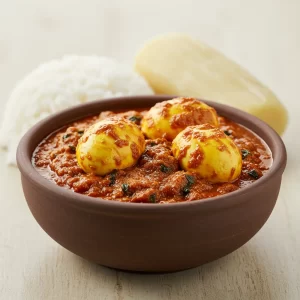

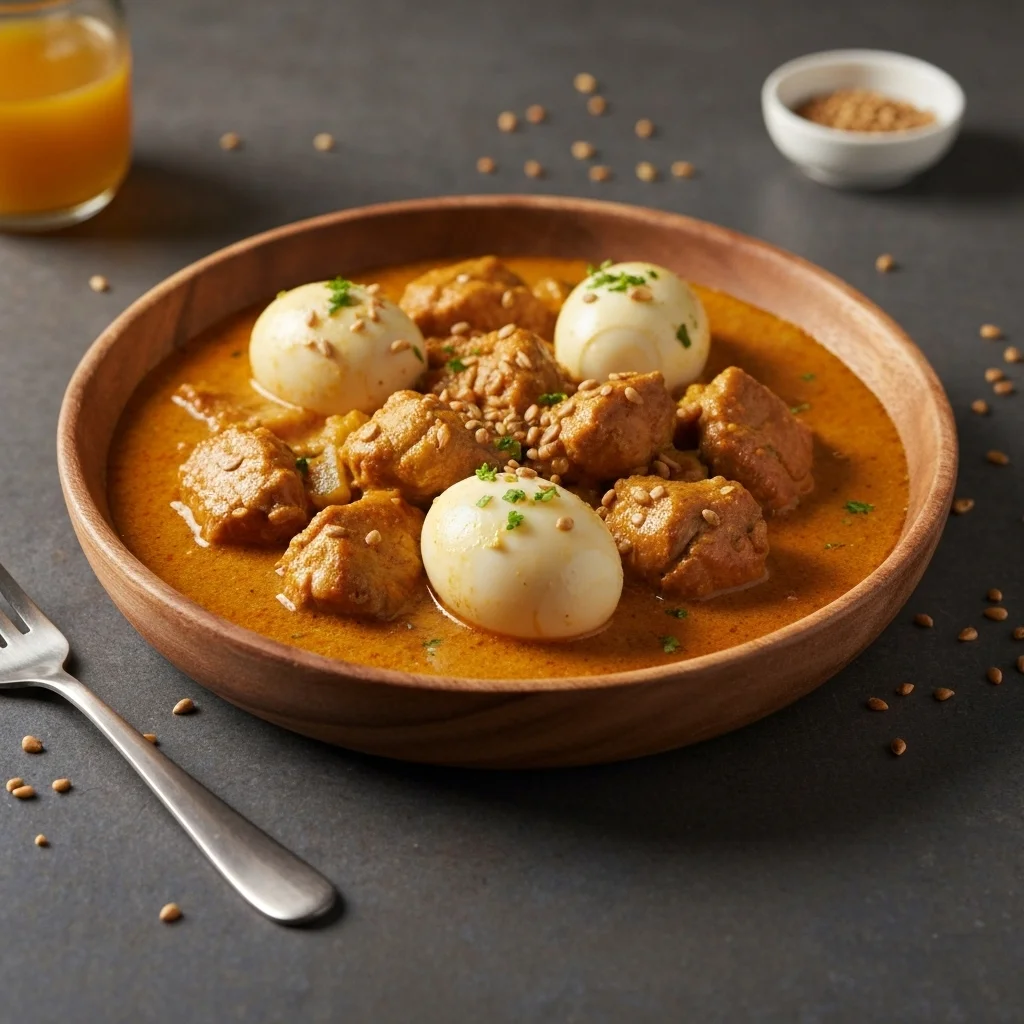
Nestled within the vibrant tapestry of Nigerian cuisine lies a dish that embodies comfort, tradition, and bold flavors-Nigerian egg stew.This hearty, richly spiced concoction is more than just a meal; it’s a culinary celebration of the country’s diverse ingredients and time-honored cooking techniques. From the sizzle of fresh tomatoes and fiery peppers in the pan to the tender, boiled eggs soaking up every bit of aromatic goodness, Nigerian egg stew delights the senses and warms the soul. In this guide, we’ll take you on a flavorful journey through the origins, ingredients, and secrets of crafting this beloved stew, inviting you to savor every spoonful of Nigeria’s savory heritage.
savor the flavors of Nigerian Egg Stew, a vibrant and heartwarming dish that captures the essence of West African home cooking. This beloved stew features a beautifully seasoned tomato base enriched with boiled eggs, bringing together layers of spicy, tangy, and savory notes in every spoonful. Originating from the bustling kitchens of Lagos and spreading through festive tables across Nigeria, this dish is more than just comfort food-it’s a celebration of cultural heritage and culinary artistry.
Prep and Cook Time
- Preparation: 15 minutes
- Cooking: 30 minutes
- Total: 45 minutes
Yield
Serves 4 generous portions
Difficulty Level
Easy to Medium – perfect for both novice cooks and seasoned food lovers
Ingredients
- 6 large eggs, hard-boiled, peeled
- 1/4 cup vegetable oil (groundnut oil preferred for authenticity)
- 1 medium onion, finely chopped
- 4 large ripe tomatoes, blended into a smooth purée
- 2 tablespoons tomato paste
- 2 fresh red bell peppers, blended or finely chopped
- 1-2 scotch bonnet peppers, finely chopped (adjust for heat preference)
- 3 garlic cloves, minced
- 1 teaspoon ground crayfish (optional) for an umami boost
- 1 teaspoon smoked paprika (adds depth)
- 1 teaspoon dried thyme
- 1 teaspoon curry powder
- Salt, to taste
- Freshly ground black pepper, to taste
- 1 cup warm water or broth
- Fresh basil or scent leaves for garnish
Instructions
- Boil and peel the eggs: Place eggs in boiling water for 10 minutes. cool under cold running water and carefully peel. Set aside.
- Prepare the tomato base: Heat the vegetable oil in a deep skillet over medium heat. Add chopped onions and sauté until golden brown, about 5 minutes, stirring occasionally to prevent sticking.
- Add aromatics: stir in minced garlic, blended Scotch bonnet peppers, and red bell peppers. Sauté for another 3 minutes, allowing the vibrant aromas to develop.
- Incorporate tomatoes: Pour in blended tomatoes and tomato paste. Reduce heat to low and cook for 15 minutes, stirring occasionally until the sauce thickens and the oil slightly separates.
- Season the stew: Stir in smoked paprika,curry powder,thyme,ground crayfish (if using),salt,and black pepper. Add warm water or broth to loosen the sauce as needed. Simmer gently for 5 minutes.
- Add eggs: Halve the peeled eggs and gently fold them into the stew, allowing them to absorb some of the flavors and heat through for 3-4 minutes.
- Finish and garnish: Remove from heat and sprinkle fresh basil or scent leaves over the top for a fragrant, herbaceous finish.
Tips for success
- Use fresh, ripe tomatoes to get the richest base flavor. When tomatoes are out of season, canned plum tomatoes are a good choice.
- Ground crayfish adds an authentic umami depth, but you can omit it to keep the stew vegetarian-pleasant.
- Adjust pepper heat by removing seeds from scotch bonnet or using milder peppers for a family-friendly version.
- Make ahead: This stew tastes even better the next day as the flavors deepen. Store refrigerated up to 3 days.
- For extra richness, swirl in a tablespoon of palm oil or additional vegetable oil when cooking onions.
Serving Suggestions
This vibrant egg stew is traditionally paired with a variety of Nigerian staples. Serve alongside soft, fluffy Jollof rice, comforting pounded yam, or smooth semolina fufu. Garnish with chopped fresh herbs and a side of fried plantains for a colorful, balanced plate that satisfies both the eyes and palate. A crisp squeeze of lime or fresh chili flakes can add exciting layers of flavor for adventurous eaters.
| Nutrient | Per Serving | Daily Value (%) |
|---|---|---|
| Calories | 320 kcal | 16% |
| Protein | 18 g | 36% |
| Carbohydrates | 12 g | 4% |
| Fat | 22 g | 34% |
For more insights into the vibrant ingredients of West African cuisine, visit Britannica’s nigerian cuisine overview.
Q&A
Q&A: Savor the Flavors – A Guide to Nigerian Egg Stew Delight
Q1: What is Nigerian Egg Stew and why is it so beloved?
A: Nigerian Egg Stew is a vibrant, savory dish that combines richly spiced tomatoes, onions, peppers, and perfectly boiled eggs. It’s beloved for its bold flavors, comforting warmth, and versatility. More than just a stew, it’s a celebration of Nigerian culinary heritage, often served over rice, yam, or bread, making it a staple at many tables.Q2: What makes Nigerian Egg Stew different from other egg-based dishes?
A: The magic lies in the stew’s base-slow-cooked, aromatic tomatoes mixed with blended peppers, onions, and a signature mix of local spices like bouillon cubes and scotch bonnet peppers. These ingredients infuse the dish with a distinct heat, sweetness, and depth that elevate simple boiled eggs into a soulful feast.
Q3: Can you describe the flavor profile of this stew?
A: Imagine the comforting sweetness of ripe tomatoes mingling with the fiery kick of scotch bonnet peppers, softened by smoky onions and enriched with subtle umami from spices and seasoning. The eggs absorb these flavors, resulting in a hearty stew that balances spice, sweetness, and earthiness.
Q4: What are the essential ingredients for making a traditional Nigerian Egg Stew?
A: The essentials include fresh tomatoes or canned plum tomatoes,red bell peppers,onions,garlic,scotch bonnet (or habanero) peppers,cooking oil (typically palm or vegetable oil),bouillon cubes (Maggi or similar),salt,and hard-boiled eggs. Additional optional spices include thyme and curry powder for extra depth.
Q5: Is Nigerian Egg Stew difficult to prepare?
A: Not at all! With a bit of preparation, like boiling the eggs and blending the peppers and tomatoes, the stew comes together quickly. The key is patience during the cooking process to allow the flavors to marry beautifully. Even novice cooks can master this dish in under an hour.
Q6: What are the best dishes to pair with Nigerian Egg Stew?
A: Nigerian Egg Stew is incredibly versatile. Traditionally, it’s served with steamed white rice, jollof rice, yam slices, plantains, or bread (like the classic Nigerian agege bread). Each pairing offers a different texture and complements the stew’s rich flavors perfectly.
Q7: Can the stew be made vegan or vegetarian?
A: Absolutely! Simply omit the eggs or replace them with tofu or mushrooms for added protein and texture.The flavorful tomato and pepper base remains just as delicious and can be enjoyed by vegetarians and vegans alike.
Q8: What cultural importance does Nigerian Egg Stew hold?
A: Beyond being a delicious meal, Nigerian Egg Stew symbolizes communal sharing and home-style comfort. It’s a dish often prepared during family gatherings, celebrations, and everyday meals-linking generations through its taste and tradition.
Q9: Any secret tips to elevate the stew’s flavor?
A: For a richer flavor, try frying the blended tomato-pepper mix until the oil surfaces-this “red oil” is a hallmark of many Nigerian stews. also, don’t shy away from adding a bit of smoked paprika or a dash of nutmeg for an aromatic twist. Using fresh ingredients and simmering slowly will always enhance the final dish.
Q10: Where can someone new to Nigerian cuisine start to explore dishes like Egg Stew?
A: Start at local Nigerian or African markets to find authentic ingredients like scotch bonnet peppers and bouillon cubes. Follow traditional recipes from trusted sources or Nigerian home cooks online. Once you master Egg Stew, dive into other favorites like Jollof rice, Egusi soup, and Pepper Soup to fully savor the flavors of Nigeria!
Future outlook
As you close this flavorful journey through the art of Nigerian egg stew, let your kitchen become a canvas where tradition and taste intertwine. Whether it’s the rich, spicy tomato base or the tender eggs soaking up every vibrant note, this dish invites you to savor not just a meal, but a story steeped in culture and warmth. So next time hunger calls, remember-Nigerian egg stew isn’t just food; it’s an experiance waiting to be shared, one delicious spoonful at a time.