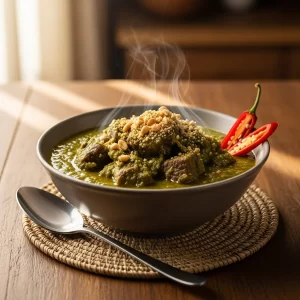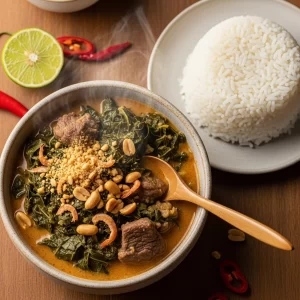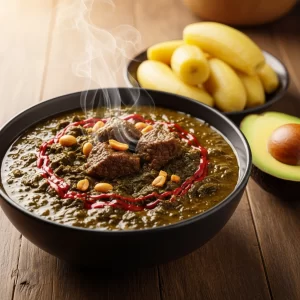

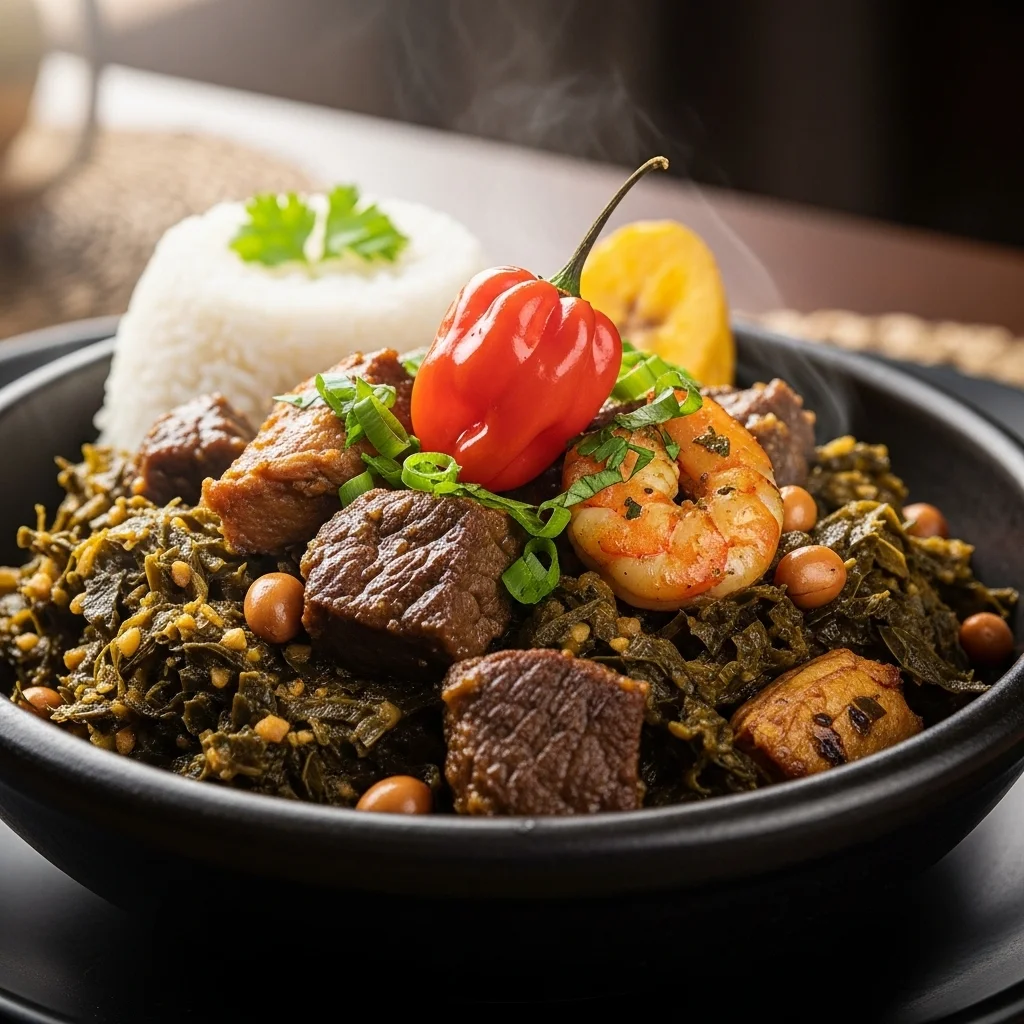
In the vibrant mosaic of African cuisines, Cameroon’s culinary heritage stands out with an array of bold flavors and time-honored traditions. At the heart of this flavorful tapestry lies Ndolé, a dish that encapsulates the essence of Cameroon’s diverse cultural landscape. Often described as a symphony of bitter leaves, spicy nuts, and tender meats, Ndolé is more than just a meal-it’s a storytelling vessel passed down through generations. This article peels back the layers of ndolé’s rich history, unique ingredients, and cultural meaning, inviting you to savor a true Cameroonian treasure that continues to captivate palates both at home and around the world.
Ndolé Unveiled: Cameroon’s Flavorful Culinary Treasure carries a rich heritage originating from the Western regions of Cameroon, where it has long been celebrated as a symbol of community, festivity, and culinary artistry. This beloved dish, frequently enough considered Cameroon’s national stew, tells a story beyond its bold, complex flavors-it embodies tradition, family gatherings, and cultural pride passed down through generations.
Prep and Cook Time
- Preparation: 30 minutes
- Cooking: 1 hour 15 minutes
- Total Time: 1 hour 45 minutes
Yield
- Serves 6 hearty portions
Difficulty Level
- Medium – requires attention to detail but rewarding for any home cook
Key Ingredients and Conventional Preparation Techniques
Ndolé is a deliciously savory Cameroonian stew that harmonizes bitterleaf-a robust, slightly bitter green-with rich, aromatic spices and tender proteins like beef, goat, or fish. Central to its flavor are peanut paste (or groundnut paste) and fresh bitterleaf, both of wich must be expertly prepared to balance bitterness with creamy nuttiness.
- 2 cups fresh bitterleaf (washed thoroughly and squeezed to remove excess bitterness)
- 1 lb beef or goat meat, cut into bite-sized pieces (can substitute with smoked fish for coastal variations)
- 1 cup peanut paste (smooth and unsweetened)
- 2 medium onions, finely chopped
- 4 cloves garlic, minced
- 2 fresh chili peppers, chopped (adjust to heat preference)
- 1 cup palm oil or vegetable oil (for authentic flavor)
- 2 cups water or beef stock
- Salt and seasoning cubes to taste
exploring Regional Variations and Flavor Profiles
The essence of Ndolé shifts subtly across Cameroon’s regions. In the coastal areas, smoked fish or prawns enrich the stew’s depth, lending a smoky, oceanic undertone contrasting the bitterleaf’s green sharpness. Meanwhile, inland areas favor beef or goat meat simmered to tender perfection. The peanut paste’s creaminess is key, binding these layers into a silky, velvety stew. Some variations introduce tomatoes to add a hint of acidity, balancing the dish’s richness.
Instructions
- Prepare the bitterleaf: Thoroughly wash and rinse the leaves multiple times, then squeeze out excess water to reduce bitterness. This crucial step softens the leaves and ensures the dish is pleasantly balanced.
- Cook the meat: In a large pot, heat half the palm oil over medium heat. Add the beef or goat meat and sauté until sealed and browned evenly, about 8-10 minutes.
- Sauté aromatics: Add chopped onions, garlic, and chili peppers to the pot. Cook until fragrant and golden, about 5 minutes, stirring often to prevent burning.
- Add bitterleaf: Incorporate the prepared bitterleaf and stir thoroughly for 5 minutes, allowing it to wilt and meld with spices and meat.
- Blend peanut paste: In a bowl, whisk the peanut paste with water or beef stock until smooth and pour into the pot.
- Simmer: Reduce heat and simmer gently for 45 minutes to 1 hour, stirring occasionally. The stew will thicken and the flavors will marry. Add salt and seasoning cubes gradually, tasting as you go.
- Final touch: Adjust seasoning and oil levels, then simmer an additional 5 minutes. For an extra glossy finish, drizzle the remaining palm oil on top before serving.
Chef’s Notes and Tips for Success
- Washing bitterleaf multiple times is key to controlling bitterness without losing its distinctive flavor.
- Peanut paste consistency varies; use smooth paste for creamier stew, and avoid bland store-bought peanut butters containing sugar or salt.
- Substitute goat meat with chicken for a lighter version, or add smoked fish for an authentic coastal twist.
- Make-ahead tip: Ndolé tastes even richer the next day as flavors deepen. Reheat gently on low heat, stirring in a splash of water or stock.
Pairing Ndolé with Authentic Sides and Beverage Recommendations
This vibrant stew reaches its full potential when paired with classic accompaniments such as:
- Boiled plantains: Their natural sweetness balances Ndolé’s earthy bitterness.
- White rice: A neutral canvas soaking up every luscious drop of the sauce.
- fufu (cassava or cocoyam): For a traditional textural contrast, perfect for soaking and savoring the stew.
For beverages, consider traditional palm wine to complement the meal’s authenticity or a chilled lager like an African craft IPA to cut through the richness. A refreshing hibiscus iced tea paired with a hint of lime also provides a beautiful citrusy counterpoint to the nutty, savory flavors.
Nutritional Details
| Nutrient | Per Serving |
|---|---|
| Calories | 380 kcal |
| Protein | 28 g |
| Carbohydrates | 12 g |
| Fat | 25 g |
For an in-depth history, explore this Cameroon cultural overview which highlights the importance of dishes like Ndolé within the broader cultural fabric.
Discover more traditional African recipes and tips through our African Cuisine Essentials series.
Q&A
Q&A: Ndolé Unveiled – Cameroon’s Flavorful Culinary treasure
Q1: What is Ndolé, and why is it so special in Cameroonian cuisine?
A1: Ndolé is more than just a dish; it’s a vibrant tapestry of Cameroon’s cultural heritage, simmered into a rich, savory stew. Made primarily from bitter leaves (ndolé), peanuts, and a medley of spices, it embodies a perfect harmony of bitter, nutty, and spicy flavors. This dish is cherished for its unique taste and its role as a celebratory centerpiece in Cameroonian homes and gatherings.
Q2: Where do the main ingredients of Ndolé come from, and what makes them unique?
A2: The star ingredient, bitter leaves, are native to Cameroon and much of Central Africa, prized for their distinctively sharp but pleasant bitterness. Blanched to soften, they balance perfectly with creamy ground peanuts – a staple crop in the region. Together with fresh fish, beef, or shrimp, these ingredients create a depth of flavor that’s deeply rooted in local tradition.
Q3: how is Ndolé traditionally prepared, and does the cooking method affect its flavor?
A3: Preparation of Ndolé is a labor of love. the bitter leaves must be carefully washed and blanched multiple times to mellow their bitterness without losing character. Ground peanuts are slowly cooked to release their creamy richness, while meats or seafood are simmered to tender perfection. This gradual and attentive cooking process allows layers of flavor to develop, making each bite a complex delight.
Q4: Are there variations of Ndolé across different regions or communities in Cameroon?
A4: Absolutely! While the core ingredients stay consistent, variations abound. Coastal regions might highlight seafood, while inland areas prefer beef or cow tripe. Some may add palm oil for a smoky edge or incorporate local spices to enhance warmth. Each version reflects the storyteller’s heritage, making Ndolé a living mosaic of Cameroonian diversity.
Q5: What occasions call for Ndolé, and how is it typically served?
A5: Ndolé graces many tables during festive occasions-weddings, birthdays, and national celebrations-where it’s revered as a symbol of unity and gratitude. Traditionally served alongside steamed plantains, boiled cassava, or rice, it invites diners to savor robust, comforting flavors while sharing stories and laughter.
Q6: Beyond its taste, what cultural significance does Ndolé hold?
A6: Ndolé is a culinary emblem of cameroonian identity, encapsulating communal values like hospitality, resilience, and creativity. Sharing Ndolé is an act of connection, bridging generations and communities through shared heritage and the simple joy of good food.
Q7: How can someone outside Cameroon experiance Ndolé authentically?
A7: To taste Ndolé authentically, seek out Cameroonian restaurants or communities abroad that prepare it traditionally. For adventurous cooks, sourcing fresh bitter leaves might be a challenge, but with patience and the right substitutions (like kale or spinach combined with a touch of bitter herbs), you can approximate the dish’s essence. Though, nothing beats the experience of enjoying Ndolé in its homeland, accompanied by the warmth of Cameroonian hospitality.
embarking on a journey through ndolé is more than a culinary adventure-it’s a flavorful dive into Cameroon’s soul. Each spoonful offers a story, a culture, and a celebration waiting to be discovered.
Closing Remarks
As the rich aroma of Ndolé lingers in our senses, it becomes clear that this beloved Cameroonian dish is far more than a simple meal-it’s a vibrant story woven from the threads of culture, history, and community. Each bite offers a taste of tradition, blending the slightly bitter ndolé leaves with hearty nuts and savory proteins, creating a harmonious symphony that has delighted generations. In uncovering Ndolé’s flavorful depths, we not only celebrate a culinary treasure but also embrace a vital piece of Cameroon’s heritage, reminding us that food is a powerful gateway to understanding and connecting with the heart of a nation. Whether you’re a seasoned foodie or a curious traveler, ndolé invites you to savor more than its unique flavors-it beckons you to experience the soulful spirit of Cameroon itself.