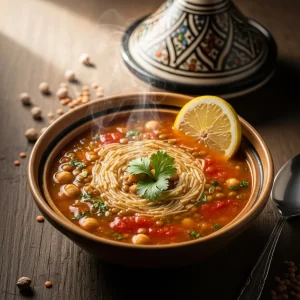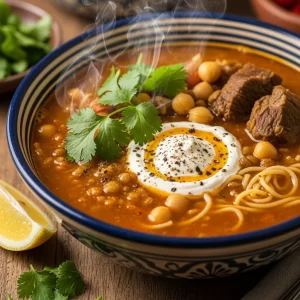


In the heart of Morocco’s bustling medinas and sun-drenched kitchens, a fragrant steam rises from simmering pots, carrying with it centuries of history, culture, and community. Harira, a soulful Moroccan soup, is far more than a simple dish-it is a flavorful tradition that embodies hospitality, celebration, and nourishment in every spoonful.blending tender lentils, fresh herbs, aromatic spices, and hearty tomatoes, Harira weaves together an intricate tapestry of tastes that tell the story of a vibrant land and its people. Whether enjoyed to break the fast during Ramadan or shared at family gatherings, this beloved soup invites you to savor Morocco’s rich culinary heritage, one vibrant bowl at a time.
Moroccan Harira is more than just a soup; it is a vibrant tapestry woven into the cultural fabric of Morocco. Traditionally served during Ramadan to break the fast,this hearty stew is a beautiful blend of fresh herbs,legumes,tomatoes,and tender meats that create a warming,soulful experience in every spoonful. Growing up,the aroma of simmering Moroccan Harira in my grandmother’s kitchen sparked anticipation and togetherness,embodying the essence of Moroccan hospitality.
Prep and Cook time
- Readiness: 20 minutes
- Cooking: 1 hour 15 minutes
- Total Time: 1 hour 35 minutes
Yield
Serves 6 generous bowls
Difficulty Level
Medium – Perfect for cooks ready to explore authentic Moroccan flavors
Key Ingredients and Their Role in Creating Distinctive Flavors
- Tomatoes: Fresh and pureed, they bring a shining tang and balance the earthiness.
- Lentils and chickpeas: These legumes add creamy texture and protein richness.
- Fresh herbs (cilantro & parsley): Essential for that bright, aromatic lift characteristic of Harira.
- Spices (cinnamon, ginger, turmeric, saffron): Create depth, warmth, and complexity.
- Beef or lamb: Provides hearty, savory umami, infusing the broth with richness.
- Celery and onions: Form the aromatic base alongside garlic for subtle sweetness and earthiness.
- Flour-water slurry: Thickens the broth to its signature velvety consistency.
Step-by-Step Guide to Preparing Authentic Moroccan Harira at Home
- Prepare your ingredients: Finely chop 1 cup of cilantro and parsley, dice 1 medium onion, 2 celery stalks, and mince 3 cloves of garlic.
- Sauté aromatics: In a large pot,heat 3 tbsp olive oil over medium heat. Add onions,celery,and garlic. sauté until golden brown, about 7 minutes, stirring occasionally to prevent sticking.
- Brown the meat: Add 1 lb cubed beef or lamb and cook until well-seared, about 6 minutes.
- Add tomatoes and spices: Stir in 2 cups pureed tomatoes, 1 tsp turmeric, 1 tsp ginger, 1/2 tsp cinnamon, a pinch of saffron threads (optional), and salt to taste. Cook for 10 minutes to marry the flavors.
- Add lentils and chickpeas: Stir in 1/2 cup lentils and 1 cup cooked chickpeas (or canned,rinsed). Pour in 6 cups warm water or broth.
- Simmer gently: Cover and simmer over low heat for 45 minutes, stirring occasionally, until lentils are tender and flavors meld beautifully.
- Prepare the slurry: mix 3 tbsp all-purpose flour with 1 cup cold water until smooth.
- Thicken the soup: Gradually whisk the flour slurry into the simmering pot.Continue to cook for 5-8 minutes until the soup thickens to a luscious consistency.
- Add herbs and final seasoning: Stir in the fresh chopped cilantro and parsley, adjust salt and pepper as needed. Remove from heat and let rest for 10 minutes to deepen the flavor.
Tips for Success
- Use fresh herbs rather than dried for the bright, authentic flavor that defines Moroccan Harira.
- The flour slurry ensures a silky texture; stir constantly when adding to avoid lumps.
- For a vegetarian version, substitute meat with mushroom or extra beans and boost spices accordingly.
- Make ahead: Harira tastes even better the next day after chilling and reheating gently.
- If you prefer a thinner soup, add more broth or water during the simmering step.
Pairing suggestions and Serving Tips to elevate Your Harira Experience
Serve your Moroccan Harira in rustic, deep bowls garnished with a sprig of fresh parsley and a squeeze of lemon to brighten each spoonful. Customary accompaniments include chebakia (sweet sesame cookies) or warm, fluffy khobz (Moroccan bread) great for dipping and soaking up the rich broth. For a fuller meal, offer a side of dates and olives, enhancing the festive spirit of this classic dish.
| Nutrient | Per Serving |
|---|---|
| Calories | 290 kcal |
| Protein | 22 g |
| Carbohydrates | 28 g |
| Fat | 8 g |
For more on Moroccan flavors and stews, check out our detailed guide on Moroccan Tagine recipes. To explore the historical roots of legume stews worldwide, the Encyclopedia Britannica’s article on North african cuisine is an excellent resource.
Q&A
Q: What is Moroccan Harira and why is it so celebrated?
A: Moroccan Harira is much more than just a soup-it’s a heartwarming tradition simmering with history, culture, and vibrant flavors. Bursting with tomatoes,lentils,chickpeas,fragrant spices,and tender meat,this rich stew is a beloved staple,especially during Ramadan,where it breaks the fast with a comforting embrace in every spoonful.
Q: what ingredients give Harira its distinctive flavor?
A: The magic of Harira lies in its harmonious blend of fresh herbs like cilantro and parsley, zesty tomatoes, protein-packed lentils and chickpeas, and tender chunks of lamb or beef. The secret spice mix-cinnamon, ginger, turmeric, and sometimes saffron-adds a fragrant warmth that dances on the palate. A touch of lemon juice or vinegar brightens the dish, balancing its hearty richness.
Q: How is Harira traditionally prepared?
A: Patience is key! Slow simmering allows the flavors to meld beautifully. Typically, onions and tomatoes are sautéed as the base, followed by the addition of soaked lentils and chickpeas. Meat is cooked until tender, and fresh herbs and spices are stirred in toward the end for optimal freshness. Many Moroccan cooks incorporate a thin flour and water mixture to slightly thicken the texture, making each spoonful luxuriously smooth.
Q: What role dose Harira play in Moroccan culture?
A: Harira is much more than nourishment-it’s a symbol of community and celebration. During Ramadan, families gather to break their fast with this soul-soothing soup, often accompanied by dates and chebakia (a sweet sesame cookie). Beyond Ramadan,Harira graces tables during weddings,birthdays,and festive occasions,serving as a appetizing reminder of hospitality and togetherness.
Q: Can Harira be adapted for modern or dietary preferences?
A: Absolutely! While the traditional recipe features meat, there are splendid vegetarian and vegan versions that omit animal products but retain the soul of the dish through spices, legumes, and herbs. Some cooks experiment with adding noodles or rice for a twist. Harira’s flexibility makes it a perfect canvas for both traditionalists and culinary adventurers alike.Q: Why should someone new to Moroccan cuisine try Harira?
A: Because Harira is a spoonful of Morocco’s vibrant spirit.It offers an inviting introduction to the country’s rich culinary heritage, combining hearty textures and bold yet comforting flavors. Each bowl tells a story of warmth,family,and centuries-old tradition-transforming a simple meal into a memorable cultural experience.
To Conclude
As the warm aroma of Moroccan Harira lingers in the air,it tells a timeless story-one of rich history,vibrant culture,and the comforting embrace of home-cooked tradition. Each spoonful is more than just a blend of fragrant spices, tender lentils, and hearty tomatoes; it’s a celebration of community, resilience, and shared moments around the table.Whether sipped to break a fast during Ramadan or enjoyed as a nourishing meal any time of year, Harira invites us to savor not just its flavors, but the warmth and heritage it carries. In every bowl lies a flavorful tradition, waiting to be discovered and cherished-one spoonful at a time.