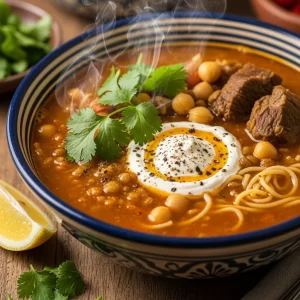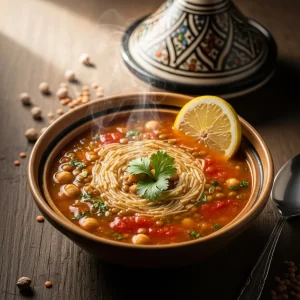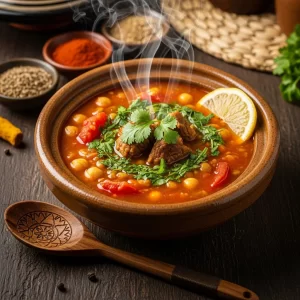

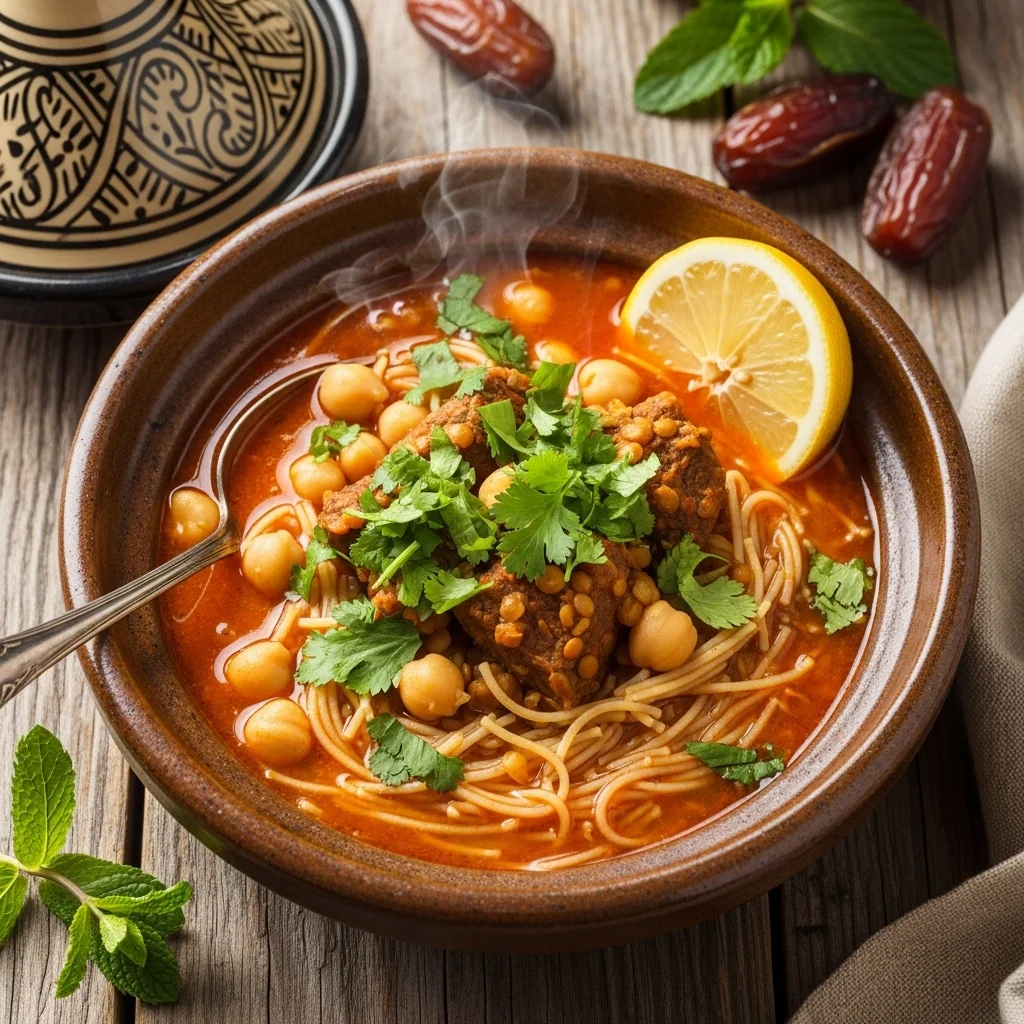
Steeped in centuries of history and bursting with vibrant aromas,Moroccan harira is much more than just a soup-it is a flavorful journey through tradition. every spoonful tells a story of bustling markets, fragrant spices, and the warm hospitality that defines Moroccan culture. From its rich tomato base too the tender lentils, chickpeas, and delicate herbs, Harira is a culinary masterpiece that bridges families and generations, especially during the holy month of Ramadan. Join us as we explore the origins, ingredients, and cultural significance of this beloved dish, uncovering the essence of Morocco in every hearty bowl.
Moroccan Harira is more than just a soup – its a warm embrace of tradition and culture, cherished across generations and regions in Morocco. This hearty, aromatic stew has been the cornerstone of many Moroccan families’ tables, especially during Ramadan when it breaks the fast with rich, comforting flavors. Born from a blend of Berber, arab, and Andalusian influences, Moroccan Harira carries centuries of culinary heritage that tells a story of connection, festivity, and soulful nourishment.
Prep and Cook Time for Moroccan Harira
- Preparation: 20 minutes
- Cooking: 1 hour 10 minutes
- Total: 1 hour 30 minutes
Yield
Serves 6 generous bowls, perfect for family gatherings or festive occasions.
Difficulty Level
Medium – approachable for home cooks ready to explore Moroccan flavors with confidence.
Key Ingredients That Define the Authentic Harira Flavour
- 1 cup dried lentils, rinsed and drained
- ½ cup chickpeas, soaked overnight or canned, drained
- 1 large onion, finely chopped
- 2 medium tomatoes, peeled and pureed
- ½ cup fresh cilantro and parsley, finely chopped
- 2 stalks celery, finely diced
- ¼ cup all-purpose flour mixed with water for the slurry
- 3 tablespoons olive oil
- 1 teaspoon ground ginger
- 1 teaspoon ground cinnamon
- 1 teaspoon turmeric
- 1 teaspoon paprika
- Salt and black pepper, to taste
- 4 cups beef or chicken broth
- Optional: 100g lamb or beef, cubed (for a richer, meatier version)
- Juice of 1 lemon, to brighten flavors at the end
Step by Step Guide to Preparing Conventional Harira at Home
- Prepare the base: In a large heavy-bottomed pot, heat the olive oil over medium heat. Add the chopped onions and celery, sautéing untill they turn soft and translucent, about 7 minutes. Stir frequently to prevent sticking.
- Add spices and herbs: Mix in the ginger, cinnamon, turmeric, paprika, salt, and pepper with the sautéed vegetables. Cook for 1-2 minutes until fragrant, releasing the warm, earthy aromas that define the soup.
- Add tomatoes and meat (optional): Pour in the pureed tomatoes and add the lamb or beef if using. Brown the meat lightly, about 5 minutes, stirring occasionally.
- Add lentils and chickpeas: Stir in the rinsed lentils and soaked chickpeas.Cover with broth, bring to a boil, then reduce heat to a gentle simmer.
- Simmer with herbs: Add the fresh parsley and cilantro into the pot. Cover and let it simmer for about 45 minutes, or until the lentils and chickpeas are tender and the flavors meld beautifully.
- Thicken the soup: Slowly whisk the flour slurry (flour mixed with water) into the soup, stirring constantly to avoid lumps. Simmer for an additional 10 minutes until the soup thickens to a smooth, velvety texture.
- Finish with lemon juice: Just before serving, stir in fresh lemon juice to add a subtle brightness that balances the deep, spiced richness.
tips for Success
- use fresh herbs for authentic herbal notes – dried herbs will result in a less vibrant taste.
- For a vegetarian version, skip the meat and opt for vegetable broth or water with added seasoning.
- Soaking chickpeas overnight softens them, reducing cooking time and improving texture.
- Maintain a gentle simmer during cooking to prevent lentils from breaking down too much.
- Make ahead: Harira tastes even better the next day as the spices deepen, making it a perfect make-ahead meal.
Pairing Harira with Moroccan Sides and Celebratory Rituals
Serving Moroccan Harira at home is a feast of tradition.Commonly paired with fluffy Moroccan bread (khobz), it invites the diner to dip and savor every spoonful. Often served first during Ramadan to break the fast, it is accompanied by chebakia (sweet, honey-coated pastries), dates, and fresh fruit. Serving Harira alongside mint tea completes the sensory experience, where the warmth and spice of the soup contrast beautifully with the refreshing herbaceous notes of the tea.
| Nutrient | Per Serving |
|---|---|
| Calories | 280 kcal |
| Protein | 15 g |
| Carbohydrates | 38 g |
| Fat | 6 g |
Ready to explore more Moroccan delights? Dive into our authentic Moroccan tagine recipes for an exciting culinary experience. To deepen your cultural understanding, visit britannica’s article on Harira.
Q&A
Q&A: Moroccan harira – A Flavorful Journey Through Tradition
Q1: What is Harira, and why is it important in Moroccan culture?
A: Harira is a hearty, aromatic soup that embodies the heart and soul of Moroccan culinary heritage. Traditionally served during Ramadan to break the fast, Harira is more than just a dish-it’s a symbol of hospitality, family unity, and spiritual reflection. Its rich blend of tomatoes, lentils, chickpeas, meat, and fragrant herbs invites warmth and connection, kindling both stomach and spirit.
Q2: What are the key ingredients that give Harira its distinct flavor?
A: The magic of Harira lies in its balance of earthy legumes, tender meat (usually lamb or beef), fresh tomatoes, and a vibrant bouquet of spices like cinnamon, ginger, turmeric, and saffron. Fresh herbs such as cilantro and parsley add brightness, while hints of lemon and dried fenugreek lend a subtle tang. This symphony of flavors creates a comforting, complex taste unique to Moroccan kitchens.
Q3: How has Harira evolved over time?
A: While the essence of Harira remains rooted in tradition, its recipes have gently adapted across generations. Variations in meat choices, the inclusion or omission of eggs and flour for thickening, and regional spice blends showcase Morocco’s diverse culinary landscape. Modern cooks may experiment with vegetarian versions or quicker preparation methods, but the soul of this soup-nourishment and celebration-never changes.
Q4: What is the cultural experience of sharing Harira?
A: Sharing a bowl of Harira is an act of communal celebration. During Ramadan evenings, families and friends gather to savor the soup as the sun sets, marking a moment of gratitude and togetherness. even outside fasting, Harira appears at weddings, social gatherings, and casual meals, reinforcing social bonds. The ritual of serving Harira-often accompanied by dates and chebakia (a sweet pastry)-turns eating into a cherished experience.
Q5: Can you describe the preparation process of traditional Harira?
A: Preparing Harira is a loving, layered process. First, onions and meat gently sauté in olive oil, releasing their aromas. Then,lentils and chickpeas join the pot,bathing in a tomato-infused broth seasoned with an array of spices. After simmering until tender, a mixture of flour and egg is stirred in to give the soup a luscious thickness. fresh herbs and a splash of lemon juice crown the dish, balancing earthiness with brightness. The slow, attentive cooking transforms humble ingredients into a soul-warming feast.
Q6: How can someone new to Moroccan cuisine appreciate Harira at home?
A: To truly appreciate Harira, approach it as a journey rather than just a recipe. Source fresh ingredients, patience for slow simmering, and a willingness to embrace bold spices. Invite loved ones to the table, share stories, and savor each spoonful mindfully.Even if unfamiliar with Moroccan spices, the layering of flavors makes Harira approachable and deeply rewarding-a tasty gateway to a vibrant culture.
Q7: What makes Harira a timeless treasure in Moroccan gastronomy?
A: Harira’s timelessness springs from its ability to nourish body and soul simultaneously. It’s a dish steeped in history,ritual,and flavor,yet adaptable and alive in everyday life. Its comforting warmth transcends seasons and celebrations, inviting all who taste it to experience the richness of Moroccan tradition-one spoonful at a time.
Key Takeaways
As the aromatic steam of a steaming bowl of Moroccan Harira rises, it carries with it centuries of history, culture, and heartfelt tradition. More than just a soup, Harira is a flavorful journey that invites us to savor the vibrant spices, tender lentils, and rich tomatoes that tell the story of Morocco’s diverse heritage. Whether shared during Ramadan’s sacred evenings or enjoyed as a comforting meal any day of the year, Harira connects us to a timeless ritual of hospitality and community. So next time you dip your spoon into this savory treasure, remember you’re partaking in a culinary legacy that transcends borders-one delicious bowl at a time.