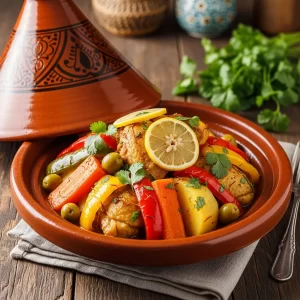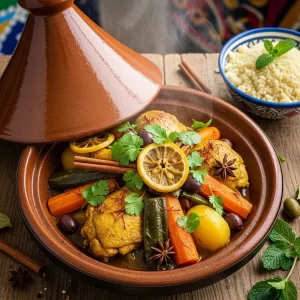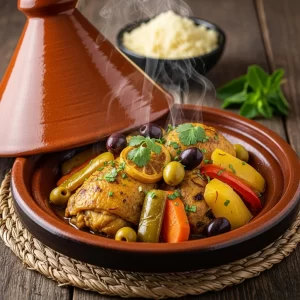

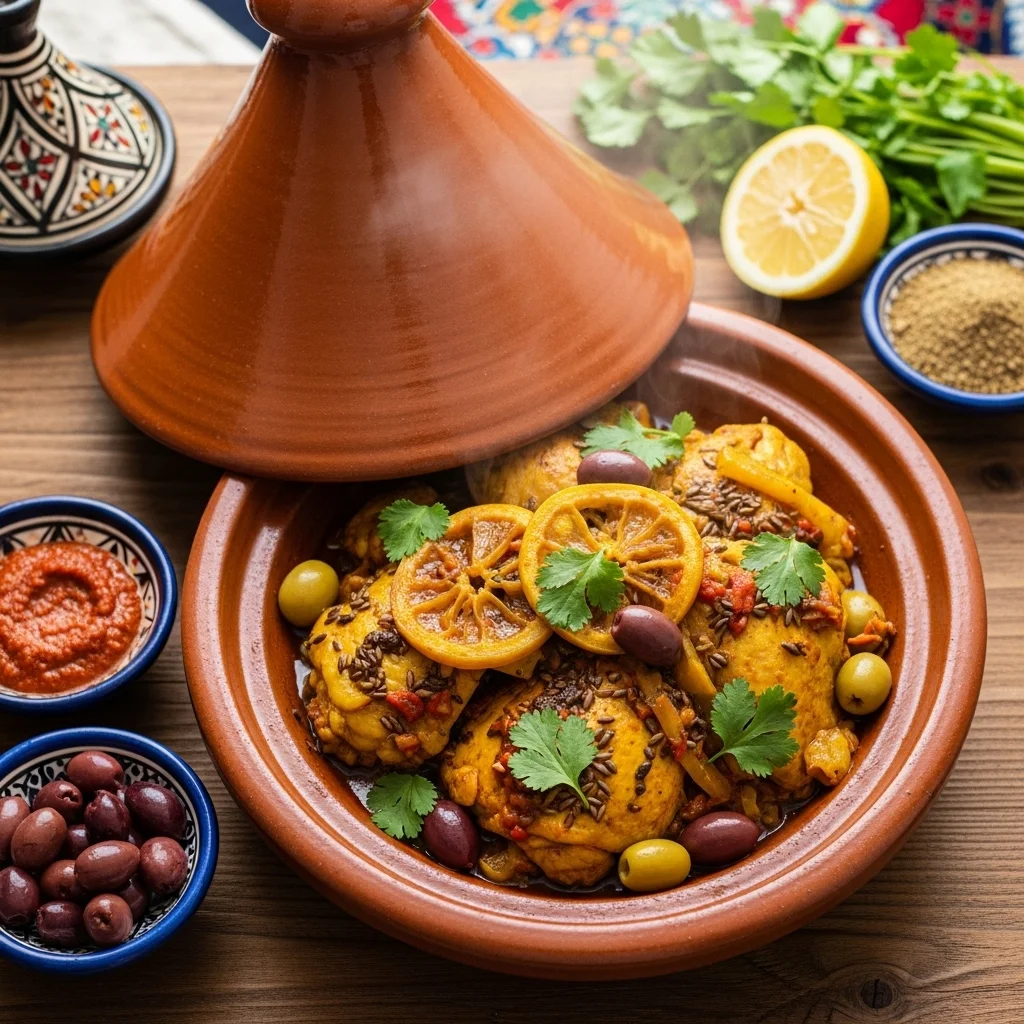
There’s something almost magical about Moroccan chicken tajine; a dish that transports you straight to the bustling souks and fragrant spice markets of North Africa with every tender bite. Rich with layers of flavor, woven from a tapestry of exotic spices, sweet dried fruits, and slow-cooked goodness, this iconic stew is more than just a meal; it’s a culinary journey. Whether you’re a seasoned cook or a curious beginner, mastering Moroccan chicken tajine opens the door to a world where tradition meets taste in the most enchanting way. In this step-by-step guide, we’ll unravel the secrets of this beloved dish, helping you bring a taste of Morocco to your kitchen with confidence and flair.
Mastering Moroccan Chicken Tajine begins with selecting authentic ingredients that breathe life into this iconic North African dish. The heart of any tajine lies in using free-range chicken or a quality cut of bone-in thighs, which ensure tender, juicy results infused with aromas of saffron and warm, earthy spices. Incorporate fragrant preserved lemons and briny green olives to add layers of complexity, while freshly ground cumin, coriander, cinnamon, and turmeric form the aromatic backbone that will transport your kitchen straight to marrakech.
Prep and Cook Time
- Preparation: 20 minutes
- Cooking: 1 hour 15 minutes
- Total Time: 1 hour 35 minutes
Yield
Serves 4 generous portions
difficulty Level
Medium – perfect for home cooks wanting to elevate their repertoire with a classic dish
Ingredients
- 1 whole chicken (about 3.5 lbs), cut into 8 pieces (or 8 bone-in thighs)
- 2 tbsp olive oil
- 1 large onion, thinly sliced
- 3 garlic cloves, minced
- 1 tsp ground ginger
- 1 tsp ground cumin
- 1 tsp ground coriander
- 1/2 tsp turmeric
- 1 stick cinnamon
- Pinch of saffron threads, soaked in 2 tbsp warm water
- Salt and freshly ground black pepper, to taste
- 1 preserved lemon, pulp discarded, rind rinsed and thinly sliced
- 1 cup green olives, pitted
- 1 cup chicken broth
- Fresh cilantro and parsley, roughly chopped for garnish
Instructions
- Prepare the chicken: Pat the chicken pieces dry; season well with salt, pepper, and half of the ground spices (ginger, cumin, coriander, turmeric).
- Sauté aromatics: Heat olive oil in a heavy-bottomed pot or traditional tajine over medium heat. Add the sliced onions and garlic. Sauté until soft and golden, about 8 minutes, stirring frequently to prevent sticking.
- Brown the chicken: Nestle the chicken pieces skin-side down into the pot. Brown for 5 minutes per side until golden but not fully cooked. This seals in juices and adds flavor.
- Add spices and liquids: sprinkle the remaining spices and cinnamon stick over the chicken. Pour in the saffron infusion and chicken broth. Stir gently to combine, ensuring spices are evenly distributed.
- Simmer gently: Cover the pot with a lid or the tajine conical lid. Reduce heat to low and simmer for 45 minutes, turning the chicken halfway to cook evenly and absorb flavors.
- Incorporate olives and preserved lemon: Add the sliced preserved lemon and olives to the pot. Simmer uncovered for another 10-15 minutes until sauce thickens to a luscious, spoonable consistency.
- Rest and garnish: Turn off heat and let the tajine rest 10 minutes before serving. Sprinkle freshly chopped cilantro and parsley on top for freshness and vibrant color.
Tips for Success
- Use high-quality spices for a noticeable difference-freshly ground is best.
- For extra tenderness, marinate chicken in spices and lemon juice for 2 hours or overnight.
- If you lack preserved lemons, substitute with zest of one lemon plus a teaspoon of lemon juice but expect slightly different depth.
- Tajines traditionally cook over low heat; if unavailable, simulate by using a heavy Dutch oven with a tight lid.
- Make ahead: Tajine flavors deepen after a day, making leftovers extraordinary. Reheat gently on low.
Serving Suggestions
Serve this Moroccan chicken tajine alongside fluffy couscous or warm,crusty bread to soak up the rich sauce. A side of roasted root vegetables or steamed green beans with toasted almonds adds balance and texture. Garnish with extra fresh herbs and a drizzle of high-quality extra virgin olive oil for an irresistible finish that elevates every bite. For an authentic experience, serve family-style in the tajine pot, inviting guests to savor each tender morsel with their fingers or a spoon.
Nutritional Information
| Per Serving | Calories | Protein | Carbs | Fat |
|---|---|---|---|---|
| Chicken Tajine | 420 | 38g | 12g | 18g |
Discover more authentic North African recipes in our Moroccan Couscous Guide and expand your culinary journey. Learn about Moroccan spices in greater depth via Britannica’s Moroccan Cuisine article to deepen your understanding of this vibrant food culture.
Q&A
Q&A: Mastering Moroccan Chicken Tajine: A Step-by-Step Guide
Q1: What exactly is a Moroccan Chicken tajine?
A1: Moroccan Chicken Tajine is a slow-cooked, aromatic stew named after the traditional earthenware pot-called a “tajine” or “tagine”-used to prepare it. This dish combines tender chicken with a symphony of spices, fruits, and vegetables, creating a harmonious blend of sweet, savory, and earthy flavors.
Q2: Why is the tajine pot essential for this recipe? Can I use a regular pot rather?
A2: The tajine pot’s unique conical lid traps steam and circulates moisture, making the chicken incredibly tender and juicy while intensifying the flavors. However, if you don’t have a tajine, a heavy, lidded dutch oven or slow cooker can be excellent alternatives-just maintain low heat and slow cooking to mimic the traditional method.
Q3: What spices are key to capturing authentic Moroccan flavor?
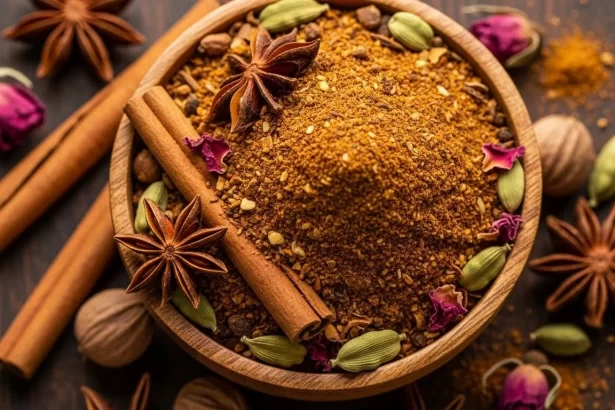
A3: The magic lies in a blend known as “ras el hanout”, which may vary but typically includes cumin, coriander, cinnamon, turmeric, ginger, paprika, and sometimes a pinch of cloves or nutmeg. These spices paint a rich, warm canvas that transforms simple ingredients into a regal dish.
Q4: How do I avoid the common pitfall of dry or tough chicken?
A4: Patience and low heat are your best friends. Cook the chicken slowly, allowing it to absorb the spices and stay moist. Additionally, searing the chicken first to lock in juices before simmering adds depth and tenderness.
Q5: Can I personalize the tajine with different ingredients?
A5: Absolutely! Moroccan tajine is versatile. You can add preserved lemons for zest, green olives for briny contrast, carrots, potatoes, or dried fruits like apricots and prunes to balance savory and sweet notes. Experimenting with nuts such as almonds or pine nuts sprinkled at the end adds delightful texture.
Q6: How long does it typically take to prepare and cook a chicken tajine?
A6: Preparation, including chopping and marinating, usually takes about 20-30 minutes. The cooking process then takes roughly 1 to 1.5 hours, depending on the size of your chicken pieces and your heat level. The slow simmering is crucial for deep flavor development.
Q7: What are the best side dishes to serve alongside Moroccan Chicken Tajine?
A7: Classic accompaniments include fluffy couscous, crusty bread, or even fragrant saffron rice. A simple cucumber and tomato salad can offer a refreshing, crisp contrast to the rich stew.
Q8: Can I prepare this dish in advance?
A8: Yes! Tajines often taste even better the next day as the flavors meld. Simply reheat gently on low heat, adding a splash of water or broth if necessary to maintain moisture.
Q9: Any tips for plating and presentation to impress guests?
A9: Serve the tajine directly from its pot for a rustic vibe, garnished with freshly chopped cilantro or parsley and a sprinkle of toasted almonds. Pair it with colorful side dishes to highlight the vibrant hues of the spices and fruits.
Q10: Where can beginners find authentic Moroccan spices if they’re not locally available?
A10: Specialty Middle Eastern or North African markets are treasure troves for authentic spices. Alternatively, online spice shops and reputable retailers often offer quality blends or individual spices to recreate the authentic taste at home.
Mastering Moroccan Chicken Tajine is more than following a recipe-it’s embracing a culinary journey that celebrates culture, patience, and flavors. With these tips in hand, your kitchen is set to transport you straight to the bustling markets and fragrant kitchens of Morocco!
To conclude
As the fragrant spices settle and the tender chicken glistens beneath a mosaic of savory goodness, you’ve not only cooked a dish-you’ve embarked on a flavorful journey through Morocco’s rich culinary heritage. Mastering Moroccan Chicken Tajine is more than following a recipe; it’s about embracing a timeless tradition that transforms simple ingredients into a festivity of aroma, texture, and taste. So, next time you gather around the table, let your tajine be a story told in spices, a warm invitation to savor the artistry of Moroccan cuisine one appetizing bite at a time.