
In the vibrant tapestry of Morocco’s rich heritage, the spirit of the Baddaz tribe stands out with a boldness as striking as the desert sun and as intricate as the woven patterns of thier craft. Rooted in centuries-old traditions yet pulsating with contemporary energy, the Baddaz people embody a unique fusion of culture and craftsmanship that tells a story far beyond mere artistry. From the rhythmic clatter of looms to the vibrant hues of natural dyes, their creations are more than objects-they are living expressions of identity, resilience, and creativity. This article journeys into the heart of the Moroccan Baddaz, unveiling the daring ethos and masterful skills that continue to shape and inspire a legacy boldly etched into the cultural mosaic of North Africa.
The Bold Spirit of Moroccan Baddaz: Cultural and Culinary Craftsmanship
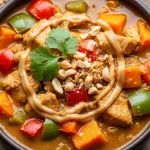
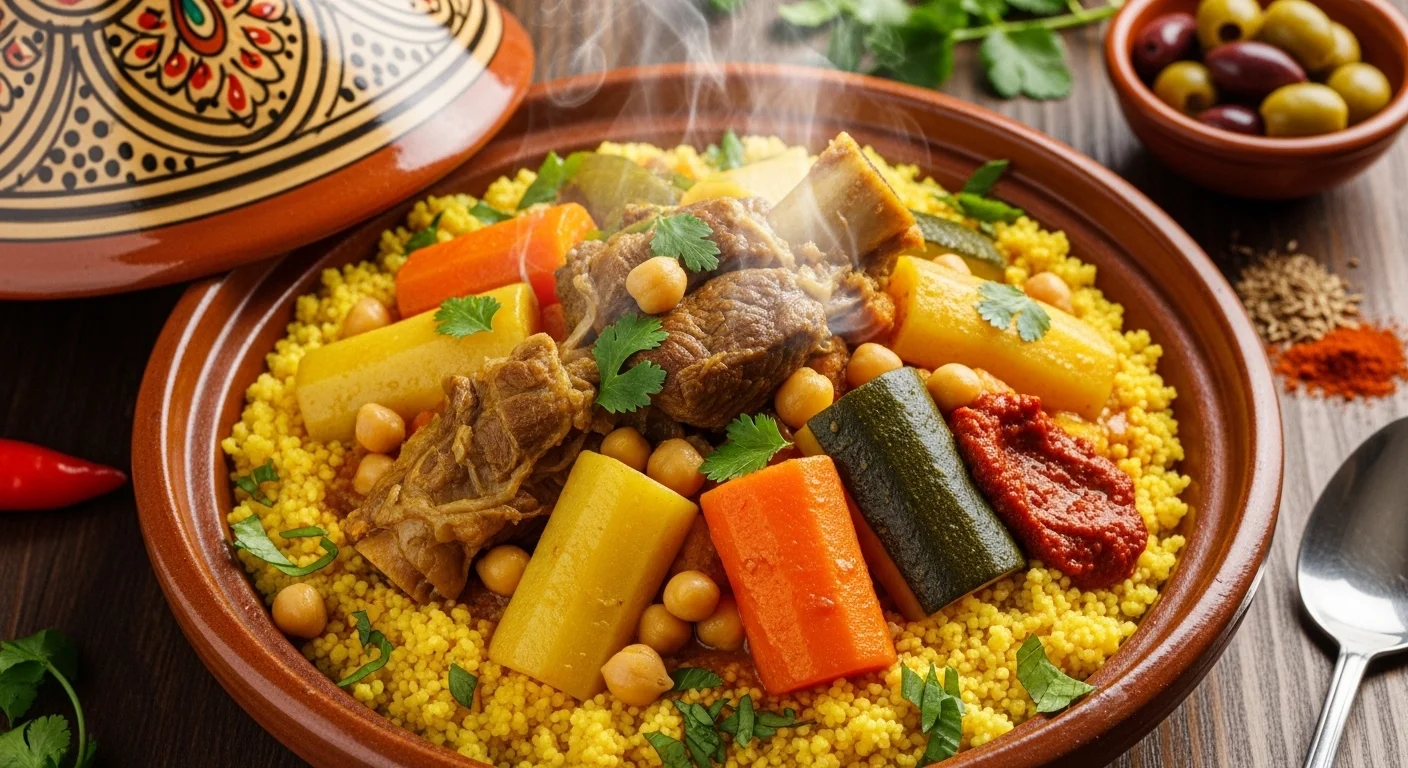
The Bold Spirit of Moroccan baddaz invites you on a sensory journey deep into Morocco’s rich tapestry of flavors and colors. This lesser-known culinary gem celebrates centuries of tradition, rooted in the vibrant culture of Berber artisans and infused with the warmth of North African spices. Each bite embodies the spirited craftsmanship behind every handcrafted element, offering an immersive taste of heritage preserved through bold, fiery flavors.
prep and Cook Time
- Planning: 20 minutes
- Cooking: 40 minutes
- Total: 1 hour
Yield
Serves 4 hearty portions
Difficulty Level
Medium – Perfect for adventurous home cooks eager to explore Moroccan traditions
Ingredients
- 500g lamb shoulder, cut into 1-inch cubes
- 3 tbsp olive oil
- 1 large onion, finely chopped
- 4 garlic cloves, minced
- 2 tsp ground cumin
- 2 tsp smoked paprika
- 1 tsp ground cinnamon
- 1 tsp turmeric powder
- 1/2 tsp cayenne pepper (adjust to heat preference)
- 400g canned diced tomatoes
- 200ml lamb or vegetable broth
- 1 large carrot, sliced thinly
- 100g green olives, pitted
- 1 tbsp fresh coriander, chopped (plus extra for garnish)
- Salt and freshly ground black pepper to taste
- Fresh lemon wedges for serving
Instructions
- Heat olive oil in a heavy-bottomed pot over medium-high heat. Add the lamb cubes and brown evenly on all sides, about 6-8 minutes. Transfer to a plate and set aside.
- Reduce heat to medium and add the chopped onion. Sauté until translucent and soft, about 7 minutes, stirring frequently to prevent scorching.
- Add garlic and spices – cumin, smoked paprika, cinnamon, turmeric, and cayenne. stir constantly for 1-2 minutes until fragrant, ensuring the spices don’t burn but bloom beautifully.
- Return the lamb to the pot, toss to coat with the spices and onion mixture. Pour in the canned tomatoes and the broth, stirring gently to combine.
- Bring to a simmer, then cover and reduce heat to low. Let gently cook for 30 minutes, stirring occasionally to prevent sticking. The lamb should become tender and infused with spices.
- Add sliced carrots and olives, season with salt and pepper. Continue cooking uncovered for another 10 minutes, until carrots are tender but still retain a slight bite.
- Remove from heat and stir in chopped fresh coriander for an added burst of freshness.
Chef’s Notes
- For a vegetarian twist, swap lamb with firm roasted chickpeas or cubed eggplant for similar texture and earthy flavors.
- Adjust cayenne pepper according to your spice tolerance for a milder or spicier dish.
- Make ahead: This dish tastes even better the next day as the spices further meld. Store in an airtight container in the fridge for up to 3 days.
- Pro Tip: serve with traditional Moroccan couscous or warm, crusty bread to soak up the fragrant sauce.
Serving Suggestions
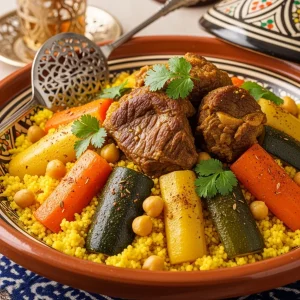
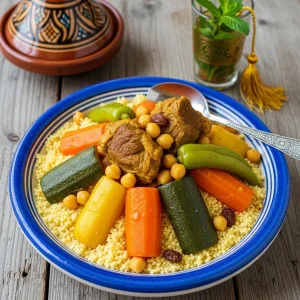
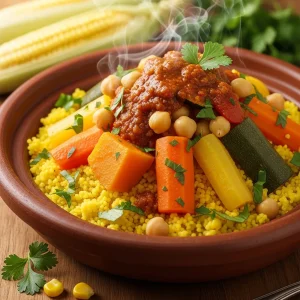
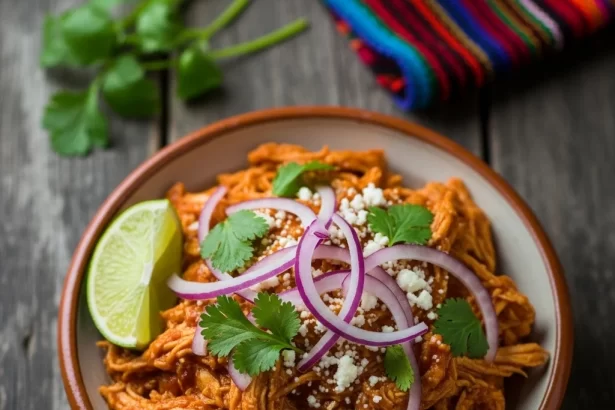
Present Moroccan Baddaz in rustic earthenware bowls to echo its cultural roots. Garnish with a few fresh coriander sprigs and a wedge of lemon on the side for a luminous, zesty finish. For a lavish touch, add a drizzle of preserved lemon confit or sprinkle toasted almonds for crunch. Accompany with minted yogurt for creamy contrast or a fresh tomato and cucumber salad for crisp balance.
| Nutrient | Per Serving |
|---|---|
| Calories | 420 kcal |
| Protein | 35 g |
| Carbohydrates | 12 g |
| Fat | 22 g |
Delve deeper into Moroccan spices and their culinary magic, or explore the rich history of North African street foods on Britannica for an authoritative overview.
Q&A
Q&A: The Bold Spirit of Moroccan Baddaz – Culture and Craftsmanship
Q1: What exactly are Moroccan Baddaz, and why do they captivate so many?
A1: Moroccan Baddaz are not just artisans; they are the bold custodians of a centuries-old tradition that blends artistry with fearless spirit. Rooted deep in the bustling souks and serene villages, Baddaz refers to master craftsmen who imbue every creation-be it leatherwork, metal art, or textiles-with passion and a distinct cultural flair. Their work captures the vibrant energy of Morocco’s diverse heritage, making each piece a living story.
Q2: How does the spirit of boldness manifest in their craftsmanship?
A2: Boldness in Moroccan Baddaz is visible in their innovative fusion of traditional techniques with contemporary designs. They don’t just replicate; they reinterpret. Intricate geometric patterns meet daring color palettes, and age-old leather tanning methods are paired with modern silhouettes. This fearless approach breaks boundaries while honoring roots, turning everyday objects into striking art forms.
Q3: In what ways do Moroccan Baddaz reflect the cultural mosaic of Morocco?
A3: Morocco is a tapestry woven from Berber, Arab, Andalusian, and Sub-Saharan influences. The baddaz embody this cultural symphony through eclectic motifs, materials, and craftsmanship styles. For example, the bold zigzags in Amazigh (Berber) baskets, paired with Arabesque metal engravings or vivid Sufi-inspired dyes, reveal a harmonious dialog across cultures. Each creation is a microcosm of Morocco’s rich identity.
Q4: What role does the local environment play in their artistry?
A4: The moroccan landscape, from the arid Sahara to the lush Atlas Mountains-directly influences Baddaz artisans. Natural dyes are derived from regional plants like henna and indigo, while locally sourced leather and metals form the core of their materials. The environment isn’t just a backdrop; it is an active collaborator, lending textures, hues, and stories that fuel their craftsmanship.
Q5: How has the global appreciation for Moroccan Baddaz evolved?
A5: Over recent decades, Moroccan Baddaz have stepped confidently onto the global stage, celebrated for their authenticity and striking aesthetics. From international fashion runways to luxury home décor markets, their influence grows, inspiring designers worldwide. Yet, amid globalization, Baddaz hold tight to their heritage, ensuring that each piece remains a testament to Moroccan boldness and soul.
Q6: Why is it vital to preserve the tradition of Moroccan Baddaz today?
A6: Preserving the tradition safeguards more than just stunning objects, it protects a living culture that connects past to present. In an age of mass production, the Baddaz offer a powerful counter-narrative: that of intentionality, technique, and cultural pride. Supporting their craft means sustaining livelihoods, empowering communities, and keeping Morocco’s vibrant spirit blazing boldly for generations to come.
Embracing Moroccan Baddaz is to invite boldness, history, and artistry into one’s life-an immersive journey into the heart of Morocco’s fearless creative soul.
In Summary
As the vibrant threads of tradition and innovation intertwine within Moroccan baddaz, they reveal more than just exquisite craftsmanship, they tell a story of bold spirit and enduring cultural pride. These artisans, guardians of time-honored techniques, transform humble materials into statements of identity and resilience. Exploring the world of Moroccan Baddaz invites us to appreciate not only the striking aesthetics but also the deep-rooted narratives woven into every detail. In celebrating this dynamic craft, we honor a culture that continues to thrive, inspire, and boldly define its place on the global stage.