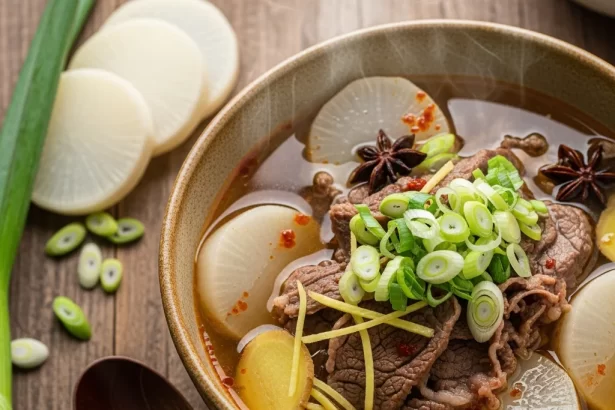


In the vibrant tapestry of Malaysian cuisine, were rich spices and bold flavors reign supreme, there’s a refreshing jewel often overlooked: Kerabu. This zesty salad tradition, a symphony of crisp textures and tangy notes, embodies the essence of Malaysia’s multicultural heritage. From coastal fishing villages to bustling urban markets,Kerabu brings together an eclectic mix of fresh herbs,tropical fruits,and savory proteins,united by a harmonious dressing that awakens the palate. Join us as we unveil the stories, ingredients, and cultural significance behind Malaysia’s beloved Kerabu-a culinary celebration that is as lively and diverse as the nation itself.
Kerabu unfolds a vibrant chapter in Malaysian cuisine, celebrated for its refreshing zest and intricate blend of textures and flavors. This customary salad has roots deeply entwined with Malay, thai, and indigenous communities, offering a glimpse into Malaysia’s rich cultural tapestry. My first encounter with Kerabu was at a bustling night market in Penang,where the bright colors and lively aromas instantly captivated me,inspiring a culinary journey to master this uniquely zesty salad tradition at home.
Prep and Cook Time
- Readiness: 15 minutes
- Cooking: 5 minutes (optional, for toasted ingredients)
- Total Time: 20 minutes
Yield
Serves 4 as a refreshing side dish
Difficulty Level
Easy to Medium – Perfect for home cooks wanting to experiment with bold, fresh flavors
Key Ingredients That Bring Kerabu to Life
- 1 cup shredded raw green mango – provides the signature tangy crunch
- 1/2 cup julienned carrots – adds sweetness and vibrant color
- 1/2 cup thinly sliced shallots – lends a mild aromatic bite
- 3 bird’s eye chilies, finely sliced – essential for that authentic fiery kick
- 1/4 cup toasted grated coconut (kerisik) – for nuttiness and texture
- 2 tbsp toasted peanuts – adds grounding crunch
- 1/4 cup fresh mint and cilantro leaves – herbaceous freshness to elevate flavors
- 2 tbsp tamarind juice – the sour backbone of the dressing
- 1 tbsp palm sugar – balances the tartness with natural sweetness
- 3 tbsp fish sauce – umami depth and savory balance (substitute soy sauce for vegetarian version)
- 1 tbsp lime juice – brightens the overall profile
- Optional: 1 stalk lemongrass, bruised and finely chopped – for a subtle citrus aroma
Step by Step Guide to Making Authentic Kerabu at Home
- Prepare the raw vegetables: Rinse and julienne the green mango and carrots. Thinly slice the shallots and bird’s eye chilies. Set aside fresh herbs.
- Toast the grated coconut: In a dry skillet over medium heat, toast grated coconut until golden and fragrant, about 3-4 minutes. Remove and cool.
- Make the dressing: In a bowl, combine tamarind juice, palm sugar, fish sauce, and lime juice. Stir until the sugar dissolves completely. Taste and adjust seasoning-aim for a balanced sweet, sour, salty harmony.
- Mix the salad: In a large mixing bowl, combine shredded mango, carrots, shallots, chilies, toasted coconut, peanuts, and herbs. Pour the dressing over and toss gently to evenly coat.
- Rest for flavor melding: Allow the salad to sit for 5-10 minutes so the flavors marry beautifully.
- Final touch: Give a gentle toss just before serving, garnish with extra mint leaves or a wedge of lime for a fresh burst.
Chef’s Notes / Tips for Success
- Balancing flavors: The beauty of Kerabu lies in balancing sweet,sour,salty,and spicy. Adjust tamarind, palm sugar, or fish sauce to your palate.
- Ingredient swaps: Use pomelo or green papaya if green mango isn’t available, keeping the crunch and tartness.
- Making ahead: Prepare the dressing and toasted coconut in advance. Assemble salad just before serving to preserve freshness.
- Vegetarian/vegan option: Replace fish sauce with tamari or a well-seasoned soy sauce variant.
- Spice level: Adjust bird’s eye chilies according to your heat tolerance or omit for a milder salad.
Pairing Kerabu with Malaysian Dishes for an Enhanced Dining Experience
Kerabu’s zesty brightness complements many Malaysian mainstays perfectly. Serve alongside grilled satay skewers, crispy ikan bakar (grilled fish), or as a fresh counterpoint to rich rendang curry. The salad’s crisp texture and tangy punch cleanse the palate, creating a harmonious balance on the plate.
For a traditional spread,pair with Nasi Lemak,Malaysia’s fragrant coconut rice,adding a refreshing and light salad contrast. Exploring these combinations transforms a simple meal into an authentic Malaysian feast.
| Nutrient | Per Serving |
|---|---|
| Calories | 120 kcal |
| Protein | 3 g |
| Carbohydrates | 15 g |
| Fat | 6 g |
For deeper insight into tamarind’s role in Southeast Asian cooking, explore this National Geographic article on tamarind.
Q&A
Q&A: Kerabu Unveiled – Exploring Malaysia’s Zesty Salad tradition
Q1: What is Kerabu, and why is it so special in Malaysian cuisine?
A1: Kerabu is a vibrant and aromatic Malaysian salad, a tantalizing symphony of fresh herbs, crunchy vegetables, aromatic spices, and frequently enough a splash of zesty citrus. it’s special because it captures the essence of Malaysia’s diverse cultures-Malay, Chinese, Indian, and indigenous influences-all mingling in a single, refreshing dish. Each bite tells a story of tradition, community, and the joy of bold flavors.
Q2: How does Kerabu differ from other salads around the world?
A2: Unlike Western salads that often rely on leafy greens as the base, Kerabu focuses on a diverse palette of textures-crisp jicama, juicy mango, toasted coconut, and sometimes grilled seafood-all tossed in a tangy, sweet, and spicy dressing. The magic lies in the balance of sour, sweet, salty, and spicy notes, creating a flavor profile that awakens the palate in unexpected ways.
Q3: What are the key ingredients that define a traditional Kerabu?
A3: While variations abound, there are some quintessential ingredients: fresh herbs like daun kesum (Vietnamese coriander), lime juice, toasted grated coconut, bird’s eye chilies, shallots, and sometimes dried shrimp or small salted fish for umami depth. The dressing often includes tamarind or lime juice, palm sugar, and fish sauce or belacan (fermented shrimp paste), weaving a complex, zesty character.
Q4: Can Kerabu be vegetarian or vegan?
A4: Absolutely! Though classic versions may feature dried shrimp or fish sauce, modern adaptations embrace plant-based substitutes. Vegan fish sauce alternatives or simply increasing the lime, chili, and coconut elements preserve the vibrant flavors without compromising the traditional kerabu spirit. It’s a dish that welcomes creativity and dietary inclusivity.
Q5: When and how is Kerabu typically enjoyed in Malaysia?
A5: Kerabu is a beloved side dish during festive celebrations,family gatherings,and everyday meals alike. It pairs beautifully with grilled meat, spicy rendang, or aromatic nasi lemak. Frequently enough served chilled or at room temperature, its refreshing tang cuts through rich or heavy dishes, providing a delightful contrast and palate cleanser.
Q6: Are there regional variations of Kerabu within Malaysia?
A6: Yes, kerabu showcases Malaysia’s regional diversity-Kelantan’s kerabu mangga integrates young mango with toasted coconut, while in Perlis or Kedah, you might find kerabu seafood bursting with freshly caught squid or prawns. Each region adds local ingredients and subtle twists, making every kerabu a unique culinary postcard from that corner of Malaysia.Q7: How can someone outside Malaysia experience the authentic flavor of Kerabu?
A7: Start with sourcing fresh, zesty ingredients-think limes, bird’s eye chilies, fresh herbs, and coconut. Familiarize yourself with key Malaysian pantry staples like tamarind paste and belacan (or its vegan alternatives). Experiment with balancing sour, sweet, salty, and spicy flavors; the secret lies in the harmony. with a little creativity and respect for tradition, your kitchen can host a mini Malaysian fiesta anytime.
Q8: Why has Kerabu remained a beloved dish across generations?
A8: Kerabu’s timeless appeal lies in its simplicity and adaptability. It’s a celebration of freshness and balance that transcends trends. Rooted deeply in cultural heritage yet ever-evolving with new ingredients and palates, kerabu connects people-through family recipes, shared meals, and the joy of finding in every zesty forkful.It’s more than a salad; it’s a flavorful thread in Malaysia’s culinary tapestry.
The way Forward
As we’ve tossed through the colorful world of kerabu, it becomes clear that this vibrant salad is far more than a mere side dish-it is a culinary celebration of Malaysia’s rich cultural tapestry. Each bite bursts with the harmonious clash of fresh herbs, tangy dressings, and local ingredients, inviting us to savor not just flavors but stories passed down through generations. Whether enjoyed at a bustling street market or a festive family gathering, kerabu stands as a zesty testament to Malaysia’s enduring love for food that excites the palate and nourishes the soul. So next time you crave a refreshing escape, remember: a bowl of kerabu awaits, ready to unveil its zestful secrets and refresh your culinary spirit.