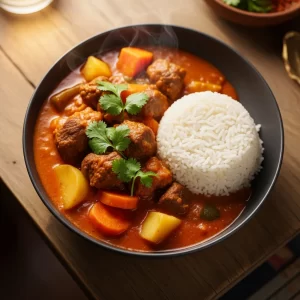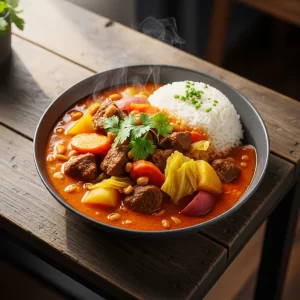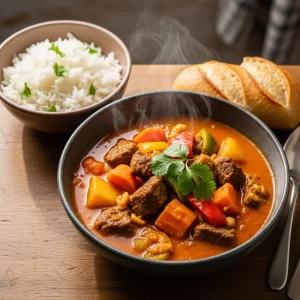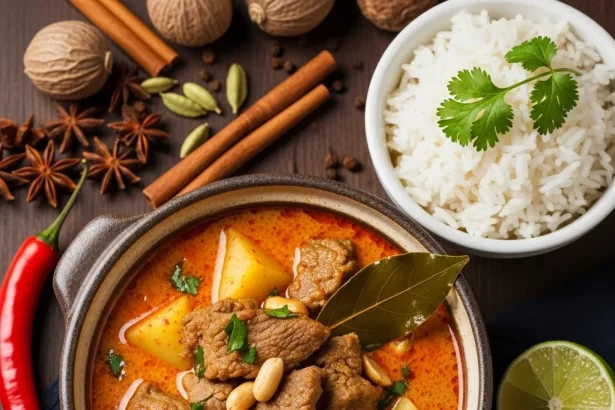

In the vibrant tapestry of West African cuisine, few dishes evoke as much warmth, comfort, and communal spirit as Mafe – the beloved peanut stew that has simmered its way into the hearts and homes of countless families. More than just a hearty meal, Mafe is a flavorful celebration of tradition, culture, and history, were rich, roasted peanuts blend harmoniously with tender meats, fresh vegetables, and a symphony of spices. From bustling markets to festive gatherings, this iconic stew tells a story of resilience and togetherness, inviting food lovers to savor a taste that transcends borders and generations. Join us as we explore the origins, variations, and enduring appeal of Mafe, West Africa’s treasured culinary gem.
Mafe, a rich and hearty peanut stew, is a culinary treasure from West Africa that blends deeply rooted tradition with vibrant flavors. Originating primarily within the Mandinka and Wolof communities, this beloved dish combines the earthiness of roasted peanuts with a warming, spicy sauce that’s as comforting as it is indeed nourishing. It’s a staple on family tables, frequently enough shared during celebrations, communal gatherings, and everyday meals, symbolizing both sustenance and cultural unity.
Prep and cook Time
- Preparation: 20 minutes
- Cooking: 1 hour 15 minutes
- total Time: 1 hour 35 minutes
Yield
Serves 6 hearty portions
Difficulty Level
Medium – Suitable for cooks familiar with layering bold flavors and simmering stews
Ingredients
- 2 lbs beef chuck or lamb, cut into 1.5-inch cubes (substitute with chicken or tofu for vegetarian)
- 1 large onion, finely chopped
- 4 cloves garlic, minced
- 1 thumb-sized piece of ginger, grated
- 2 medium tomatoes, pureed or finely chopped
- 1 cup natural peanut butter, preferably unsweetened
- 4 cups beef or vegetable stock
- 2 tablespoons tomato paste
- 1 large carrot, cut into chunks
- 2 medium potatoes, peeled and cubed
- 1 Scotch bonnet pepper, whole (optional, for heat)
- 2 tablespoons vegetable oil
- 1 teaspoon smoked paprika
- 1 teaspoon ground cumin
- Salt and freshly ground black pepper, to taste
- Fresh cilantro or parsley, chopped, for garnish
Step-by-Step Instructions
- Brown the meat: In a large, heavy-bottomed pot, heat the vegetable oil over medium-high heat. Add the beef cubes, browning evenly on all sides to lock in juices, about 8-10 minutes. Remove the meat and set aside.
- Sauté the aromatics: In the same pot, reduce heat to medium. Add the chopped onion and sauté until translucent and lightly caramelized, about 6 minutes. Stir in garlic and ginger and cook for an additional 2 minutes until fragrant.
- Add tomato elements and spices: Stir in the pureed tomatoes, tomato paste, smoked paprika, ground cumin, salt, and pepper. Cook the mixture down for 8 minutes, stirring frequently until it thickens and deepens in color.
- Incorporate peanut butter and stock: Return the browned meat to the pot. Whisk the peanut butter with 1 cup of stock separately until smooth, then pour into the pot alongside the remaining stock. Stir thoroughly to combine, creating that signature creamy, nutty base.
- Add vegetables and simmer: Toss in the carrot, potatoes, and Scotch bonnet pepper (whole, to control heat level). Bring the stew to a gentle boil, then reduce to a low simmer. Cover and cook for 50-60 minutes, stirring occasionally, until the meat is tender and the sauce is rich and thickened.
- Final seasoning check: Remove the Scotch bonnet pepper if desired. Taste and adjust seasoning with salt and pepper. For an extra layer of flavour, sprinkle with freshly chopped cilantro or parsley before serving.
Tips for Crafting Your Own mafe: Variations and Cooking Recommendations
- For a vegetarian twist, switch beef for hearty vegetables like sweet potatoes, eggplant, or tempeh; use vegetable stock to maintain depth.
- Roast raw peanuts lightly before blending for a more intense, smoky peanut flavor.
- If the stew is too thick, gently stir in additional stock or water to loosen consistency while simmering.
- Cooking slowly on low heat allows flavors to meld beautifully – patience is key for an authentic Mafe experience.
- Make ahead and refrigerate; Mafe tastes even better the next day once the flavors deepen.
Pairing Mafe with Traditional Sides for a Complete West African Meal
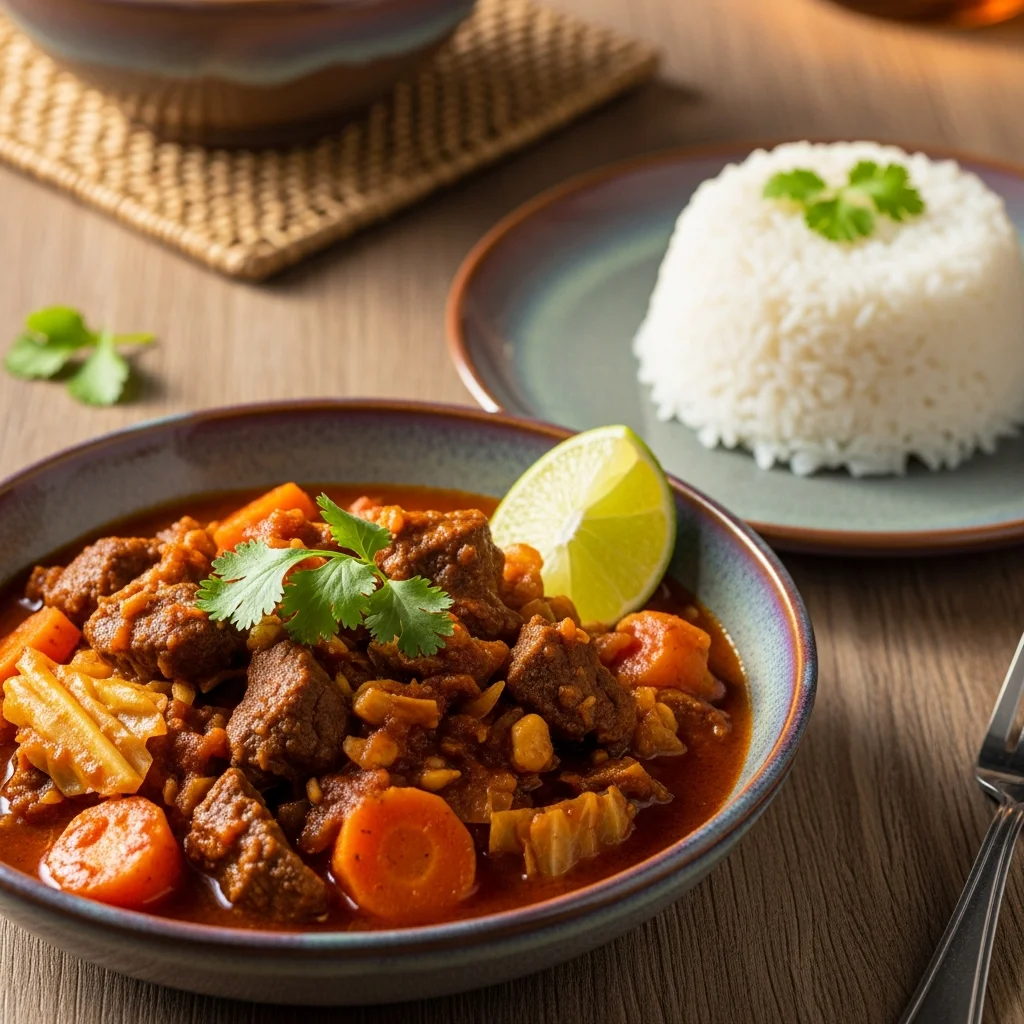
The true magic of Mafe lies not only in its luscious sauce and tender meat but also in how it harmonizes with classic accompaniments. Serve it over steamed white rice for the ultimate contrast of creamy and fluffy textures. Alternatively, highlight regional authenticity by pairing it with millet couscous or injera flatbread, which can be used to scoop up the stew, engaging all senses.
On the side, offer lightly sautéed kale or collard greens seasoned with garlic and lemon to balance richness with freshness. A small bowl of spicy pickled vegetables also brightens the plate, capturing a spectrum of West African flavors and traditions.
| Nutritional Info (per serving) | Calories | Protein (g) | Carbs (g) | Fat (g) |
|---|---|---|---|---|
| Mafe Peanut Stew | 480 | 35 | 30 | 22 |
Explore more vibrant African recipes in our West African Cuisine Collection. For deeper historical context on regional cuisines, see this Britannica overview.
Q&A
Q&A: Mafe – Exploring west Africa’s Beloved Peanut Stew Tradition
Q1: What exactly is Mafe?
A: Mafe, sometimes called groundnut stew, is a rich, creamy West African dish that centers around peanuts (groundnuts), slow-cooked to create a luscious, savory sauce. Traditionally, it combines meat, vegetables, and a blend of local spices, resulting in a hearty stew that warms both body and soul across the region.
Q2: Where does Mafe originate from?
A: mafe’s roots run deep in West Africa, particularly among the Mandinka people of Senegal, Mali, and Gambia. It’s a dish that transcends borders and ethnicities, symbolizing shared heritage and the communal spirit of the region.
Q3: What ingredients make Mafe so distinctive?
A: The star ingredient is the peanut butter or groundnut paste, which gives Mafe its trademark nuttiness and silky texture. Alongside that, you’ll find tomatoes, onions, garlic, and often spicy chili peppers. Protein options vary-beef, lamb, chicken, or even fish-and it’s often enriched with root vegetables like sweet potatoes or carrots.
Q4: How is Mafe traditionally prepared?
A: Preparation begins by browning meat to build depth of flavor, then sautéing aromatics like onions and garlic. The peanut paste is stirred in with tomatoes and broth, simmering gently to marry the flavors. The process is slow and deliberate, honoring the time-honored techniques passed down through generations.
Q5: Why is Mafe so beloved in west African culture?
A: Beyond its comforting taste, Mafe embodies community and celebration. It’s a dish served at family gatherings, festivals, and special occasions-a culinary hug that brings people together. Its robust flavors echo the vibrant culture and hospitality of West Africa.
Q6: Can Mafe be adapted for modern or international kitchens?
A: Absolutely! While the essence remains the peanut-based sauce, Mafe lends itself to creative twists-vegetarian versions swapping meat for mushrooms or tofu, instant pot adaptations for busy cooks, or pairing with quinoa instead of traditional fufu or rice. Its rich flavor profile is versatile enough to cross culinary boundaries.
Q7: What does Mafe reveal about West African food traditions?
A: Mafe highlights the resourcefulness and harmony between local ingredients and cultural storytelling. The use of peanuts, indigenous to Africa despite their later global spread, showcases agricultural heritage. The communal cooking style reflects a broader theme of sharing and togetherness woven into West African life.
Q8: How can someone new to West African cuisine best experience mafe?
A: Start with a simple recipe to appreciate the core flavors-don’t be intimidated by the cooking time or ingredients. Pair it with traditional sides like rice or couscous, and perhaps a cold beverage to balance the richness. Joining a cultural food event or watching cooking demonstrations can deepen your connection to this beloved stew.
Q9: Are there variations of Mafe depending on region or family tradition?
A: Yes! Each household and region adds its own twist. Some might add okra for texture, others incorporate leafy greens like spinach or cassava leaves. Spiciness levels and protein choices vary widely, making each pot of Mafe a unique reflection of individual stories and local tastes.
Q10: What makes Mafe more than just a stew?
A: Mafe is a cultural tapestry simmered in a pot-it’s history, identity, and community in edible form. Eating Mafe connects you to West Africa’s past and present, nourishing not just the body but also the enduring spirit of a people united by flavor and tradition.
Key Takeaways
As the rich aroma of roasted peanuts mingles with tender meats and vibrant vegetables, Mafe emerges not just as a dish, but as a warm embrace from the heart of West Africa. This beloved peanut stew carries centuries of history, culture, and communal spirit in every comforting spoonful. Whether savored around a bustling family table or shared with new friends, Mafe invites us to taste a tradition that transcends borders-reminding us that food is more than sustenance; it’s storytelling, heritage, and connection. So next time you crave a meal that’s both hearty and soulful, let Mafe transport you to the lively kitchens and colorful markets where its legacy continues to thrive.