
Nestled within the timeless city of mosul, were ancient stones whisper tales of civilizations past, stands the Kubbah-a splendid emblem of Iraqi heritage frequently enough overshadowed by grander monuments but no less rich in history and artistry. This hidden jewel, with its intricate designs and profound cultural significance, offers a captivating glimpse into the soul of Mesopotamia’s legacy. In unveiling the story of Kubbah Mosul, we journey beyond the familiar, exploring a masterpiece that weaves together faith, craftsmanship, and resilience, inviting us to rediscover Iraq’s vibrant tapestry of identity and tradition.
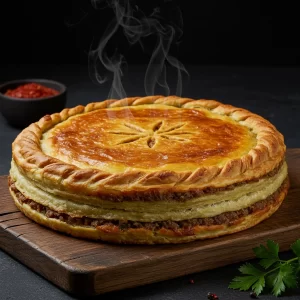
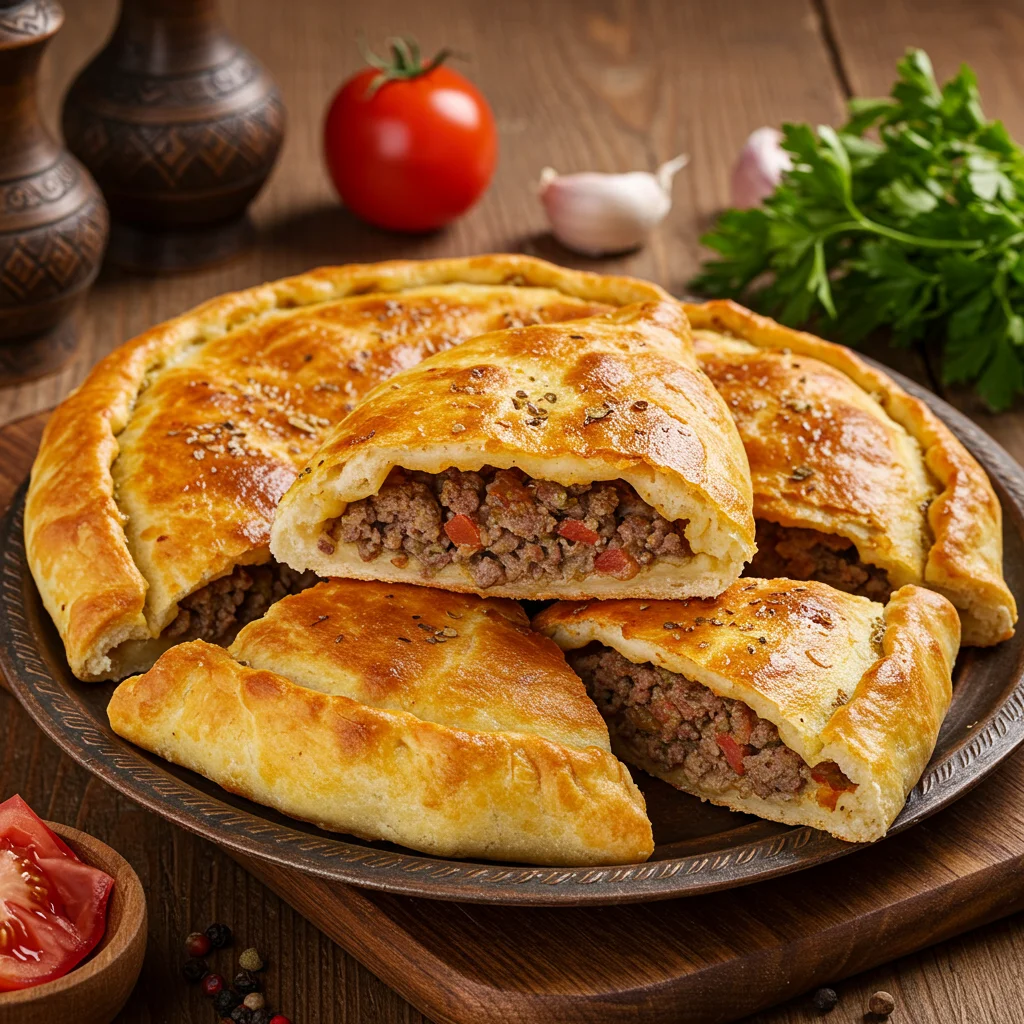
Kubbah Mosul, a culinary marvel and treasured delight from northern Iraq, embodies both the rich heritage and innovative spirit of Iraqi cuisine. This iconic dish, rooted deeply in Mesopotamian traditions, offers a perfect harmony of spiced meats, fragrant herbs, and a unique bulgur and semolina dough wrapping that captivates the palate and comforts the soul. Every bite of Kubbah Mosul tells a story-a captivating narrative of architectural brilliance and cultural symbolism that transcends food,representing the fusion of history and gastronomy in one exquisite plate.
Prep and Cook Time
- Planning: 30 minutes
- Cooking: 45 minutes
- Total Time: 1 hour 15 minutes
Yield
Serves 6 generous portions
Difficulty Level
Medium – requires some hands-on technique but accessible to home cooks with enthusiasm
Ingredients
- For the dough:
- 2 cups fine bulgur wheat
- 1 cup semolina flour, sifted
- 1 tsp salt
- 1 cup warm water (adjust as needed)
- For the filling:
- 1 lb ground lamb or beef (lean)
- 1 medium onion, finely chopped
- 2 tbsp pine nuts
- 1 tbsp olive oil
- 1 tsp ground cinnamon
- 1 tsp ground allspice
- 1 tsp ground cumin
- Salt and freshly ground black pepper, to taste
- 1/4 cup fresh parsley, finely chopped
- For the broth:
- 4 cups beef or vegetable broth
- 2 garlic cloves, minced
- 1 tsp ground turmeric
- Salt and pepper to taste
- 1 tbsp lemon juice
Instructions
- Prepare the dough: Soak the bulgur wheat in warm water for about 20 minutes until soft. Drain any excess water, then mix with the semolina flour and salt. Knead gently to form a smooth, pliable dough. Cover and set aside.
- Make the filling: In a skillet, heat olive oil over medium heat. Add the chopped onions and sauté until translucent, about 5 minutes. Add ground meat and cook until browned, breaking it up as it cooks.
- Stir in pine nuts, cinnamon, allspice, cumin, salt, and pepper. Cook for an additional 2-3 minutes. Remove from heat and fold in fresh parsley. Let it cool slightly.
- Form the Kubbah: Pinch off a lemon-sized portion from the dough and flatten it into a disk in your palm. Place a spoonful of filling in the center and carefully fold the dough over, sealing the edges to form an oval or football-shaped dumpling. Repeat with remaining dough and filling.
- Prepare the broth: In a large pot, bring broth to a gentle simmer. Add minced garlic, turmeric, salt, and pepper. Stir and adjust seasoning. Add lemon juice just before serving.
- Cook the Kubbah: Gently drop the dumplings into the simmering broth. Cook for about 20 minutes or until dough is firm and cooked thru. Avoid vigorous boiling to prevent breaking the dumplings.
- Serve hot: Ladle broth into bowls with several Kubbah dumplings. Garnish with freshly chopped parsley or a sprinkle of sumac for a tangy touch.
Chef’s Notes
- For a crispier variation, pan-fry cooked Kubbah after boiling until golden brown.
- Substitute ground lamb with beef or a vegetarian option using seasoned mushrooms and walnuts.
- Make dough ahead and refrigerate for up to 24 hours,covered tightly.
- if dough feels too sticky, sprinkle semolina on your hands while shaping for easier handling.
- To deepen flavor, simmer broth with a bay leaf or cardamom pod and remove before serving.
Serving Suggestions
Present Kubbah Mosul steaming hot with a side of fresh Arabic flatbread or warm pita. Garnish the bowls with a drizzle of olive oil and a few crushed red pepper flakes for mild heat. A side of pickled turnips or a crisp cucumber and mint yogurt salad perfectly balances the richness. For an unforgettable experience, enjoy with a refreshing glass of mint tea or tamarind juice.
| nutrient | Per Serving |
|---|---|
| Calories | 370 kcal |
| Protein | 22 g |
| Carbohydrates | 40 g |
| Fat | 12 g |
Discover more about the rich flavors of Iraqi cuisine by exploring our article on Mesopotamian spice blends. For historical insights about this fascinating region, visit Britannica’s Mesopotamia overview.
Q&A
Q&A: Kubbah Mosul – Unveiling the Hidden Jewel of Iraqi Heritage
Q1: What is Kubbah Mosul and why is it significant?
A1: Kubbah Mosul refers to the exquisite domed shrines and mausoleums that adorn the ancient city of Mosul in northern Iraq. These architectural gems are renowned for their elegant domes, intricate tile work, and calligraphy, representing a unique blend of Islamic art and local craftsmanship. They serve not only as places of spiritual reverence but also as enduring symbols of Mosul’s rich cultural and historical tapestry.
Q2: Where exactly in Mosul can one find these Kubbahs?
A2: The Kubbahs are primarily located in the old districts of Mosul, scattered throughout its historic centers and neighborhoods. Notable examples include the Kubbah Hajja Saadah and Kubbah Hasan Agha, each standing as a testament to the city’s artistic pinnacle during the Ottoman era and earlier periods.
Q3: What makes the architecture of Kubbah Mosul unique?
A3: Unlike the towering minarets or expansive mosques found elsewhere, kubbahs are characterized by their graceful domes sitting atop compact mausoleums, often clad in colorful glazed tiles and adorned with delicate arabesques. The fusion of geometric precision and organic motifs creates a mesmerizing visual harmony, showcasing the skill of Mosuli artisans who harnessed local materials and centuries-old techniques.
Q4: How do Kubbahs reflect Iraqi heritage and history?
A4: Each Kubbah tells a story – whether commemorating revered saints, scholars, or tribal leaders, they embody the spiritual and social history of the region. Their survival through empires, wars, and cultural shifts mirrors the resilience and continuity of iraqi identity, acting as both cultural repositories and emotional anchors for the community.
Q5: What challenges have the Kubbahs faced in recent times?
A5: Sadly, Iraq’s turbulent past decades have placed these treasures under threat. From neglect and urban development pressures to damage during conflicts, some Kubbahs have suffered deterioration or destruction. Though, international and local preservation efforts are increasingly underway, aiming to restore and protect these heritage jewels for future generations.
Q6: How can one experience kubbah Mosul today?
A6: Visiting Mosul’s historic quarters offers a rare glimpse into these architectural wonders, best explored with learned guides who can narrate their stories. Virtual tours and photographic archives have also opened windows to this hidden heritage for global audiences, fostering greater appreciation and support for their preservation.
Q7: Why should the world care about Kubbah Mosul?
A7: Kubbah Mosul is more than just stunning architecture; it is a symbol of human creativity, faith, and endurance. In a world hungry for cultural connections,these domed sanctuaries provide insight into Iraq’s multifaceted identity and remind us of the universal value of preserving heritage amidst adversity.
Through uncovering the mystique of Kubbah Mosul, we journey beyond stone and tile into the heart of a civilization that continues to inspire and endure.
Future Outlook
As the sun sets over the ancient city of Mosul,the Kubbah stands not merely as a structure of stone and artistry,but as a timeless testament to Iraq’s rich cultural tapestry. Unveiling this hidden jewel reveals more than its intricate domes and vibrant mosaics-it uncovers stories of resilience,faith,and a heritage yearning to be celebrated once more. In rediscovering Kubbah mosul, we not only honor the craftsmanship of the past but also ignite hope for preservation and renewal, ensuring that this emblem of Iraqi identity continues to inspire generations to come.