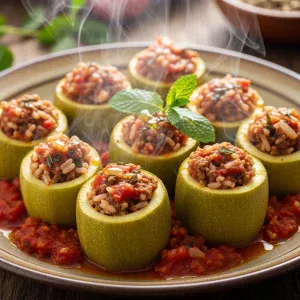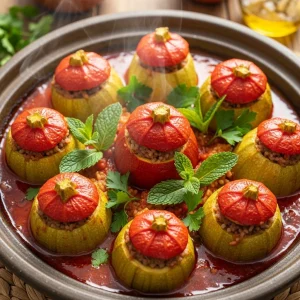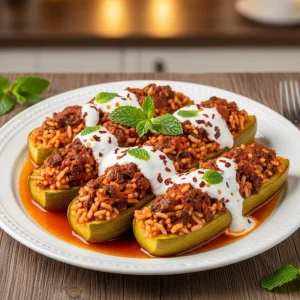


In teh vibrant tapestry of Middle Eastern cuisine, few dishes capture the essence of tradition and flavor quite like Kousa Mahshi. This delightful creation, tender zucchini hollowed out and lovingly filled with a fragrant blend of rice, herbs, and spices-transcends mere sustenance to become a true culinary art form.Each bite reveals layers of history, culture, and meticulous craftsmanship, inviting food lovers on a journey through sun-drenched orchards and bustling spice markets. Join us as we delve into the story, techniques, and timeless appeal of Kousa Mahshi: the art of stuffed zucchini delight.
Kousa Mahshi is more than a dish; it is indeed a culinary tradition that roots deep within Middle Eastern and levantine cultures, celebrating the art of stuffed zucchini as a communal feast of love, family, and heritage. Originating from the fertile lands where every bite tells a story of generations past, this vibrant recipe brings together fresh ingredients and meticulous techniques to create an authentic experience that delights the senses.
Prep and Cook Time
- Preparation: 30 minutes
- Cooking: 1 hour 15 minutes
- Total Time: 1 hour 45 minutes
yield
Serves 6 generous portions
Difficulty Level
Medium – a rewarding challenge perfect for both experienced cooks and keen home chefs eager to master authentic Mediterranean flavors.
Ingredients
- 10 medium zucchini, firm and straight, hollowed carefully
- 1 cup long-grain rice, rinsed and drained
- 250g ground lamb or beef, finely minced
- 1 large onion, finely chopped
- 2 tablespoons pine nuts, toasted
- 3 tablespoons olive oil (divided)
- 1 teaspoon ground allspice
- 1 teaspoon ground cinnamon
- ½ cup chopped fresh parsley
- 1 tablespoon tomato paste
- 2 cups tomato sauce, homemade or quality store-bought
- 2 cups vegetable or chicken broth
- Salt and freshly ground black pepper, to taste
- Juice of 1 lemon
Instructions
- Select and hollow the zucchini: Choose zucchini that are firm and uniform in size (about 4-5 inches long). Using a small corer or a thin knife, gently remove the flesh, leaving about ¼-inch thick walls without puncturing.
- Prepare the filling: In a skillet, heat 2 tablespoons of olive oil over medium heat. Add the finely chopped onion and sauté until translucent, about 5 minutes. Stir in the ground lamb, cooking until browned and fragrant.
- Add spices and rice: Incorporate the rinsed rice, ground allspice, and cinnamon. Mix well to coat the rice grains with the aromatic spices. Stir in the toasted pine nuts and half of the chopped parsley.
- Season and combine: Season the mixture with salt and pepper. Remove from heat and allow it to cool slightly.
- Stuff the zucchini: Using a small spoon, carefully fill each zucchini to just under the rim, rice will expand during cooking. Avoid overstuffing to prevent splitting.
- Arrange in pot: Drizzle a tablespoon of olive oil at the bottom of a wide pot. stand the stuffed zucchini upright, packing tightly but gently to avoid cracking.
- Create the cooking liquid: Mix the tomato sauce, broth, tomato paste, lemon juice, and a pinch of salt. Pour over the zucchini, ensuring they are nearly covered.
- Cook low and slow: Cover the pot with a heatproof plate to keep the zucchini upright and prevent rattling. Simmer gently on low heat for 1 hour, until the zucchini is tender and the rice filling is cooked through.
- Rest and garnish: Remove from heat, let rest for 10 minutes. Sprinkle remaining fresh parsley before serving.
Tips for Success
- Choosing zucchini: Opt for young, straight zucchinis; older or misshapen ones contain more seeds and can become watery.
- Rice variety: Long-grain rice holds its shape best during slow cooking, avoid short-grain rice which can become mushy.
- Flavor enhancers: Toasting pine nuts adds a nutty crunch that contrasts beautifully with soft zucchini and rich meat.
- Make ahead: Prepare and stuff zucchinis a day in advance; cover and refrigerate. Slow-cook when ready for an even richer depth of flavor.
- Vegetarian variation: Substitute ground meat with finely chopped mushrooms or crumbled tofu for a satisfying vegetarian Kousa Mahshi.
Serving suggestions
Serve Kousa Mahshi warm on a large platter drizzled with its flavorful tomato sauce. Garnish with fresh mint leaves and a wedge of lemon on the side to brighten the dish. Pair with a dollop of creamy labneh or yogurt and crusty pita bread to soak up the sauce. For an elegant presentation, sprinkle with toasted almonds and drizzle quality extra virgin olive oil just before serving.
| Nutrient | Per Serving |
|---|---|
| Calories | 320 kcal |
| Protein | 18 g |
| Carbohydrates | 28 g |
| Fat | 12 g |
Discover related techniques and recipes in our Mediterranean Stuffed Vegetables Guide. For further learning on the cultural roots of Middle Eastern cuisine, explore Britannica’s Middle Eastern cuisine overview.
Q&A
Q&A: Kousa Mahshi – The Art of Stuffed Zucchini Delight
Q1: What is kousa Mahshi?
A1: Kousa mahshi is a beloved Middle Eastern dish that transforms simple zucchini into a culinary masterpiece. It involves hollowing out tender zucchini and stuffing it with a savory mixture of rice, ground meat, herbs, and spices, then simmering it gently in a rich tomato sauce. The result? A harmonious blend of textures and flavors that dance on the palate.
Q2: Where does kousa Mahshi originate from?
A2: While variations abound across the Levant, Kousa Mahshi is a staple in many Middle Eastern kitchens. Its roots lie deep in the region’s tradition of “Mahshi”, the art of stuffing vegetables, which dates back centuries as a way to highlight seasonal produce with hearty fillings.
Q3: What makes Kousa Mahshi different from other stuffed vegetable dishes?
A3: Unlike eggplants or bell peppers, the zucchini used for Kousa mahshi is uniquely suited for stuffing because of its soft, delicate flesh and subtly sweet flavor. The balance between the mildly sweet zucchini and the savory, aromatic filling, often enriched with pine nuts, cinnamon, and mint, creates a distinct and irresistible profile.
Q4: How is the zucchini prepared for stuffing?
A4: Preparing zucchini for Kousa Mahshi is a meticulous art. The zucchinis are carefully hollowed using a special corer, leaving a thin shell that holds the filling without collapsing during cooking. The precision of this step ensures each bite has the perfect proportion of zucchini and stuffing.
Q5: What ingredients typically go into the stuffing?
A5: The heart of Kousa Mahshi lies in its stuffing: long-grain rice or bulgur combined with minced lamb or beef, sautéed onions, garlic, tomatoes, fresh herbs like parsley and mint, and an intoxicating blend of spices, think cinnamon, allspice, and sometimes a hint of nutmeg. Some recipes also add pine nuts or almonds for a subtle crunch.
Q6: how is Kousa Mahshi cooked?
A6: Once stuffed, the zucchinis are snugly packed into a pot, frequently enough layered tightly together to preserve their shape. They’re then gently simmered in a fragrant tomato-based sauce with lemon juice and olive oil, which infuses the dish with bright acidity and richness during slow cooking, resulting in tender, flavorful bites.
Q7: Are there any special techniques or tips to perfect Kousa Mahshi?
A7: Patience is key. From hollowing zucchinis evenly to not overfilling them, every step demands care. Also, letting the dish rest after cooking allows the flavors to meld beautifully. For a lighter twist, some cooks use vegetarian stuffing, focusing on herbs, nuts, and tangy tomato sauce to let the zucchini shine in all its glory.
Q8: When and how is Kousa Mahshi traditionally served?
A8: Kousa Mahshi is often enjoyed family-style during gatherings and festive occasions. It pairs wonderfully with a side of tangy yogurt or a fresh cucumber salad to balance its savory richness. Served warm, it’s both comfort food and a celebration of seasonal bounty.
Q9: Why has Kousa Mahshi captivated food lovers beyond the Middle East?
A9: Beyond its inviting flavors, Kousa Mahshi embodies a timeless culinary tradition that celebrates simplicity, earthiness, and shared meals. Its artful combination of humble ingredients transformed with love and technique resonates with anyone who treasures food that tells a story.
Q10: Can Kousa Mahshi be adapted for modern or dietary preferences?
A10: Absolutely! Modern cooks have embraced vegan and gluten-free versions by substituting meat with mushrooms or lentils and using alternative grains. Herbs and spices can be adjusted for personal taste, making Kousa Mahshi a versatile dish that invites innovation while honoring its roots.
Discovering Kousa Mahshi is like unlocking a flavorful secret passed down through generations, a celebration of zucchini’s quiet charm elevated by the art of stuffing. Ready your corer, gather your herbs, and embark on a tasty journey through the heart of Middle Eastern cuisine!
In Summary
As the fragrant aroma of Kousa Mahshi wafts through kitchens around the world, it carries with it a story of tradition, patience, and culinary artistry. This stuffed zucchini dish is more than a meal; it’s a celebration of heritage wrapped in tender gourds and spiced fillings. Whether you’re a seasoned cook or a curious food explorer, mastering Kousa Mahshi is an invitation to connect with a rich cultural tapestry, one bite at a time. So next time you crave a dish that delights the senses and honors time-honored craft, et Kousa Mahshi inspire your table and your taste buds alike.