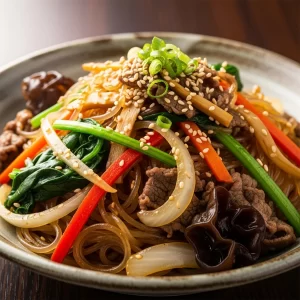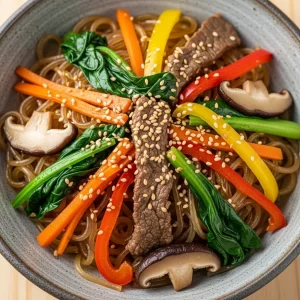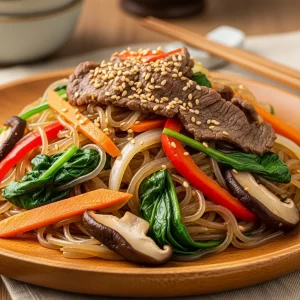

In the vibrant world of Korean cuisine, few dishes capture the heart and palate quite like Japchae. This beloved harmony of chewy glass noodles, crisp vegetables, and savory-sweet marinade is more than just a meal-it’s a party of texture, flavor, and tradition. But what truly makes Japchae authentic, and how can home cooks unlock its full potential? In this article, we dive deep into the secrets behind crafting genuine Korean Japchae noodles, revealing time-honored techniques and insider tips that transform simple ingredients into a dazzling culinary experience. Prepare too embark on a flavorful journey that brings the essence of korea’s kitchen right to your table.
Discovering the Origins and Cultural Importance of Japchae
Unlock the Secrets of Authentic Korean Japchae Noodles Recipe by delving into the rich heritage of this beloved Korean dish. Japchae, which translates to “mixed vegetables”, originated during the Joseon Dynasty and was traditionally served during royal banquets and special celebrations. Its harmonious blend of sweet, savory, and earthy flavors has made it a symbol of festivity and communal dining across Korean households. Growing up, I fondly remember my grandmother preparing japchae for Lunar New Year, where each translucent sweet potato noodle strand told a story of patience and culinary mastery.
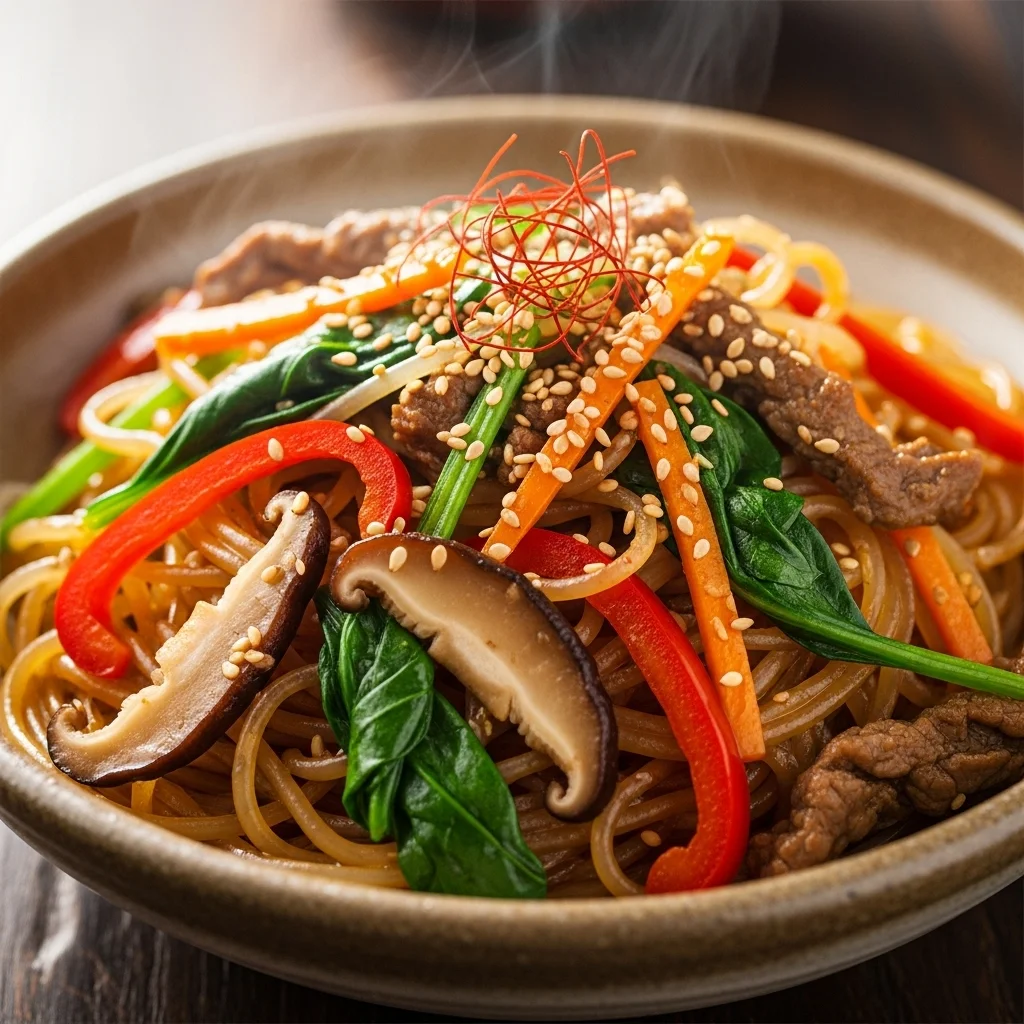
More than just a dish, Japchae embodies the spirit of Korean cuisine-balancing texture, color, and flavor while celebrating premium, seasonal ingredients. The delicate glass noodles, known as dangmyeon, paired with vibrant sautéed vegetables, marinated beef, and a subtle sesame-scented soy glaze, make it as visually stunning as it is satisfying.
Choosing the Perfect Ingredients for Ultimate Flavor and Texture
To truly unlock the secrets of authentic Korean japchae noodles recipe, ingredient selection is paramount. Start with high-quality sweet potato starch noodles (dangmyeon) – these glass noodles have a unique chewy texture that absorbs flavors without becoming mushy. Fresh and colorful vegetables like julienned carrots, bell peppers, spinach, and shiitake mushrooms provide vibrant contrast and contribute to the layers of flavor.
For protein, thin slices of marinated beef brisket or sirloin create rich, meaty undertones, though you may opt for tofu or tempeh to suit various palates. The sauce base hinges on a balanced mix of soy sauce, toasted sesame oil, garlic, and a hint of brown sugar-each component essential for that authentic sweet and savory finish.
Step by Step Techniques to Master the Traditional Cooking Process
- Prepare the noodles: Soak the sweet potato noodles in warm water for 20 minutes until soft but still chewy. Drain and briefly boil for 4-5 minutes until al dente, then rinse under cold water to prevent overcooking.
- Marinate the beef: Combine thinly sliced beef with soy sauce, minced garlic, a teaspoon of sugar, and pepper. Let it sit while prepping vegetables.
- Sauté vegetables separately: In a hot pan with a splash of sesame oil, cook carrots, bell peppers, spinach (just wilted), and mushrooms individually. This preserves their texture and color. Season lightly with salt.
- Cook the beef: Sear marinated beef slices over medium-high heat until browned but tender, about 3-4 minutes. Set aside.
- Combine and season: In a large bowl, toss together noodles, beef, and vegetables. Dress with a mix of soy sauce, toasted sesame oil, brown sugar, minced garlic, and a sprinkle of black pepper. Gently toss until all ingredients are evenly coated.
- Final stir-fry (optional): For enhanced flavor, briefly stir-fry the combined japchae over medium heat for 2-3 minutes while stirring constantly to integrate flavors and warm thru without sogginess.
Tips and Tricks to Customize your Japchae for Every Palate
Feel free to personalize your Japchae by swapping or adding ingredients to suit your preferences. For a vegetarian twist, substitute beef with pan-fried tofu cubes or mushrooms exclusively. To elevate the nutty aroma, toast the sesame seeds just before garnishing. If you crave a hint of heat, incorporate thinly sliced fresh chili or a drop of Korean gochujang (fermented chili paste) into the sauce.
Pro tip: Prepare all ingredients before cooking and sauté vegetables separately to maintain vibrant colors and crispness-a hallmark of beautifully styled Japchae. Leftovers reheat well but consider adding a splash of sesame oil before serving to revive flavors.
Prep and Cook Time
- Preparation: 25 minutes
- Cooking: 15 minutes
- Total: 40 minutes
Yield
Serves 4 as a main dish or 6 as a side.
Difficulty Level
Medium – requires multitasking and precise timing for optimum texture.
Ingredients
- 200g sweet potato glass noodles (dangmyeon)
- 150g beef sirloin or brisket, thinly sliced
- 1 medium carrot, julienned
- 1 red bell pepper, julienned
- 1 cup fresh spinach leaves
- 5 dried shiitake mushrooms, rehydrated and sliced
- 3 cloves garlic, minced
- 3 tbsp soy sauce, divided
- 1 tbsp brown sugar
- 2 tbsp toasted sesame oil, divided
- 2 tbsp vegetable or neutral oil (for sautéing)
- Salt and freshly ground black pepper, to taste
- 1 tbsp toasted sesame seeds (optional garnish)
Instructions
- Soak the noodles: Place sweet potato noodles in a large bowl of warm water for 20 minutes until softened. Drain well.
- Cook noodles: Boil the noodles in rapidly boiling water for 4-5 minutes until just tender yet firm. Drain and rinse with cold water to halt cooking.
- Marinate beef: In a small bowl, combine beef slices with 1 tbsp soy sauce, half the minced garlic, and a pinch of pepper. Set aside for 10 minutes.
- Cook vegetables: Heat 1 tbsp vegetable oil in a skillet over medium heat. Sauté carrots until tender (~3 mins), then remove. Repeat this process separately with bell peppers, spinach (just until wilted), and shiitake mushrooms, seasoning lightly with salt.
- Cook beef: In the same pan, add remaining vegetable oil and cook marinated beef until browned but still juicy (about 4 minutes). Remove and set aside.
- Mix the sauce: In a large mixing bowl, whisk remaining soy sauce, brown sugar, remaining garlic, toasted sesame oil, and a pinch of black pepper.
- Combine everything: Add noodles, cooked vegetables, and beef into the bowl with sauce. Toss gently but thoroughly to coat.
- Final cook: Return the mixture to the warmed pan and stir-fry gently for 2-3 minutes, ensuring the japchae is evenly heated and flavors meld without sogginess.
- Garnish & serve: Transfer to a serving platter, sprinkle with toasted sesame seeds and an additional drizzle of sesame oil if desired.
Chef’s Notes & Tips for Success
- Ingredient prep is key: Julienne vegetables uniformly to ensure even cooking and a harmonious appearance.
- Separate sautéing: Cooking vegetables separately preserves their unique textures and vibrant colors, essential for authentic presentation.
- don’t over-soak noodles: Over-soaking makes noodles sticky; aim for soft, elastic texture.
- Make-ahead friendly: Prepare japchae a few hours in advance. Reheat gently in a pan with a bit of sesame oil to refresh.
- Vegetarian adaptation: Skip beef and add tempeh or extra mushrooms for umami depth.
Serving Suggestions
This dish shines served warm or at room temperature. Present japchae in a shallow bowl or wide platter to showcase its colorful layers. Garnish with a sprinkle of toasted sesame seeds and fresh green onions. Pair with a side of kimchi or steamed rice to complete the authentic Korean table experience. For a festive twist, accompany with light, crisp Korean pancakes (pajeon) or chilled barley tea.
| Nutritional Info (per serving) | Calories | Protein | Carbs | Fat |
|---|---|---|---|---|
| Japchae noodles | 320 | 15g | 45g | 8g |
For further exploration of Korean flavors, explore our Korean Bulgogi Recipe. To understand more about the cultural heritage of Korean cuisine, visit the Wikipedia article on Korean cuisine.
Q&A
Q&A: Unlock the Secrets of Authentic Korean Japchae Noodles Recipe
Q1: What exactly are Japchae noodles, and why are they so special in Korean cuisine?
A1: Japchae is a vibrant Korean stir-fried noodle dish made from sweet potato starch noodles called “dangmyeon”. Unlike typical wheat noodles, these glassy, chewy strands soak up flavors beautifully. Japchae is celebrated for its balance of savory, sweet, and earthy notes – a true harmony that symbolizes joy and celebration in Korean culture.
Q2: What ingredients are essential for making authentic Japchae noodles?
A2: At the heart of authentic Japchae are dangmyeon noodles, along with a colorful medley of sautéed vegetables like spinach, carrots, onions, and mushrooms. Thinly sliced beef or sometimes pork adds umami depth. Soy sauce, sesame oil, garlic, and a touch of sugar complete the seasoning, producing that signature sweet-savory profile.
Q3: How do you prepare the kernels of flavor in Japchae without overpowering the noodles?
A3: The magic lies in timing and technique. Each ingredient is cooked separately to preserve its unique texture and flavor. Vegetables remain crisp-tender, beef juicy but lean, and noodles chewy but not mushy. When all components unite at the final stir-fry stage, they exchange notes without drowning each other – a true orchestra of flavors.
Q4: Are Japchae noodles gluten-free?
A4: Yes! The noodles are traditionally made from sweet potato starch, making them naturally gluten-free. This makes Japchae a fantastic choice for those avoiding gluten but craving complex textures and rich tastes.
Q5: Can Japchae be served cold or is it always a hot dish?
A5: Japchae is wonderfully versatile. While traditionally served warm and freshly stir-fried, it also shines cold or at room temperature, which makes it a popular banchan (side dish) during Korean festivities or packed lunches.
Q6: What common mistakes should home cooks avoid when making Japchae?
A6: Overcooking the noodles is a common pitfall – they can become gummy quickly. Also, overcrowding the pan during stir-fry results in steaming rather than frying, dulling textures. Under-seasoning is a no-no; authentic Japchae must have that perfect balance of soy, sesame, and a subtle hint of sweetness.
Q7: How can I add a personal twist to the Japchae recipe without losing its authenticity?
A7: Feel free to experiment with proteins – try tofu for a vegetarian flair or shrimp for a coastal touch. Incorporate local seasonal veggies while respecting the dish’s balance. A sprinkle of toasted sesame seeds or a drizzle of spicy gochujang-based sauce can elevate Japchae into your own signature creation while honoring tradition.
Q8: Why is Japchae more than just a noodle dish to Koreans?
A8: Japchae is imbued with cultural significance – it graces tables during special holidays, weddings, and celebrations. Its colorful ingredients symbolize prosperity and happiness. More than nourishment, it’s a culinary expression of harmony, patience, and joy shared among family and friends.
Q9: Where can I find authentic dangmyeon noodles if I want to try making Japchae at home?
A9: Asian grocery stores usually stock dangmyeon under Korean noodles or “sweet potato glass noodles”. Online markets specializing in korean ingredients are also excellent sources. Always check the packaging for 100% sweet potato starch to ensure authenticity and texture.
Unlocking the secrets of authentic Korean Japchae noodles means embracing mindfulness in cooking and appreciation for cultural nuances. With each stir and toss, you’re not just preparing a meal, you’re weaving tradition into every delicious bite.
Closing Remarks
As the tantalizing aroma of stir-fried glass noodles and vibrant vegetables lingers in your kitchen, you’ve now unlocked the secrets to crafting authentic Korean Japchae. This beloved dish, steeped in history and bursting with harmonious flavors, is more than just a recipe-it’s a culinary bridge to Korea’s rich culture and tradition. Whether you’re serving it as a festive centerpiece or a comforting weekday meal, the delicate balance of sweet, savory, and nutty notes will transport your taste buds on an unforgettable journey. So, gather your ingredients, embrace the art of Japchae, and savor each bite of this timeless classic-as now, authentic Korean Japchae isn’t just a dish you order; it’s a story you create.