
In a world where wellness trends rise and fall like the tides, few beverages have bubbled up with as much intrigue and staying power as kombucha tea. Frequently enough described as a fizzy elixir,this ancient fermented brew has captured the hearts-and taste buds-of health enthusiasts across the globe. But kombucha is more than just a tangy, effervescent drink; it’s a complex symphony of probiotics, antioxidants, and organic acids that may support digestion, boost immunity, and invigorate your body from within. Join us as we explore the vibrant culture, compelling science, and rich traditions behind kombucha tea-a sparkling companion for anyone embarking on a health journey fueled by nature’s own fermentation magic.
Origins and brewing Secrets of Kombucha Tea
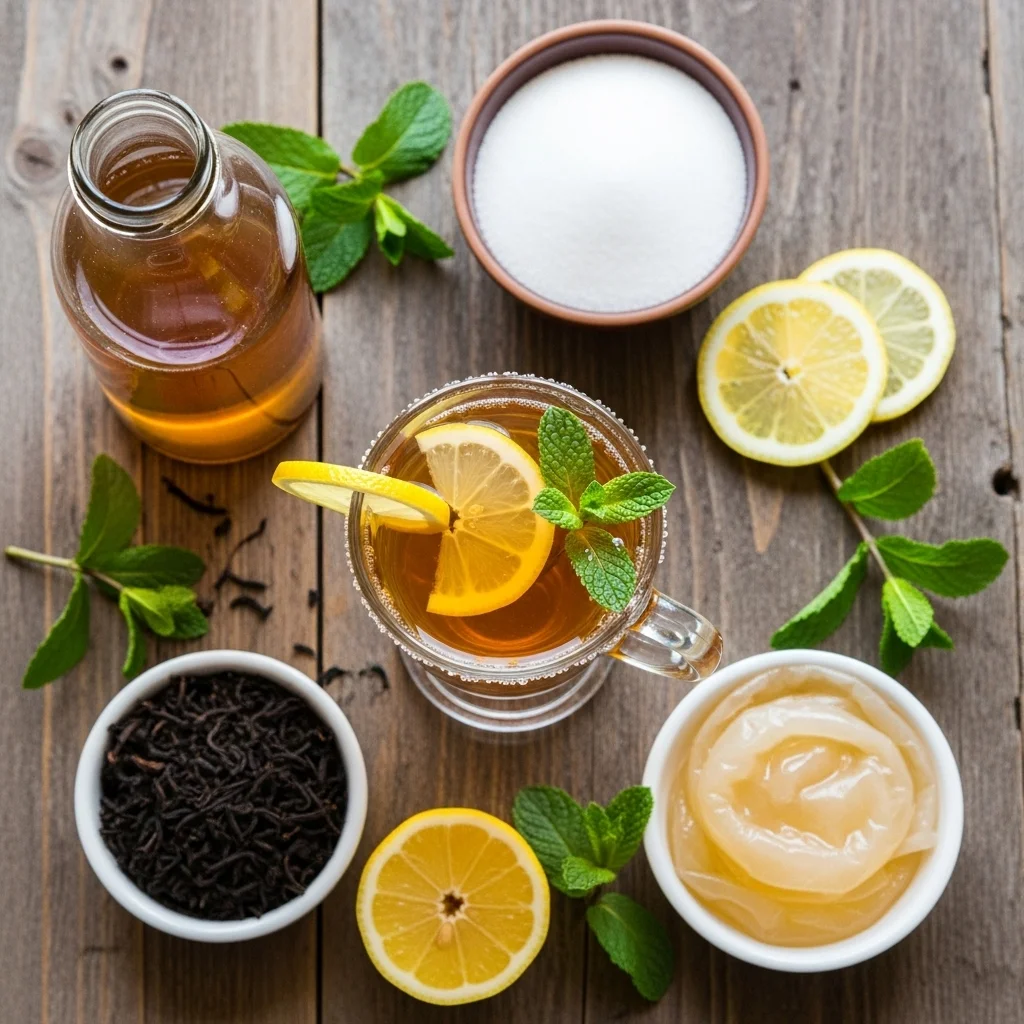
Kombucha Tea is more than just a fizzy drink; it’s a living tradition steeped in thousands of years of history and wellness. Originating from ancient China, this fermented elixir was prized by emperors for its restorative properties and revitalizing effects. Its journey across continents brought variations in tea bases, fermentation techniques, and flavor infusions, each adding a unique chapter too kombucha’s rich story. The magic behind this brew lies in the symbiotic culture of bacteria and yeast (SCOBY), which transforms sweetened tea into a tangy, effervescent tonic brimming with probiotics and organic acids.
Health Benefits Backed by Science and Tradition
Modern science increasingly validates what ancient cultures instinctively knew: kombucha tea supports digestive health, boosts immunity, and promotes detoxification. Rich in antioxidants, B vitamins, and organic acids, it fosters a balanced gut microbiome essential for overall wellness. Traditional use aligns with scientific findings showing kombucha’s potential to reduce inflammation, improve liver function, and even help regulate blood sugar levels. Whether you seek digestive clarity or a natural energy lift, this sparkling brew offers a holistic wellness boost in every sip.
Choosing the Right Kombucha for Your Wellness Goals
With the surge in popularity of kombucha tea, the market offers a dazzling array of flavors and fermentation styles. When selecting your kombucha,prioritize organic,unpasteurized bottles to maximize probiotic benefits. Flavor profiles can range from tart and herbal to fruity and sweet-choose varieties like ginger for digestion, hibiscus for antioxidants, or green tea base for a caffeine boost. Pay attention to sugar content, as some commercial blends contain added sweeteners that may undermine your health goals. If in doubt,brewing your own allows complete control over every element.
How to Brew and Customize Your Own Fizzy Elixir at Home
Brewing kombucha tea at home is both an art and a science, wonderfully accessible for enthusiasts eager to craft personalized tonics. The process begins with a simple sweetened black or green tea base, combined with a SCOBY that kick-starts fermentation. With patience and care, your brew will develop lively carbonation, a complex flavor profile, and vibrant health benefits. Customizing is where your creativity shines-adding fruit juices, herbs, or spices in the second fermentation tailors each batch to your palate and wellness needs.
Prep and Cook Time
- Planning: 15 minutes
- Primary Fermentation: 7-10 days
- Secondary fermentation (Flavoring & Carbonation): 2-5 days
Yield
Approximately 1 gallon (3.8 liters) of kombucha tea
Difficulty Level
Medium – Requires attention to fermentation conditions but perfect for beginners with guidance
Ingredients
- 1 gallon filtered water
- 1 cup granulated sugar (preferably organic cane sugar)
- 8 bags black or green tea (or 2 tablespoons loose leaf)
- 1 SCOBY (symbiotic culture of bacteria and yeast, about 4 inches in diameter)
- 2 cups starter kombucha (from a previous batch or store-bought raw kombucha)
- Optional: fruit juice, herbs, or spices for secondary fermentation
Instructions
- Prepare the Sweet Tea Base: Bring the filtered water to a boil. Remove from heat and dissolve 1 cup of granulated sugar completely. Add tea bags and steep for 10-15 minutes until strong. Remove tea bags and allow sweet tea to cool to room temperature (around 70-75°F).
- Transfer and Add SCOBY: Pour the cooled tea into a sanitized glass jar. Add 2 cups of starter kombucha and gently place the SCOBY on top. Cover the jar with a breathable cloth secured with a rubber band to allow airflow while keeping contaminants out.
- Primary Fermentation: Let the jar sit undisturbed at room temperature away from direct sunlight for 7-10 days. Taste starting at day 7; fermentation is complete when the tea is tangy with a slight sweetness. The SCOBY will grow a new layer-this is a positive sign.
- Remove SCOBY and Reserve Starter: with clean hands, carefully lift out the SCOBY and set aside in a small bowl with some kombucha.This can be reused for your next batch.
- Flavor and Bottle: For secondary fermentation, pour the kombucha into airtight bottles, leaving space for flavor additives like fresh ginger slices, berries, or herbs. Seal tightly to encourage carbonation.
- secondary Fermentation: Store bottles at room temperature for 2-5 days. Check carbonation daily to avoid overpressure. Refrigerate when desired fizz is reached to halt fermentation and enjoy chilled.
Tips for Success
- Maintain Cleanliness: Always sanitize your equipment and hands to prevent mold or contamination.
- Temperature Matters: Keep fermentation between 68-80°F. Too cold slows production; too hot can kill the SCOBY.
- Control Sweetness: Use pure cane sugar-the SCOBY thrives on it. Avoid substitutes like honey or stevia during primary fermentation.
- Don’t Stir during Fermentation: Let the brew ferment undisturbed to develop ideal flavor.
- Experiment Safely: When adding flavors, use fresh, clean ingredients and avoid oils which may harm the culture.
Serving Suggestions
Serve your kombucha tea chilled in a tall glass over ice for a refreshing treat. Garnish with a sprig of fresh mint, a thin slice of lemon, or floating edible flowers for visual charm. For a festive twist, pair with light salads, fresh fruit, or as a palate cleanser between meals. Use kombucha as a base for mocktails, mixing with sparkling water and citrus bitters for an elegant, healthful refreshment.
| Nutrient | Per 8 oz (240ml) Serving |
|---|---|
| Calories | 30-50 |
| Protein | 0 g |
| Carbohydrates | 6-8 g (varies by fermentation length) |
| Fat | 0 g |
Looking to deepen your fermented beverage repertoire? Check out our homemade fermented pickles recipe for another gut-friendly delight. For more scientific insights on kombucha’s benefits, visit the National Center for Biotechnology Information.
Q&A
Q&A: Kombucha Tea – A Fizzy Elixir for Your Health Journey
Q1: What exactly is kombucha tea?
A1: Kombucha is a refreshing, effervescent tea created by fermenting sweetened tea with a symbiotic culture of bacteria and yeast-frequently enough lovingly called a SCOBY.This magical microbe mash transforms ordinary tea into a tangy, fizzy elixir that’s been enjoyed for centuries across the globe.
Q2: Why has kombucha gained so much popularity recently?
A2: Beyond its quirky fizz and slightly tart flavor, kombucha has captured attention due to its potential health benefits.Enthusiasts tout it as a gut-friendly tonic packed with probiotics, antioxidants, vitamins, and organic acids, supporting digestion, immunity, and even detoxification.It’s like nature’s bubbly health boost in a bottle.Q3: How does fermentation work in kombucha,and what does it do?
A3: During fermentation,the SCOBY munches on sugar and sweet tea,producing beneficial acids,trace amounts of alcohol,and bubbles of carbon dioxide. This process not only creates kombucha’s signature fizz but also boosts its nutritional profile, making it richer in beneficial compounds compared to regular tea.
Q4: Can kombucha help improve digestion?
A4: Absolutely! Thanks to its probiotic content, kombucha may support a thriving gut microbiome-a bustling community of friendly bacteria vital for digestion. These probiotics can definitely help balance gut flora, ease digestive discomfort, and promote smoother nutrient absorption along your digestive journey.
Q5: Is kombucha safe for everyone to drink?
A5: for most healthy adults, moderate kombucha consumption is generally safe and enjoyable. Though, as it’s mildly acidic and contains trace alcohol from fermentation, people who are pregnant, nursing, or have compromised immune systems should consult a healthcare provider before diving in. Also, homemade kombucha requires careful brewing hygiene to avoid unwanted microbes.
Q6: How can I incorporate kombucha into my daily routine?
A6: Think of kombucha as your sparkling sidekick-enjoy it chilled during a fresh afternoon break, add a splash to smoothies for zing, or experiment with cocktail mocktails and dressings. Just start slow; a small glass daily allows your body to adjust to its probiotics and tangy charm.
Q7: Are there different flavors of kombucha?
A7: Yes! While the classic base is black or green tea, kombucha is endlessly customizable. Producers frequently enough infuse it with fruity, floral, or spicy notes-like ginger-lime, hibiscus-rose, or berry-basil-turning each sip into an adventure for your taste buds.
Q8: What should I look for when buying kombucha?
A8: Aim for raw, unpasteurized versions to get the full probiotic punch. Check labels for added sugars since some brands sweeten it excessively.Glass-bottled kombucha often preserves flavor better than plastic. And keep an eye on carbonation levels and alcohol content if these matter to you.
Q9: Can kombucha replace my morning coffee or tea?
A9: Kombucha offers a mild caffeine content and a gentle energizing effect but isn’t a direct substitute for coffee’s robust kick. Think of it more as a complementary companion-bringing hydration, probiotics, and a lively fizz to your health journey without the jitters.
Q10: What’s the best takeaway about kombucha tea for health seekers?
A10: Kombucha is more than just a trendy drink-it’s a centuries-old craft that offers a fizzy, flavorful way to support your digestive health and wellness. Sip it mindfully,savor its quirky complexity,and let this sparkling elixir be a joyful fizz on your path toward vibrant health. Cheers to your gut!
In Retrospect
As the effervescent bubbles of kombucha dance on your tongue, they carry more than just a refreshing zing-they usher in a vibrant world of wellness benefits waiting to be explored. This fizzy elixir, steeped in tradition and brimming with probiotics, invites you to sip your way toward a healthier gut, a revitalized immune system, and a spark of natural energy. Whether you’re a curious newcomer or a devoted fan, kombucha offers a delicious bridge between ancient wisdom and modern health aspirations. So next time you crave somthing more than just a drink, let kombucha be your bubbly companion on the path to a nourished, balanced, and invigorated you. Cheers to health-with a fizz!