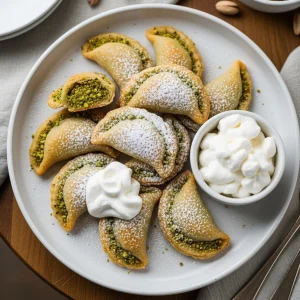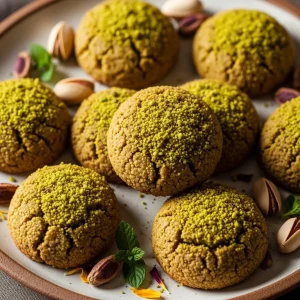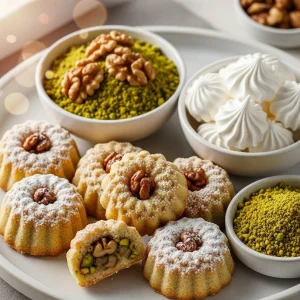

In the vast tapestry of culinary gems, some treasures remain quietly nestled within the folds of tradition, waiting to be discovered anew. Karabij, a dish steeped in history and brimming with rich flavors, invites us on a journey to the heart of cultural heritage and time-honored cooking. More than just a meal, Karabij unravels stories passed down through generations, blending aromatic spices, hearty ingredients, and cherished rituals into every bite. This exploration into Karabij not only uncovers the essence of a beloved recipe but also celebrates the enduring spirit of tradition that continues to flavor our lives today.
Karabij Uncovered reveals a culinary treasure that captures the essence of centuries-old tradition and hearty regional flavors. This iconic dish, steeped in history, invites you into a world where every bite tells a story of cultural gatherings, familial warmth, and unique ingredient alchemy. Originating from the rugged landscapes of the Caucasus, Karabij has long been a symbol of community spirit and festivity, bridging generations with its distinct aromatic blend and rustic charm.
Prep and Cook Time
- Readiness: 25 minutes
- Cooking: 40 minutes
- Total time: 1 hour 5 minutes
Yield
- Serves 6 hearty portions
Difficulty level
- Medium – Ideal for home cooks with some experience looking to explore customary recipes
Ingredients
- 2 cups pearl barley, rinsed and soaked for 1 hour
- 1 lb lamb shoulder, cut into bite-sized cubes
- 1 large onion, finely chopped
- 3 cloves garlic, minced
- 1 medium carrot, grated
- 3 tbsp clarified butter (or ghee)
- 1 tsp ground coriander
- 1 tsp smoked paprika
- 1/2 tsp dried thyme
- salt and freshly ground black pepper, to taste
- 4 cups beef or lamb broth, preferably homemade
- Fresh dill and parsley, finely chopped, for garnish
Instructions
- Prepare the barley: Drain the soaked pearl barley. In a heavy-bottomed pot, melt 2 tablespoons of clarified butter over medium heat. Add the barley and toast it lightly for 3-4 minutes, stirring occasionally, until it gives off a nutty aroma.
- Sauté the aromatics: In a separate pan, melt the remaining tablespoon of clarified butter. Add the chopped onion and grated carrot, sautéing until softened and golden, about 7 minutes. Stir in the minced garlic and cook for an additional minute until fragrant.
- brown the lamb: Add the lamb cubes to the aromatics and cook over medium-high heat until browned on all sides, about 8 minutes. This step locks in the rich meat flavors vital to the dish.
- Infuse the spices: Sprinkle in the ground coriander, smoked paprika, dried thyme, salt, and pepper.Stir well to evenly coat the meat and vegetables, allowing the spices to toast gently for 1-2 minutes.
- combine and simmer: Transfer the toasted barley into the lamb mixture.pour in the broth, stirring to combine. bring the pot to a boil, then reduce the heat to low and cover.
- Cook until tender: Allow the karabij to simmer gently for 30-35 minutes, stirring occasionally to prevent sticking. The barley should become tender and plump, absorbing the rich flavors of the meat and broth.
- Final seasoning and rest: Taste and adjust seasoning as needed. Remove from heat and let the pot rest covered for 10 minutes, allowing the flavors to meld beautifully.
- Garnish and serve: Sprinkle fresh dill and parsley on top before serving to add a fresh, herbaceous lift that balances the hearty depth of the dish.
Tips for Success
- For an authentic touch, use lamb broth if possible – it amplifies the earthiness characteristic of Karabij.
- If you prefer a vegetarian version, substitute the lamb and broth with mushrooms and vegetable stock, and increase the spices slightly for depth.
- Soaking the barley is crucial as it reduces cook time and ensures a creamy, chewy texture.
- Reserve a splash of broth to loosen the dish before serving if it thickens too much.
- Make it ahead: Karabij tastes even better the next day when flavors have fully developed!
Serving Suggestions
Serve Karabij straight from the pot accompanied by traditional Caucasian sides such as warm flatbreads or tangy yogurt. For an authentic cultural experience, pair this rustic dish with a glass of Georgian red wine or a robust black tea infused with herbs like mint or sage.
Garnish with a vibrant sprinkle of freshly chopped herbs and a drizzle of warm, melted clarified butter to enhance both presentation and aroma. A simple salad of cucumbers, tomatoes, and pomegranate seeds adds a refreshing contrast that completes this culinary journey.
Nutrition Information
| Nutrient | Per Serving |
|---|---|
| Calories | 420 kcal |
| Protein | 28 g |
| Carbohydrates | 40 g |
| Fat | 15 g |
Discover more about rich traditional stews in our detailed guide on Authentic Caucasian Cuisine and deepen yoru culinary repertoire with regional treasures.
Q&A
Q&A: Karabij Uncovered – Exploring the Heart of Tradition and Flavor
Q1: What exactly is Karabij?
A1: Karabij is a traditional delicacy, steeped in cultural heritage and renowned for its unique blend of flavors. Often described as a culinary gem, it’s more than just a dish-it’s a story on a plate, capturing the essence of time-honored recipes passed down through generations.
Q2: Where does Karabij originate from?
A2: The origins of Karabij trace back to a vibrant region known for its rich tapestry of customs and gastronomy. This dish embodies the spirit of its homeland, reflecting local ingredients and ancestral cooking methods that have survived centuries.
Q3: What makes Karabij’s flavor profile so distinctive?
A3: Karabij’s flavor is an artful dance of spices, textures, and aromas. It balances savory and subtle sweetness, often enhanced by fragrant herbs and a hint of smokiness. Each bite reveals layers of complexity, inviting you to savor tradition in every mouthful.
Q4: How is Karabij traditionally prepared?
A4: Preparation of Karabij is both a ritual and a craft. Typically, fresh, locally sourced ingredients are combined with precise techniques-slow cooking or skillful blending-to unlock deep, resonant flavors. The process honors time-tested methods, sometimes involving community gatherings where recipes live on through shared hands.
Q5: Why is Karabij considered a cultural symbol?
A5: Beyond its culinary appeal, karabij represents unity, identity, and party. It is often served during festivals, family events, and ceremonies, symbolizing hospitality and the warmth of home. through Karabij, generations connect, and cultural stories are preserved and passed forward.
Q6: Can Karabij be adapted for modern palates?
A6: Absolutely! While traditionalists cherish Karabij’s original form, contemporary chefs experiment by infusing it with new ingredients or presentation styles. This fusion keeps Karabij vibrant, introducing its heritage to global tables without losing its soul.
Q7: Where can one taste authentic Karabij today?
A7: Authentic karabij is best enjoyed in its place of origin, where local cooks guard their familial recipes. Though, select restaurants and cultural festivals dedicated to preserving traditional cuisine offer travelers a genuine taste experience. Seeking out these venues is a flavorful adventure in itself.
Q8: What can newcomers expect when trying Karabij for the first time?
A8: Expect a culinary journey. Karabij surprises the palate with its harmony of flavors-comforting, yet intriguingly complex. It invites you not only to taste but to appreciate the cultural narrative woven into every bite, making the experience both memorable and meaningful.
Discovering Karabij is more than trying a dish; it’s embracing a living tradition, rich with history and heart, where every ingredient tells a story, and every meal is a celebration.
Key Takeaways
As we close the chapter on our journey through the vibrant world of Karabij, what remains is a deeper thankfulness for this dish that transcends mere sustenance. Karabij is more than a recipe; it is indeed a living thread woven into the fabric of tradition, culture, and community. Each bite tells a story of heritage preserved, of flavors passed down through generations, and of the hands that bring it to life. By uncovering the heart of Karabij, we not only savor its rich taste but also honor the timeless legacy it carries. Whether you’re a seasoned foodie or a curious traveler, let Karabij inspire your palate and your soul to explore the delicious narratives hidden within every tradition.