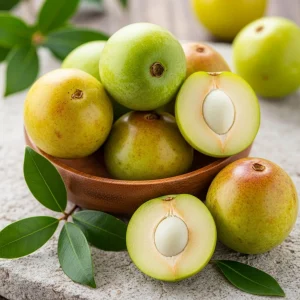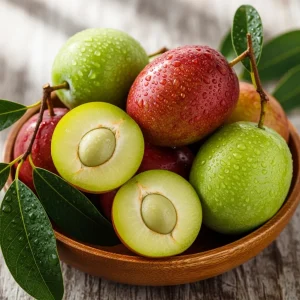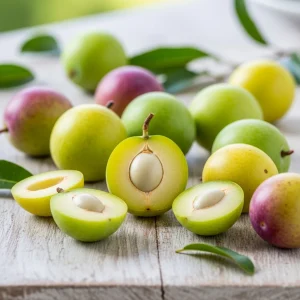

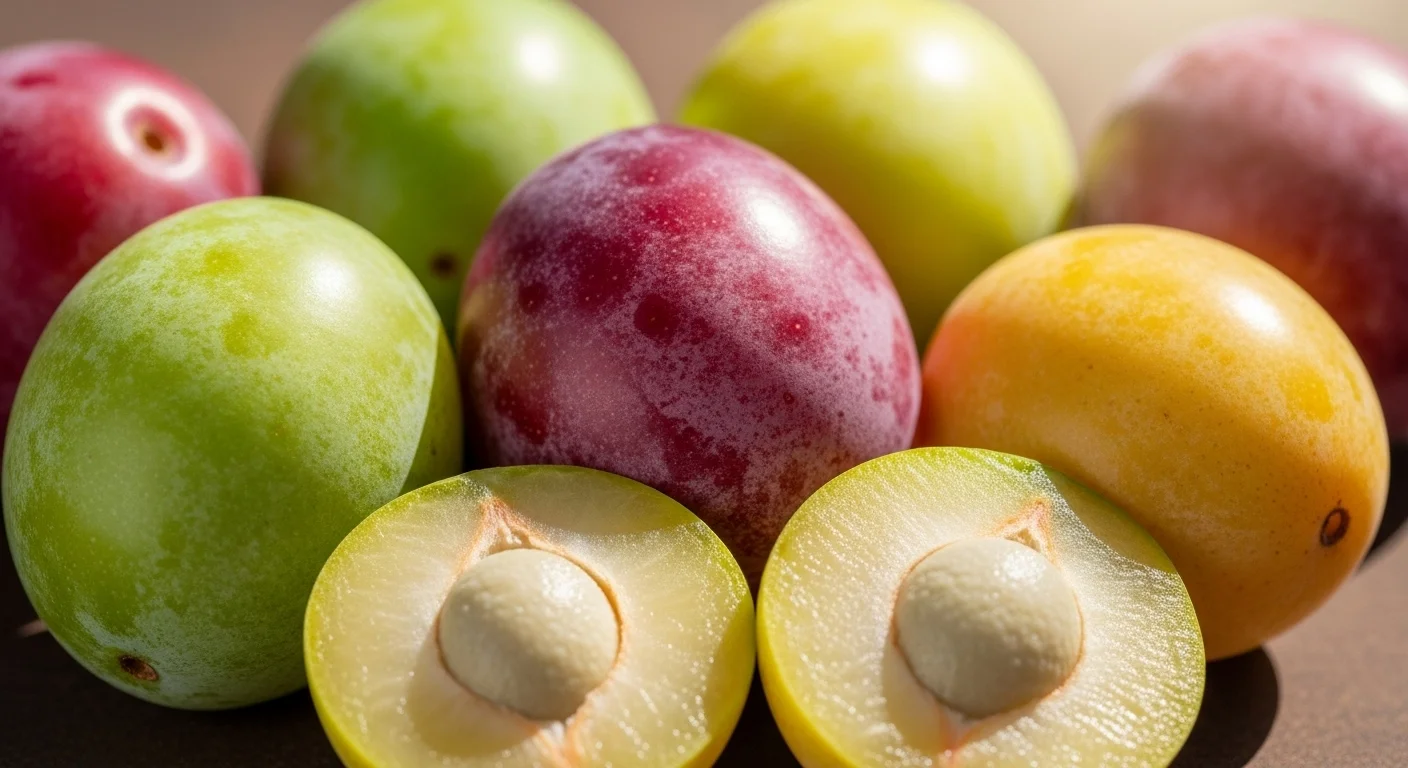
In the heart of Australia’s rugged landscapes grows a vibrant jewel of the indigenous bush, the kakadu plum. Revered for thousands of years by Aboriginal communities, this humble fruit is now captivating the world as nature’s superfruit, brimming with an amazing array of nutrients and powerful antioxidants. Often called “ancient power in a tiny package”, the Kakadu plum holds secrets of traditional wisdom intertwined with modern science, promising profound benefits for health and wellness. Join us as we delve into the story behind this remarkable fruit, uncovering its cultural significance and unraveling the science that cements its place as one of the most potent natural gifts on Earth.
Kakadu Plum is a remarkable ingredient treasured for its astounding nutritional profile and deep-rooted cultural significance. Known as one of nature’s richest sources of vitamin C, this indigenous Australian superfruit carries an ancient legacy that infuses modern wellness routines with a burst of natural vitality. Whether you’re exploring its vibrant tang in a refreshing smoothie or incorporating it into savory dishes, Kakadu Plum offers a unique flavor and a potent health boost that elevates everyday meals into extraordinary experiences.
Prep and Cook Time
Prep Time: 10 minutes
Cook Time: 0 minutes (no cooking required)
Yield
Serves 2 as a refreshing drink or snack component
Difficulty Level
Easy
ingredients
- 2 teaspoons Kakadu Plum powder (or 1 tablespoon fresh Kakadu Plum puree)
- 1 cup coconut water (chilled)
- 1 medium ripe banana (for natural sweetness and creaminess)
- 1/2 cup frozen pineapple chunks
- 1 tablespoon raw honey (optional, adjust sweetness to taste)
- Juice of 1/2 lemon (to enhance brightness)
- A few fresh mint leaves (optional, for garnish and refreshing aroma)
Instructions
- Prepare the ingredients: If using fresh Kakadu Plum, puree it until smooth. Otherwise, measure the powder precisely for the most health benefits.
- Combine all ingredients: In a high-speed blender, add the frozen pineapple, banana, coconut water, Kakadu Plum powder or puree, lemon juice, and honey.
- Blend until smooth: Pulse and blend the mixture on high speed until creamy and well combined. It should have a vibrant greenish-golden hue.
- Adjust sweetness and consistency: Taste the smoothie and add more honey or coconut water if desired. Blend again for a few seconds.
- Serve promptly: Pour into chilled glasses, garnish with fresh mint leaves, and serve with a straw for an energizing boost.
Expert Tips for Selecting and Storing Kakadu Plum Products
Choosing the right product is key to maximizing benefits. Opt for organic Kakadu Plum powder sourced from reputable suppliers, ensuring it’s finely milled and vibrant in color, a sign of high antioxidant content. Fresh Kakadu Plums can be rare outside Australia, so powders and purees are excellent alternatives.
Storage matters: Keep powders and purees stored in airtight, opaque containers away from heat and light to preserve their potent vitamin C levels. Refrigerate fresh purees and consume within 3-5 days to enjoy peak flavor and nutrition.
Expert Tips for Success
- For an antioxidant-rich morning boost, substitute coconut water with almond milk or green tea for layered flavors.
- To avoid bitterness, start with a small amount of Kakadu Plum powder and gradually increase to suit your palate.
- Pre-freeze Kakadu plum puree in ice cube trays to add bursts of flavor in smoothies without dilution.
- Combine Kakadu Plum with other superfoods like spirulina or chia seeds for a nutrient-dense super smoothie bowl.
- If fresh fruit is unavailable, dried Kakadu Plum powder maintains benefits and is a shelf-stable pantry staple.
Serving Suggestions
This vibrant Kakadu Plum smoothie pairs beautifully with a breakfast spread featuring chia pudding or gluten-free granola. For elegant entertaining, serve it as a chilled health elixir in small glasses garnished with edible flowers or a thin slice of lemon peel. The tart, citrusy notes also make it a wonderful addition to yogurt parfaits or drizzled over fresh fruit salads for an unexpected tangy twist.
| Nutrient | Per Serving |
|---|---|
| Calories | 140 kcal |
| Protein | 1.5 g |
| Carbohydrates | 34 g |
| Fat | 0.5 g |
| Vitamin C | 200% Daily Value |
Explore more about incorporating superfoods into your daily routine in our Superfoods Guide and learn about the scientific background of vitamin C in the National Center for biotechnology Details.
Q&A
Q&A: Kakadu Plum – Nature’s Superfruit Packed with Ancient Power
Q1: What exactly is the kakadu plum?
A1: The Kakadu plum (Terminalia ferdinandiana) is a unique fruit native to the Australian outback, treasured by Indigenous peoples for thousands of years. Small and green on the outside, it packs an extraordinary punch of nutrients inside, making it a true superfruit with ancient roots.
Q2: Why is the Kakadu plum called a “superfruit”?
A2: This tiny fruit boasts one of the highest recorded concentrations of vitamin C, up to 100 times more than an orange! Beyond vitamin C, it’s bursting with antioxidants, minerals, and antimicrobial properties, promoting health and vitality in ways modern science continues to marvel at.
Q3: How have Indigenous Australians traditionally used Kakadu plum?
A3: For millennia, Indigenous communities have harvested Kakadu plums as a vital source of nutrition and medicine. They used it fresh, dried, or ground into pastes to treat colds, skin ailments, and wounds. Its enduring presence in Indigenous culture reflects a deep knowledge of the land’s healing gifts.
Q4: What makes Kakadu plum’s nutritional profile so remarkable?
A4: It’s a true nutritional powerhouse! high levels of vitamin C support immune health and skin regeneration, while antioxidants help combat oxidative stress. It also contains essential minerals like potassium and magnesium, contributing to overall wellness and longevity.
Q5: How is Kakadu plum being used today beyond traditional contexts?
A5: The superfruit is now making waves globally-featured in skincare products for its natural anti-aging benefits, incorporated into health supplements, and even added to gourmet recipes for its tart, citrusy flavor. Modern science and ancient wisdom are blending beautifully around this little green gem.
Q6: Can anyone enjoy Kakadu plum, and how is it consumed?
A6: Absolutely! The fruit can be eaten fresh (if you ever get the chance), but more commonly it’s dried, powdered, or turned into jams and sauces. It’s versatile for smoothies, dressings, or as a natural preservative. However, given its potent vitamin C content, it’s a good idea to start slow when introducing it into your diet.
Q7: What environmental role does Kakadu plum play?
A7: Beyond nutrition, the Kakadu plum tree supports ecosystem health, providing habitat and food for native wildlife. Lasting harvesting by Indigenous communities also helps preserve biodiversity and promotes cultural stewardship of the land.
Q8: Why should we pay attention to the Kakadu plum now?
A8: In a world craving natural, nutrient-dense foods, the Kakadu plum stands out as a beacon of ancient wisdom and modern health benefits. Celebrating and respecting this superfruit not only nourishes our bodies but also honors the custodians of Australia’s rich ecological heritage. It’s nature’s ancient power, ripe for finding.
Exploring the Kakadu plum invites us on a journey through time, culture, and wellness-where every tiny fruit contains stories and strengths nurtured by the earth itself.
Future Outlook
As we peel back the layers of history and science, the Kakadu plum emerges not just as a fruit, but as a vibrant testament to nature’s enduring wisdom. Packed with ancient power and bursting with nutrients, this humble berry invites us to reconnect with the land and embrace its remarkable gifts. Whether you’re a wellness enthusiast or a curious foodie, the Kakadu plum offers a refreshing taste of Australia’s rich natural heritage, one that nourishes body, mind, and soul. In celebrating this superfruit, we honor both tradition and innovation, proving that sometimes, the oldest remedies hold the freshest secrets.