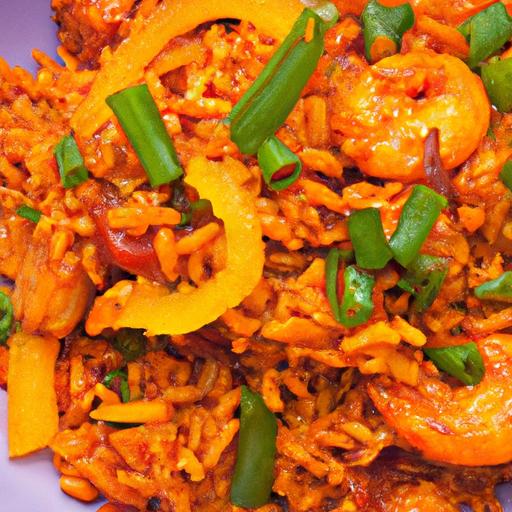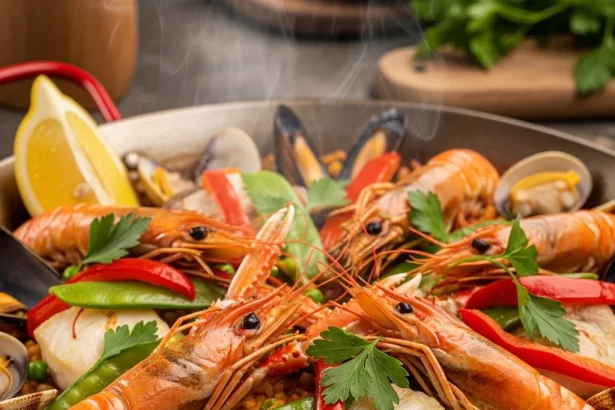

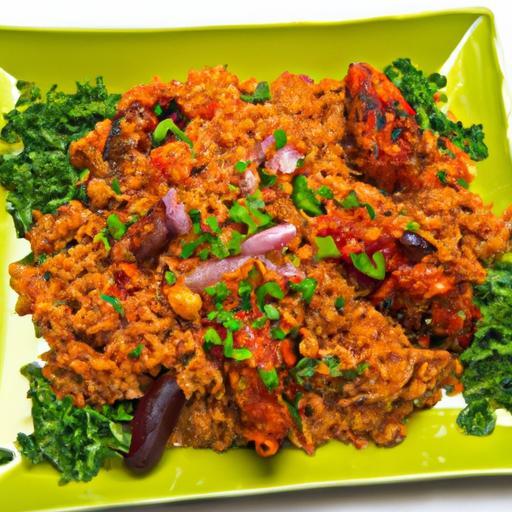
Across the vibrant tapestry of African cuisine, few dishes command as much passion, pride, and playful rivalry as Jollof rice. This beloved culinary treasure, with its rich, smoky aroma and brilliant hues of red and gold, is more than just a meal-its a cultural phenomenon that unites communities and sparks endless debates from bustling street markets to elegant dinner tables. But what is it that makes Jollof rice so iconic? Beyond its irresistible flavor lies a storied history, a blend of diverse traditions, and a party of Africa’s abundant resources. Join us as we unravel the flavorful layers of Jollof rice, exploring its origins, variations, and the deep-rooted significance that cements its place as Africa’s flavorful crown jewel.
Jollof Rice stands as one of West Africa’s most beloved culinary treasures, a vibrant celebration of culture, history, and unforgettable flavor.Rooted deeply in the rich soils of the Senegambian region, its journey across borders transformed it into an iconic dish cherished from Nigeria to Ghana, Senegal to Sierra Leone. Every simmering pot tells the story of unity, festivity, and familial warmth-bringing communities together through the harmonious blend of smoky, tomato-infused rice and intensely aromatic spices.Whether you’re a seasoned home cook or stepping into the fragrant world of West African cuisine for the first time, mastering jollof rice invites an experience filled with passion and flavor.
Prep and Cook Time
- Preparation: 20 minutes
- Cooking: 40 minutes
- Total Time: 1 hour
Yield
- Serves 6 generous portions
Difficulty Level
- Medium – perfect for adventurous home cooks refining their technique
Ingredients
- 2 cups long-grain parboiled rice, rinsed and drained
- 4 large ripe tomatoes, blended smoothly or 1 can (400g) crushed tomatoes
- 1/4 cup tomato paste
- 1 large red bell pepper, chopped and blended
- 1 large onion, finely chopped (divided)
- 4 cloves garlic, minced
- 1 thumb-sized piece of fresh ginger, minced
- 3 cups chicken or vegetable stock
- 1/2 cup vegetable oil (or palm oil for more authentic, earthy aroma)
- 2 teaspoons smoked paprika
- 1 teaspoon dried thyme
- 2 bay leaves
- 1-2 Scotch bonnet peppers (adjust to heat preference), whole
- Salt to taste
- freshly ground black pepper
- Optional protein: cooked chicken, shrimp, or fried plantains for serving
Instructions
- Prepare the tomato base: Blend the tomatoes, red bell pepper, and half the onion into a smooth paste.Set aside.
- Sauté aromatics: Heat oil in a large heavy-bottomed pot over medium heat. Add the remaining onion and sauté until translucent about 3 minutes. Stir in garlic and ginger, sautéing an additional 2 minutes until fragrant.
- Develop the sauce: Pour in the blended tomato mixture and tomato paste. Simmer gently for 10-15 minutes,stirring occasionally until the sauce thickens and loses its raw taste.
- Season: Stir in smoked paprika, thyme, bay leaves, salt, pepper, and gently nestle the whole Scotch bonnet peppers into the sauce for subtle heat infusion without overpowering.
- Add rice and stock: Rinse the rice again if needed. then fold the rice into the sauce, gently coating every grain in the rich tomato base. Pour in the chicken or vegetable stock-enough to just cover the rice. Bring to a boil.
- Simmer: Reduce heat to low, cover pot with a tight-fitting lid or a clean kitchen towel secured under the lid to absorb excess moisture. Simmer for 25-30 minutes without stirring,allowing the rice to cook evenly and absorb the flavors.
- Rest and fluff: Turn off the heat and let the rice rest, covered, for 5-10 minutes. Remove the Scotch bonnet peppers and bay leaves, then gently fluff the rice with a fork to separate grains.
- Optional protein: Top with your favorite freshly cooked proteins like grilled chicken or crisp fried plantains for a picture-perfect plate.
Tips for Success
- Rinse the rice thoroughly to eliminate excess starch-this ensures separate,fluffy grains rather than a sticky texture.
- Using parboiled rice helps maintain grain integrity under slow cooking but jasmine rice can also be used for a fragrant twist.
- Simmer on low heat: Avoid lifting the lid to prevent steam loss, which makes the rice undercooked or overly dry.
- For authentically smoky undertones, a touch of smoked paprika or dry shrimp powder can elevate the flavor complexity.
- If you crave a deeper tomato flavor, blend in roasted tomatoes or add a spoonful of cooked red bell pepper puree.
- Make ahead: jollof rice reheats beautifully. store leftovers in an airtight container and reheat gently on the stove with a splash of stock or water to revive moisture.
Serving Suggestions
Serve your jollof rice on vibrant plates complemented by slices of fresh avocado,crisp cucumber salad,or fried plantains. Garnish with freshly chopped parsley or green onions for color contrast. Pair it with a cool side of Egusi soup for an authentic West African feast that dazzles both the eyes and palate.

| Nutrient | Per Serving |
|---|---|
| Calories | 350 kcal |
| Protein | 6 g |
| Carbohydrates | 55 g |
| Fat | 10 g |
Q&A
Q&A: jollof Rice – Africa’s Iconic Flavored Culinary Treasure Explained
Q1: What is Jollof Rice, and why is it so beloved across Africa?
A1: Jollof Rice is a vibrant, aromatic one-pot dish made with rice, tomatoes, onions, and a medley of spices. Known for its rich,smoky,and slightly spicy flavor,it’s a staple at celebrations,family gatherings,and everyday meals. Its beloved status comes from its comforting taste, cultural significance, and the pride each region takes in its own unique twist-making it a culinary treasure that unites diverse African communities.
Q2: Where did Jollof rice originate?
A2: Jollof Rice traces its roots to the Senegambian region of West Africa, historically linked to the Wolof people (also spelled Jollof), hence the name. Over centuries, the recipe journeyed across the continent, evolving in Nigeria, Ghana, Sierra Leone, and beyond, each adding local ingredients and flavors to create distinct regional varieties.
Q3: What are the key ingredients that give Jollof rice its signature flavor?
A3: At the heart of every Jollof Rice pot is a luscious blend of ripe, stewed tomatoes, tomato paste, and onions, infused with bell peppers, garlic, ginger, and fragrant spices like thyme, bay leaves, and sometimes a hint of chili. The rice absorbs this savory sauce, often simmered in broth or stock, absorbing layers of smoky depth from traditionally smoked ingredients or the cooking method itself.
Q4: How does Jollof Rice differ across various African countries?
A4: While the backbone remains similar, each country adds its own flair. nigerian Jollof is known for its spicy kick and sometimes the addition of curry powder and dried thyme. Ghanaian Jollof tends to lean more on subtle spices and often uses basmati rice for a distinct texture. Senegalese Jollof, or “Ceebu Jën,” incorporates fresh fish, vegetables, and is frequently enough cooked with broken rice. These subtle differences fuel lively debates on the ”best” Jollof recipe, turning it into a delightful culinary rivalry.
Q5: Why is Jollof Rice more than just a meal in African culture?
A5: Jollof Rice transcends the dinner plate; it’s a symbol of unity, celebration, and identity. Whether served at weddings, birthdays, or festivals, it brings people together and sparks conversations rooted in heritage. It acts as a appetizing reminder of shared histories and communal values, making it both a comfort food and a cultural ambassador.
Q6: Can Jollof Rice be adapted for modern diets or global palates?
A6: Absolutely! Jollof Rice is incredibly versatile. While traditionally meat or fish-based, it can easily be made vegetarian or vegan without losing its soul. International chefs experiment by infusing it with global spices or pairing it with fusion sides, introducing this African treasure to new audiences while preserving its essence.
Q7: What’s the secret to perfecting Jollof Rice at home?
A7: Patience and attention to detail are key. Rinse your rice well to prevent clumping, simmer your tomato sauce slowly to deepen its flavor, and avoid stirring too often to allow the rice to cook evenly.Many cooks cherish the ”party rice” method-using a single pot and letting the bottom form a slightly crispy crust known as “party rice” or “bottom pot”-adding an irresistible texture contrast.
Q8: How has Jollof Rice influenced global cuisine?
A8: As African diasporas spread worldwide, Jollof Rice has followed, captivating food lovers from London to New york. It’s become a celebratory dish in international food festivals and a symbol of pride for Africans abroad. Its rich traditions inspire chefs globally to explore african flavors, contributing to a growing recognition of African culinary arts on the world stage.
Embracing its rich history, bold flavors, and cultural depth, Jollof Rice is more than just a dish-it’s Africa’s flavorful, rhythmic culinary anthem, inviting everyone to take part in its timeless celebration.
In Retrospect
As the scent of simmering tomatoes, peppers, and spices lingers in the air, Jollof rice stands not just as a dish, but as a vibrant celebration of Africa’s rich culinary tapestry. From fiery kitchens in Lagos to bustling street markets in Accra,its smoky,savory flavors tell stories of culture,community,and creativity passed down through generations. Whether enjoyed at festive gatherings or humble family meals, Jollof rice remains a delicious emblem of unity and identity across the continent. In every steaming spoonful, you taste more than food-you savor a treasured heritage that continues to inspire and delight palates worldwide.