
In the delicate world of Japanese cuisine, where precision meets poetry, chawanmushi emerges as a silky delight that captivates both the eye and the palate. This savory steamed egg custard, with its whisper-smooth texture and subtle layers of umami, is more than just a dish-it is an art form that embodies the harmony of flavor, technique, and tradition.Join us as we embark on a sensory journey to explore the origins, craftsmanship, and cultural significance of chawanmushi, uncovering the secrets behind its ethereal texture and timeless appeal. Whether enjoyed as an elegant appetizer or a comforting indulgence, chawanmushi invites us to slow down, savor simplicity, and appreciate the understated beauty of Japanese culinary artistry.
Silky delights begin with mastering the essence of texture and flavor in chawanmushi, a classic Japanese egg custard renowned for its delicate balance and sumptuous silkiness. This dish, steeped in tradition, unites humble ingredients into a velvety custard that melts effortlessly on the tongue, offering both comfort and elegance in every spoonful. Originating from Japan’s sophisticated culinary heritage, chawanmushi invites you to explore its nuanced layers-from the subtle umami of dashi broth to the tender interplay of mushrooms and shrimp.
Prep and Cook Time
Prep: 20 minutes | Cook: 30 minutes | Total: 50 minutes
Yield
4 servings
Difficulty Level
Medium – requires attention to steaming technique for silky results
Ingredients
- 4 large eggs,gently beaten
- 2 cups dashi stock (preferably homemade or high-quality instant)
- 1 tablespoon soy sauce
- 1 tablespoon mirin
- ¼ teaspoon salt
- 4 medium-sized shiitake mushrooms,thinly sliced
- 4 small shrimp,peeled and deveined
- 4 ginkgo nuts (optional,for texture and authenticity)
- Fresh mitsuba leaves or thinly sliced green onions for garnish
Instructions
- Prepare the custard base: In a large bowl,gently whisk the eggs just until combined-avoid creating froth to maintain a smooth texture.
- Mix the dashi broth: Add the soy sauce, mirin, and salt to the dashi, than stir it into the eggs carefully, blending without introducing bubbles.
- Strain the mixture: Pour the custard through a fine sieve into another bowl. This step is crucial for a silky, lump-free custard.
- Divide the fillings: place one or two shiitake slices, a shrimp, and a ginkgo nut into each heatproof chawanmushi cup or ramekin.
- Pour the custard: Slowly pour the egg mixture over the fillings in each cup, filling until about ¾ full, ensuring the ingredients remain submerged gently.
- Steam gently: cover each cup with aluminum foil or a lid to prevent water from dripping in. Steam over low heat for 15-20 minutes, or until the custard is just set (a gentle jiggle in the center indicates perfection).
- Check for doneness: Insert a skewer or toothpick to ensure a clean break. The custard should be tender, not rubbery or watery.
- Garnish and serve: Top with fresh mitsuba leaves or green onions and serve warm for the ultimate silky delight.
Tips for Success
- Use fresh eggs and high-quality dashi for the most authentic flavor and texture.
- Maintain a low steaming temperature of about 70-80°C (158-176°F) to prevent curdling and achieve that signature silkiness.
- Straining the custard mixture twice can enhance smoothness.
- Customize fillings depending on seasonality-try chicken thigh, kamaboko (fish cake), or seasonal vegetables for variety.
- chawanmushi can be made ahead-simply reheat gently under steam before serving to preserve texture.
Serving Suggestions
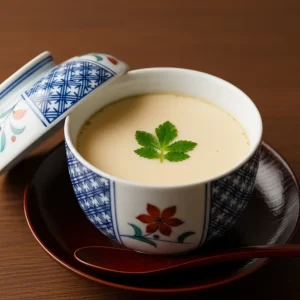
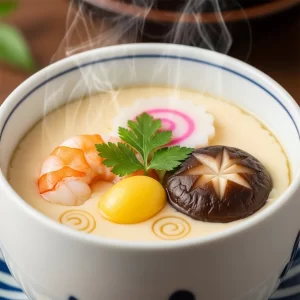
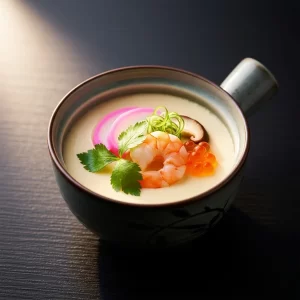
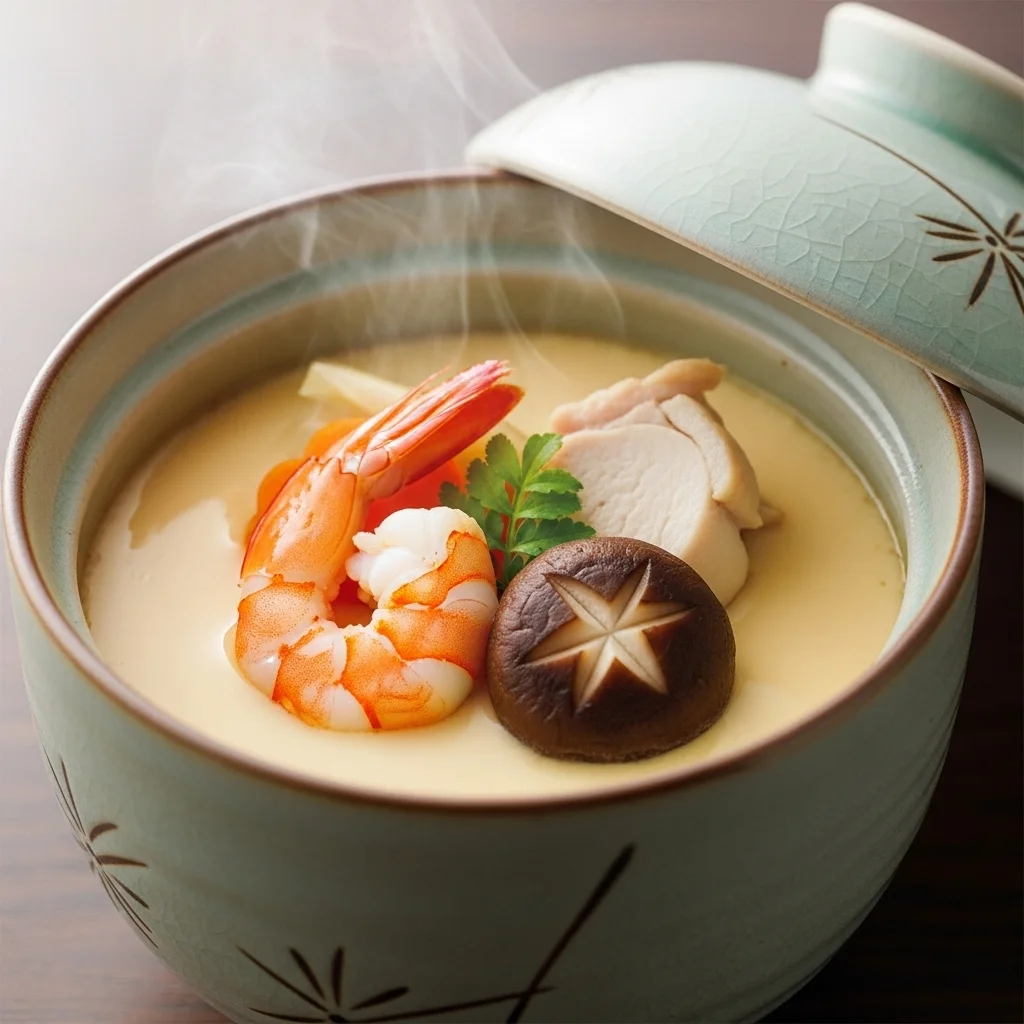
Present chawanmushi in conventional Japanese lidded cups or minimalist porcelain bowls. The translucent custard showcasing the embedded mushrooms and shrimp creates visual intrigue. Pair it with a side of lightly pickled vegetables or a bowl of steamed rice for balance. A crisp, cold sake or delicate green tea also complements the silky texture and delicate flavor, elevating your chawanmushi experience into a true celebration of Japanese culinary artistry.
| Nutrient | Per Serving |
|---|---|
| Calories | 130 kcal |
| Protein | 10 g |
| Carbohydrates | 5 g |
| Fat | 7 g |
For further exploration of Japanese flavors and textures,visit our Japanese cooking techniques guide or dive deeper into dashi’s umami power with Japan Foods’ dashi overview.
Q&A
Q&A: Silky Delights – Exploring the Art of Japanese Chawanmushi
Q1: What exactly is Chawanmushi?
A1: chawanmushi, which literally means “steamed in a teacup,” is a traditional Japanese savory egg custard that delights with its silky, melt-in-your-mouth texture. Unlike Western custards that are sweet, Chawanmushi is softly steamed with a delicate blend of dashi (Japanese broth), eggs, soy sauce, and mirin, often enriched with tender morsels like shrimp, chicken, ginkgo nuts, or shiitake mushrooms.
Q2: How did Chawanmushi become a staple in Japanese cuisine?
A2: Chawanmushi’s origins trace back centuries to Japan’s Edo period, when culinary ingenuity focused on transforming simple ingredients into elegant, refined dishes. The technique of steaming egg custard in small cups showcased the artistry of balance-combining umami-rich broth with a smooth texture-that would come to embody Japanese cuisine’s ethos of subtle harmony.
Q3: What makes the texture of Chawanmushi so uniquely smooth?
A3: The magic lies in a gentle, low-heat steam. The egg mixture, whisked to just the right consistency and strained to eliminate bubbles, is steamed slowly, allowing proteins to coagulate softly rather than curdle. This slow, delicate cooking forms a custard that’s tender and silky-almost like a savory cloud that melts on your tongue.
Q4: Are there regional differences or variations in Chawanmushi?
A4: Absolutely! While the core elements remain consistent, regional kitchens add their own flair. Some versions include dashi from bonito flakes; others may feature local seafood, mountain vegetables, or even a touch of yuzu zest for brightness. In Osaka, for example, you might find sweeter, lighter broths, whereas Kyoto’s version often emphasizes nuanced subtlety and seasonal ingredients.
Q5: Can Chawanmushi be enjoyed outside of Japan?
A5: Definitely! With the global rise of Japanese cuisine, Chawanmushi has found a place on many international menus-from traditional sushi restaurants to inventive fusion kitchens. Home cooks around the world also embrace it as a comforting, protein-rich dish that’s surprisingly easy to prepare with simple pantry staples and a bamboo steamer or even a microwave.
Q6: What are some tips for making perfect Chawanmushi at home?
A6: Patience and precision are key. Use fresh eggs, high-quality dashi, and strain the custard mixture to avoid bubbles. Steam gently in low heat-about 70-80°C (160-175°F)-to ensure a smooth texture. Don’t rush! And experiment with fillings: silky chicken, plump shrimp, or even ginkgo nuts add texture and bursts of flavor.
Q7: Why is Chawanmushi considered an art form?
A7: Beyond its flavor, Chawanmushi exemplifies Japanese culinary artistry-where technique, timing, ingredient harmony, and presentation converge.The dish speaks to mindfulness and respect for natural flavors, inviting the diner to savor a simple yet profound experience: elegance in a humble teacup. It’s not just food; it’s poetry in a bite.
Whether you’re a seasoned foodie or a curious beginner, exploring Chawanmushi opens a gateway to Japanese culture, tradition, and the beauty found in subtle, silky delights.
Key Takeaways
As we savor the delicate layers of flavor and texture that define chawanmushi, it becomes clear that this humble custard is much more than a simple dish-it is a testament to the nuanced artistry of Japanese cuisine. Each silky spoonful invites us to slow down, appreciate the subtle harmony of ingredients, and connect with a tradition that celebrates balance and elegance in every bite. Whether enjoyed in a bustling urban eatery or a quiet home kitchen, chawanmushi remains a comforting reminder that true culinary beauty often lies beneath the surface, patiently waiting to be discovered.