
Step into a world where every sip tells a story-where ancient traditions mingle with vibrant landscapes, and the aroma of freshly brewed leaves awakens not just the senses but a legacy centuries in the making. Indian tea, often celebrated as the nation’s beloved elixir, is far more than a simple beverage; it is a rich tapestry woven from diverse cultures, regional nuances, and time-honored craftsmanship. From the mist-laden gardens of Assam and Darjeeling’s lofty peaks to the sprawling estates of Nilgiri, the journey of Indian tea unveils a remarkable heritage and an exquisite palette of flavors that have captivated palates across the globe. Join us as we delve into the captivating story behind this quintessential brew-its origins, its evolution, and the magical qualities that continue to enchant millions every day.
The Rich Heritage and Flavor of Indian Tea Unveiled lies in its storied past and vibrant regional traditions that have shaped this beloved beverage into a cultural icon. Originating centuries ago in the lush tea gardens of Assam and Darjeeling, Indian tea has been cherished not only for its bold taste but also for its role in daily rituals and social gatherings. Growing up amidst warm chai aromas, I discovered how each region’s unique brewing method and spice blend tells a tale of its people and place, creating an experience that transcends just a cup of tea.
Prep and Cook Time
Preparation: 5 minutes
Cooking: 10 minutes
Total Time: 15 minutes
Yield
Serves 2 cups
Difficulty Level
Easy
The Rich Heritage and Flavor of Indian Tea Unveiled: Ingredients
- 2 cups water
- 1 ½ tsp loose Indian black tea leaves (Assam or Darjeeling for authentic flavor)
- 1 cup whole milk (or dairy-free alternative)
- 2 tsp sugar (adjust to taste)
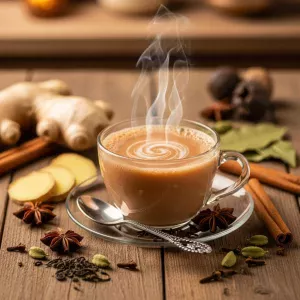
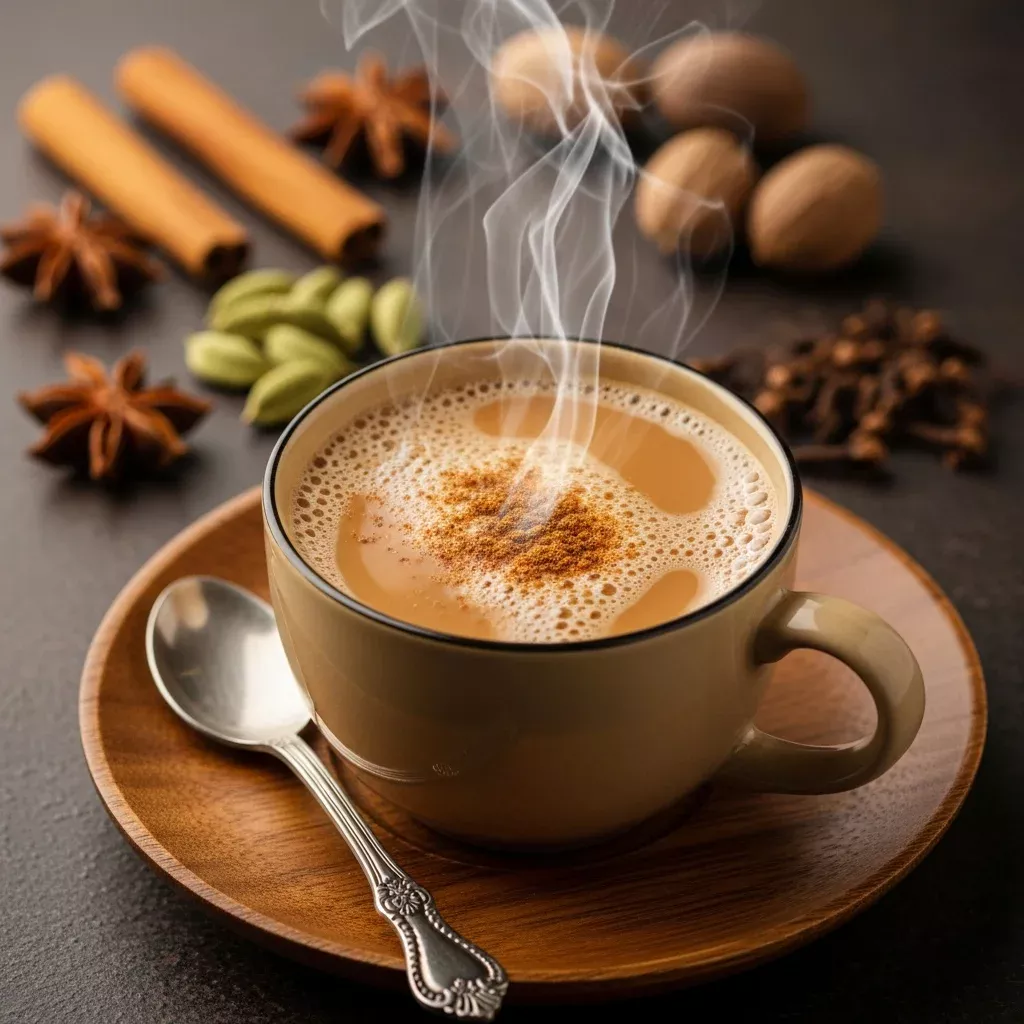
- 3-4 crushed green cardamom pods
- 1 small cinnamon stick
- 2-inch piece fresh ginger, sliced thinly
- Optional spices: a pinch of black pepper, cloves, or fennel seeds
Instructions
- Bring the water to a boil in a saucepan over medium-high heat. Add the crushed cardamom pods, cinnamon stick, sliced ginger, and any optional spices. Tip: Lightly crushing the spices releases deeper flavors.
- Reduce heat and simmer the spiced water for 3-5 minutes to infuse the aromas thoroughly.
- Add the loose tea leaves to the simmering water. Stir gently and let brew for 2-3 minutes. Avoid over-steeping to prevent bitterness.
- Pour in the milk and add sugar. Increase heat and bring the mixture to a gentle boil. Watch carefully and stir occasionally to prevent milk from scorching.
- Once it reaches a boil, lower the heat and simmer for another 2-3 minutes to allow flavors to meld.
- Strain the chai through a fine mesh sieve into cups, capturing all the spices and tea leaves. Serve piping hot.
Chef’s Notes: Tips for Success
- Customize your chai spice blend: Experiment with star anise or nutmeg for a personalized flavor twist.
- Use fresh whole spices: grinding or crushing them just before brewing ensures maximum aroma and pungency.
- Milk choice impacts texture: For creamier chai, opt for full-fat dairy or evaporated milk.
- Make-ahead tip: Brew a stronger tea concentrate and refrigerate it up to 48 hours; simply reheat with fresh milk to serve.
- Adjust sweetness: Traditional Indian tea is often quite sweet; start with less sugar and add gradually to your preference.
The Rich heritage and Flavor of Indian Tea Unveiled: Serving Suggestions
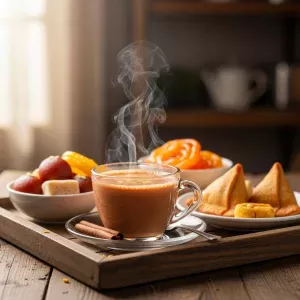
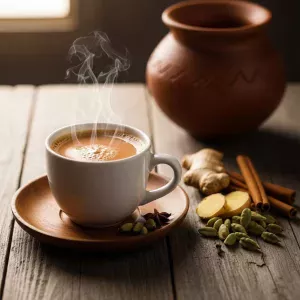
Serve your chai in classic clay kulhads for an authentic touch or elegant glass cups to showcase its warm amber hue. Pair with freshly baked masala biscuits, buttery namkeen samosas, or light cardamom-spiced cookies for an indulgent teatime. Garnish with a sprinkle of crushed cardamom or a cinnamon stick for visual appeal and aroma enhancement. Enjoy your tea slowly, savoring the intricate layers of spice, milk, and tea – a true festivity of India’s timeless tea culture.
Nutrition Facts per Serving
| Calories | Protein | Carbohydrates | Fat |
|---|---|---|---|
| 120 | 4 g | 15 g | 5 g |
Discover more about regional tea varieties and brewing traditions for an even richer exploration of Indian tea culture. For detailed past insights, visit the UK Tea & Infusions Association.
Q&A
Q&A: The Rich Heritage and Flavor of Indian Tea unveiled
Q1: What makes Indian tea so unique compared to teas from other parts of the world?
A1: Indian tea is a symphony of diverse landscapes, climates, and cultures infused into every sip. Unlike many single-origin teas, India’s tea gardens spread across vastly different regions-Assam’s robust, malty leaves, Darjeeling’s floral, muscatel notes, and Nilgiri’s fragrant, brisk character-all contribute to an unparalleled tapestry of flavor. This diversity, paired with centuries-old cultivation traditions, sets Indian tea apart as a rich heritage blend celebrated globally.
Q2: How did tea become such an integral part of Indian culture?
A2: Tea’s integration into Indian culture is a captivating historical blend of colonial influence and indigenous innovation. Introduced commercially by the British in the 19th century to break China’s monopoly, tea quickly grew from an elite curiosity to a mass cultural phenomenon. Indian entrepreneurs and farmers adapted and evolved cultivation methods, while chai-spiced, milky tea infused with local flavors-emerged as a beloved everyday ritual cherished from bustling cities to serene villages.
Q3: What are the traditional methods of preparing indian tea, and how do they enhance the flavor?
A3: Traditional Indian tea preparation is an art form-boiling strong black tea leaves vigorously with water, milk, sugar, and an aromatic blend of spices like cardamom, ginger, and cloves creates “chai”. This method intensifies the infusion, allowing the bold tea base to harmonize with the warming spices, producing a comforting, robust brew. The slow simmering and attention to proportions elevate the flavor, making chai both a sensory delight and a cultural symbol of hospitality.
Q4: Can you explain the significance of Tea Gardens like Assam and Darjeeling in the tea world?
A4: Assam and Darjeeling are the crown jewels of Indian tea, each with distinct identities that captivate connoisseurs worldwide. Assam, with its humid plains, yields teas known for their deep amber liquid and strong, malty punch-perfect for a revitalizing morning cup. Darjeeling, perched in the misty Himalayan foothills, produces delicate teas often called the “Champagne of teas” due to their bright, floral undertones and subtle complexity. Together, they showcase the geographical and cultural richness of Indian tea.
Q5: How is the current global tea market influencing India’s traditional tea industry?
A5: The global tea market is a double-edged sword for India’s traditional tea industry. On one hand, increasing international demand for specialty and organic teas is encouraging innovation, quality enhancement, and sustainable farming practices. On the other, mass production pressures and competition pose challenges to smallholder farmers and heritage tea estates. Nonetheless, India’s ability to blend tradition with modernity, embracing certified teas and niche markets, ensures that its rich heritage continues to thrive on the world stage.
Q6: What role does tea play in modern Indian society beyond just being a beverage?
A6: In modern India, tea transcends its role as a mere beverage; it is indeed a cultural bridge, a daily pause in hectic lives, and a social glue. Whether shared during roadside conversations at a chai stall or during family gatherings, tea catalyzes connection and community. It embodies warmth, hospitality, and resilience, reflecting India’s vibrant spirit. Moreover, it inspires creative expressions-from literature and cinema to art-celebrating its place as an integral thread in the Indian cultural fabric.
Q7: How can tea enthusiasts outside India best experience the authentic flavors of Indian tea?
A7: To truly savor Indian tea’s essence abroad, enthusiasts should seek out single-origin black tea like Darjeeling first flush or Assam Assam Golden Tips, preferably loose leaf for superior freshness. Brewing them with care-using proper water temperature and steeping time-unlocks their nuanced profiles. For a cultural immersion, experimenting with homemade masala chai recipes offers a gateway into India’s sensory heritage. Exploring specialty tea shops, attending tastings, or pairing Indian teas with traditional snacks can further enhance the global tea journey.
This Q&A delves into the captivating story and flavors of Indian tea, inviting readers to not only taste but experience the soul of a timeless tradition.
In Summary
As the steam rises gently from a freshly brewed cup, we are reminded that Indian tea is far more than a mere beverage-it is a living tapestry woven from centuries of tradition, culture, and passion. From the misty hills of Darjeeling to the sun-drenched plantations of Assam, each sip carries stories of heritage, craftsmanship, and a vibrant spirit that continues to enchant the world.Embracing Indian tea is to embark on a sensory journey that celebrates not just flavor, but the enduring legacy of a nation’s heart and soul. So next time you lift your cup, savor the richness that flows beneath the surface-a testament to India’s timeless devotion to the art of tea.