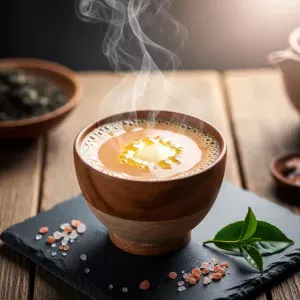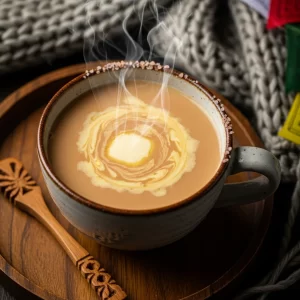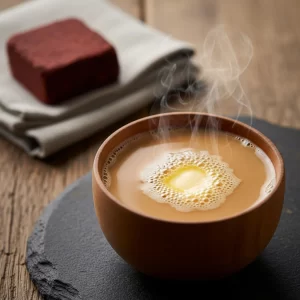

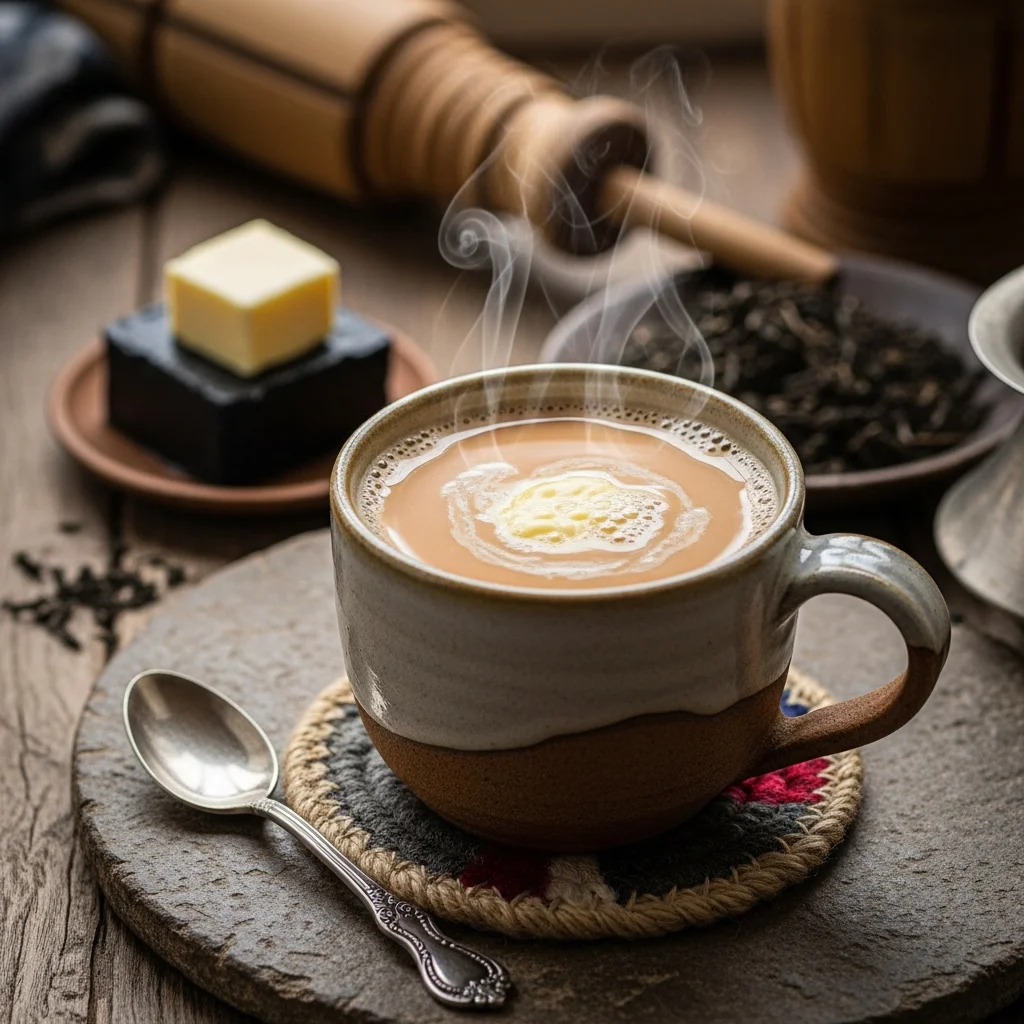
High atop the world, where towering peaks kiss the sky and the air grows thin and biting, a centuries-old tradition offers more than just warmth-it offers a taste of home. Butter tea, with its creamy texture and smoky aroma, is far more than a simple beverage for the Himalayan peopel; it is indeed a symbol of resilience, community, and cultural identity. From the nomadic herders of Tibet to the hardy mountain dwellers of Bhutan and nepal, this rich, buttery brew has been a faithful companion against the harsh elements, nourishing both body and spirit. In this article, we journey into the heart of the Himalayas to explore the origins, preparation, and enduring significance of butter tea-the drink that warms not just the hands, but the hearts of those who call these majestic highlands home.
Butter tea is much more than a warming beverage; it is indeed a cherished symbol of Himalayan culture, hospitality, and resilience. Originating in the high-altitude regions of Tibet, Nepal, Bhutan, and surrounding areas,this traditional drink fuels nomads and locals alike against the biting cold. The unique blend of salted tea, fermented yak butter, and milk reflects centuries of adaptation to harsh climates and scarce resources, offering a comforting ritual infused with communal warmth and spiritual mindfulness.
Prep and Cook Time
- Preparation: 10 minutes
- Cooking: 15 minutes
- Total: 25 minutes
Yield
Serves 4 generous cups
Difficulty Level
Medium – requires some practice in balancing flavors and traditional mixing technique
Ingredients
- 4 cups water
- 2 teaspoons loose black tea leaves (preferably Pu-erh or Tibetan tea)
- 1/2 teaspoon baking soda (optional, enhances tea color and texture)
- 1/4 teaspoon salt, or to taste
- 1 cup whole milk (yak milk preferred, or whole cow’s milk)
- 4 tablespoons unsalted butter (traditionally yak butter, room temperature)
Instructions
- Boil the water: In a heavy-bottomed pot, bring 4 cups of water to a rolling boil.
- Add tea leaves and baking soda: Stir in 2 teaspoons of black tea leaves and optional 1/2 teaspoon baking soda. Boil for about 5-7 minutes; this extracts a robust, slightly smoky brew ideal for butter tea.
- Strain the tea: Using a fine mesh sieve, strain the tea into a clean pot to remove leaves and any sediment.
- Season and combine: Stir in 1/4 teaspoon salt gently, adjusting based on your palate.
- Add milk and butter: Pour in 1 cup of whole milk and add 4 tablespoons of soft butter. Traditionally, yak butter is used, but high-quality unsalted cow’s butter works beautifully.
- Churn vigorously: traditionally, a special churn or vigorous whisking is used to emulsify the mixture into a creamy, frothy texture. You may use a blender or immersion blender for a perfect consistency. Blend for 2-3 minutes until the tea is pale gold and creamy.
- Serve hot: Promptly pour into cups and enjoy the warming richness.
Tips for Success
- Use robust black teas like Pu-erh to develop the signature deep flavor; green or lighter teas won’t carry the butter as well.
- Experiment with the salt level to find your perfect balance-this is essential in achieving the savory note.
- For authenticity, substitute cow’s milk with yak or goat’s milk where available.
- If you don’t have a blender, beat vigorously using a hand whisk or two spoons to create a frothy texture.
- Butter tea can be made in larger batches and kept warm in a thermos for nomadic travels or festivals.
Serving Suggestions
Butter tea is traditionally enjoyed alongside hearty Tibetan or Himalayan staples such as steamed momos, barley bread (tsampa), or salty cheese. Garnish with a sprig of fresh thyme or black tea leaves for a rustic presentation. Serve in traditional cups or thick ceramic mugs to preserve heat. Sipping slowly while sharing stories is as much part of the experience as the tea itself.
| Nutrient | Per Serving (1 cup) |
|---|---|
| Calories | 150 kcal |
| Protein | 2.5 g |
| Carbohydrates | 3 g |
| Fat | 14 g |
Health Benefits and Nutritional Insights Behind Butter Tea
Beyond its inviting flavor and cultural resonance, butter tea offers substantial nutritional support in the high Himalayas. The rich fats from yak butter and milk provide dense energy crucial for enduring cold weather and high altitudes. Salt aids in mineral balance, while antioxidants in black tea contribute to cardiovascular health and immunity. This nutrient-dense beverage supports sustained warmth and vigor, explaining its revered status among Himalayan nomads and monks alike.
Explore More:
Discover another beloved Himalayan recipe, Himalayan Apple Chutney, perfect for pairing with your traditional tea ritual.
For further reading on the cultural role of regional teas, visit National geographic’s insight on Tibetan Tea.
Q&A
Butter Tea: The Rich Tradition Warming Himalayan hearts – Q&A
Q1: What exactly is butter tea?
A1: Butter tea, also known as po cha in Tibetan, is a traditional drink made from tea leaves, yak butter, salt, and sometimes a pinch of baking soda. It’s a warm, creamy brew that’s as much a cultural emblem as it is indeed a comforting beverage, cherished for its unique flavor and nourishing qualities high in the Himalayan regions.
Q2: Where does butter tea originate from?
A2: The origins of butter tea trace back thousands of years to the Tibetan Plateau and surrounding Himalayan communities, including parts of Nepal, bhutan, and northern india. It evolved as a vital source of sustenance in the harsh, cold climates where calories and warmth are paramount for survival.
Q3: How is butter tea traditionally prepared?
A3: Traditionally, tea leaves are boiled for hours to create a thick, strong brew. This is then churned vigorously with a wooden churner in a special container, mixed in with generous amounts of salted yak butter and a touch of salt. The process creates a frothy, golden-hued drink that pours like molten gold into teacups.
Q4: Why butter? Why yak butter specifically?
A4: Butter adds essential fat and calories,crucial for enduring frigid mountain conditions. Yak butter is prized for its rich flavor and dense nutritional profile, tailored perfectly to the local surroundings.Its creamy texture and subtle tang give butter tea its iconic depth and heartiness.
Q5: What cultural significance does butter tea hold?
A5: Butter tea is far more than a drink-it’s a symbol of hospitality, community, and resilience. In Himalayan homes, offering butter tea to guests is a mark of respect and warmth. It fuels monks during long meditation sessions and supports travelers trekking across rugged terrains. Sharing a cup is sharing a legacy.
Q6: Does butter tea have any health benefits?
A6: Absolutely. The combination of tea’s antioxidants with the energy-packed butter and salt helps maintain hydration, stamina, and body heat in extreme altitudes. It’s also believed to aid digestion and provide mental clarity-fuel for both body and mind in a challenging environment.
Q7: Can I try butter tea outside the Himalayas?
A7: Yes! As global interest grows, butter tea is finding its way into cafes and kitchens worldwide. While yak butter may be hard to source, cow’s or goat’s butter can be a substitute. Recreating the frothy, salty richness at home can offer a tasty glimpse into Himalayan tradition-just be prepared for its distinct, buttery punch!
Q8: How does butter tea compare to other traditional teas?
A8: Unlike the sweet or floral teas commonly enjoyed worldwide, butter tea is robust, salty, and creamy-an acquired taste that speaks directly to the soul of high-altitude life. It stands apart by being a meal in a cup, a warming elixir designed to keep the cold at bay and hearts strong against the mountain chill.
Butter tea isn’t just a beverage-it’s a cultural treasure steeped in history, resilience, and pure Himalayan spirit. Thru its rich aroma and velvety bubbles, each cup tells the story of a people intertwined with the rugged mountains thay call home.
In Conclusion
As the sun dips behind the towering peaks and the chill settles into the Himalayan valleys, butter tea remains more than just a beverage-it is indeed a warm embrace steeped in tradition, culture, and resilience. This humble cup, with its rich blend of butter, salt, and tea leaves, tells stories of generations who have found comfort and community amidst rugged landscapes and harsh climates. In every sip of butter tea, the Himalayan spirit endures-a testament to the enduring power of simple rituals to nourish both body and soul. Whether you’re a traveler seeking authentic flavors or a curious reader drawn to the world’s hidden customs, butter tea invites you to taste a slice of Himalayan heritage, warming hearts one cup at a time.