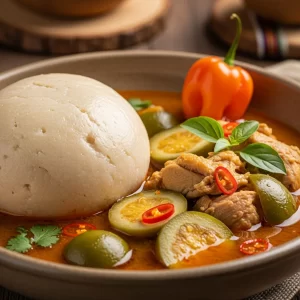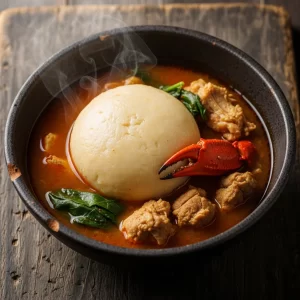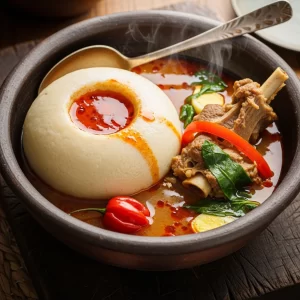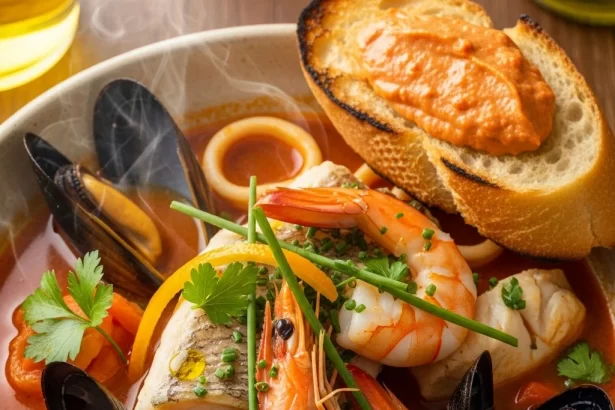

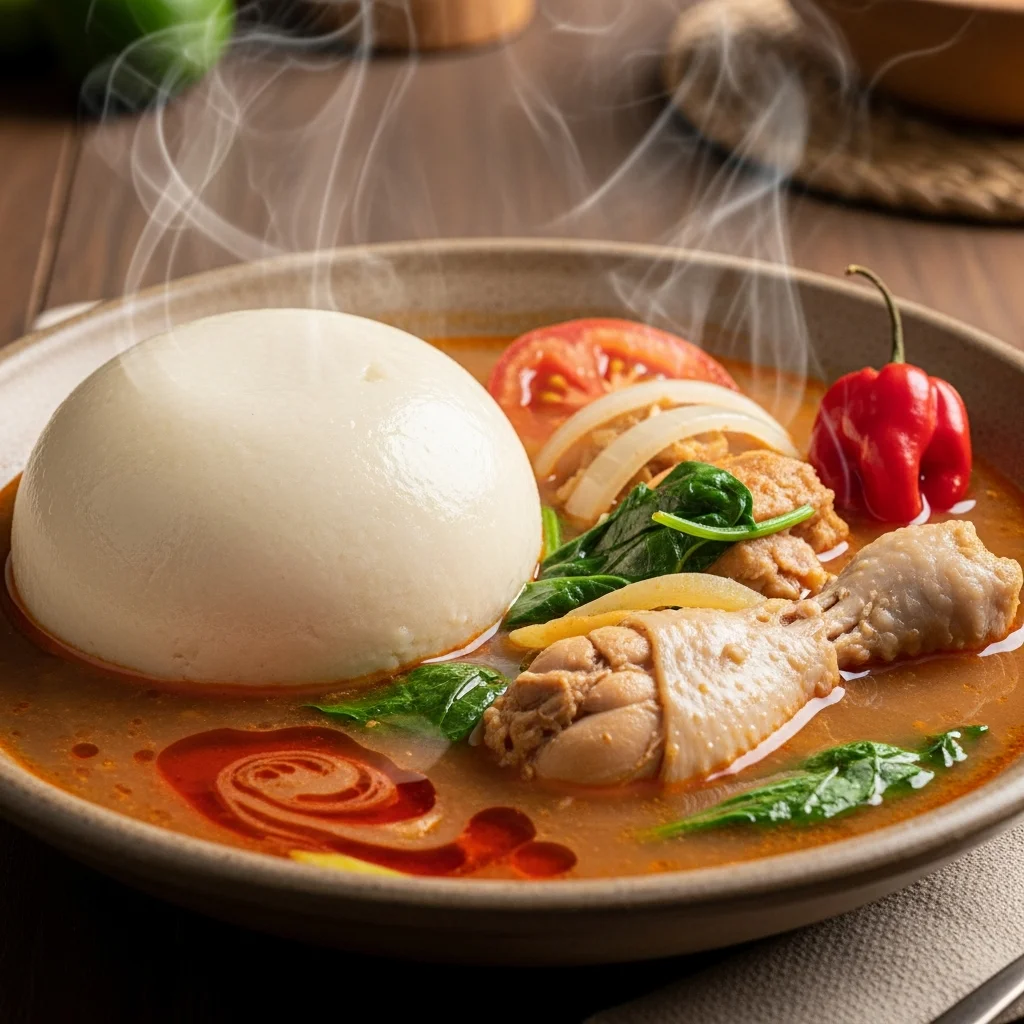
In the vibrant tapestry of West African cuisine, few dishes capture the essence of home and heritage quite like fufu with light soup. This beloved pairing is more than just a meal-it’s a soulful experience that brings families together around the table, weaving stories of tradition, culture, and hearty flavors into every bite. From the soft, pillowy texture of fufu to the aromatic, spicy embrace of light soup, this classic dish invites food lovers on a journey through the rich culinary landscapes of Ghana and its neighbors. Join us as we unravel the flavorful secrets behind fufu with light soup, exploring its origins, readiness, and the cultural significance that makes it a timeless West African treasure.
Fufu with Light Soup is more than a meal; it’s a beloved West African heritage on a plate, celebrated for its unique melding of textures and flavors that transcend borders. This dish carries stories from Ghana’s bustling markets to cozy family dinners, uniting communities through shared tradition. The satisfying stretch of fufu, paired perfectly with the rich, spicy light soup, creates an irresistible harmony that invites you to dive right in. The roots of this classic run deep, reflecting centuries of culinary evolution that honor local ingredients and communal dining.
Prep and Cook Time
- Preparation: 30 minutes
- Cooking: 1 hour
- Total time: 1 hour 30 minutes
yield
- Serves 6 people
Difficulty Level
- Medium
Ingredients
- For the Fufu:
- 2 cups dried cassava (soaked overnight and drained)
- 1½ cups dried plantains (peeled, sliced, soaked overnight)
- 2½ cups water (adjust as needed)
- For the Light Soup:
- 1 lb goat meat or beef (cut into chunks)
- 2 large tomatoes (blended)
- 1 large onion (sliced)
- 2 Scotch bonnet peppers (whole or chopped, adjust to taste)
- 3 cloves garlic (minced)
- 1 inch fresh ginger (minced)
- 2 tsp tomato paste
- 1 tbsp palm oil or vegetable oil
- 2 tsp smoked paprika
- 3 cups water or beef broth
- Salt to taste
- Fresh basil or scent leaves (optional, for garnish)
Instructions
- Prepare the fufu: Place the soaked cassava and dried plantain in a large pot with 2 cups of water. Cook over medium heat, stirring frequently to avoid lumps. When the mixture becomes soft and stretchy, transfer into a mortar or a large bowl.
- Mash the fufu: Using a wooden pestle or sturdy spoon, pound or vigorously stir the mixture until smooth and elastic.Add more hot water little by little if it feels dry. Set aside covered.
- Cook the meat: In a large pot, boil the goat meat with half the onion and a pinch of salt until tender (about 45 minutes to 1 hour). Skim off foam to keep the broth clear.
- prepare the light soup base: In a separate pan, heat the palm oil over medium heat. Sauté garlic, ginger, and the remaining onions until fragrant and lightly golden (about 5 minutes).
- Add blended tomatoes, tomato paste, and Scotch bonnet peppers: Stir and simmer until the mixture thickens and the oil begins to separate (about 15 minutes). This signals a rich tomato base.
- Combine meat and tomato base: Transfer the tender meat and its broth into the tomato sauce. Add water or broth to achieve a soupy consistency.
- Season and simmer: Stir in smoked paprika and salt. Reduce heat and gently simmer for 20 minutes, allowing flavors to meld. Adjust seasoning if needed.
- Final touches: Sprinkle fresh basil or scent leaves just before serving for a burst of herbal aroma.
- Serve: Place hot fufu on a large platter or bowl, with steaming light soup in a separate bowl alongside-ready for dipping and savoring as is conventional.
Tips for Success
- To achieve the signature stretchy texture of fufu, patience in pounding or stirring is essential-don’t rush the process.
- If dried cassava or plantains are unavailable, pre-made fufu flour is a convenient option; follow package instructions for a quick option.
- Adjust Scotch bonnet peppers carefully-these give the soup its characteristic heat, but you can modify based on your spice tolerance.
- Use fresh meat broth instead of water for richer soup depth.
- Make light soup a day ahead to intensify the flavors; reheat gently.
- For a vegetarian twist, substitute meat with mushrooms or smoked tofu while keeping the robust spice blend intact.
Serving Suggestions to Elevate Your West African Feast
Present the dish family-style on a wooden platter with fufu molded into smooth, round mounds, inviting diners to pinch portions easily with their fingers. Garnish the light soup with vibrant green scent leaves and a thin slice of fresh tomato on the side for a contrasting pop of color. Complement the meal with chilled palm wine or freshly brewed hibiscus tea (known locally as Sobolo) for an authentic experience. Pairing this vibrant dish alongside a simple kale or spinach sautéed salad adds refreshing texture balance, enhancing each bite’s satisfaction.
| Nutrition (Per Serving) | Calories | protein | carbs | Fat |
|---|---|---|---|---|
| Fufu with Light Soup | 450 kcal | 28 g | 55 g | 10 g |
Explore more West African stew recipes to expand your culinary journey. For in-depth cultural history and cooking tips, visit Britannica’s fufu entry for authoritative insight.
Q&A
Q&A: Fufu with Light Soup – A Flavorful West African Classic Explained
Q1: What exactly is fufu?
A1: Fufu is a staple West African dish made by pounding starchy vegetables-commonly cassava, yams, or plantains-into a smooth, elastic dough-like consistency. It’s the perfect neutral base that eagerly soaks up the rich, savory flavors of accompanying soups and stews. Think of it as the tasty, doughy canvas for West Africa’s vibrant culinary art.
Q2: How is light soup different from other West African soups?
A2: True to its name, light soup is characterized by a thinner, broth-like consistency compared to heavier, creamier stews. It features a bright, tangy, and spicy broth made from tomatoes, peppers, onions, and a harmonious blend of local spices. This soup is designed to complement rather than overpower fufu, creating a beautifully balanced taste experience.
Q3: Where does this dish originate from?
A3: Fufu with light soup is a beloved classic primarily from Ghana but also enjoys popularity across neighboring West African countries like Nigeria, Togo, and Ivory Coast. Each region adds its own subtle twists, but the soulful combination of soft fufu paired with a flavorful light soup unites them all.
Q4: How is traditional light soup prepared?
A4: The magic of light soup lies in slow-cooking fresh tomatoes, hot peppers, onions, garlic, ginger, and local spices to create a richly aromatic broth. Protein like fish, goat meat, or chicken is simmered until tender in the soup, infusing it with even more depth and heartiness. The end result is a vibrant, spicy, and tangy broth that’s the perfect dance partner for fufu.
Q5: What’s the best way to eat fufu with light soup?
A5: Traditionally, fufu is served in sizable balls and eaten by hand. Diners pinch off a small portion,roll it into a bite-sized piece,then dip it into the soup before savoring. The stretchy texture of fufu contrasts beautifully with the light soup’s flavorful splash-each bite a gratifying mix of smooth, spicy, and tangy.
Q6: Can I make fufu and light soup at home?
A6: Absolutely! While pounding fufu traditionally involves a mortar and pestle, you can replicate the texture by boiling starchy vegetables and mashing or using specialized fufu flour mixed with hot water. Light soup is quite accessible, marrying simple pantry staples with fresh ingredients. The key is patience and layering flavors with fresh tomatoes, peppers, and well-seasoned meat.
Q7: Why is fufu with light soup such an important cultural dish?
A7: Beyond its delicious taste, fufu with light soup symbolizes community, hospitality, and heritage. Sharing the dish at gatherings fosters togetherness-everyone eating from the same bowl, connecting through food. It’s a living tradition that carries stories, history, and the simple joy of hearty, handcrafted meals from one generation to the next.
Q8: What are some modern twists on this classic?
A8: Contemporary cooks are experimenting with fufu using alternative ingredients like plantain-flour blends or even gluten-free options to suit dietary needs. Light soup recipes are also evolving, incorporating exotic spices or using seafood variants. Yet, the heart remains the same: a soulful, comforting feast that honors its roots while embracing new flavors.
Q9: Where can I try authentic fufu with light soup?
A9: Many West African restaurants around the world proudly feature this dish.For the full immersive experience, seek out places run by chefs passionate about preserving traditional cooking methods. If you’re traveling to Ghana or neighboring countries, local markets and homeside eateries offer the most genuine, mouthwatering versions.
Q10: What makes fufu with light soup a timeless classic?
A10: It’s a celebration of simplicity meeting flavor-plain, humble fufu masterfully paired with a fragrant, spicy broth. The textural interplay and rich cultural significance elevate it from just a meal to an unforgettable experience. Fufu with light soup isn’t just food; it’s an edible story of West Africa’s heart and soul.
Insights and Conclusions
in the vibrant tapestry of West African cuisine, fufu with light soup stands out as a dish that is both comforting and deeply rooted in tradition.Its harmonious blend of airy, stretchy fufu paired with a richly spiced, aromatic soup tells a story of culture, community, and culinary artistry. Whether enjoyed in a bustling market or at a family gathering, this classic offers more than just a meal-it delivers a soulful experience that invites you to savor the flavors and stories of the region. Embracing fufu with light soup is not merely about tasting food; it’s about connecting with a heritage that celebrates warmth, resilience, and togetherness in every spoonful. So next time you sit down to enjoy this delightful combination, remember you’re partaking in a flavorful journey that has nourished generations and continues to inspire palates around the world.