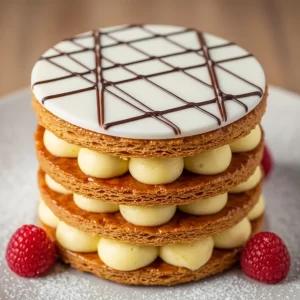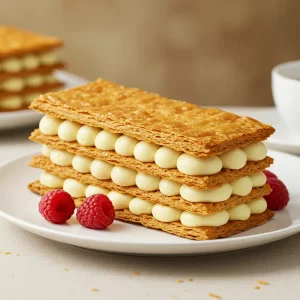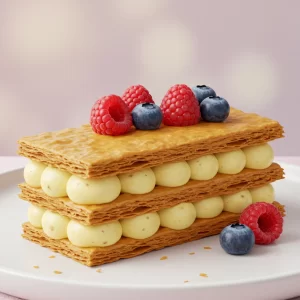

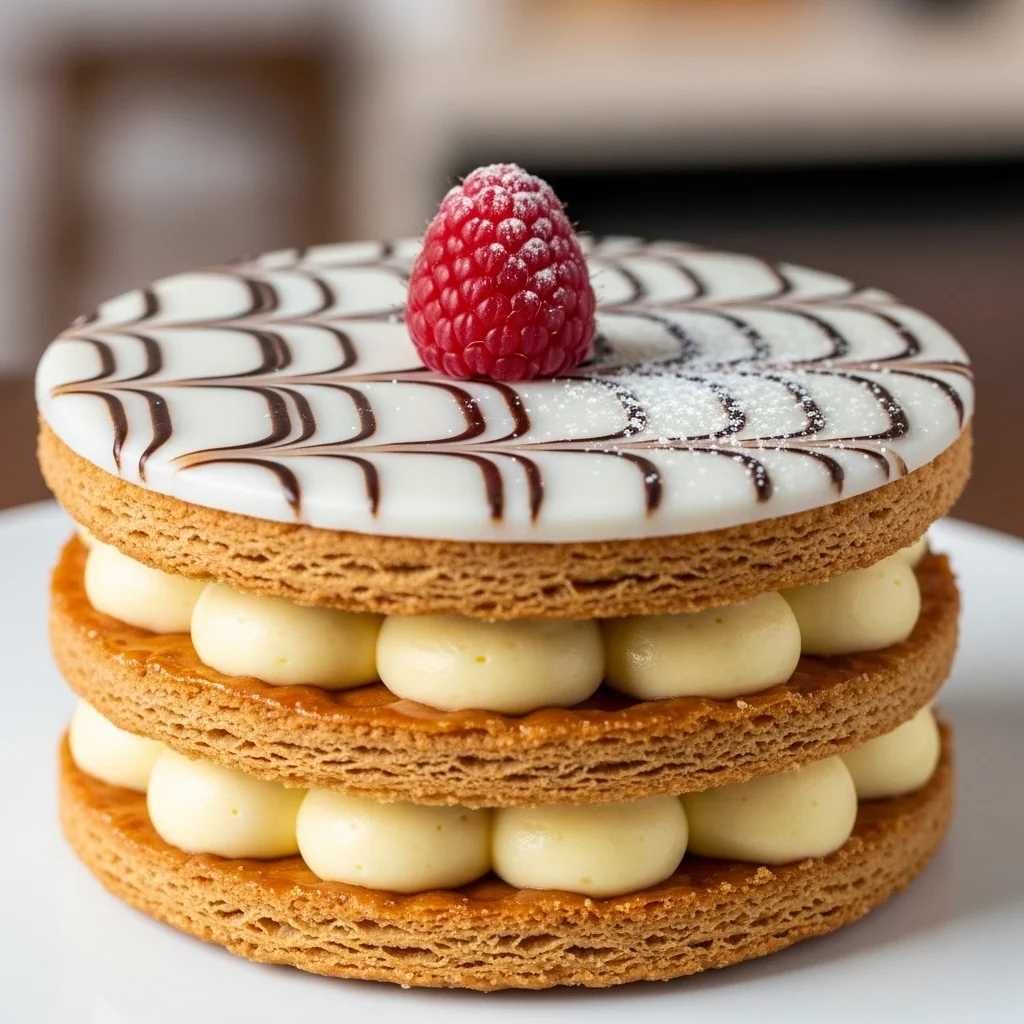
Beneath the delicate dance of flaky, golden layers lies a timeless tale of French culinary artistry-welcome to the world of Mille-Feuille. This enchanting pastry, whose name poetically means “a thousand leaves,” captures the imagination with its intricate construction and harmonious blend of textures. As each crisp, buttery sheet folds seamlessly with velvety cream, the mille-Feuille invites both the curious and the connoisseur to explore a symphony of flavors that has delighted palates for centuries. Join us as we peel back the layers of this classic French masterpiece, uncovering the magic that makes Mille-Feuille a true emblem of pastry perfection.
Mille-Feuille Magic: layers of Classic French Pastry Delight begins with the captivating dance of crispy puff pastry and indulgent pastry cream, a harmony that enchants taste buds and elevates any dessert experiance. This iconic French creation, frequently enough called the “Napoleon,” traces its origins back centuries, celebrated for its elegant layers that promise a perfect crunch with every bite. As a culinary content creator and food stylist, I’ve found that mastering the art of buttery puff pastry and velvety pastry cream not only transforms the dish but also ignites a genuine passion for French patisserie in home kitchens worldwide.
Prep and Cook Time
- Preparation Time: 45 minutes (plus chilling time)
- Cook time: 25 minutes
- Total Time: Approximately 1 hour 15 minutes (excluding chilling)
Yield
Serves 6 elegant portions
Difficulty Level
Medium – perfect for adventurous bakers eager to refine their pastry skills
Ingredients
- For the Puff Pastry:
- 2 ½ cups all-purpose flour, sifted
- 1 teaspoon salt
- 1 cup unsalted butter, cold and cubed
- ⅔ cup ice water
- For the Pastry Cream:
- 2 cups whole milk
- ½ cup granulated sugar
- 5 large egg yolks
- ⅓ cup cornstarch
- 2 tablespoons unsalted butter
- 2 teaspoons pure vanilla extract
- For Garnish and Assembly:
- Powdered sugar, for dusting
- Fresh berries or edible flowers (optional)
- Dark chocolate (for optional drizzle)
Instructions
- Prepare the Puff Pastry: In a large bowl, whisk together flour and salt. Add cold cubed butter and use a pastry cutter or your fingertips to incorporate it until the mixture resembles coarse crumbs with some pea-sized pieces remaining.
- Add Ice Water: Gradually pour in ice water a tablespoon at a time, mixing carefully until the dough just comes together. Avoid overworking to keep the pastry flaky.
- Rest and Fold: Shape the dough into a rectangle, wrap in plastic, and chill for 30 minutes. On a floured surface, roll the dough out into a large rectangle. Fold the dough into thirds (like a letter), rotate 90°, and roll out again. Repeat this fold and roll process 3 times to develop classic puff pastry layers. Chill between folds if dough softens.
- Bake the pastry Layers: Roll the final dough out to about ⅛ inch thick. Cut into three equal rectangles (about 9×3 inches). prick the surface with a fork to prevent puffing. Place between parchment-lined baking sheets with another sheet on top and a weight (e.g., baking tray) to keep the puff pastry flat. Bake at 400°F (200°C) for 15-20 minutes until golden and crisp.Allow to cool fully.
- Make the Pastry Cream: In a saucepan, heat the milk until just boiling, then remove from heat. In a medium bowl, whisk together sugar, egg yolks, and cornstarch until smooth and pale. Slowly pour about ½ cup hot milk into the yolk mixture,whisking continuously to temper the eggs.
- Cook the Cream: Return the tempered egg mixture to the saucepan with remaining milk. Cook over medium heat, whisking constantly, until it thickens and bubbles (about 3-5 minutes). Remove from heat, stir in butter and vanilla. Transfer to a bowl and cover with plastic wrap pressed to the surface. Chill until set, about 2 hours.
- Assemble the Mille-Feuille: Place one puff pastry layer onto your serving platter. Spread a generous layer of chilled pastry cream evenly on top. Repeat with the second pastry layer and cream. Top with the final pastry layer. Dust with powdered sugar. Optionally, drizzle melted dark chocolate in thin lines with a toothpick for that classic marbled glaze effect.
chef’s Notes
- For extra buttery layers, use European-style butter known for higher fat content.
- If time is short, high-quality store-bought puff pastry can be used; bake according to package instructions and proceed with homemade pastry cream for authenticity.
- to prevent soggy layers, always ensure the puff pastry is baked crisp and fully cooled before assembly.
- this dessert can be assembled a few hours ahead and refrigerated-just dust with powdered sugar just before serving to maintain crispness.
- Pastry cream can be infused with flavors like coffee, rosewater, or citrus zest to customize the flavor profile.
Serving Suggestions
Present your Mille-feuille elegantly on rectangular plates, accentuated with fresh berries such as raspberries or sliced strawberries on the side. A few edible flowers add a gourmet touch,making the dessert vibrant and inviting. Pairing this delicate masterpiece with a fine Darjeeling tea or a strong espresso intensifies the flavors and creates an authentic French café experience. Drizzle a little salted caramel on the plate for a modern twist.
| Nutrient | Per Serving |
|---|---|
| Calories | 420 kcal |
| Protein | 6g |
| Carbohydrates | 42g |
| Fat | 25g |
For further inspiration on French patisserie techniques, explore our Classic French Desserts collection and deepen your baking repertoire.
Q&A
Q&A: Mille-Feuille Magic – Layers of Classic French Pastry Delight
Q: What exactly is a mille-feuille?
A: Mille-feuille, often called the “Napoleon” in English-speaking countries, is a classic French pastry composed of delicate layers of crisp, golden puff pastry alternated with luscious pastry cream. The name means “a thousand leaves,” a poetic nod to its flaky, multi-layered texture that practically melts in your mouth.
Q: How did the mille-feuille get its start?
A: The mille-feuille’s origins trace back to 17th-century France, where bakers began experimenting with puff pastry’s magical flakiness. Although its precise inventor is debated, the pastry became a quintessential symbol of French patisserie by the 18th century, celebrated for its elegant complexity and indulgent flavor.
Q: What are the essential components of a conventional mille-feuille?
A: Traditionally, a mille-feuille is made of three layers of crisp puff pastry, generously filled with two layers of smooth, vanilla-flavored pastry cream. The top is usually finished with a glossy,white icing decorated with chocolate feathering or dusted with powdered sugar,adding a visual flourish to its tasty layers.Q: What makes the puff pastry so special in a mille-feuille?
A: Puff pastry,or pâte feuilletée,is the heart of a mille-feuille’s texture. Made by folding butter into dough repeatedly, it creates countless microscopic layers that puff up spectacularly during baking. This process yields the signature crispness and lightness that contrast perfectly with the creamy filling.
Q: Can mille-feuille be customized or reinvented?
A: Absolutely! While the classic mille-feuille sticks to pastry cream and vanilla, modern pastry chefs often experiment with fruit fillings, flavored creams like coffee or chocolate, and even savory versions. Some layer it with fresh berries, caramel, or exotic spices, turning this French classic into a versatile canvas for creativity.
Q: How do you best enjoy a mille-feuille?
A: Freshness is key. Mille-feuille is best eaten the day it’s made to enjoy the contrast between the crisp pastry and smooth cream. It pairs beautifully with a cup of rich coffee or a delicate glass of dessert wine,inviting you to savor each flaky,creamy bite slowly.Q: Can I try making mille-feuille at home?
A: You can! While making puff pastry from scratch is a labour of love requiring patience and technique, many bakers start with store-bought puff pastry to master the assembly and filling. with a bit of practice and care in layering, you can recreate this iconic French treat in your own kitchen.
Q: Why does the mille-feuille remain a beloved pastry worldwide?
A: Beyond its delightful taste and texture, the mille-feuille enchants with its elegant appearance and the masterful balance of lightness and richness. It’s a timeless testament to French culinary artistry-simply put, it’s a slice of edible magic that transcends borders and generations.
Insights and Conclusions
As the final crumbs settle and the last flaky layer melts away on your tongue, the allure of the mille-feuille reveals itself not just in its delicate architecture, but in the centuries of craftsmanship and culture folded within each bite.This iconic French pastry is more than a dessert-it is indeed a celebration of precision, patience, and pastry artistry that continues to inspire bakers and delight dessert lovers around the world. So whether you’re savoring a slice in a Parisian café or crafting your own mille-feuille masterpiece at home, remember that each layer carries a story, inviting you to experience the timeless magic of French patisserie in every luscious mouthful.