
in the heart of Mediterranean cuisine lies a humble treasure often overlooked yet bursting with flavor and history: fasolia. These tender, sun-kissed beans are more than just a staple ingredient, they are a portal to a vibrant culinary tradition that spans sun-drenched coasts and ancient villages. “Fasolia Unveiled: Exploring the Magic of Mediterranean Beans” invites you on a savory journey to discover how this simple legume transforms humble meals into soulful feasts, weaving together health, heritage, and the unmistakable spirit of the Mediterranean table. Join us as we delve into the origins, varieties, and irresistible recipes that celebrate fasolia’s enduring magic.
Origins and Traditions Behind Fasolia in Mediterranean Cuisine
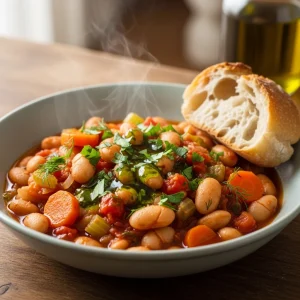
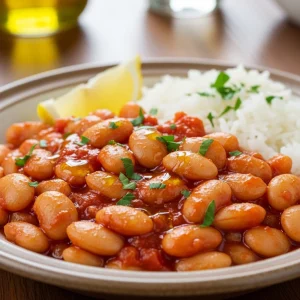
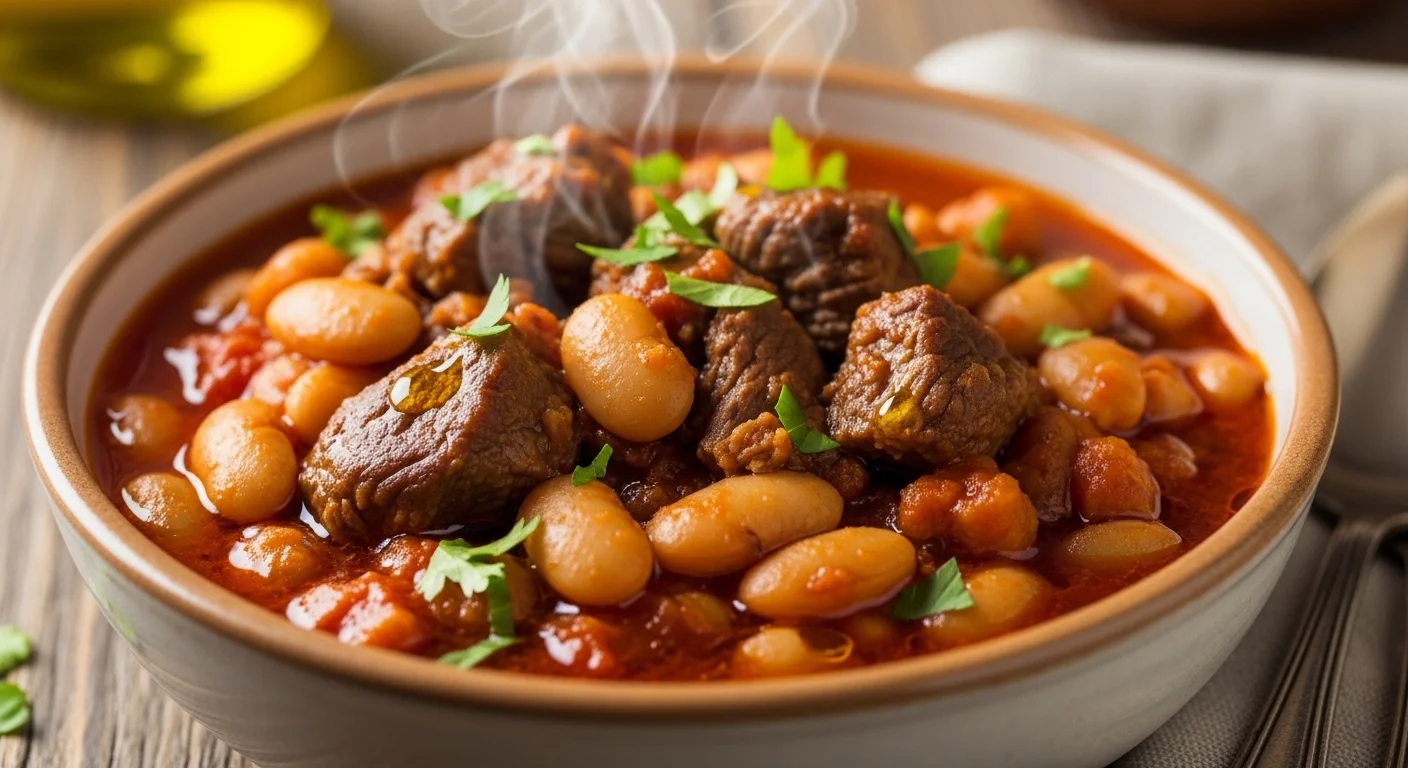
Fasolia Unveiled takes us on a flavorful journey deep into Mediterranean kitchens, where fasolia, commonly known as white beans, have woven themselves into the very fabric of culinary tradition. These humble legumes are cherished across Greece, Turkey, Lebanon, and beyond for their comforting texture and ability to absorb rich, herbaceous flavors. Historically, fasolia dishes were nourishments of the land, emblematic of rural life and seasonal harvests, often simmered slowly in terracotta pots over open flames. In many Mediterranean homes, sharing a bowl of fasolia symbolizes hospitality and warmth, passed down through generations with subtle regional twists-from tomato and onion stews to infused olive oil and fresh dill enhancements.
My earliest memory of fasolia is from a sun-drenched terrace in Santorini, where the simple bean stew, brimming with fresh garden herbs and vibrant olive oil, brought an unexpected depth of flavor and nourishment. This dish has since become a staple in my kitchen-valued not only for its heartiness but also for connecting people around the table through tradition and taste.
Prep and Cook Time
- Preparation: 15 minutes (plus 8 hours soaking)
- Cooking: 1 hour 20 minutes
Yield
Serves 4 hearty portions
Difficulty Level
Easy to Medium – perfect for weeknight dinners or weekend gatherings
ingredients
- 2 cups dried fasolia (white beans), soaked overnight and drained
- 3 tablespoons extra virgin olive oil
- 1 large onion, finely chopped
- 3 garlic cloves, minced
- 2 large ripe tomatoes, peeled and chopped (or 1 cup canned crushed tomatoes)
- 1 teaspoon tomato paste
- 4 cups vegetable broth or water
- 1 bay leaf
- 1 teaspoon dried oregano
- Salt and freshly ground black pepper, to taste
- Fresh dill or parsley, chopped for garnish
- Juice of 1 lemon (optional, for brightness)
Step-by-Step Guide to Cooking Perfect Mediterranean Fasolia
- Prepare the beans: After soaking your fasolia overnight, drain well and rinse under cold water to remove any impurities.
- Sauté aromatics: In a large pot, heat the olive oil over medium heat. add the chopped onion and sauté until translucent and soft, about 5 minutes. Add the minced garlic and cook for another 1 minute until fragrant.
- Add tomatoes: Stir in the chopped tomatoes and tomato paste. Cook for 7-10 minutes until the mixture thickens and the base becomes richly aromatic.
- Combine beans and broth: Add the soaked fasolia beans, vegetable broth, bay leaf, and dried oregano. Bring to a boil, then reduce heat to low and simmer gently, uncovered, for about 1 hour, or until the beans are tender but not mushy. stir occasionally to prevent sticking and add water if necessary.
- Season and finish: Once the beans are perfectly cooked, remove the bay leaf. Season with salt, black pepper, and optional lemon juice to balance the flavors.
- Garnish and serve: Spoon the fasolia into warm serving bowls and sprinkle generously with freshly chopped dill or parsley. Drizzle with a splash of good quality olive oil before serving.
Chef’s Notes & Tips for Success
- Soaking time matters: To reduce cooking time and improve digestibility, always soak dried fasolia for at least 8 hours or overnight.
- Texture control: Keep an eye on the beans during simmering – you want them tender yet intact to showcase their creamy texture.
- Herb variations: Try substituting oregano with fresh thyme or rosemary for a unique aromatic twist.
- Make-ahead magic: Fasolia taste even better the next day after the flavors meld. Store leftovers in the fridge for up to 3 days or freeze portions for up to 3 months.
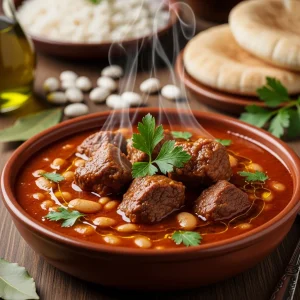
- Protein boost: Add cooked lamb or chicken for a heartier version, or stir in crumbled feta at serving time for a tangy contrast.
Creative Recipes to Savor the Versatility of Fasolia
Fasolia is incredibly versatile, shining in everything from rustic stews to fresh salads. For a Mediterranean-inspired salad, toss boiled fasolia beans with diced cucumber, cherry tomatoes, kalamata olives, and red onion, then drizzle with lemon vinaigrette and a sprinkle of crumbled feta. Or try them in a rich bean purée with tahini and garlic, served as a vibrant dip or spread on toasted pita bread.
For those who love warm, comforting bowls, infuse fasolia with smoked paprika and add sautéed greens like spinach or kale right before serving. With its mild flavor, fasolia also pairs beautifully with bold spices and international ingredients, making it a global pantry hero.
Serving Suggestions
- Serve as a warm main dish with rustic bread or crusty pita to soak up the juices.
- Top with a drizzle of extra virgin olive oil and fresh herbs to enhance freshness and visual appeal.
- Pair alongside grilled vegetables or a crisp Mediterranean salad for a balanced meal.
| Nutrient | Amount per Serving |
|---|---|
| Calories | 220 kcal |
| protein | 14 g |
| Carbohydrates | 35 g |
| Fat | 5 g |
For further exploration of Mediterranean legumes, check out our comprehensive legumes guide. To deepen your understanding of legumes’ nutritional benefits, visit the Nutrition.org legumes resource.
Q&A
Q&A: Fasolia Unveiled – Exploring the Magic of Mediterranean Beans
Q1: What exactly is Fasolia, and why does it hold a special place in Mediterranean cuisine?
A1: Fasolia isn’t just any bean dish-it’s a vibrant party of Mediterranean culture on a plate. At its heart, Fasolia refers to white beans simmered slowly with tomatoes, olive oil, garlic, and fragrant herbs like oregano and bay leaves. This humble combination transforms into a hearty, soulful meal that has nourished coastal communities for centuries, embodying the region’s sun-kissed flavors and timeless simplicity.
Q2: How do Fasolia’s ingredients reflect the essence of the Mediterranean diet?
A2: Fasolia is a culinary poem to the Mediterranean way of life, fresh, wholesome, and colorful. The beans provide plant-based protein and fiber, while olive oil contributes healthy fats. Tomatoes bring vibrant acidity and antioxidants, and the region’s herbs infuse earthy depth. This combination not only tastes divine but aligns beautifully with the Mediterranean diet’s focus on nutrient-rich, minimally processed food that supports longevity and vitality.
Q3: What are some traditional variations of Fasolia across the Mediterranean?
A3: While the core elements remain constant, each Mediterranean culture adds its own twist. In Greek cuisine, fasolia is often a warm stew with a dash of lemon juice for brightness. Lebanese recipes might include caramelized onions and a hint of allspice. Turkish versions sometimes incorporate ground meat or a sprinkle of sumac to deepen the flavor. These variations highlight the bean’s versatility as a canvas for regional tastes and stories.
Q4: Can Fasolia be enjoyed beyond the Mediterranean? How adaptable is the dish for modern kitchens?
A4: Absolutely! Fasolia’s magic lies in its simplicity and adaptability. Home cooks worldwide can recreate its essence with whatever local beans and fresh herbs they have on hand. It’s an ideal plant-based meal that can be a main course or a side dish, perfect for batch cooking or cozy dinners. Plus, Fasolia lends itself beautifully to contemporary twists-think roasted vegetables, a splash of balsamic, or a sprinkle of feta-making it a treasure trove of culinary creativity.
Q5: What cultural meaning does Fasolia hold beyond being a dish?
A5: More than a meal, Fasolia is a symbol of community and tradition. Passed down through generations, it represents the values of sharing, sustainability, and comfort. Gathering around a pot of Fasolia means embracing the Mediterranean spirit-where food connects people, tells stories, and honors the rhythms of nature’s bounty.
Q6: Where should a culinary adventurer start when making Fasolia for the first time?
A6: Start simple. Choose quality dried white beans and soak them overnight to unlock creamy tenderness. Let the beans simmer gently with fragrant aromatics like garlic, onion, and fresh herbs, and don’t rush the tomatoes, they’re the soul of the sauce. Taste as you go, and remember: the magic happens in the simmering and the patience. Serve it with crusty bread or alongside grilled veggies to savor the Mediterranean sun in every bite.
With Fasolia, every spoonful is a journey-one that invites you to explore the rich, sunlit tapestry of Mediterranean life, one bean at a time.
Insights and Conclusions
As we close the chapter on our journey through the vibrant world of Fasolia, it becomes clear that these humble Mediterranean beans are far more than just a pantry staple. They are little vessels of history, culture, and nutrition, each bite a connection to sun-drenched fields, ancestral traditions, and the timeless flavors that continue to inspire kitchens around the globe. Whether nestled in a hearty stew or simply drizzled with olive oil and herbs, Fasolia invites us to savor not just food, but a story woven into the fabric of Mediterranean life. So next time you encounter these magical beans, remember: you’re tasting a legacy that nourishes body and soul alike.