
Nestled in the heart of the Horn of Africa, Eritrea boasts a culinary gem that ignites the senses and tells a story as rich and vibrant as its culture: Zigni. This fiery stew, simmering with a mélange of fragrant spices and tender meat, is more than just a dish, it’s a flavorful journey steeped in tradition and communal heritage. In this article, we embark on an exploration of Eritrean Zigni, uncovering the origins of its bold flavors, the intricate balance of ingredients, and the role it plays in uniting families around the dinner table. Prepare to dive into a world where heat meets history, and every bite unfolds a tale of passion, resilience, and the timeless art of Eritrean cooking.
Eritrean Zigni captures the heart and soul of Eritrea’s culinary heritage, offering a fiery journey into customary flavors that is both bold and comforting. This beloved stew, simmered slowly with layers of spices and tender meat, is more than a meal-it’s an experience deeply rooted in community, culture, and party. From bustling kitchen tables in Asmara to cozy family gatherings worldwide, Eritrean Zigni dazzles with its rich, smoky depth balanced by the unmistakable heat of berbere spice.
Prep and Cook Time
- Preparation Time: 20 minutes
- Cooking Time: 2 hours
- Total Time: 2 hours 20 minutes
Yield
- Serves 6 hearty portions
Difficulty Level
- Medium – Ideal for cooks ready to embrace layering spices and slow simmering
Key Ingredients That Ignite the Authentic Eritrean Flavor
- 2 lbs beef chuck, cut into 1-inch cubes (substitute with lamb or chicken if desired)
- 3 tablespoons berbere spice blend (essential for authentic depth and heat)
- 2 large onions, finely chopped
- 4 cloves garlic, minced
- 1 tablespoon tomato paste
- 3 medium ripe tomatoes, pureed
- 1/4 cup vegetable oil (or niter kibbeh for traditional aroma)
- 1 teaspoon smoked paprika (for a subtle smoky undertone)
- Salt and freshly ground black pepper to taste
- 2 cups beef broth or water
- 1 teaspoon fenugreek seeds (optional but recommended for authenticity)
Step by Step Guide to Crafting the Perfect Zigni at Home
- Warm your skillet: Heat the vegetable oil in a heavy-bottomed pot over medium heat. Add the chopped onions and sauté until they turn deep golden and caramelized-approximately 15 minutes. Stir often to avoid burning, as this step builds the stew’s base flavor.
- Infuse with garlic and spices: Add the minced garlic, berbere spice, smoked paprika, and fenugreek seeds. Cook for 2-3 minutes, stirring to release the spices’ fragrant oils, this is where the authentic Eritrean flavor deepens.
- Tomato brilliance: Mix in the tomato paste and pureed tomatoes, cooking until the mixture thickens and the oil begins to separate from the sauce, about 10 minutes.
- Brown the beef: In a separate pan, sear beef cubes in a bit of oil until browned on all sides. This locks in juices and intensifies flavor. Then, transfer the browned beef into the pot with your onion-tomato mixture.
- Simmer to perfection: Pour in beef broth to cover the ingredients. Bring to a boil, reduce heat to a gentle simmer, cover, and cook for about 2 hours. Stir occasionally, ensuring the meat becomes fork-tender and the sauce thickens into a lush, spicy gravy. Adjust seasoning with salt and pepper.
- Final flourish: If the stew appears too thick, add a splash of water or broth. For an extra layer, a teaspoon of niter kibbeh (Eritrean spiced clarified butter) stirred in just before serving will elevate aromas and richness.
Chef’s Notes and Tips for Success
- Berbere blend: The depth of your zigni hinges on the quality and freshness of your berbere. Homemade is best, but a trusted store-bought blend works wonderfully.
- Slow and steady: Resist rushing the caramelization and simmering phases. They create the stew’s signature complexity and velvety texture.
- Make ahead: Zigni tastes even better the next day, as flavors meld. It stores well in the fridge for up to 3 days or freezes beautifully.
- Niter kibbeh substitute: No access? Use ghee or unsalted butter. Infuse with garlic and ginger for added authenticity.
- Protein adaptability: While beef is traditional, chicken thighs or lamb shoulder work equally well.
pairing Suggestions to Complement the Fiery Essence of Zigni
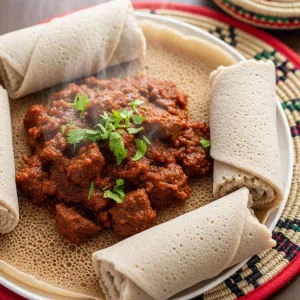
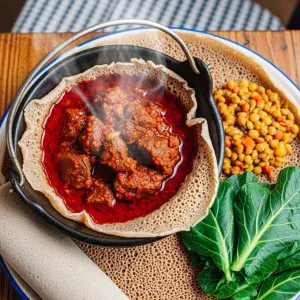
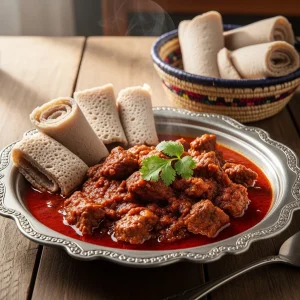
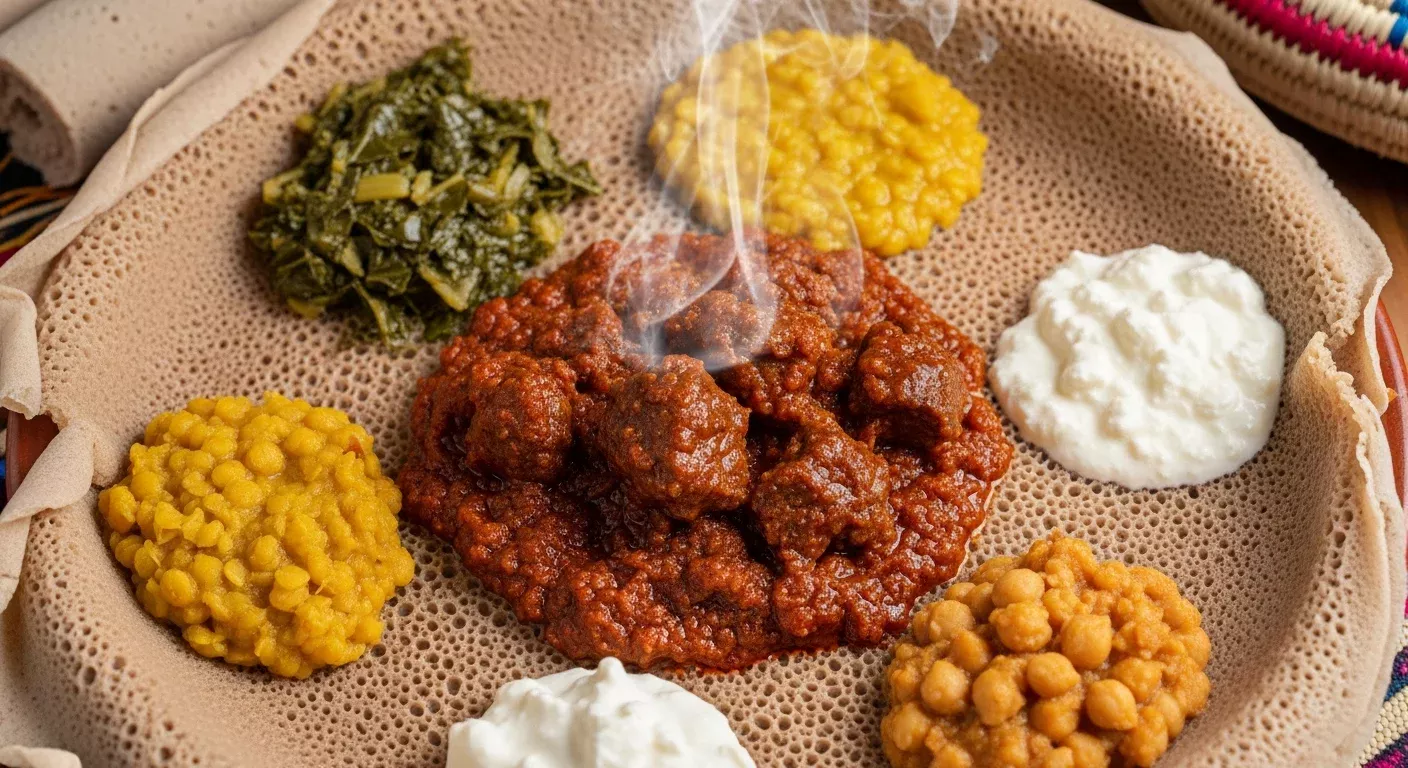
For an authentic experience, serve zigni with injera, Eritrea’s sourdough flatbread made from teff flour. Its spongy texture is perfect for scooping up the vibrant stew.Alternatively, fluffy white rice or crusty bread can absorb the richly spiced sauce.
Balance the heat with refreshing sides: a crisp cucumber and tomato salad dressed lightly with lemon juice and olive oil offers a cooling contrast. For drinks, traditional Eritrean Talla beer complements the spices beautifully, or a chilled glass of yogurt-based ayib (local cheese) side helps temper the fiery kick.
| Nutritional Details (per serving) | Amount |
|---|---|
| Calories | 350 kcal |
| Protein | 32 g |
| Carbohydrates | 12 g |
| Fat | 18 g |

Q&A
Q&A: Eritrean Zigni – A Fiery Journey into Traditional Flavors
Q1: What exactly is Zigni?
A1: Zigni is a beloved Eritrean stew that’s as vibrant in flavor as it is in cultural meaning. Picture tender chunks of beef or lamb simmered slowly in a rich, spicy tomato sauce, infused with a blend of indigenous spices that ignite your palate with every bite. It’s much more than a dish-it’s a hearty narrative of Eritrea’s culinary heritage.
Q2: Why is Zigni considered “fiery”?
A2: The heat in Zigni primarily comes from the generous use of berbere, a traditional Eritrean spice mix. Berbere combines chili peppers with garlic, ginger, fenugreek, and other aromatic spices. This fiery blend creates a warmth that’s both comforting and exhilarating, emblematic of Eritrea’s bold flavor palette.
Q3: What ingredients are essential to an authentic Zigni?
A3: At its core, Zigni demands quality meat (usually beef, lamb, or sometimes chicken), freshly ground berbere, onions, garlic, and tomatoes or tomato paste. Slow cooking melds these ingredients into a luscious stew, while injera, a sourdough flatbread, frequently enough accompanies it, serving both as utensil and a flavorful partner.
Q4: How is Zigni traditionally prepared and served?
A4: Preparation is a labor of love. onions are sautéed patiently until golden, then berbere is added to release its fiery aroma. Meat and tomatoes join the party, simmering gently for hours.Traditionally, Zigni is served on injera, allowing diners to scoop up the stew with the bread’s spongy texture, making each mouthful a perfect harmony of spice and softness.
Q5: What cultural significance does Zigni hold in Eritrean society?
A5: Zigni is much more than a meal-it’s a symbol of hospitality, community, and celebration.Served at gatherings, holidays, and family meals, it embodies Eritrea’s warmth and unity. Sharing Zigni is sharing a piece of Eritrean identity, inviting others into a fiery, flavorful tradition.
Q6: Can Zigni be adapted for different dietary preferences?
A6: Absolutely! While traditionally meat-based, zigni’s robust flavors can be translated into vegetarian or vegan versions using lentils, chickpeas, or mushrooms. The magic of berbere still shines, ensuring the dish remains authentic and delightfully fiery, no matter the ingredients.
Q7: Where can someone outside Eritrea experience authentic Zigni?
A7: Eritrean restaurants around the world, especially in cities with vibrant East African communities, offer a window into this culinary gem. For adventurous cooks, manny recipes are available online, inviting anyone to embark on their own fiery journey into Eritrean flavors, right from their home kitchen.
Whether your spice-curious or a culinary explorer, Zigni is a dish that promises an unforgettable voyage into the heart of Eritrea’s rich and fiery heritage. Ready to take the plunge? Your taste buds will thank you!
Concluding Remarks
As the last embers of Eritrean Zigni’s rich, spicy aroma fade from the kitchen, what remains is more than just a memory of a meal, it’s a journey through centuries of tradition, community, and fiery passion. This humble stew, with its robust blend of berbere and tender meat, carries within it the heart of Eritrean culture, inviting every palate to experience a taste that’s as bold and vibrant as the land it hails from. Whether you’re a seasoned foodie or a curious newcomer, Zigni offers a flavorful gateway into a world where every bite tells a story. So next time you seek to ignite your culinary adventures, let Eritrean Zigni be your guide on this unforgettable journey into traditional flavors.