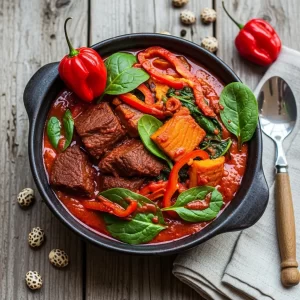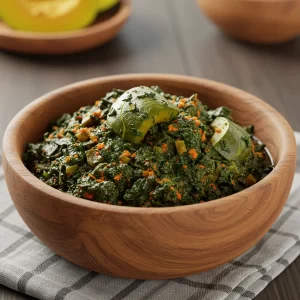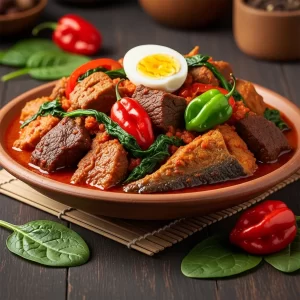

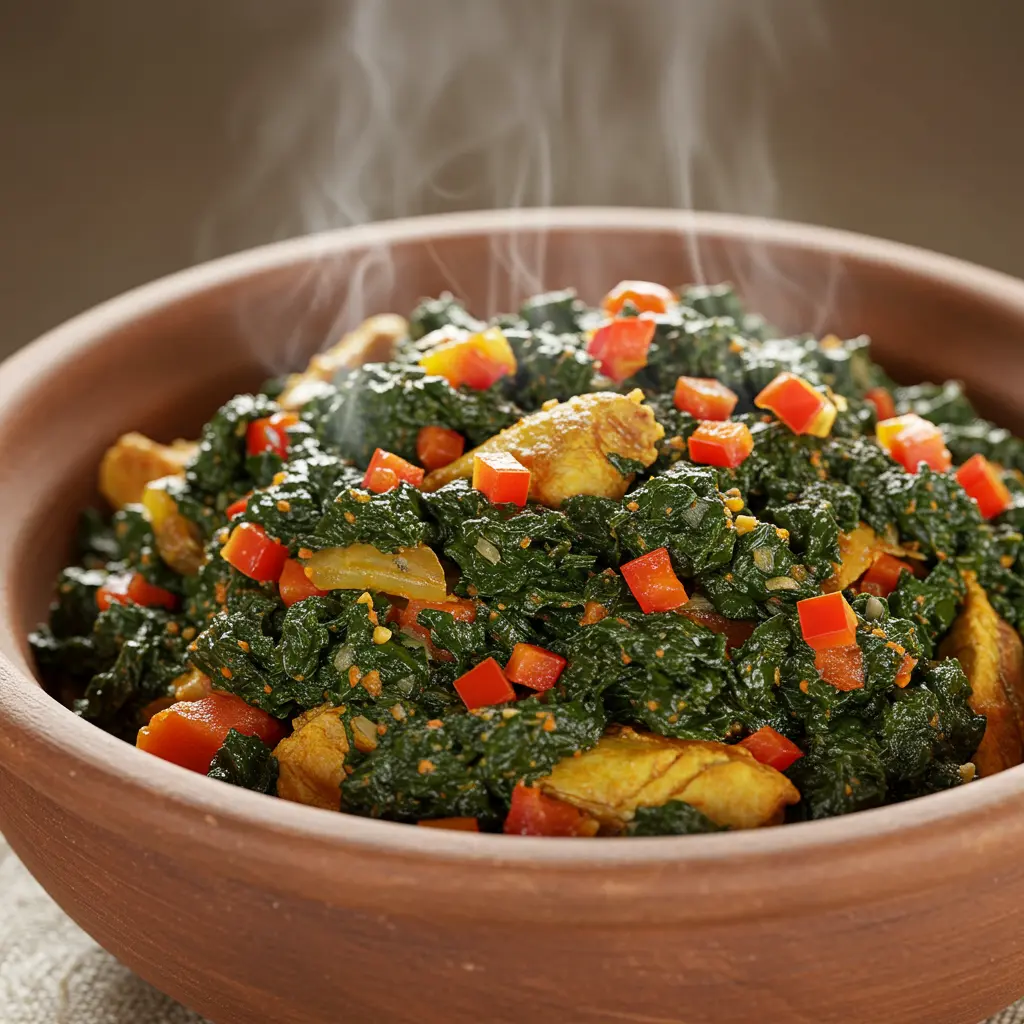
In the vibrant tapestry of African cuisine, few dishes capture the essence of tradition and flavour quite like Efo Riro. This hearty African spinach stew, bursting with a medley of spices, tender meats, and lush leafy greens, offers not just nourishment but a journey into the rich cultural heritage from which it springs. Whether simmering on a bustling Lagos stove or served at a festive family gathering, Efo Riro is more than a meal-it’s a party of history, community, and the bold, vibrant flavors that define West African cooking. join us as we explore the origins, ingredients, and irresistible taste of this beloved stew, unveiling the secrets behind its enduring popularity and the soulful warmth it brings to every table.
Efo Riro: Exploring the Rich Flavors of African Spinach Stew
Efo Riro, a beloved West African dish, carries the warmth of communal dining and generations of culinary tradition in every vibrant spoonful. This African spinach stew is rich, hearty, and fragrant, marrying smoky, spicy, and savory notes that make it a cultural staple in Nigerian cuisine.A symphony of fresh ingredients, bold spices, and leafy greens, this stew tells a story of heritage, celebration, and the nurturing power of food.
Prep and Cook Time
- Prep Time: 20 minutes
- Cook Time: 40 minutes
- Total Time: 1 hour
Yield
Serves 6 comfortably
Difficulty Level
Medium
Origins and Cultural Meaning of Efo Riro in West African Cuisine
Efo Riro is more than just a dish; it’s a cultural tapestry woven from Yoruba culinary ingenuity. Traditionally prepared during communal festivities and family gatherings, this spinach stew embodies the spirit of sharing and abundance. “Efo” meaning “leaf” and “Riro” meaning “stew” directly reflect its main components-leafy greens cooked with a deeply flavored sauce. Over decades, efo Riro has transcended borders, inviting global appreciation while remaining a center-piece at Nigerian tables. It celebrates indigenous ingredients like red palm oil and locally dried fish, presenting a taste that is both ancestral and timeless.
Key Ingredients That Bring Efo Riro to Life
- Fresh African spinach (or substitute with baby spinach or kale): The base green, tender yet resilient.
- Red palm oil: Offers distinct richness and a smoky depth.
- Stockfish and dried crayfish: Impart umami and a subtle oceanic brine.
- Scotch bonnet peppers: Provide a balanced, fiery kick.
- Fresh bell peppers and tomatoes: For sweetness and body.
- onions: The aromatic foundation, finely chopped.
- Smoked or fresh fish, and assorted meats: Optional but traditional protein additions.
- Seasonings: Bouillon cubes, salt, and occasionally locust beans (iru) for authentic depth.
Step by Step Guide to Preparing Authentic Efo Riro
- Prepare the greens: Wash the african spinach thoroughly, chop coarsely, and set aside.If using kale or other spinach, remove tough stems.
- Blend the pepper base: In a blender, combine fresh red bell peppers, Scotch bonnet peppers, tomatoes and onions until smooth but not watery.
- Sauté aromatics: Heat 3 tablespoons of red palm oil in a heavy pan over medium heat. Add finely chopped onions and sauté until translucent.
- Add blended pepper mix: Pour into the pan and cook on medium-low, stirring occasionally, until the raw tomato smell dissipates and the sauce thickens (about 15 minutes).
- Incorporate dried seafood: Add stockfish and dried crayfish, stirring to combine. Allow to simmer so flavors meld.
- Add proteins: Include smoked fish or assorted meats if using, letting them tenderize in the simmering stew.
- Season the stew: Add bouillon cubes and salt to taste. Stir well and allow stew to cook another 10 minutes on low heat.
- fold in the greens: Add chopped spinach in batches, stirring gently to coat with the sauce. Cook just until the greens wilt but retain vibrant color, approximately 5 minutes.
- Final stir and serve: Give everything a gentle mix to marry the ingredients and remove from heat immediately to preserve freshness.
Expert Tips for Pairing Efo Riro with Traditional Side Dishes
To truly experience efo Riro, perfect pairings are essential. it traditionally complements starchy sides that soak up its flavorful sauce:
- Fufu: Made from cassava, yam, or plantain, fufu’s soft, dough-like texture is ideal for dipping.
- Amala: A dark yam flour pudding with an earthy taste that balances the stew’s richness.
- White rice: For a simple and comforting option, fluffy rice provides a mild canvas.
- Pounded yam: Smooth and stretchy, pounded yam offers exquisite mouthfeel with every bite.
for garnish, a sprinkle of chopped fresh herbs or sliced green onions brightens the presentation and adds a fresh note.
Ingredients
- 3 cups African spinach, washed and chopped
- 1 cup red bell peppers, blended
- 2 medium tomatoes, blended
- 1 large onion (half blended with peppers, half chopped)
- 3 tbsp red palm oil
- 1 tsp dried crayfish, ground
- 1 cup stockfish, soaked and shredded
- 2 scotch bonnet peppers (adjust to taste), blended
- 200g smoked fish or assorted cooked meat (optional)
- 2 bouillon cubes
- Salt to taste
- Water as needed
Instructions
- Wash and chop the african spinach; set aside.
- Blend red bell peppers, scotch bonnet peppers, tomato, and half the onion; keep smooth.
- Heat red palm oil in a pan over medium heat; sauté the remaining chopped onions until translucent.
- Add blended pepper mix; cook stirring occasionally until thickened and no longer raw-smelling.
- Add ground dried crayfish and soaked stockfish; stir and simmer for 5 minutes.
- Add smoked fish or cooked meats (optional); simmer gently to blend flavors.
- Season with bouillon cubes and salt; stir well.
- Gently fold in the chopped spinach in batches; cook 3-5 minutes until wilted but bright.
- Remove from heat; serve immediately with traditional sides.
Chef’s Notes
- Substitutions: If african spinach is unavailable,baby spinach or kale works well. Use less kale due to its robust texture.
- Red palm oil: Crucial for authenticity; avoid substituting with vegetable oil to maintain traditional flavor.
- Spice levels: Adjust scotch bonnet peppers to suit your heat tolerance – start mild, add more as needed.
- Make-ahead tips: The stew tastes even better the next day after flavors marry; just reheat gently without burning the oil.
- Adding locust beans (iru): For a deeper umami profile, add 1-2 tablespoons of iru during seasoning.
Serving Suggestions
Serve piping hot with a generous helping of fufu, amala, or pounded yam. Garnish with fresh sliced scallions or a sprinkle of toasted groundnuts for textural contrast. A side of sliced avocado or a crisp fresh salad balances the stew’s richness marvelously.
| Nutrient | Per Serving |
|---|---|
| Calories | 320 kcal |
| Protein | 18 g |
| Carbohydrates | 14 g |
| Fat | 20 g |
For a deeper dive into traditional Nigerian cuisine, check out our guide to Nigerian soups and stews. to explore the nutritional benefits of African leafy greens, visit this WHO healthy diet fact sheet.
Q&A
Q&A: Efo riro – Exploring the Rich Flavors of African Spinach Stew
Q1: What is Efo Riro?
A1: Efo Riro is a vibrant, deeply flavorful Nigerian spinach stew that has captured the hearts and taste buds of many. Made primarily with leafy greens-traditionally African spinach or similar varieties-this stew blends a rich medley of peppers, onions, palm oil, and assorted proteins, creating a comforting dish that’s both hearty and nutritious.
Q2: Where does Efo riro originate from?
A2: Efo Riro hails from the Yoruba people of southwestern Nigeria.It’s a staple in Yoruba cuisine and is celebrated across Nigeria and beyond as a symbol of cultural heritage and culinary ingenuity.Q3: What makes Efo Riro so special compared to other stews?
A3: The magic lies in its layers of flavors and its use of palm oil, which imparts a unique, earthy richness. The interplay of smoky peppers, aromatic onions, and the natural earthiness of the greens creates a stew that’s both bold and comforting. It’s a dish that’s at once rustic and regal.
Q4: What types of greens are used in Efo Riro?
A4: Traditionally, African spinach (known locally as “efo tete”) is preferred, but kale, collard greens, or Swiss chard can be wonderful substitutes.The key is using tender, leafy greens that wilt down to a fragrant, silky consistency.
Q5: Which proteins are commonly added to Efo Riro?
A5: Efo Riro is wonderfully versatile. Common proteins include beef, goat meat, tripe, fish, or shrimp. Many also add dried fish or crayfish for an umami kick. Vegetarian versions substitute with mushrooms,beans,or tofu to maintain the stew’s hearty character.
Q6: How is Efo Riro traditionally served?
A6: It pairs beautifully with Nigerian staples like pounded yam, amala (yam flour paste), fufu, or even rice. The stew’s rich sauce soaks perfectly into these starches, making each bite a comforting embrace of flavor and texture.
Q7: Can Efo Riro be adapted for modern or international kitchens?
A7: Absolutely! While the authentic flavors rely on ingredients like palm oil and local spices, creative cooks around the world adapt Efo Riro with available greens and proteins. Substitutes like olive oil, or milder peppers can make it accessible while still paying homage to the original. It’s a stew that welcomes innovation without losing its soul.Q8: Why is Efo Riro an significant dish culturally?
A8: Beyond its delicious taste, Efo Riro embodies communal gatherings, celebrations, and the indigenous knowledge passed down through generations.It stands as a delicious narrative of Yoruba identity and African culinary resilience-a dish that tells a story with every spoonful.
Q9: What tips would you give for someone cooking Efo Riro for the first time?
A9: embrace the layering of flavors-start by carefully sautéing your onions and peppers in palm oil,allow the stew to simmer slowly,and don’t rush the tenderizing of your proteins. Use fresh, vibrant greens and adjust the pepper levels to your heat tolerance. Most importantly, cook with patience and love-the secret ingredients of every soulful stew.
Q10: Where can one experience authentic Efo Riro?
A10: Authentic Efo Riro is best enjoyed in Nigerian homes or traditional Yoruba eateries. However,with the global spread of African cuisine,many cities now host restaurants or food festivals where this stew is celebrated.For the adventurous, sourcing genuine ingredients and trying your hand at making it at home can be a rewarding culinary journey.
Concluding Remarks
As vibrant as the cultures that birthed it, Efo Riro is more than just a stew-it’s a flavorful journey into the heart of African cuisine. Each spoonful tells a story of tradition, community, and culinary artistry, blending tender greens, aromatic spices, and hearty proteins into a symphony of taste that transcends borders.Whether you’re a seasoned food adventurer or a curious newcomer, embracing Efo Riro offers a delicious gateway to the rich, diverse flavors of Africa. So next time you seek a dish that nourishes both body and soul, let Efo Riro’s savory embrace welcome you to its vibrant table.