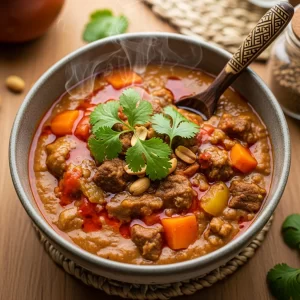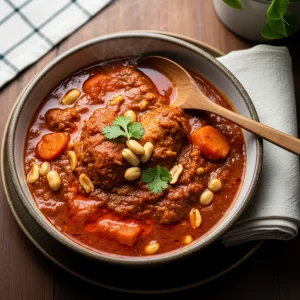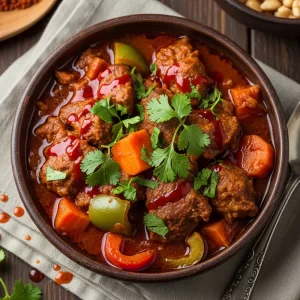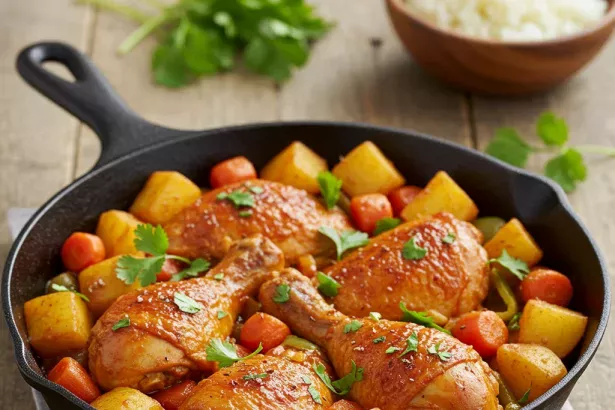

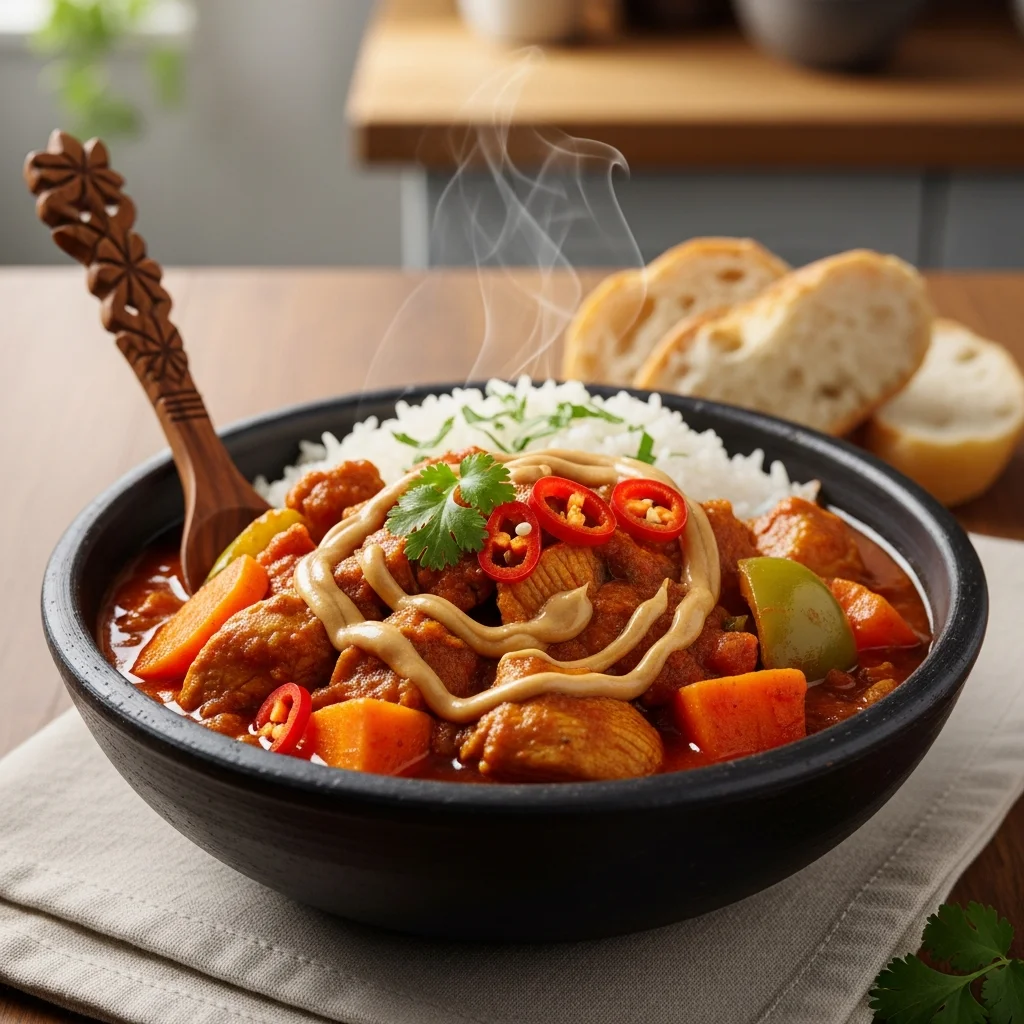
Steeped in rich tradition and bursting with vibrant flavors, Domoda stands as one of West Africa’s most cherished culinary treasures. This hearty peanut-based stew, celebrated across The Gambia and neighboring regions, weaves together simple ingredients into a comforting symphony of taste and history. Join us as we delve into the origins, key components, and cultural importance of domoda – a dish that not only satiates the palate but also offers a savory glimpse into the heart of West African cuisine.
Domoda Delight is much more than a stew-it’s a savory window into the heart of West African culinary tradition. Originating from The Gambia and Senegal, this beloved peanut-based stew showcases a harmonious blend of nutty, tangy, and earthy flavors that reflect the vibrant culture of the region. Growing up, the warm aroma of Domoda simmering in my grandmother’s kitchen instantly meant family gatherings and stories shared over hearty, comforting meals.
Prep and Cook Time
- Readiness Time: 20 minutes
- Cooking Time: 1 hour 15 minutes
Yield
Serves 6 generously
Difficulty Level
Medium - perfect for cooks ready to explore authentic West African flavors without being overwhelmed.
Key Ingredients That Define Domoda Delight
- Ground peanuts or natural peanut butter – for a creamy, nutty base
- Beef or chicken – tender, slow-cooked proteins soak in the rich sauce
- Tomato paste – adds depth and subtle sweetness
- Onions and garlic – foundational aromatics
- Stock or water – to create the stew’s luscious consistency
- sweet potatoes or yams – providing sweetness and heartiness
- Chili peppers – gentle heat to balance the richness
- Bay leaves and fresh parsley – fragrant herbs to finish
Step by Step Guide to Preparing an authentic Domoda stew
- Prepare your ingredients: Dice the onions and garlic finely. Cut the meat into bite-sized chunks. Peel and cube the sweet potatoes or yams.
- sauté aromatics: In a large heavy-bottomed pot, heat 2 tbsp of vegetable oil over medium heat. Add the onions and garlic, sautéing until golden and fragrant, about 5 minutes.
- Brown the meat: Increase heat to medium-high, add the meat pieces and cook until browned on all sides, about 7 minutes.This step locks in flavor.
- Add tomato paste and spices: Stir in 3 tbsp tomato paste, 1 tsp chili flakes (adjust to taste), bay leaves, and season with salt and pepper. Cook for 3 minutes to deepen the flavors.
- Incorporate the peanut base: Slowly mix in 1 cup natural peanut butter or finely ground peanuts. Stir continuously to avoid burning and to combine smoothly.
- Pour in stock: Add 4 cups beef or vegetable stock, stir well to blend all ingredients into a rich sauce.
- simmer: Bring the stew to a gentle boil, then reduce heat to low. Cover and simmer for 45 minutes, stirring occasionally.
- add sweet potatoes: Gently fold in the cubed sweet potatoes and cook uncovered for another 20 minutes until tender and the stew has thickened beautifully.
- Finish with fresh herbs: Just before serving, sprinkle freshly chopped parsley for a burst of color and brightness.
Tips for Success
- For an extra creamy texture, use freshly roasted and ground peanuts if possible.
- Substitute beef with chicken or lamb to customize the flavor profile.
- Control the stew’s heat by adjusting the type and amount of chili peppers used.
- If the stew thickens too much,gently add a splash of warm water or stock to loosen it.
- Domoda tastes even better the next day; consider making it ahead to deepen flavors.
Pairing Suggestions and Serving Tips for an Authentic Experience
Domoda Delight pairs beautifully with steamed rice or fluffy couscous, which soak up the luscious peanut sauce perfectly. for a conventional West african touch, serve with millet fufu or gluten-free fonio grain. Garnish with fresh parsley and a wedge of lime to brighten each spoonful.
Accompanying side dishes such as lightly sautéed greens or spiced roasted plantains complement the rich flavors and add textural contrast. Pour a chilled hibiscus tea or a zesty ginger drink to balance the dish’s earthy and nutty notes, enhancing the overall dining experience.
| Nutrient | Amount per Serving |
|---|---|
| Calories | 420 kcal |
| Protein | 28 g |
| Carbohydrates | 35 g |
| Fat | 18 g |
Discover the soul-warming magic of Domoda Delight by embracing this authentic recipe-every step brings you closer to the rich heritage and bold flavors of west Africa.
For more authentic west African recipes,check out our West african Cuisine Essentials guide.
Learn more about the cultural importance of peanuts in African cuisine at FAO African Nutrition Day.
Q&A
Q&A: Domoda Delight – Exploring West Africa’s Beloved Stew Recipe
Q1: What is Domoda, and why is it considered a West African culinary treasure?
A1: Domoda is a rich, creamy peanut stew hailing from The Gambia, frequently enough regarded as a culinary gem in West African cuisine. It’s beloved for its harmonious blend of savory, nutty, and slightly sweet flavors that tell a story of the region’s agricultural heritage and communal spirit. This stew isn’t just food-it’s a warm embrace from Gambian culture on a plate.
Q2: What are the key ingredients that make Domoda unique?
A2: The star ingredient is peanut butter, which creates the stew’s signature creamy texture and earthy taste. Alongside peanuts, you’ll find tomatoes, onions, garlic, and sometimes sweet potatoes or pumpkin, which add depth and sweetness. Proteins like beef,chicken,or fish often join the mix,simmering slowly until tender and infused with the rich sauce.
Q3: How does Domoda reflect West African flavors and culture?
A3: Domoda encapsulates the heart of West African cooking-using readily available local ingredients and layering flavors through slow cooking and communal sharing. The peanut base nods to the vast peanut farming across the region. More than just nourishment, Domoda often graces family gatherings and celebrations, making it a food of fellowship and tradition.
Q4: Can Domoda be adapted for different dietary preferences?
A4: Absolutely! While traditionally made with meat, Domoda is wonderfully versatile. Vegetarians and vegans can swap in hearty vegetables like eggplant or mushrooms, or add legumes for protein. The key is balancing the flavors with the creamy peanut sauce, ensuring the essence of Domoda remains intact.
Q5: what’s the best way to serve Domoda for an authentic experience?
A5: Domoda pairs beautifully with steamed rice, fufu, or couscous, allowing the rich stew to shine against a simple, starchy backdrop. In Gambian households, it’s often enjoyed family-style-serving as both nourishment and a centerpiece for social connection. don’t forget to garnish with fresh herbs or a squeeze of lime to brighten the flavors!
Q6: Why should food lovers outside West Africa try Domoda?
A6: For adventurous eaters,Domoda offers a delicious gateway into West African flavors-the perfect marriage of creamy peanut richness,hearty ingredients,and comforting warmth. It broadens culinary horizons, celebrates cultural storytelling through food, and invites everyone to experience the magic simmering in one pot.
Q7: Any tips for first-timers making domoda at home?
A7: Start with quality peanut butter-natural and unsweetened-to capture the authentic taste. Be patient with the simmering process; it’s the slow melding of flavors that creates Domoda’s soul. Lastly, don’t shy away from adjusting spices and seasoning to your liking-cooking Domoda is as much about personal expression as it is about tradition.
In Summary
As the rich, tangy aromas of Domoda waft from simmering pots across West Africa, thay carry with them stories of tradition, culture, and communal warmth. This beloved peanut stew is more than just a dish; it’s a flavorful bridge connecting generations and inviting curious palates to experience the heart of Gambian cuisine. Whether you’re a seasoned cook or a culinary adventurer, embracing Domoda’s blend of hearty ingredients and vibrant spices offers a delicious glimpse into west Africa’s diverse food heritage. So next time you seek a meal that comforts and delights, remember Domoda-a dish steeped in history and bursting with flavors that truly warm the soul.