
Nestled within the vibrant tapestry of Caribbean cuisine lies a savory treasure often overshadowed by its more famous cousins-the Dominican arepa. This humble yet flavorful delight carries with it the rich history and spirited culture of the Dominican Republic, inviting food enthusiasts to explore beyond the familiar borders of customary arepas. In this article, we embark on a culinary journey to discover the Dominican arepa, a crispy, golden cake that transforms simple ingredients into an irresistible feast for the senses. Join us as we unravel the origins, ingredients, and cultural importance of this beloved Caribbean treat, and learn why it deserves a coveted spot at your next meal.
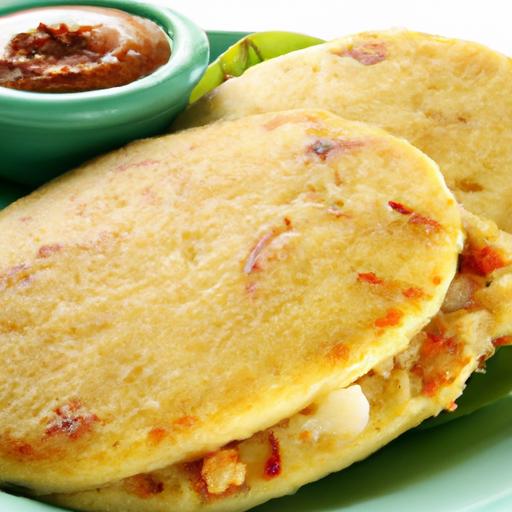
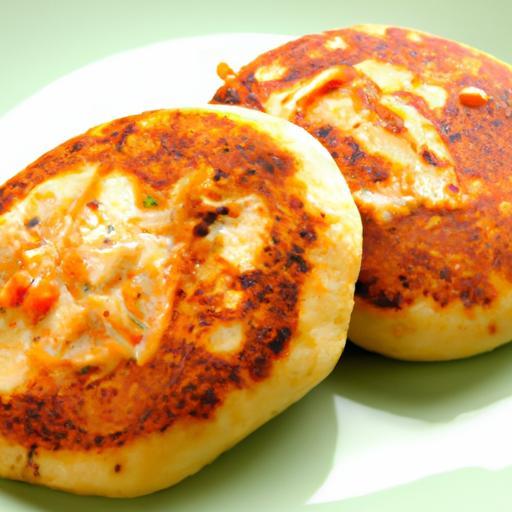
Discovering the Dominican Arepa opens a flavorful gateway into the heart of Caribbean cuisine, where simple ingredients meet centuries of rich tradition. This beloved savory delight is a crispy,golden corn cake that captivates locals and visitors alike with its unique texture and nostalgic aroma. Originating from the Dominican Republic, the arepa embodies a culinary melding of indigenous Taíno roots and Spanish influences, making it both a humble street food and a cherished cultural symbol.
Origins and Cultural Significance of the Dominican Arepa
The Dominican Arepa is more than just a snack; it’s a cultural emblem steeped in history. Traced back to the Taíno people,indigenous inhabitants of the Caribbean,this corn-based dish evolved through colonial times,becoming a local staple across the Dominican Republic’s coastal towns and rural areas.Traditionally eaten as a breakfast item or afternoon delight, the Dominican arepa signifies comfort, community, and heritage. It’s a common sight at markets, fairs, and family gatherings, symbolizing the warmth and resilience of the island’s people.
Key Ingredients That Define its Unique Flavor
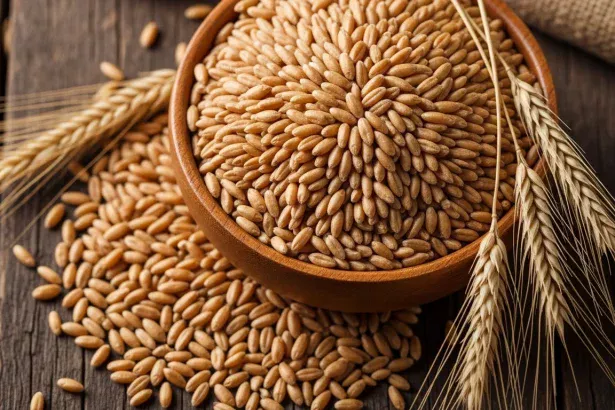
- Pre-cooked cornmeal (masa harina): This is the cornerstone ingredient, giving the arepa its distinct texture and authentic taste.
- Water: Used to hydrate the masa and form the dough, ensuring it is indeed pliable yet firm.
- Salt: Essential for enhancing flavor without overpowering the natural sweetness of corn.
- Oil or butter: For frying to achieve that perfect golden crust and subtle richness.
- Optional additions: Some variations include cheese or a touch of sugar,but the traditional Dominican arepa keeps it simple to preserve its savory profile.
Prep and Cook Time
- Prep time: 10 minutes
- Cook time: 15 minutes
- Total time: 25 minutes
Yield
Makes approximately 6 medium-sized arepas (serves 3-4)
Difficulty Level
Easy – perfect for beginner cooks and those wanting a fast yet authentic Caribbean treat
Step-by-Step Guide to Making an Authentic Dominican Arepa
- In a large bowl, combine 2 cups of pre-cooked cornmeal with 1 teaspoon salt. Slowly add 2 cups of warm water while stirring with your hands or a spoon to avoid lumps.
- Knead the dough gently until smooth and no longer sticky, about 3 minutes. Let it rest for 5 minutes to hydrate fully; this enhances texture.
- Divide the dough into 6 equal portions and roll each into a ball. Flatten each ball with your palms to form discs roughly ½ inch thick.
- Heat ¼ cup of vegetable oil or butter in a non-stick skillet over medium heat. Carefully place the arepas in the pan, ensuring enough space to flip.
- Cook arepas for about 6-7 minutes on one side until golden brown and crisp. Flip carefully using a spatula and cook the other side for another 6-7 minutes.
- Once both sides are golden and the arepa feels firm yet slightly springy, transfer to a paper towel-lined plate. This absorbs excess oil while retaining crispness.
- Serve warm, optionally sliced open and stuffed with avocado, cheese, or your favorite fillings.
Chef’s Notes: Tips for Success
- Hydration is key: Adjust water gradually as masa harina brand thickness varies. The dough should be soft but not sticky.
- Pan temperature: Use medium heat to allow the arepa to cook through without burning the exterior.
- Oil choice: Vegetable oil,sunflower oil,or clarified butter (ghee) work best for a crispy crust.
- Make-ahead: Dough can be refrigerated for up to 24 hours. Bring to room temperature before shaping.
- Variations: For extra flavor, mix grated Dominican white cheese directly into the dough or brush cooked arepas lightly with butter and garlic.
Serving Suggestions
Enjoy the Dominican Arepa fresh and warm, paired beautifully with slices of ripe avocado, a drizzle of sour cream, or a sprinkle of crumbly queso frito. for a heartier meal, stuff your arepa with shredded beef, chicken tinga, or sautéed vegetables. Garnish with fresh cilantro and a dash of hot sauce for an authentic Caribbean experience. these golden cakes also pair wonderfully with tropical fruit salads or a cup of black coffee to evoke the vibrant streets of Santo Domingo.

Top Spots to Savor Dominican Arepas in the Caribbean and Beyond
A true culinary adventurer will find Dominican arepas popping up in both traditional locales and innovative eateries. In the Caribbean, Santo Domingo’s Mercado Modelo and coastal towns like Puerto Plata serve some of the freshest, most authentic arepas. Across the globe, Dominican neighborhoods in New York City’s Washington Heights and Miami’s Little Havana keep the arepa tradition alive.For a curated list of caribbean eats, visit Caribbean Travel Online.
| Nutrient | Per Arepa (Approx.) |
|---|---|
| Calories | 180 kcal |
| Protein | 3 g |
| Carbohydrates | 34 g |
| Fat | 5 g |
For those inspired by the Discovering the Dominican Arepa journey, explore more vibrant Caribbean recipes like Caribbean Style Rice and Peas, perfect for enhancing your island fare repertoire.
Q&A
Q&A: Discovering the Dominican Arepa: A Savory caribbean Delight
Q1: What exactly is the Dominican arepa?
A1: The Dominican arepa is a beloved Caribbean staple- a savory, golden cornmeal cake that’s crispy on the outside and tender inside. Unlike the sweeter Venezuelan or Colombian variations, the Dominican arepa is typically more rustic and frequently enough enjoyed as a hearty snack or side dish.
Q2: How does the Dominican arepa differ from other Latin American arepas?
A2: While many Latin American arepas are stuffed or served with sweet fillings, the Dominican version shines through its simplicity and texture. It’s made primarily from cornmeal mixed with a touch of salt and water, then fried or grilled until beautifully golden. The Dominican arepa is thicker and denser, providing a satisfying bite that pairs well with savory accompaniments.
Q3: What are the traditional accompaniments for Dominican arepas?
A3: Dominican arepas are often served alongside stews, shredded meats, or simply with cheese and a drizzle of butter.Their mild flavor acts like a blank canvas, perfectly complementing robust Caribbean spices, pickled vegetables, or creamy sauces.
Q4: Is the Dominican arepa eaten for breakfast, lunch, or dinner?
A4: Versatile as it is indeed flavorful, the Dominican arepa fits into any meal of the day.Many enjoy it at breakfast with cheese and coffee, while others prefer it as a side dish during lunch or dinner, enhancing soups or grilled meats.
Q5: Can you make Dominican arepas at home easily?
A5: Absolutely! With just a few ingredients-cornmeal,salt,water,and oil-you can whip up a batch of Dominican arepas.The key is to get the consistency right so the dough holds together without being too wet. Then it’s just a matter of frying or baking them to a perfect golden crisp.
Q6: What makes the Dominican arepa a true Caribbean delight?
A6: Beyond its comforting texture and humble ingredients, the Dominican arepa embodies the spirit of Caribbean cuisine-simple yet flavorful, rooted in tradition, and shared among friends and family. Each bite carries the warmth of the island sun and the rich cultural tapestry of the Dominican Republic.Q7: Where can travelers try authentic Dominican arepas?
A7: To taste authentic Dominican arepas, visit local markets, street vendors, or traditional eateries across the Dominican Republic. The best arepas often come from small family-run stands where recipes have been handed down through generations, promising a truly genuine experience.
Wrapping Up
As we wrap up our flavorful journey into the world of the Dominican arepa, it’s clear that this humble Caribbean staple is much more than just a snack-it’s a delicious testament to the island’s rich culinary heritage. Crisp on the outside, tender on the inside, and bursting with savory potential, the dominican arepa invites food lovers everywhere to savor a bite of tradition and culture.Whether enjoyed street-side with a sprinkle of cheese or filled to the brim with your favorite ingredients, the arepa offers a taste experience that’s both comforting and captivating. So next time your palate craves something new yet familiar, let the Dominican arepa be your gateway to the vibrant flavors of the Caribbean.