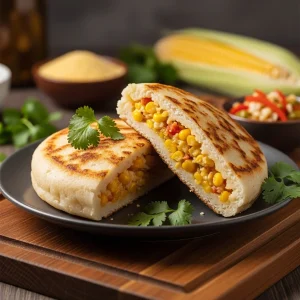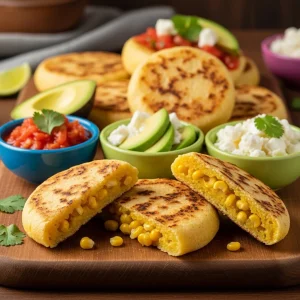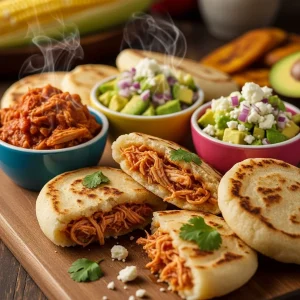

Nestled within the vibrant tapestry of Caribbean cuisine lies a hidden gem that’s as rich in history as it is indeed in flavor: the Dominican arepa. Far beyond its humble appearance, this crispy, golden delight offers a crunchy embrace that transports your taste buds straight to the sun-soaked shores of the Dominican Republic. Often overshadowed by its more famous South American cousins, the Dominican arepa carries its own unique story-one of tradition, culture, and culinary ingenuity. Join us as we journey through its origins, ingredients, and the irresistible crunch that makes this Caribbean treat a must-try for food lovers everywhere.
Discovering Dominican Arepa immerses you in a culinary treasure that crisps the senses and celebrates a rich Caribbean heritage. Hailing from the Dominican Republic, this golden, crunchy delight embodies the vibrant culture, combining simple ingredients with time-honored techniques. Whether enjoyed as a street food staple or a cherished homemade treat, the Dominican Arepa offers layers of flavor and history that make it truly unforgettable.
Prep and Cook Time
Prep: 15 minutes | Cook: 25 minutes | Total: 40 minutes
Yield
Makes approximately 8 medium-sized arepas (serves 4-6).
Difficulty Level
Medium – Ideal for home cooks eager to explore Caribbean flavors with accessible ingredients and classic techniques.
Origins and Cultural Importance of the Dominican Arepa
The Dominican Arepa holds a treasured place in Caribbean culinary traditions, a mouthwatering testament to the island’s fusion of indigenous Taino, Spanish, and African influences. unlike its Colombian and Venezuelan cousins, the Dominican Arepa is uniquely thin and unleavened, crafted primarily from cornmeal, which was a staple food for Taíno communities long before European contact. Traditionally, this arepa was a humble street food, embodying community spirit among vendors and locals alike. They were often paired with savory toppings like queso frito or sweetened with honey, turning modest corn dough into celebratory fare.This snack is more than sustenance, it’s a Caribbean emblem of connection, culture, and comfort.
Key Ingredients and Conventional Readiness Techniques
The magic of the Dominican Arepa lies in its simplicity. Pre-cooked cornmeal (arepa flour) is essential, lending the crisp exterior and tender interior that define the dish. traditionally, the cornmeal is combined with warm water and a pinch of salt, kneaded into a smooth dough, and shaped into thin, flat discs. Authentic preparation often requires cooking on a hot griddle or cast-iron skillet with a touch of oil or butter, patiently flipped to achieve an even golden crust.
to capture the crispiness and balance moisture flawlessly,it is indeed crucial to let the dough rest a few minutes before cooking. Some Dominican cooks add a hint of sugar for subtle sweetness or a splash of cheese mixed into the dough for richness. The preparation’s simplicity highlights the beauty of every ingredient-fresh, finely-ground cornmeal, pure water, and just a sprinkle of salt.
Exploring Regional Variations and Flavor Profiles
Dominican Arepa enjoys vibrant diversity across regions, each with nuances in texture and seasoning. In the northern provinces, it tends to be thinner and crunchier, often served with a coating of garlicy mojo or pepper sauces. Coastal areas might incorporate coconut milk into the dough, infusing the arepa with tropical creaminess. Inland versions sometimes feature mashed plantains blended into the dough for subtle sweetness and a softer bite, while others sneak in crumbled queso de hoja (Dominican soft cheese) to add complexity.
Flavor profiles range from savory and salty to lightly sweet, all designed to complement fillings like spiced shredded beef, avocado slices, or fried eggs. These regional tweaks make the arepa a versatile canvas reflecting the rich mosaic of Dominican culinary artistry.
Top Spots to Savor Authentic Dominican Arepas
For those eager to taste the heart of this dish, the Dominican Republic is dotted with beloved locales serving the best arepas. In Santo Domingo’s colonial district, street vendors crackle fresh arepas alongside aromatic coffee stalls, rewarding early risers. The bustling Mercado Modelo is a hotspot where vibrant flavors and traditional techniques meet. For a sit-down experience, eateries like Adrian Tropical in Santo Domingo and El Conuco in Punta Cana offer elevated takes on the arepa, pairing them with traditional Dominican stews and fresh seafood.
Internationally, cities with sizable Dominican communities-such as New York and Miami-host hidden gems where locals recreate authentic arepas with love and tradition, perfect for those craving a Caribbean escape through flavor.
Ingredients
- 2 cups pre-cooked white cornmeal (arepa flour), such as P.A.N.
- 2 ½ cups warm water
- 1 tsp fine sea salt
- 2 tbsp vegetable oil (plus more for frying)
- 1 tbsp granulated sugar (optional, for slight sweetness)
- Butter, for finishing (optional)
Instructions
- Combine the dough: In a large bowl, mix the pre-cooked cornmeal, salt, and sugar (if using). Gradually add the warm water while stirring with your hand or a wooden spoon until the mixture forms a dough. Let it rest for 5 minutes to allow the dough to hydrate fully.
- Knead to smooth consistency: With wet hands, knead the dough gently for 1-2 minutes until smooth and free of lumps. The dough should be moist but not sticky; add a little more water or cornmeal if necessary.
- Shape the arepas: Divide the dough into 8 equal portions. Roll each into a ball, then gently flatten into discs about ½ inch thick and 4-5 inches in diameter.
- heat the skillet: Place a cast-iron skillet or heavy non-stick pan over medium heat. Add 1 tbsp of vegetable oil and heat until shimmering.
- cook the arepas: Place arepas in the pan, cooking for 5-7 minutes per side. Flip carefully once the bottom is golden and crisp. Reduce heat to medium-low after flipping to cook through without burning.
- Finish crisping: Once both sides are golden and crisp, transfer arepas to a paper towel-lined plate to absorb excess oil. For a traditional touch, brush with butter while still warm for added richness.
- Serve warm: Enjoy immediately or keep warm wrapped in a kitchen towel. Arepas are perfect paired with cheese, avocado, or savory fillings.
Tips for Success
- Use pre-cooked cornmeal (P.A.N. or Harina P.A.N.)-regular cornmeal won’t yield the authentic texture.
- Let the dough rest before shaping; this step hydrates the cornmeal and prevents cracking.
- Adjust skillet heat as you cook to avoid burning outside while keeping the center soft.
- make ahead: uncooked arepas can be refrigerated tightly wrapped for up to 24 hours; bring to room temperature before cooking.
- Experiment by mixing shredded cheese or mashed plantains into the dough for delicious variations.
Serving Suggestions
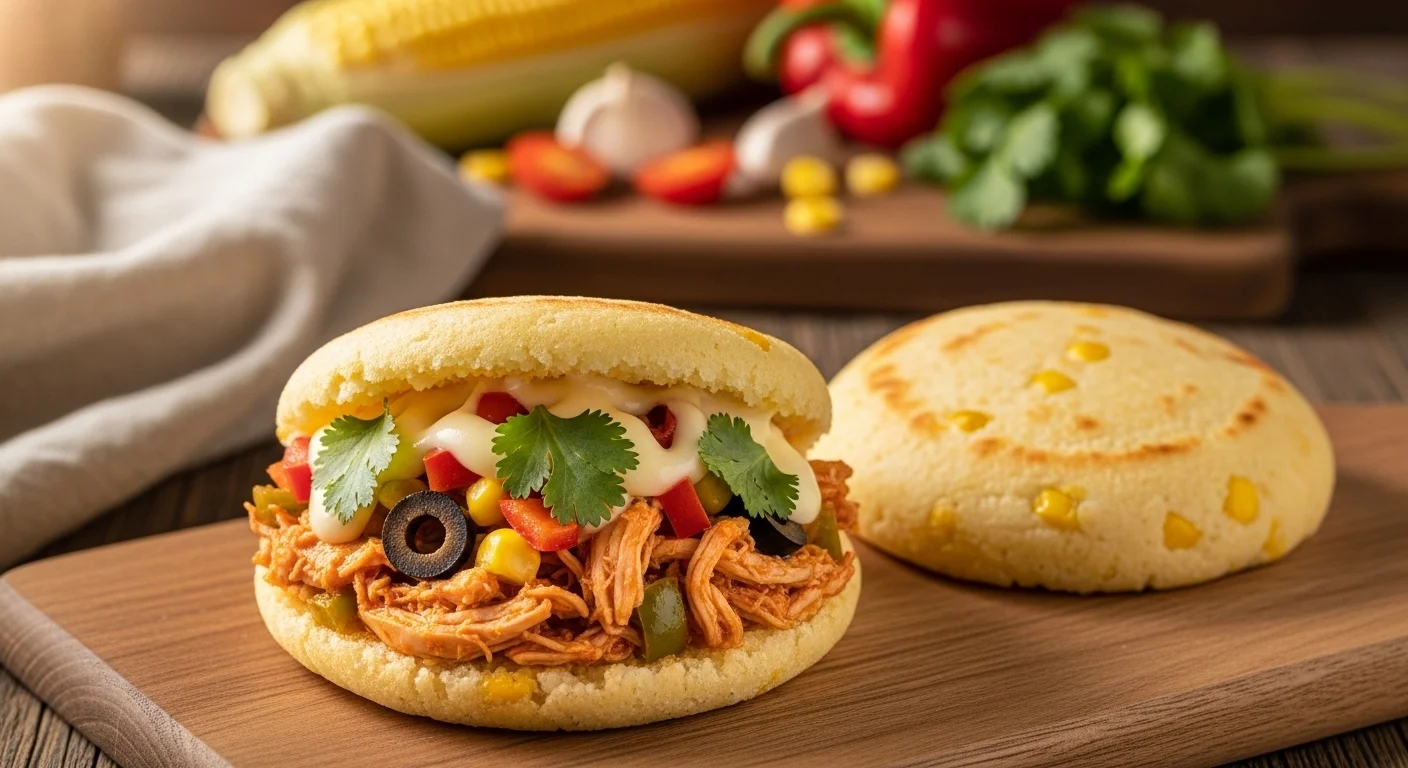
Serve Dominican Arepas warm, garnished with a smear of fresh avocado, crumbled queso fresco, or sliced ripe tomatoes. For a hearty meal, stuff arepas with shredded beef, chicken salad, or fried eggs and sautéed onions. Complement with a dollop of spicy chimichurri or a drizzle of honey for a sweet twist. A side of black beans or a simple green salad brightens the plate, turning this humble dish into a complete Caribbean feast.
| Nutrient | Per Arepa (approx.) |
|---|---|
| Calories | 180 kcal |
| Protein | 3 g |
| Carbohydrates | 35 g |
| Fat | 4 g |
For more caribbean culinary adventures, check out our Traditional Dominican Mangu Recipe. To deepen your knowledge about corn-based dishes worldwide, visit Britannica’s Arepa Overview.
Q&A
Q&A: Discovering Dominican Arepa – A Crispy Caribbean Delight
Q1: What exactly is a Dominican Arepa?
A1: Contrary to popular belief, the Dominican Arepa isn’t the same as the Venezuelan or Colombian corn cake. In the Dominican Republic, an arepa is a crispy, golden-fried cornmeal cake that’s slightly thinner and crunchier. It’s a beloved street food snack that perfectly balances a crispy exterior with a soft, warm interior-a true Caribbean treat!
Q2: How is the Dominican Arepa different from other arepas in Latin America?
A2: While Venezuelan and Colombian arepas are generally thicker and often grilled or baked, the Dominican version is pan-fried until it achieves a tantalizing crunch. Additionally, Dominican arepas are usually less bulky, lighter, and often enjoyed plain or with simple toppings like cheese or butter, making them an irresistible crispy snack rather than a full meal.
Q3: What are the main ingredients in a Dominican Arepa?
A3: The star ingredient is finely ground cornmeal mixed with water, a pinch of salt, and sometimes a touch of sugar to highlight its natural sweetness. The dough is shaped into thin discs and fried in oil until they turn golden brown and crispy. It’s simplicity at its best, capturing Caribbean flavors through humble ingredients.
Q4: Can you describe the taste and texture of a Dominican Arepa?
A4: Imagine biting into a crunchy, golden shell that gently cracks open to reveal a warm, tender inside with a subtle sweetness from the cornmeal. The contrast of textures, crispy on the outside, soft and comforting inside-makes every bite delightfully addictive. It’s a snack that feels both indulgent and homey.
Q5: When and where is the Dominican Arepa typically enjoyed?
A5: Dominican Arepas are a versatile staple seen everywhere-from bustling street corners and beachside stalls to family breakfast tables. Often enjoyed on-the-go as a mid-morning or afternoon snack, they’re perfect with just a smear of butter or paired with coffee, fresh cheese, or even a spicy sauce for those craving a flavor kick.
Q6: Are there any unique regional variations of the Dominican Arepa?
A6: While the classic fried version reigns supreme, some coastal areas add shredded cheese or herbs into the dough before frying, lending a savory twist. Others might drizzle honey or tropical fruit jams atop the arepa, transforming it into a sweet delight that celebrates the island’s bounty.
Q7: How can someone make a Dominican Arepa at home?
A7: Making Dominican Arepas at home is simple magic. Mix cornmeal, water, salt, and a pinch of sugar to create a soft, pliable dough. Shape thin discs and pan-fry over medium heat in a little oil until both sides are crispy and golden. Serve warm-bonus points for freshly shredded cheese or a dab of butter. It’s a kitchen journey straight to the heart of the Caribbean!
Q8: Why should food lovers discover the Dominican Arepa?
A8: The Dominican Arepa is more than just food; it’s a cultural icon that tells the story of the Caribbean’s vibrant history, simplicity, and love for bold textures and flavors. For adventurous taste buds seeking authentic island vibes, this crispy delight offers a crunchy, satisfying bite of Dominican heritage you won’t soon forget.
The Way forward
As the golden crust of the Dominican arepa reveals its tender heart, we uncover more than just a dish, we discover a vibrant slice of Caribbean culture, history, and flavor. This crispy delight, nestled between tradition and innovation, invites food lovers to savor the simple yet profound pleasures of Dominican cuisine. Whether enjoyed at a bustling street stand or crafted in your own kitchen, the arepa stands as a testament to the island’s rich culinary tapestry. So next time you crave a taste of the Caribbean sun, let the Dominican arepa be your delicious guide to a world where every bite tells a story.