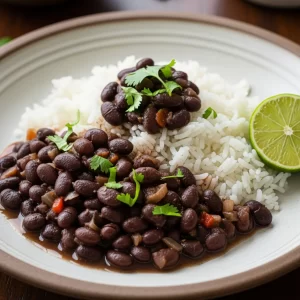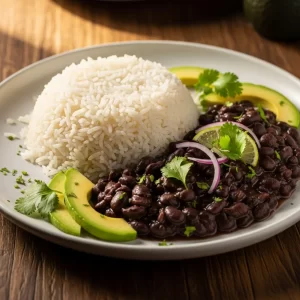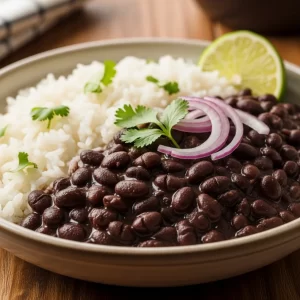

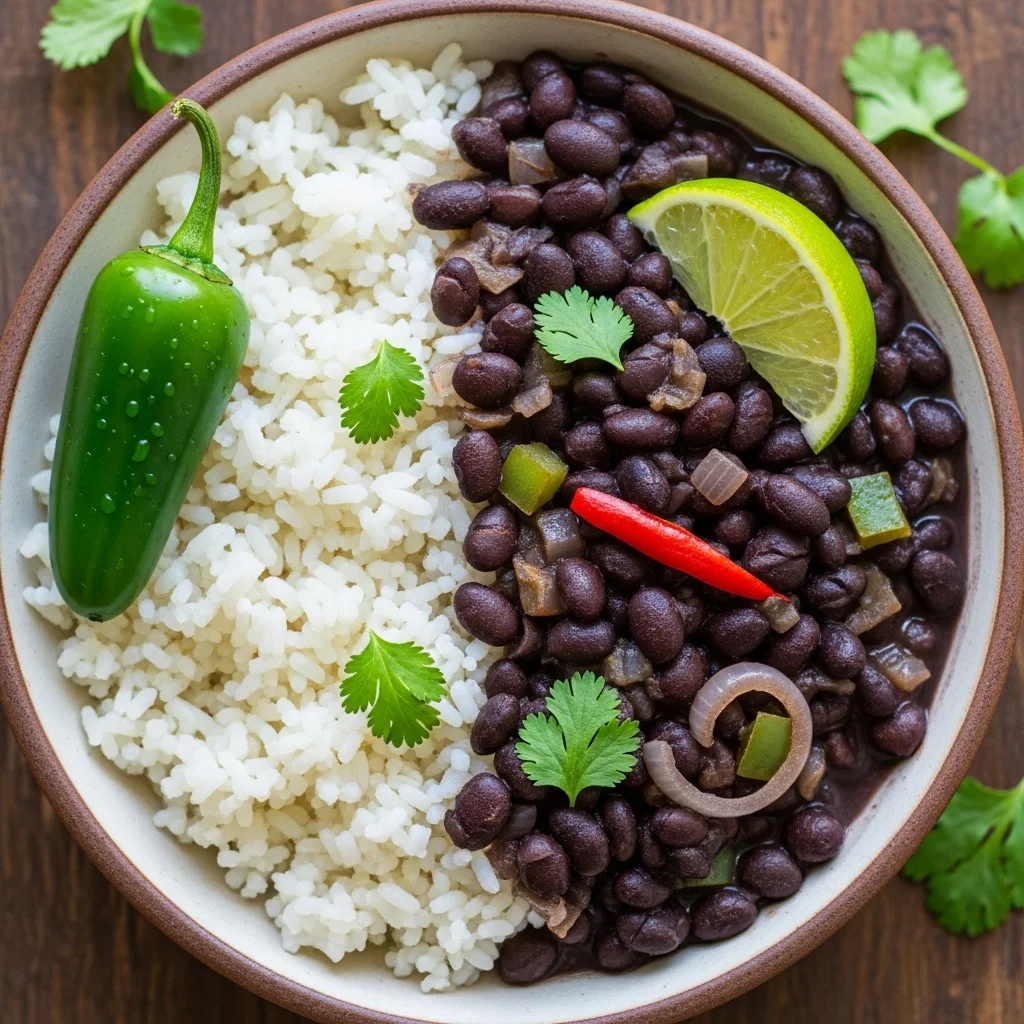
In the heart of Cuban cuisine lies a humble yet profoundly cherished dish: black beans and rice. More than just a meal, it’s a vibrant tapestry of history, culture, and flavor woven together on every Cuban table. Savoring Cuban black beans and rice is not merely about tasting-it’s about experiencing a tradition passed down through generations, where each spoonful tells a story of resilience, community, and party. This flavorful staple, known locally as “Moros y Cristianos,” invites food lovers to explore the rich culinary heritage of Cuba, blending earthy beans, fragrant spices, and perfectly cooked rice into a dish that’s as soulful as it is satisfying. Join us as we delve into the origins, preparation, and cultural meaning of this iconic Cuban classic.
The Rich History Behind Cuban Black Beans and Rice
Savoring Cuban Black Beans and Rice taps into centuries of rich culinary tradition, originating from Afro-cuban roots and Spanish influences. This comforting dish symbolizes more than just nourishment-it’s a cultural staple that has brought families together across generations. Black beans and rice, known as Moros y Cristianos in Cuba, represent the blending of african and European heritage, with the black beans (moros) and white rice (Cristianos) symbolizing the cultural fusion. Traditionally prepared in home kitchens and street vendors alike, this humble dish carries stories of resilience, celebration, and the vibrant spirit of Cuba.
Key Ingredients That Define Authentic Cuban Flavor
At the heart of Savoring Cuban Black Beans and Rice is the perfect harmony of spices, aromatics, and fresh ingredients. The backbone is the creamy black beans, steeped with earthy onions, bell peppers, and the unmistakable fragrance of garlic. A splash of cumin adds a smoky depth, while bay leaves infuse subtle herbal notes. Perhaps the most iconic element is the use of sofrito, a slow-cooked blend of tomatoes, herbs, and vegetables that ties everything together. A dash of vinegar or sherry vinegar at the end brightens the dish,creating an irresistible balance of savory and tangy.
Prep and Cook Time
- Preparation: 15 minutes
- Cook Time: 1 hour 20 minutes (including soaking and simmering)
- Total Time: Approximately 1 hour 35 minutes
Yield
Serves 4-6 people generously, ideal for a family meal or sharing with friends.
Difficulty Level
Medium: Requires some attention during simmering but beginner-pleasant with clear instructions.
Ingredients
- 1 cup dried black beans (soaked overnight and drained)
- 3 cups water (for cooking beans)
- 1/4 cup olive oil
- 1 medium yellow onion, finely chopped
- 1 green bell pepper, diced
- 4 cloves garlic, minced
- 1 teaspoon ground cumin
- 2 bay leaves
- 1/2 cup tomato sauce
- 1/4 cup sofrito (store-bought or homemade)
- 2 tablespoons apple cider vinegar or sherry vinegar
- Salt and black pepper to taste
- 2 cups long-grain white rice, rinsed
- 4 cups water (for cooking the rice)
- Fresh cilantro or parsley, chopped (for garnish)
Step by Step Guide to Perfectly Seasoned Cuban Black beans
- Prepare the beans: Soak 1 cup of dried black beans overnight in cold water. Drain and rinse before cooking to reduce cooking time and improve digestibility.
- Cook the beans: In a large pot,combine soaked beans with 3 cups fresh water and bring to a boil. Reduce heat and simmer gently, uncovered, for about 1 hour until beans are tender but not mushy. Keep an eye on the water level and add more if needed.
- Make the sofrito base: While beans cook, heat 1/4 cup olive oil in a large skillet over medium heat. Sauté the chopped onion and diced bell pepper until translucent and soft, about 5 minutes.
- Add the garlic and spices: Stir in the minced garlic, 1 teaspoon cumin, and 2 bay leaves. Cook for another 2 minutes until aromatic but not burnt.
- Incorporate tomato sauce and sofrito: Pour in 1/2 cup tomato sauce and 1/4 cup sofrito. Stir everything together and simmer on low for 5-7 minutes to meld flavors.
- combine beans with sofrito: Carefully ladle the cooked beans along with their cooking liquid into the skillet.Stir gently to mix and cook on low for 10-15 minutes, allowing the flavors to marry.
- Season and finish: Add 2 tablespoons of apple cider vinegar, adjust salt and pepper to taste.Remove the bay leaves before serving.
- Cook the rice: While beans simmer, prepare the rice. boil 4 cups water, add a pinch of salt, then pour in the rinsed 2 cups rice. Cover, lower the heat, and cook for 18 minutes or until rice is tender and water is absorbed.
Tips for Success
- For a quicker option, use canned black beans: Rinse and drain two 15-ounce cans, reduce simmer time to 10 minutes after combining with sofrito to infuse flavor.
- Sofrito substitution: Blend fresh garlic, onions, green peppers, tomatoes, and cilantro if store-bought isn’t available.
- Adjust vinegar: Start with 1 tablespoon and add more gradually to avoid overpowering the dish.
- make ahead: Black beans and rice taste even better the next day as flavors deepen. Store separately and reheat gently.
- Prevent mushy beans: Avoid over-stirring during simmering to keep beans intact.
Pairing Cuban Black Beans and Rice with Conventional Sides and Drinks
Elevate your meal by presenting the Cuban black beans and rice alongside classic Cuban sides such as fried plantains (tostones or maduros), crisp yuca fries, or a refreshing tomato and avocado salad. A garnish of fresh cilantro or parsley adds a burst of color and fresh aroma. For drinks, nothing complements this hearty dish better than a chilled mojito or a robust glass of Cuban rum with lime. For a non-alcoholic option, try traditional agua fresca or freshly brewed Cuban coffee to celebrate the full spectrum of Cuban flavors.
| Nutritional Info (per serving) | amount |
|---|---|
| Calories | 320 kcal |
| Protein | 15 g |
| Carbohydrates | 54 g |
| Fat | 7 g |
For more Cuban culinary inspiration, check out our Authentic Cuban Pork Recipes that bring vibrant island flavors to your table.
Q&A
Q&A: Savoring Cuban black Beans and rice: A Flavorful Tradition
Q1: What makes Cuban black beans and rice a beloved dish in Cuban culture?
A1: Cuban black beans and rice, or “Moros y Cristianos,” is more than just a meal-it’s a cultural emblem. The dish combines black beans (Moros, or Moors) and white rice (Cristianos, or Christians) in a culinary duet that symbolizes centuries of history and cultural fusion. Its hearty flavors, aromatic seasonings, and comforting qualities have made it a staple in Cuban households, representing family, tradition, and community.
Q2: How are Cuban black beans typically prepared to achieve their signature flavor?
A2: The magic lies in slow-cooking black beans with sofrito-a fragrant blend of garlic, onions, bell peppers, and herbs-along with spices like cumin, oregano, and bay leaves. Often, a splash of vinegar or a touch of citrus brightens the dish. This method steeps the beans in robust, layered flavors, turning them silky and deeply savory. The rice, cooked separately, is then folded in, creating the iconic speckled look and harmonious taste.
Q3: can you explain the cultural significance behind the dish’s name, “Moros y Cristianos”?
A3: The name “Moros y Cristianos” translates to “Moors and Christians,” a poetic nod to Spain’s medieval history, where Muslim Moors and Christian Spaniards coexisted and clashed. This metaphor found new life in Cuba through the dish’s contrasting black beans and white rice. It’s a culinary reflection of Cuba’s complex heritage, blending African, Spanish, and Caribbean influences into one pot.
Q4: What occasions is Cuban black beans and rice typically served at?
A4: This dish is wonderfully versatile, gracing everyday family dinners, festive celebrations, and holiday feasts alike. Whether it’s a casual Sunday meal or a vibrant gathering, “Moros y Cristianos” brings people together with its warm, familiar flavors. It’s often accompanied by roasted pork, plantains, or a crisp salad, creating a balanced and satisfying Cuban feast.
Q5: Are there any regional variations of this dish within Cuba or the Cuban diaspora?
A5: Absolutely! While the core ingredients remain constant, regional and personal twists abound.Some versions add smoky pork or chorizo for depth, while others might incorporate bay leaf or a hint of cinnamon.Outside Cuba, especially in Miami and other Cuban-American communities, the recipe evolves further, sometimes blending influences from neighboring Latin cuisines, adding layers of innovation while honoring tradition.
Q6: How can someone new to Cuban cuisine best enjoy black beans and rice?
A6: For the uninitiated, starting with a well-balanced “Moros y Cristianos” is key-rich, yet not overpowering; hearty, yet nuanced.Pair it with simple sides like fried plantains (tostones) or a fresh avocado salad to complement the deep, earthy flavors. And most importantly, savor it slowly-this dish tells a story with every bite, weaving history, culture, and comfort into your palate.
Q7: What tips do experienced cooks share about perfecting Cuban black beans and rice at home?
A7: Patience is essential. Use dried black beans soaked overnight for the best texture and flavor. Build your sofrito with fresh ingredients, and don’t rush the simmering process-it allows the flavors to meld beautifully. Taste and adjust seasoning as the dish cooks, adding a splash of vinegar near the end for brightness. And remember, this dish often tastes even better the next day, as the flavors continue to deepen.
Through its humble ingredients and rich history,Cuban black beans and rice invite you to taste a tradition that’s flavorful,soulful,and timeless. Whether cooked in Havana or your own kitchen, every spoonful is a celebration of Cuba’s vibrant culinary heritage.
Concluding Remarks
As the rich aroma of simmering black beans and rice fills the kitchen, we’re reminded that this humble dish is much more than a meal-it’s a vibrant thread woven through Cuba’s cultural tapestry. Savoring Cuban black beans and rice invites us to taste history, heritage, and heart in every spoonful. Whether enjoyed at a family gathering or a casual weekday dinner, this flavorful tradition continues to connect generations, celebrating the simple joys of comfort and community. So next time you spoon into a bowl of this soulful stew, remember you are not just enjoying food-you’re partaking in a story as rich and enduring as the dish itself.