
There’s a certain magic in teh sizzle of panko breadcrumbs hitting hot oil-a sound that heralds the arrival of crispy chicken katsu, Japan’s ultimate crunchy comfort food. This golden-hued delight, with its perfectly crisp exterior and tender, juicy interior, has long captivated taste buds both in its homeland and beyond. More than just a dish, chicken katsu embodies a harmonious balance of texture and flavor, offering a satisfying crunch that awakens the senses and a warmth that comforts the soul. In this article, we’ll dive into the origins, preparation, and cultural significance of this beloved Japanese favorite, exploring why crispy chicken katsu continues to be a go-to comfort food for generations.
Crispy chicken Katsu: Japan’s Ultimate Crunchy Comfort Food
Crispy Chicken Katsu is a beloved Japanese dish that has captured the hearts (and taste buds) of food lovers worldwide with its irresistible golden crust and tender, juicy interior. Originating as a japanese adaptation of Western-style breaded cutlets, Chicken Katsu has evolved into a cultural icon that perfectly balances texture and flavor – a true culinary comfort food. Every bite delivers a satisfying crunch, a savory embrace, and a story steeped in cultural exchange and creativity.
Origins and Cultural Significance of Chicken Katsu in Japanese Cuisine
Emerging during Japan’s Meiji era when Western influences began to intertwine with customary Japanese cooking, Chicken Katsu represents an innovative fusion that honors both worlds. The dish originally drew inspiration from European schnitzel and cutlets, but was refined with Japanese sensibilities-lighter, crispier, and served with signature dipping sauces like tonkatsu sauce. Beyond being a popular street food and home-cooked favorite, Chicken Katsu has come to symbolize casual dining and family warmth, often featured in bento boxes, izakayas, and restaurant menus across Japan. Its versatility and comforting profile have made it a staple, cherished for generations.
Prep and Cook Time
- Preparation: 15 minutes
- Cooking: 10 minutes
- Total Time: 25 minutes
Yield
Serves 4 generously
Difficulty Level
Easy to Medium – perfect for home cooks seeking a rewarding crispy texture without complexity
Choosing the Best Cuts and Ingredients for Flavorful Chicken Katsu
Selecting the right chicken cut is essential to nail the ideal juiciness under the crispy coat. Boneless, skinless chicken thighs offer superior flavor and moistness, while breasts provide a leaner, lighter option. To amplify flavor, gently pound the meat to an even thickness (about ½ inch) to ensure uniform cooking. The key to the crunch lies in the panko breadcrumbs – these coarse, airy flakes create that signature crispness distinct from regular breadcrumbs. Quality ingredients such as fresh eggs for dredging, and unseasoned all-purpose flour for coating create the perfect base layer for the coating to adhere firmly.
Ingredients
- 4 boneless, skinless chicken thighs (about 6 oz each), pounded evenly
- 1 cup all-purpose flour, sifted
- 2 large eggs, beaten
- 2 cups panko breadcrumbs
- Salt and freshly ground black pepper, to taste
- vegetable oil, for shallow frying (about 1 inch depth)
- Tonkatsu sauce, for serving
- Shredded cabbage, optional garnish
- Lemon wedges, optional garnish
Mastering the Perfect Crispy Coating Techniques for Ultimate Crunch
- Prepare the chicken: Pat thighs dry and season both sides liberally with salt and pepper to build flavor beneath the crust.
- Dredge in flour: Lightly coat each piece with all-purpose flour, shaking off excess. This dry layer helps the egg adhere better.
- Dip in egg wash: immerse coated chicken in beaten eggs, ensuring full coverage – the wet layer bonds the panko to the meat.
- Coat with panko: Press chicken into panko breadcrumbs firmly but gently, building an even, thick crust.
- Heat your oil: using a heavy skillet, heat vegetable oil to 350°F (175°C). Test with a breadcrumb to ensure it sizzles immediately.
- Fry evenly: Shallow fry chicken for 4-5 minutes per side, turning carefully with tongs to avoid disrupting the crust. Maintain oil temperature for consistent browning.
- Drain and rest: Remove onto a wire rack or paper towel-lined plate to drain excess oil and retain crispness. Resting also helps juices redistribute.
Chef’s Notes: Tips for Success
- For extra tenderness: marinate chicken briefly in a mixture of soy sauce, ginger, and garlic for at least 30 minutes before breading.
- Oil depth: Use enough oil to cover halfway up the chicken so the heat circulates properly without deep-frying.
- Panko upgrade: Toss panko breadcrumbs with a little toasted sesame seed powder or finely chopped nori for a unique twist.
- Make-ahead: breaded chicken can be refrigerated for up to 1 hour before frying; ensure it stays chilled and covered.
- Oven-fry option: Bake at 425°F (220°C) on a wire rack for about 20 minutes, flipping halfway, for a lighter version without sacrificing crunch.
Top Serving Suggestions and Dipping Sauces to Elevate Your Katsu Experience
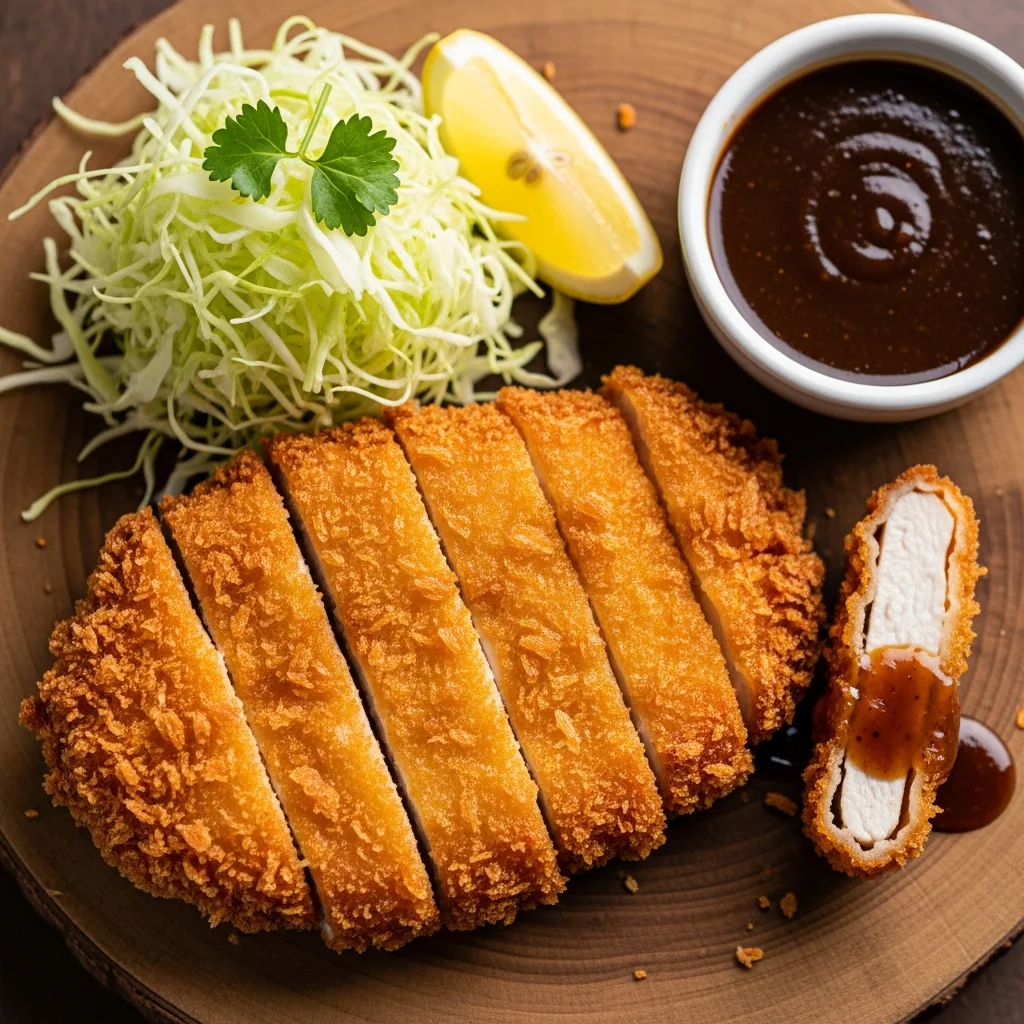
chicken Katsu shines brightest when served with complementary sides and dipping sauces that balance its crunchy richness. Traditionally, a mound of finely shredded cabbage provides crisp freshness and texture contrast while soaking up the savory tonkatsu sauce – a tangy, umami-packed condiment made from fruits, soy, and spices. For an inspired twist, pair your Crispy Chicken Katsu with steamed white rice, a drizzle of Japanese mayo, or even a fried egg atop for extra indulgence.
Additional dipping options include spicy mustard, ponzu citrus sauce, or a simple squeeze of fresh lemon to brighten the flavors instantly.
| Nutrient | Amount (per serving) |
|---|---|
| Calories | 400 kcal |
| Protein | 35 g |
| Carbohydrates | 25 g |
| fat | 15 g |
For those eager to explore more authentic Japanese recipes to complement your Chicken Katsu, check out our Authentic Japanese Recipes Collection and deepen your culinary journey.
To learn more about the captivating history and cultural impact of Tonkatsu and related dishes, visit the Japan Guide Tonkatsu Overview.
Q&A
Q&A: Crispy Chicken Katsu – Japan’s Ultimate crunchy Comfort Food
Q1: What exactly is chicken katsu?
A1: Chicken katsu is a beloved Japanese dish featuring tender chicken breast coated in panko breadcrumbs and deep-fried to golden, crispy perfection. It’s the crunchy, juicy comfort food that perfectly marries texture and flavor, offering a satisfying bite every time.
Q2: How does chicken katsu differ from other fried chicken dishes?
A2: Unlike classic fried chicken that often uses a flour-based batter and various seasonings, chicken katsu relies on a simple yet effective trio: flour, egg wash, and Japanese panko breadcrumbs. Panko crumbs are lighter and airier, creating that signature ultra-crispy crust without heaviness.
Q3: Why is chicken katsu so popular in Japan?
A3: in Japan, chicken katsu represents more than just a meal-it’s comfort on a plate. It’s quick to prepare, satisfying with every crunchy bite, and versatile enough to be enjoyed solo, in a sandwich, or atop a bed of rice with savory katsu sauce. the dish resonates with all generations, embodying homestyle warmth and convenience.
Q4: What is the ideal texture and flavor profile of chicken katsu?
A4: The ideal chicken katsu balances a crackly, golden exterior with tender, juicy meat inside. The flavor is subtly seasoned, relying on the savory crunch of panko and a dip in tangy-kissed tonkatsu sauce-think sweet, sour, and umami notes blending into irresistible harmony.
Q5: Can chicken katsu be customized or adapted?
A5: Absolutely! While classic chicken breast katsu is the standard, variations abound: thigh meat brings extra juiciness, and some chefs add layers of seasoning or spices into the breading. You can also explore different dipping sauces-miso-based, spicy mayo, or citrus ponzu-to reinvent this crunchy icon.
Q6: How is chicken katsu typically served in Japan?
A6: Most commonly, it’s served as a set meal-crispy chicken katsu alongside steamed rice, shredded cabbage, and a bowl of miso soup. The shredded cabbage adds a refreshing crunch that balances the richness, making each bite feel light and layered.
Q7: What makes panko breadcrumbs essential to the dish?
A7: Panko is the secret star that propels katsu’s crunch to legendary status. crafted from crustless white bread, panko crumbs are flakier and coarser than regular breadcrumbs, creating a crisp texture that holds up well during frying, giving chicken katsu its unmistakable snap.
Q8: Can chicken katsu be made at home easily?
A8: Definitely! With just a few pantry staples-chicken breast, flour, eggs, and panko breadcrumbs-you can recreate this crunchy masterpiece. The key is to maintain the oil at the right temperature for frying, ensuring the coating crisps up beautifully without absorbing excess oil.
Q9: What’s the story behind katsu sauce?
A9: Katsu sauce is a thick, tangy-sweet condiment often compared to worcestershire sauce but richer and fruitier. It’s a blend of soy sauce, vinegar, sugar, and sometimes fruits like apple or tomato, perfectly complementing the savory crunch of chicken katsu with a burst of umami.
Q10: Why should everyone try chicken katsu?
A10: Chicken katsu is more than just a dish-it’s a textural adventure and a perfect example of Japanese culinary finesse in transforming simple ingredients into remarkable comfort food. Crunchy, juicy, and deeply satisfying, it’s a feast for the senses and a must-try for lovers of crispy delights worldwide.
In Summary
Whether enjoyed atop a bed of fluffy rice, sandwiched in a soft bun, or paired with a tangy drizzle of tonkatsu sauce, crispy chicken katsu stands as a testament to Japan’s mastery of turning simple ingredients into extraordinary comfort food. Its golden, crunchy exterior and juicy interior create a perfect harmony that delights the senses with every bite. As you savor this iconic dish, you’re not just tasting a meal-you’re experiencing a cultural tradition that has captivated palates across the world. So next time you crave something crispy, warm, and utterly satisfying, let chicken katsu transport you straight to the heart of japan’s culinary comfort.