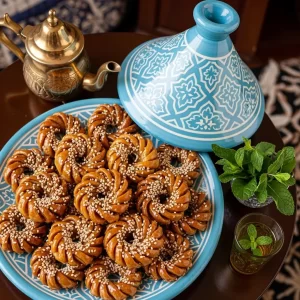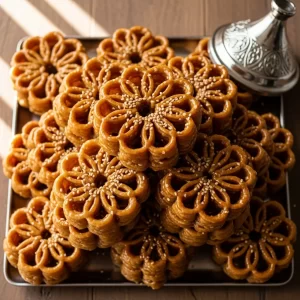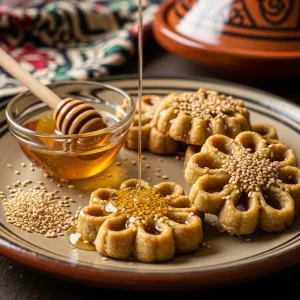

In the vibrant tapestry of Moroccan cuisine, where every flavor tells a story, Chebakia stands out as a golden emblem of tradition and celebration. This crispy, intricately twisted pastry, drenched in honey and dusted with sesame seeds, is more than just a sweet treat-it is indeed a culinary symbol steeped in history and cultural importance.As fragrant as the bustling souks and as warm as the desert sun, Chebakia offers a delightful blend of spices and sweetness that dances on the palate, inviting both locals and visitors to savor a timeless Moroccan delight. Join us as we unravel the magic behind Chebakia’s honeyed twists and discover how this exquisite confection continues to capture hearts around the world.
Chebakia: Morocco’s sweet Twists of Honey and Spice delight
Chebakia is an iconic Moroccan treat that beautifully captures the essence of festive celebrations with its intricate shapes, honeyed sweetness, and warm spices. Rooted deeply in Moroccan traditions, this delightful pastry is more than just a dessert-it’s a symbol of generosity, hospitality, and cultural pride. Whether served during Ramadan or joyous family gatherings, Chebakia always brings people together around the table, evoking memories and smiles with each bite.
Origins and Cultural Significance of Chebakia in Moroccan traditions
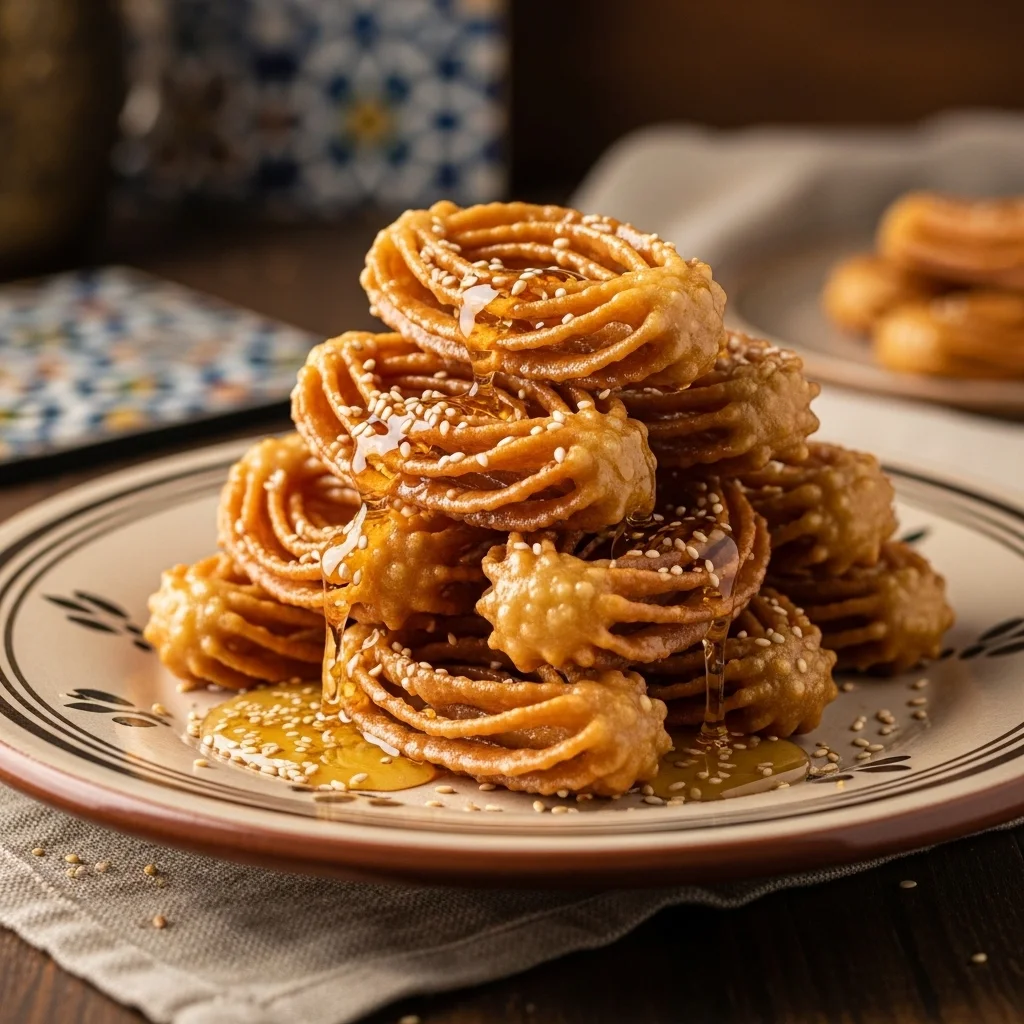
Chebakia’s origins date back centuries, entwined with the vibrant history of Morocco’s culinary heritage. Traditionally prepared during Ramadan, this sweet twist of dough is fried and soaked in honey, symbolizing the sweetness of life and blessings during the holy month. Its distinctive rose-like shape, created by folding and pinching the dough, is not only a feast for the eyes but also represents a labor of love passed down through generations. Sharing Chebakia with family and neighbors is a cherished tradition that strengthens community bonds and honors Moroccan hospitality.
The Art of Crafting Chebakia Dough and Achieving Perfect Texture
Mastering the dough for Chebakia is the foundation to achieving that perfect balance between crispiness and tenderness. The dough combines flour, sesame seeds, and a blend of fragrant spices including cinnamon and <b’anise, binding with olive oil and warm water to form a pliable yet firm texture. The key lies in kneading thoroughly until smooth and elastic, then resting it to allow gluten progress. When rolled thin and skillfully shaped, the dough crisps up beautifully during frying while still offering a gentle, melt-in-your-mouth bite inside. Maintaining oil at a steady medium temperature ensures even cooking and the signature golden hue.
Infusing Honey and Spice: Flavor Profiles that Define Chebakia
the soul of Chebakia is in its luscious coating of warm, fragrant honey infused with orange blossom water and a pinch of cinnamon that dances on your palate. After frying, the piping-hot pastries are instantly bathed in this honey syrup, wich seeps deep into every fold and crevice, sealing in moisture while adding a glossy sheen. Toasted sesame seeds sprinkled on top lend a subtle crunch and nutty aroma,beautifully complementing the spicy undertones from the dough. This harmonious layering of sweet and spice creates a complex flavor profile unique to Moroccan cuisine.
Serving Suggestions and Pairings to Elevate Your Chebakia Experience
Present Chebakia on a vibrant Moroccan ceramic platter, elegantly piled like golden roses. For a customary touch, serve alongside a glass of Moroccan mint tea, whose refreshing aroma and natural sweetness perfectly balance the richness of the honeyed pastries. You might also enjoy Chebakia with a dollop of creamy ricotta or alongside roasted almonds and dried figs to add texture contrasts. Garnish with a sprinkle of finely chopped pistachios or a light dusting of powdered cinnamon for visual appeal and a flavor boost.
Prep and Cook Time
- Prep Time: 45 minutes
- Cook Time: 30 minutes
- Total Time: 1 hour 15 minutes
Yield
Makes approximately 30 pieces, perfect for sharing at family gatherings or festive occasions.
Difficulty Level
Medium – Requires moderate skill in dough handling and frying technique.
Ingredients
- 3 cups all-purpose flour, sifted
- 1/2 cup toasted sesame seeds, ground finely
- 1 tsp ground cinnamon
- 1 tsp ground anise seeds (or fennel seeds, crushed)
- 1/4 tsp salt
- 1 tsp baking powder
- 1/2 cup olive oil (plus extra for frying)
- 1/2 cup warm water (adjust as needed)
- 1 tbsp orange blossom water
- 2 cups honey
- Extra toasted sesame seeds, for garnish
Instructions
- Prepare the dough: In a large mixing bowl, combine the flour, ground sesame seeds, cinnamon, anise, salt, and baking powder. Slowly add olive oil and warm water while stirring until a rough dough forms.
- Knead the dough: Transfer to a lightly floured surface and knead for 8-10 minutes until smooth and elastic. Cover with a damp cloth and let it rest for 30 minutes to relax the gluten.
- Roll and shape: Divide the dough into small balls (~1.5 inch diameter).Roll each ball into a thin oval about 1/8 inch thick. Using a sharp knife or a chebakia mold, cut the dough into strips and make 4-5 lateral cuts without slicing completely through.
- Form the Chebakia shapes: Pinch one end of the strip and weave it gently into the traditional rose-like shape by folding and layering the strips carefully.
- Heat oil for frying: In a deep pan, heat olive oil to 350°F (175°C). Test by dipping a small dough piece-it should sizzle immediately.
- Fry the pastries: Fry Chebakia in batches, turning occasionally, until golden brown and crisp (about 4-5 minutes). Remove carefully and drain on paper towels.
- Infuse with honey: While still warm, transfer the Chebakia to a shallow pan filled with warmed honey and orange blossom water. Let them soak for 2 minutes, turning once to coat evenly.
- Garnish and serve: Remove from honey, drain excess, and sprinkle generously with toasted sesame seeds. Allow to cool slightly before serving.
Chef’s Notes and Tips for Success
- Rest time is crucial: Letting the dough rest reduces toughness and makes shaping easier.
- Oil temperature control: Maintain a steady frying temperature to avoid greasy or undercooked pastries.
- Honey infusion: Use high-quality, floral honey for that authentic Moroccan aroma.
- Make-ahead: Chebakia can be stored in an airtight container for up to one week without losing crispness.
- Variations: Try incorporating ground almonds into the dough for a nutty depth, or experiment with spices like nutmeg or ginger for a personalized flavor profile.
Serving Suggestions and Pairings
- Serve warm or at room temperature alongside a steaming cup of Moroccan mint tea.
- Pair with fresh dried fruits such as apricots or dates to complement the honey’s sweetness.
- Garnish with crushed pistachios or a light dusting of cinnamon for visual and taste contrast.
- Offer a side of lightly whipped ricotta or mascarpone for a creamy counterpoint.
| Nutrient | Per Serving (1 piece) |
|---|---|
| Calories | 120 |
| Protein | 2g |
| Carbohydrates | 20g |
| Fat | 4g |
For further authentic Moroccan recipes, explore our collection of traditional sweets. To learn more about the rich history of Moroccan culinary arts, visit Britannica’s Moroccan Cuisine overview.
Q&A
Q&A: Chebakia – Morocco’s Sweet Twists of Honey and Spice Delight
Q: What exactly is Chebakia?
A: Chebakia is a traditional moroccan pastry, delightfully shaped into intricate flower-like twists.It’s a deep-fried treat drenched in warm honey and sprinkled generously with sesame seeds. This dessert is a harmonious blend of crispy texture, sweet syrup, and aromatic spices-a true celebration of Moroccan culinary artistry.Q: Where does Chebakia originate and when is it typically enjoyed?
A: Chebakia has deep roots in Moroccan culture, frequently enough associated with Ramadan and festive occasions.It’s traditionally prepared during the holy month of fasting to provide energy and sweetness after long hours without food, but it’s also a staple at weddings and family gatherings.
Q: What are the key ingredients that make Chebakia unique?
A: The magic of Chebakia lies in its rich ingredients: flour, ground almonds, anise seeds, cinnamon, sesame seeds, and orange blossom water, all brought together with a touch of vinegar and baking powder for texture. After frying, the pastries are soaked in honey infused with orange blossom essence, giving them their signature luscious sweetness and floral aroma.
Q: How is the distinctive shape of Chebakia achieved?
A: the shaping of Chebakia is an art form in itself. The dough is rolled out and cut into strips, which are carefully folded and twisted into delicate, rose-like patterns. This intricate design not only makes Chebakia visually stunning but also creates layers that soak up honey beautifully, enhancing every bite.
Q: Can Chebakia be enjoyed all year round or only during special times?
A: While it’s traditionally tied to Ramadan and celebrations, Chebakia’s irresistible flavor has transcended seasonal boundaries. Many Moroccans and food enthusiasts enjoy it year-round as a comforting, sweet indulgence with tea or coffee.
Q: Are there any modern twists or variations to the classic Chebakia recipe?
A: Absolutely! Contemporary chefs experiment by adding ingredients like orange zest, rose water, or even dipping the pastries in chocolate. Some versions are baked instead of fried for a lighter take, while others blend nuts or dried fruits into the dough, adding new textures and flavors without losing the authentic spirit.
Q: What does Chebakia tell us about Moroccan culture and culinary traditions?
A: Chebakia embodies hospitality,celebration,and the Moroccan love for spice and sweetness. It’s more than a dessert; it’s a symbol of warmth, family bonds, and the joy found in simple yet exquisite handmade treats. Each bite offers a taste of Morocco’s history and its rich tapestry of flavors shaped by centuries of tradition.
Q: How can someone outside Morocco experience making or tasting authentic Chebakia?
A: Adventurous home cooks can find recipes online or in Moroccan cookbooks, frequently enough paired with detailed tutorials to master the twisting technique. For tasting, many Moroccan restaurants and bakeries worldwide offer Chebakia, especially around Ramadan. It’s best enjoyed fresh, paired with mint tea, to capture its full aromatic and textural glory.
Chebakia is not just a pastry-it’s Morocco’s sweet story told in honeyed twists and spiced layers, inviting you to savor a flavorful piece of cultural heritage with every bite.
Wrapping Up
As the final dusting of sesame seeds settles on the golden, honey-drenched strands of Chebakia, we’re reminded that this Moroccan delicacy is much more than just a sweet treat. It is indeed a celebration of tradition, a dance of spices and textures that captures centuries of craftsmanship and cultural heritage. Whether served during festive occasions or enjoyed with a steaming cup of mint tea, Chebakia invites us to savor the intricate balance of flavors that define Morocco’s rich culinary tapestry. So next time you bite into this crispy, fragrant delight, remember-you’re tasting a story shaped by history, hospitality, and the timeless magic of honey and spice.