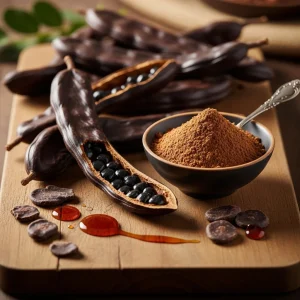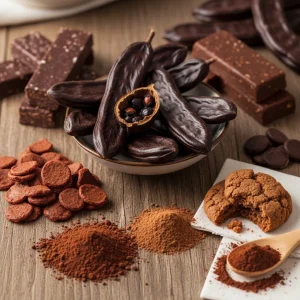

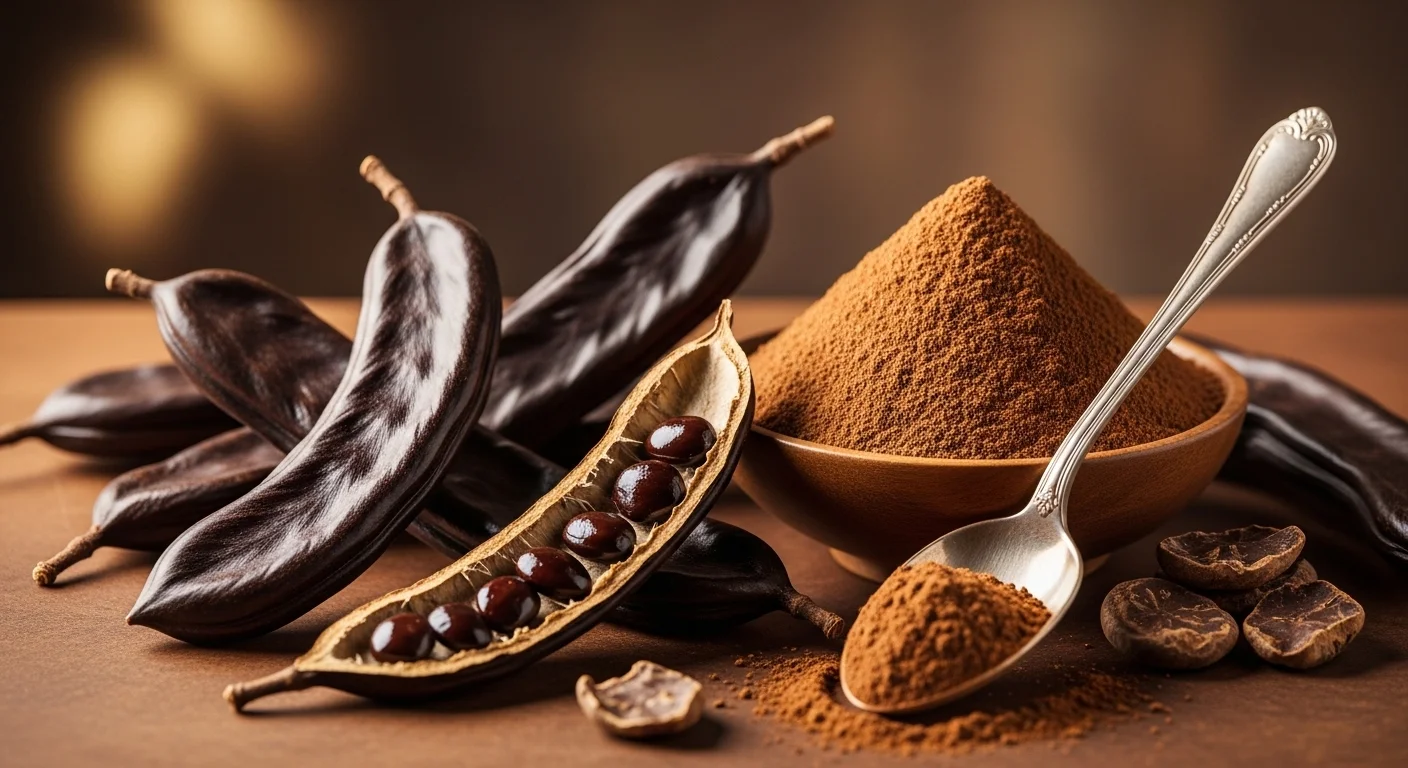
Beneath the canopy of ancient Mediterranean groves thrives a humble pod, long overshadowed by its more famous cousin, chocolate. Meet carob, nature’s sweet alternative that has quietly captivated taste buds and health enthusiasts alike. With its rich history dating back thousands of years and a unique flavor profile that hints at cocoa’s comforts without the bitterness, carob is emerging from the shadows to claim its rightful place in the world of indulgence. This article peels back the layers of carob’s story, exploring its origins, nutritional benefits, and why it might just be the perfect, guilt-free substitute for chocolate lovers everywhere.
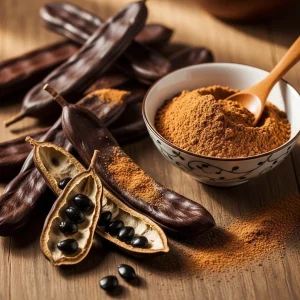
Carob Unveiled: Nature’s Sweet Alternative to Chocolate brings to light an extraordinary ingredient treasured for its subtle sweetness and rich, earthy tones. Originating from the Mediterranean, carob has long been celebrated as a naturally caffeine-free, lower-fat substitute that doesn’t compromise flavor. Imagine the warm aroma of toasted carob pods, a gentle kiss of caramel-like bitterness, and a hint of nuttiness, an ingredient both health-conscious and indulgent foodies will adore.
prep and Cook Time
- Readiness: 15 minutes
- Cooking: 20 minutes
- Total Time: 35 minutes
Yield
Serves 6 generous portions
Difficulty Level
Easy – perfect for beginners and seasoned cooks eager to explore carob’s versatility
Ingredients
- 1 cup all-purpose flour, sifted
- 1/2 cup carob powder, unsweetened
- 3/4 cup coconut sugar or organic brown sugar
- 1/2 tsp baking powder
- 1/4 tsp sea salt
- 3/4 cup unsweetened almond milk (or milk of choice)
- 1/4 cup melted coconut oil
- 1 tsp pure vanilla extract
- 1/2 cup chopped walnuts (optional, for texture and nutty flavor)
- Powdered sugar or coconut sugar for dusting (optional)
Instructions
- Preheat your oven to 350°F (175°C). Lightly grease a 9-inch square baking pan or line it with parchment paper for easy removal.
- In a large bowl, whisk together the all-purpose flour, carob powder, coconut sugar, baking powder, and sea salt. Mix thoroughly to ensure even distribution of the dry ingredients.
- In a separate bowl, combine the almond milk, melted coconut oil, and vanilla extract. Whisk gently until smooth and emulsified.
- Pour the wet ingredients into the dry mixture, stirring carefully with a spatula until just combined. Avoid overmixing to keep the brownies tender.
- Fold in the chopped walnuts if using, providing delightful crunch and complementing the carob’s chocolaty undertones.
- Transfer the batter evenly into the prepared pan, smoothing the top with a spatula.
- Bake for 18-20 minutes, or until a toothpick inserted into the center comes out with a few moist crumbs. Be cautious not to overbake; carob treats can dry out faster than chocolate.
- Remove from the oven and cool completely in the pan before slicing into squares. For a touch of elegance, dust lightly with powdered sugar or coconut sugar.
chef’s Notes
- Substitutions: Swap all-purpose flour for gluten-free blends to make this recipe allergen-friendly without compromising texture.
- Sweeteners: Adjust the sweetness to your preference by using maple syrup or agave nectar, reducing the sugar slightly to accommodate liquid sweeteners.
- Storage: Store brownies in an airtight container at room temperature for up to 3 days, or refrigerate to extend freshness to a week.
- Make-Ahead: These carob brownies freeze beautifully. Wrap tightly and freeze for up to 2 months. Thaw overnight before serving.
- Tip: Toasting your carob powder lightly in a dry skillet for 1-2 minutes before adding it can deepen the flavor beautifully.
Serving Suggestions
Serve these luscious carob brownies slightly warm with a scoop of creamy vanilla bean ice cream or a drizzle of coconut cream. Garnish with a sprinkle of chopped toasted hazelnuts or a few fresh berries to elevate the presentation and add natural freshness. For a elegant touch, plate beside a small ramekin of almond milk or a cup of spiced chai tea, an unforgettable pairing that highlights the unique healthful qualities of carob.
| Nutrient | Per Serving |
|---|---|
| Calories | 180 kcal |
| Protein | 3 g |
| Carbohydrates | 25 g |
| Fat | 7 g |
To deepen your culinary journey with carob, don’t miss our Mediterranean Carob Desserts collection that explores diverse, customary recipes infused with this natural sweetener.
For more in-depth nutritional facts about carob and its health benefits, visit the Healthline Carob Nutrition Guide.
Q&A
Q&A: Carob Unveiled – Nature’s Sweet Alternative to Chocolate
Q1: What exactly is carob, and where does it come from?
A1: Carob is a pod derived from the carob tree (Ceratonia siliqua), native to the Mediterranean region. These glossy brown pods house sweet, edible pulp, which can be ground into a powder or processed into syrups and chips resembling chocolate, but with a unique twist from nature.
Q2: How does carob differ from chocolate in taste and composition?
A2: Unlike chocolate’s bittersweet richness, carob boasts a naturally sweet, slightly nutty flavor with hints of caramel. It contains no caffeine or theobromine, the stimulants found in chocolate, making it a gentler choice for sensitive souls. Nutritionally, carob is lower in fat and free from allergens like dairy and caffeine.
Q3: Why is carob considered a healthier alternative to chocolate?
A3: Carob’s charm lies in its fiber-rich, antioxidant-filled profile, paired with naturally low fat and zero caffeine. It supports digestion, offers a steady energy boost without jitters, and is suited for those with allergies or caffeine sensitivities, inviting everyone to indulge in a guilt-free sweet treat.
Q4: In what ways can carob be used in cooking and baking?
A4: Carob is incredibly versatile! Swap carob powder for cocoa in brownies, cakes, or smoothies for a milder sweetness. Carob chips melt into cookies or trail mix, and carob syrup can drizzle over pancakes or yogurt. Its natural sweetness frequently enough means you can reduce added sugars, creating delightful recipes infused with earthy, caramel notes.
Q5: Are there any environmental benefits to choosing carob over chocolate?
A5: Absolutely! Carob trees thrive in arid climates with minimal water, making them drought-resistant heroes in sustainable agriculture. Growing carob requires fewer resources than cacao, reducing the environmental footprint, so your sweet treat is kinder to the planet, too.
Q6: Can everyone enjoy carob, or are there any dietary restrictions?
A6: Carob is generally safe and inclusive-free from caffeine, gluten, dairy, and nuts. It’s friendly to those with allergies, vegans, and children alike. As always, moderation is key, but carob opens the door to sweet enjoyment for most people.
Q7: Where can one find carob products, and what should consumers look for?
A7: Carob products are increasingly popular and can be found in health food stores, specialty markets, or online. When selecting, opt for organic, minimally processed options to reap maximum nutrients and flavor. Whether powder, chips, or syrup, quality carob transforms recipes with wholesome sweetness.
Q8: How has carob’s cultural significance evolved over time?
A8: Once known as the “St. John’s Bread” that sustained communities in harsh times, carob has journeyed from humble survival food to a celebrated natural sweetener. Today, it’s embraced worldwide for its rich history, versatility, and healthful promise, a true testament to nature’s sweet ingenuity.
Discovering carob is like unveiling a secret treasure, bringing together tradition, taste, and wellness in one delightful package. So why not let nature’s sweet alternative surprise your palate and nourish your body?
Future Outlook
As the curtain falls on our exploration of carob, it’s clear that this humble pod holds a sweet secret waiting to be savored. Whether you’re drawn by its naturally gentle flavor, its allergy-friendly benefits, or the sustainable promise it carries, carob invites us to rethink how we indulge our chocolate cravings. More than just a substitute, it’s a reminder that nature’s pantry is rich with surprising delights, each with its own story and gifts. So next time you seek a treat that’s a little kinder to your body and the planet, consider carob: a naturally sweet alternative that’s quietly redefining the way we savor sweetness.