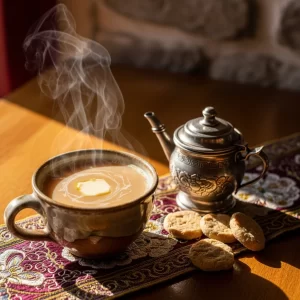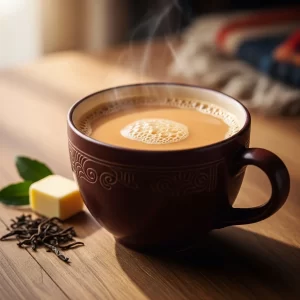

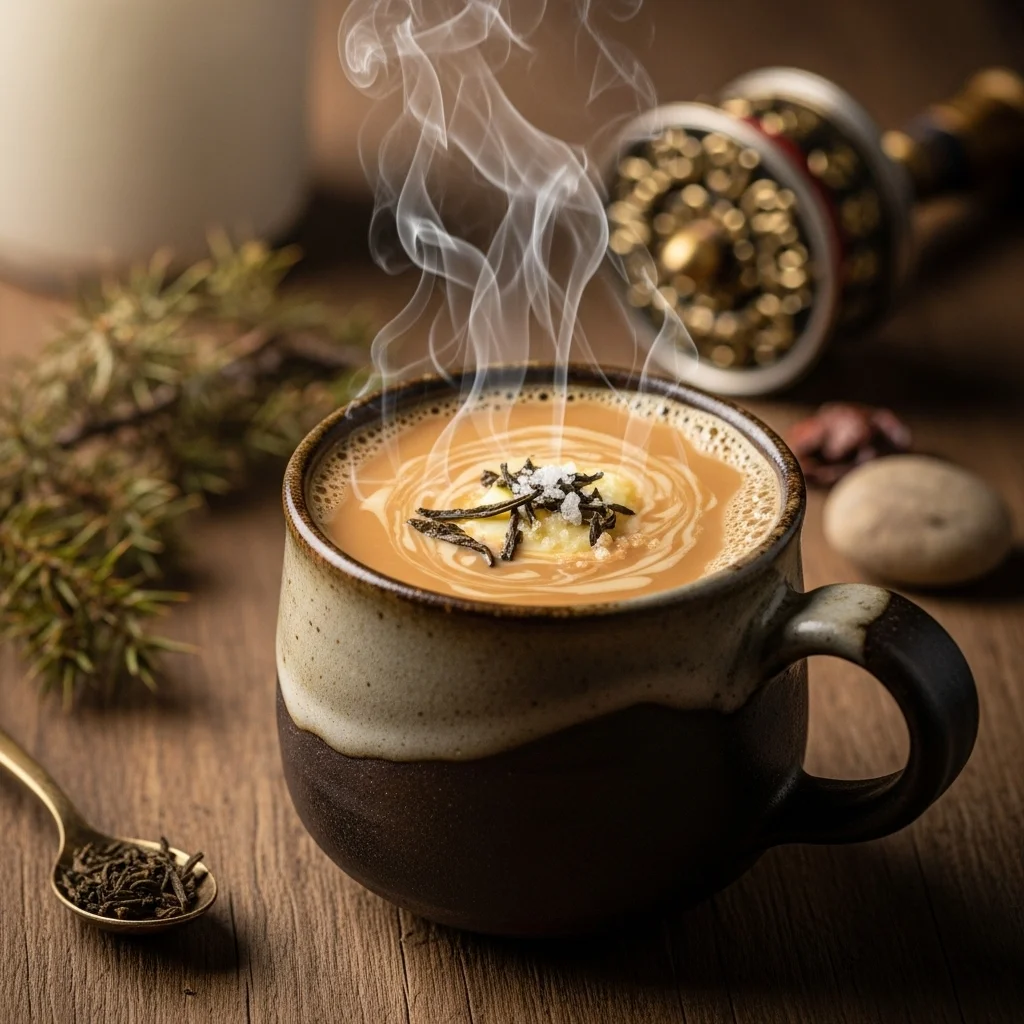
In the highlands where chilly winds whisper tales of ancient nomads and rugged landscapes, a steaming cup of butter tea emerges as more than just a beverage-it’s a warm embrace, a cultural legacy steeped in tradition. Known for its rich, hearty flavor and nourishing qualities, butter tea has fueled travelers and locals alike through frosty mornings and long journeys. In this article, we’ll guide you through the artful craft of making the ultimate comfort brew, blending tea, salt, and creamy butter into a soothing elixir that’s as invigorating as it is comforting. Whether you seek a new ritual to chase away the cold or a taste of Himalayan heritage,mastering this time-honored recipe promises to warm both body and soul.
Butter tea recipe enthusiasts will rejoice in discovering the rich heritage and comforting warmth behind this timeless Tibetan brew. Originating in the high Himalayan plateaus, this soothing drink blends simplicity wiht rich, buttery indulgence, offering not only a beverage but an experience steeped in tradition and culture. Embracing the authentic flavors and techniques will transport you to cold mountain villages where this nourishing drink fuels both body and soul.
Prep and Cook Time
- Preparation: 5 minutes
- Brewing and Churning: 15 minutes
- Total Time: 20 minutes
Yield
- Serves 4 cups
Difficulty Level
- Medium – Requires attention to traditional brewing techniques and churning
Ingredients
- 4 cups water, filtered
- 2 tbsp loose-leaf black tea (preferably Tibetan or strong assam tea)
- 1 tsp salt, or to taste
- 4 tbsp unsalted butter, preferably cultured or yak butter for authenticity
- 1/2 cup whole milk or evaporated milk
- Optional: 1 tsp roasted barley flour (tsampa) for a traditional touch
- Spices (optional twists): a pinch of cardamom, cinnamon stick, or ginger slices
Instructions
- Boil the water: Pour 4 cups of filtered water into a medium saucepan and bring it to a rolling boil.
- Steep the tea: Add 2 tablespoons of loose-leaf black tea to the boiling water. Reduce heat and simmer for about 5-7 minutes, stirring occasionally to release deep, robust flavors.
- Strain the tea: Use a fine mesh strainer to pour the strong brewed tea into a large bowl or traditional churner, removing all tea leaves for a smooth cup.
- Add salt and butter: Carefully melt 4 tablespoons of unsalted butter and stir it into the hot tea along with 1 teaspoon of salt. The salt enhances the butter’s creaminess and enriches the flavor balance.
- Pour in milk: Slowly whisk in 1/2 cup of whole or evaporated milk to create a luscious, slightly creamy texture.
- Churn vigorously: Using a traditional churner or a hand blender, churn the mixture for 5-10 minutes until it has a foamy, uniform consistency. This step is key for blending the butter and tea perfectly, giving the tea its signature richness.
- Infuse optional spices or tsampa: For a unique twist, add a pinch of warmed roasted barley flour (tsampa) or infuse the tea with cardamom or ginger during boiling, then strain out the spices before adding butter.
- Serve hot: Ladle the butter tea into cups immediately, enjoying the warm, buttery aroma wafting upwards invitingly.
Chef’s Notes & Tips for Success
- Authenticity matters: While yak butter provides the truest Tibetan flavor, high-quality cultured unsalted butter is a perfect and accessible substitute.
- Balancing salt: Salt quantity can be adjusted to personal preference; it’s essential for flavor but subtle in the final brew.
- Churning alternatives: If a churner isn’t available, vigorously whisk or shake the tea in a tightly sealed jar for a similar effect.
- Make-ahead tip: Prepare the strong tea base ahead and store refrigerated, then add butter and milk fresh when ready to serve for maximum aroma.
- Adjust creaminess: More butter adds richness but starts overpowering the tea’s delicate bitterness, so tweak slowly.
Serving Suggestions and Health Benefits
Pour yoru butter tea into small, traditional ceramic cups or modern insulated mugs for a cozy presentation. Garnish with a sprinkle of toasted barley flour or a tiny pinch of ground spices for visual warmth.Pair it with light Tibetan snacks such as steamed momos or simple roasted nuts to round out a comforting snack experience.
This beverage, rich in healthy fats from butter, provides sustained energy and meaningful warmth in chilly climates.Salt contributes to electrolyte balance, while the caffeine from strong tea gently awakens your senses without overwhelming jitters. Enjoying this ancient cup daily offers mental alertness and physical endurance benefits, treasured by nomadic communities for centuries.
Nutritional Facts (Per 1 Cup Serving)
| Calories | Protein | Carbohydrates | Fat |
|---|---|---|---|
| 150 kcal | 2 g | 3 g | 14 g |
For further exploration into traditional Tibetan beverages, visit the Encyclopaedia Britannica’s detailed overview. Embrace the spirit of the mountains with every rich sip of your butter tea recipe, a truly ultimate comfort brew.
Q&A
Q&A: Butter Tea Recipe – Crafting the Ultimate Comfort Brew
Q1: What exactly is butter tea, and where does it come from?
A1: Butter tea, also known as “po cha” in Tibetan culture, is a traditional savory beverage made by blending tea with butter and salt. originating from the high-altitude regions of Tibet and the Himalayas, this hearty brew has been a staple for centuries, providing warmth and energy to those who brave cold mountain climates. Its unique creamy texture and rich flavor make it both comforting and sustaining.
Q2: Why add butter to tea? Isn’t that unusual?
A2: At first glance, adding butter might sound unconventional, but it serves multiple purposes. In harsh, cold environments, butter tea is a nourishing source of calories and fat, essential for enduring chilly weather. The butter imparts a silky mouthfeel and balances the astringency of strong tea. Plus, it creates a cozy, satisfying drink that lingers with soothing warmth.
Q3: What ingredients are essential for making authentic butter tea?
A3: The core ingredients include strong black tea (often brick tea), unsalted butter (traditionally yak butter), salt, and hot water. Some recipes might add milk or condensed milk for creaminess, but the classic version keeps it simple. The key is quality black tea brewed robustly, which acts as the bold base for the butter infusion.
Q4: How do you prepare butter tea at home?
A4: start by brewing a strong batch of black tea-think of it as a tea broth. In a churn or blender, combine hot tea, a generous spoonful of butter, and a pinch of salt. Traditionally, a wooden churn called a ”churner” is used to vigorously mix these until the tea froths and thickens, resulting in a smooth, emulsified, buttery concoction. At home,a blender or even a whisk can do the trick.Adjust butter and salt to taste.
Q5: Can butter tea be customized to suit different palates?
A5: Absolutely! While the backbone is simple, you can tweak the richness or saltiness to find your perfect balance. Some love it extra buttery and salty for that punch of flavor, others prefer a milder, milkier taste. Playing with different black teas-like Assam or Darjeeling-allows subtle flavor shifts. Experimentation can lead to your own signature comfort brew.
Q6: What makes butter tea particularly comforting?
A6: Beyond its warming temperature,butter tea’s creamy density and savory notes create a unique sensory hug. The butter coats the throat,while the salt stimulates hydration and the tea stimulates alertness.It’s a drink that nurtures both body and soul, perfect for brisk mornings, long treks, or quiet moments beside a fire.
Q7: Is butter tea healthy?
A7: In moderation, yes! Butter tea is calorie-dense, providing fats that are vital for energy, especially in cold climates.The antioxidants in black tea contribute additional health benefits. However, the high butter content means it’s best savored as an occasional indulgence rather than a daily staple for those with dietary restrictions.
Q8: Where can I find the ingredients,especially yak butter?
A8: Unsalted cow’s butter works beautifully as a substitute in most kitchens worldwide. Yak butter is prized for its deeper flavor and is more readily available in specialty Asian markets or online.brick tea can sometiems be sourced from Tibetan stores or replaced with a strong black tea blend.
Crafting the ultimate comfort brew is about more than just following a recipe-it’s about connecting to centuries of tradition and savoring a drink that warms the body and enriches the spirit. So, roll up your sleeves, churn away, and let the magic of butter tea transport you to the snowy peaks where every sip is a cozy party.
To Wrap It Up
As the golden hues of butter meld with the rich, robust tea, crafting the ultimate comfort brew becomes more than a recipe-it transforms into a ritual steeped in warmth and tradition.Whether sipped amidst snowy mountains or quiet mornings at home, this butter tea invites you to slow down, savor each velvety sip, and embrace a timeless comfort that transcends borders. So next time you seek a cozy companion to your day, remember: the perfect cup of butter tea awaits-ready to wrap you in its nourishing embrace. Cheers to the art of brewing comfort in every cup!